
Push Up Bars and Stands
Push up bars and stands are compact fitness accessories designed to support press ups, upper body training and bodyweight exercise routines. They are useful for home gyms, garage workouts, fitness rooms, warm ups, core sessions and anyone who wants a simple way to add variety to floor based training.
The right push up bars or stands should feel stable, comfortable and suitable for your strength level, floor surface and exercise routine. When comparing options, look at grip comfort, stand height, base stability, handle shape, user weight guidance where listed, material, portability, storage needs and whether the product is intended for beginners, regular training or more advanced bodyweight movements.
For help comparing push up bar designs, grip styles and suitability for different home training spaces, see our Push Up Bars and Stands Buyers Guide.
- Push Up Bars and Stands
Calisthenics Parallettes Bars Pair with Anti-Slip Tape and Pads
£11.99 *View On Amazon* - Push Up Bars and Stands
Wooden Parallettes Bars with Non-Slip Cotton Wrap, 25 cm
£9.99 *View On Amazon* - Push Up Bars and Stands
Sigma Mart Solid Push Up Board with Foldable Push Up Bars
£10.99 *View On Amazon* - Push Up Bars and Stands
Steel Push Up Bars with Foam Handles and Non-Slip Feet
£32.99 *View On Amazon* - Push Up Bars and Stands
HANDSONIC Wood Parallettes 12.8 Inch High Calisthenics Bars
Original price was: £39.99.£33.99Current price is: £33.99. *View On Amazon* - Push Up Bars and Stands
LN COZY CORNER Parallettes Bars Push Up Stands, 300kg, Black
£14.99 *View On Amazon* - Push Up Bars and Stands
Wooden Parallettes Bars with Non Slip Grip and Rubber Feet
£14.99 *View On Amazon* - Push Up Bars and Stands
Wooden Push Up Handles Parallettes Bars, 1 Pair, 25 cm
£13.99 *View On Amazon* - Push Up Bars and Stands
2-Piece Wooden Parallettes Bars Set with Wrist Guards and Storage Bag
Original price was: £13.99.£12.59Current price is: £12.59. *View On Amazon* - Push Up Bars and Stands
TABEKE Push Up Bars 12 Inch Parallettes with Foam Handles
£27.99 *View On Amazon* - Push Up Bars and Stands
Fit4Fun Wood Push Up Bar Set, 2-Pack Parallettes Bars
£39.99 *View On Amazon* - Push Up Bars and Stands
Sportneer 360° Push Up Bar with Detachable Waist Twister
Original price was: £26.99.£25.64Current price is: £25.64. *View On Amazon* - Push Up Bars and Stands
ZEONHAK Wooden Parallettes Bars, 2 Pack, 20 x 12.5 x 9.3 cm
£13.99 *View On Amazon* - Push Up Bars and Stands
EVERYMATE Wood Push Up Bars Parallettes with Rubber Feet, 600 LB
£25.99 *View On Amazon* - Push Up Bars and Stands
Wooden Parallettes Bars with 2 Non-Slip Hand Grips, 25 cm
Original price was: £22.79.£21.89Current price is: £21.89. *View On Amazon*


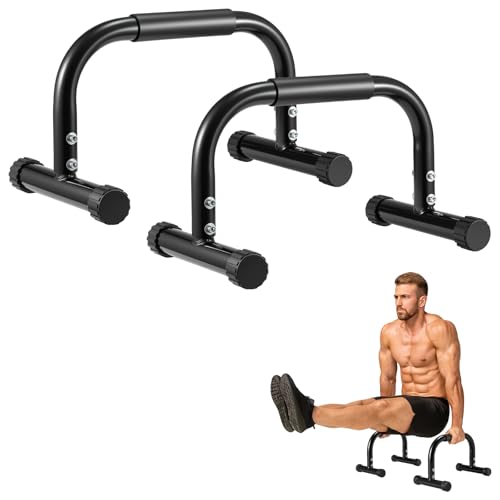


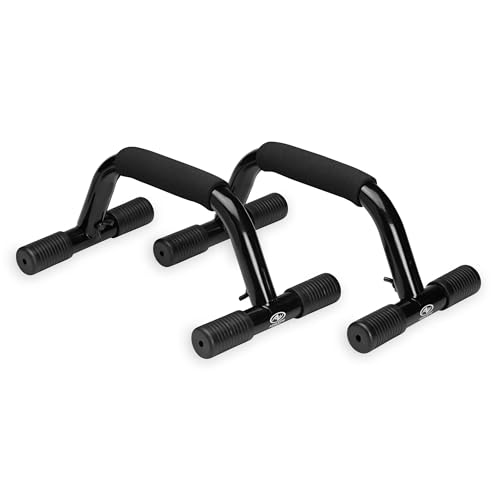


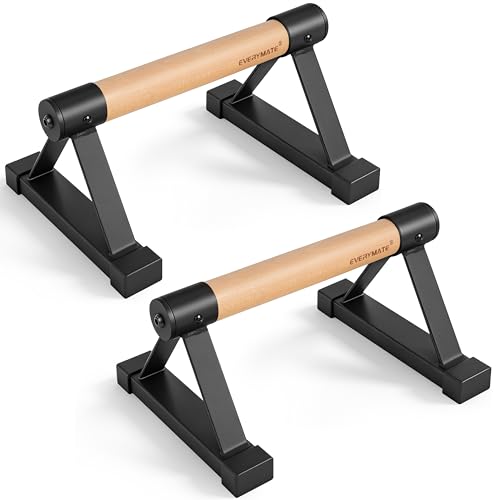

What Are Push Up Bars And Stands
Push up bars and stands are small supports with handles that raise the hands away from the floor during press ups and related bodyweight exercises. They are designed to give the hands a more defined grip position while helping users perform controlled upper body movements.
Depending on the product, push up bars may include foam grips, rubber feet, rotating handles, fixed handles, angled stands, foldable designs or wider base supports where listed. Some are simple and compact, while others may be larger or designed for more varied floor exercises.
They are different from large gym machines because they rely on your own body weight. They are also different from standard floor press ups because they change hand position and may allow a slightly different range of movement, depending on the design and user ability.
What Push Up Bars And Stands Are Used For
Push up bars and stands are mainly used for press ups, but they may also be used for bodyweight strength work, core exercises, warm ups, conditioning routines and some calisthenics style movements where suitable.
They can help add variety to chest, shoulder, triceps and core training. By raising the hands from the floor, some users may find the hand position more comfortable than flat palm press ups, although comfort varies by person and technique.
They are also useful for home workouts because they are small, easy to store and do not usually need a large training space. This makes them practical for bedrooms, living rooms, garages, garden rooms and small home gym areas.
How To Choose The Right Push Up Bars Or Stands
Start with your current training level. Beginners may want a simple, stable pair with comfortable handles and a wide base. Regular users may compare height, grip shape and durability more closely. More experienced users may look at designs that support deeper press ups or varied hand positions where suitable.
Next, think about the floor surface. Smooth floors, carpet, mats and garage floors can all affect stability. Look for rubber feet, textured bases or non slip details where listed, and use the equipment only on a suitable surface.
Grip comfort matters too. Handles should feel secure without being too hard, too narrow or awkward in the hand. Foam, rubber or textured grips where listed can change the feel during repeated sets.
Also consider storage and portability. Some push up bars are very compact, while others may take up more room. Foldable or lightweight options where listed may suit users who train in different rooms or travel with fitness kit.
Key Features To Compare
Stability is one of the most important features. Push up bars should sit firmly on the floor and should not rock, slide or twist during normal controlled use.
Handle comfort affects how easy the bars are to use. A comfortable grip can help users focus on movement rather than hand pressure.
Height changes the exercise feel. Taller stands may allow a deeper movement where suitable, while lower bars can feel closer to standard floor press ups.
Base design matters. Wider bases may feel more stable, while compact bases may be easier to store. The best choice depends on available space and the type of floor used.
Material affects strength, weight and care. Plastic, metal, rubber and foam details may all be used depending on the product. Check the listing rather than assuming build quality from appearance alone.
User weight guidance should be checked where listed. Equipment should only be used within the stated limits and according to the product instructions.
Rotating handles, where listed, may allow hand movement during the exercise, but they may not suit every user. Beginners may prefer fixed bars for a more predictable feel.
Push Up Bars Compared With Floor Press Ups
Floor press ups require no equipment and can be done almost anywhere with a suitable surface. They are simple, familiar and useful for many fitness routines.
Push up bars and stands raise the hands from the floor and provide a handle grip. This may feel more comfortable for some wrists and may allow a different movement range, depending on the product and user technique.
The trade off is simplicity versus support and variety. Floor press ups need no kit, while push up bars add a small piece of equipment that can help structure the exercise and make a home workout feel more organised.
Push Up Bars Compared With Parallettes And Dip Stands
Push up bars are usually smaller and lower than parallettes or dip stands. They are mainly used for press ups and compact floor based exercises.
Parallettes are often used for calisthenics movements, support holds, L sits and more advanced bodyweight training where the user has the strength and skill. They may be larger and higher than standard push up bars.
Dip stands are usually taller and designed for dips or support movements where suitable. They require more space and may suit more experienced users.
The better choice depends on the training goal. Push up bars are a practical starting point for press ups and upper body floor work, while parallettes and dip stands may suit broader calisthenics progressions.
Guidance For Beginners, Regular Users And Experienced Trainers
Beginners should focus on stability, comfort and controlled technique. A simple pair of push up bars can make press up practice feel more structured, but users should still build strength gradually.
Regular users may want to compare grip comfort, stand height and how the bars feel during repeated sets. If press ups are part of a weekly routine, small comfort details can make a difference.
Experienced trainers may look more closely at handle angle, base width, material, floor grip and whether the bars support deeper press ups or varied hand placements where suitable.
Anyone returning from injury, managing wrist, shoulder or back discomfort, or unsure about exercise suitability should seek advice from a qualified professional before starting or changing a training routine.
Use Cases By Training Style
For home workouts, push up bars and stands can support press ups, warm ups and simple strength circuits without needing large equipment.
For bodyweight strength training, they can be used as part of chest, shoulder, triceps and core routines where suitable.
For calisthenics beginners, push up bars may provide a simple introduction to hand supported floor work before moving on to more advanced equipment.
For gym warm ups, they can help add structure to upper body activation routines where appropriate.
For travel fitness, compact push up bars where listed may be easier to pack than larger workout equipment.
For small spaces, they can be stored in a drawer, cupboard or gym bag, making them practical for flats, bedrooms and shared homes.
Fit, Compatibility And Floor Space
Push up bars and stands need a stable, suitable floor surface. Before training, check that there is enough space for your body, arm position and safe movement.
The bars should sit evenly on the floor. If they rock, slide or feel unstable, move them to a better surface or stop using them until the issue is checked.
If using an exercise mat, make sure the mat does not slip under the bars. A soft or unstable mat can make the bars feel less secure.
Consider body size and hand position. Wider users or those with broader shoulders may prefer bars that allow comfortable spacing. Handle width and grip shape should feel natural rather than forced.
Safety And Responsible Use
Push up bars and stands should be used carefully and only as instructed. Check the bars before each session for loose parts, damaged grips, cracked bases or worn feet.
Do not exceed the user weight guidance where listed. Dynamic movement can place extra force on equipment, especially if exercises are rushed or performed with poor control.
Start with steady, controlled press ups rather than fast or advanced movements. Keep the body aligned, avoid sudden drops and stop if you feel pain or instability.
Use the bars on a clear floor area away from furniture, sharp edges, pets, children and loose cables. If the bars slip or feel unsafe, stop using them immediately.
Push up bars should not be used as handstands, balance blocks or gymnastic equipment unless the product is clearly designed and listed for that purpose.
Comfort, Grip And Technique
Comfort depends on both the equipment and how it is used. A comfortable grip can help reduce hand pressure for some users, but it does not replace good technique or sensible progression.
Keep wrists, elbows and shoulders in a position that feels controlled. Avoid letting the shoulders collapse or the elbows flare uncomfortably if that does not suit your body.
Grip should feel secure without needing to squeeze too hard. If the handles become slippery from sweat, pause and wipe them where suitable.
Good form matters more than high repetitions. Controlled movement, steady breathing and suitable rest between sets can make training safer and more effective for most users.
Care, Cleaning And Maintenance
Always follow the care guidance supplied with the product. Push up bars and stands can collect sweat, dust and floor debris, so regular cleaning helps keep them pleasant to use.
Wipe handles and contact areas after training where suitable. Avoid harsh cleaning products unless the product guidance says they are safe.
Check grips, bases, screws, joints and rubber feet from time to time. If anything becomes loose, cracked, worn or unstable, stop using the bars until they have been checked or replaced.
Store the bars clean and dry. Avoid leaving them in damp garages, bathrooms or outdoor areas unless the product is suitable for those conditions.
Storage And Home Gym Organisation
Push up bars are usually easy to store because they are compact. They can often fit in a cupboard, drawer, gym bag, under a bed or beside an exercise mat.
If the bars fold or stack where listed, check that they are locked or assembled correctly before each use. Compact storage should not come at the expense of stability during training.
Keep them with related workout accessories such as mats, resistance bands, water bottles or towels. This makes it easier to set up a quick home workout.
For shared spaces, store them safely away from walkways so they do not become a trip hazard.
Useful Accessories To Consider
Useful accessories may include exercise mats, resistance bands, bodyweight training equipment, ab wheels, sliders, pull up bars, gym gloves where suitable, water bottles, foam rollers and storage bags.
An exercise mat may make floor based workouts more comfortable, although the bars should still be stable on the chosen surface. Resistance bands can add warm up or assistance options where suitable.
If buying push up bars as a gift, consider the user’s experience level, available space, floor type and whether they need compact storage or a more substantial stand design.
Why Buy From YPC
At YPC, we understand active lifestyles and the need for practical products that work in real use. Push up bars and stands should be easy to compare by stability, grip comfort, height, base design, material, storage needs, care requirements and suitability for the user’s training level.
This category is designed to help buyers choose practical equipment for home workouts, bodyweight training, strength routines and compact fitness spaces. Browse the push up bars and stands at YPC and compare the available options to find suitable kit for your routine.
FAQs
What are push up bars and stands?
Push up bars and stands are fitness accessories with handles that raise the hands from the floor during press ups and related bodyweight exercises.
What are push up bars used for?
They are mainly used for press ups, upper body strength training, core routines and home workouts. Some designs may support additional exercises where suitable and where listed.
Are push up bars good for beginners?
They can be suitable for beginners where the bars are stable, comfortable and used with controlled technique. Beginners should start gradually and avoid advanced movements too soon.
Are push up bars better than normal press ups?
Not always. They offer a different hand position and may feel more comfortable for some users, while floor press ups require no equipment. The better option depends on comfort, strength and training goals.
Do push up bars help wrist comfort?
They may feel more comfortable for some users because the hands grip handles rather than lying flat on the floor. However, they do not guarantee comfort for everyone. Stop if you feel pain and seek advice if needed.
Can push up bars be used on carpet?
Some may be used on carpet where stable, but thick or soft carpet can make bars less secure. Check the product guidance and make sure the bars do not wobble or slide.
What should I check before buying push up stands?
Check grip comfort, base stability, height, material, user weight guidance where listed, storage size and whether the design suits your floor surface and training level.
How do I care for push up bars?
Follow the care guidance supplied with the product. Wipe grips after use, keep them clean and dry, check for loose or damaged parts, and store them safely away from damp or walkways.
 Getting ready for Summer? View our Home and Garden Products

Heading outdoors this winter? Take a look at our Outdoor Clothing.