
Camping Food
Camping Food: Lightweight, Nutritious & Easy to Prepare
Great food is essential for any camping trip, whether you’re embarking on a multi-day trek, setting up a family campsite, or enjoying a weekend festival. The best camping food is lightweight, energy-packed, and easy to prepare, ensuring you stay fuelled for outdoor adventures without the hassle of carrying heavy ingredients.
Since 1988, we’ve been a trusted supplier of premium outdoor gear, offering high-quality camping food designed for convenience, nutrition, and great taste in any environment.
- Camping Food
Summit To Eat Chicken Fried Rice Big Pack
Original price was: £16.95.£14.95Current price is: £14.95. *View On Amazon* - Camping Food
Merchant Gourmet Cooked Tomatoey French Puy & Green Lentils – High in Protein, Source of Fibre & Vegan – Pack of 6 x 250g Ready-to-eat Pouches
Original price was: £12.90.£9.48Current price is: £9.48. *View On Amazon* - Camping Food
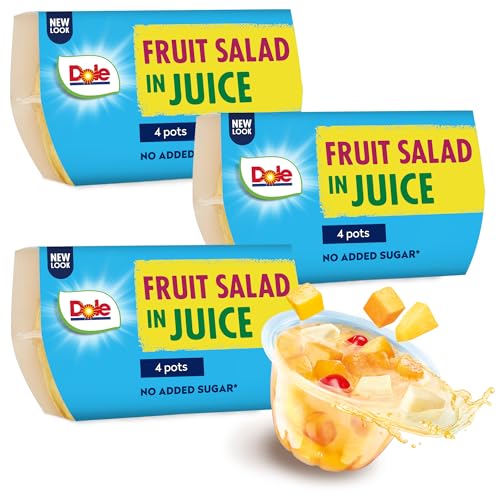
Dole Mixed Fruit In Juice With Cherry 3 x 4 Packs of Assorted Fruits, Healthy Snack, No Added Sugar Fruit Cocktail Bowls, Perfect for Breakfast & Dessert or Adding to Recipes
Original price was: £6.50.£6.00Current price is: £6.00. *View On Amazon* - Camping Food
Emergency Food Ration Bars, Chocolate Flavor Survival Tabs Supply for Outdoor Camping Emergency Snowstorm Earthquake Disaster Preparedness Kit With Long Self Life 12 Count
Original price was: £37.99.£27.52Current price is: £27.52. *View On Amazon* - Camping Food
Pot Noodle Chicken & Mushroom King Pot Noodle instant vegetarian snack quick to make noodles Instant Noodle 12x 114 g
Original price was: £16.68.£11.40Current price is: £11.40. *View On Amazon* - Camping Food
Birds Eye Traditional Roast Beef Dinner Ready Meal 400G 400g × 1
£12.43 *View On Amazon*






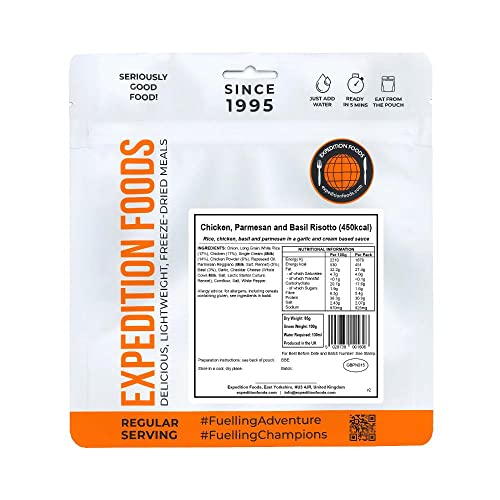


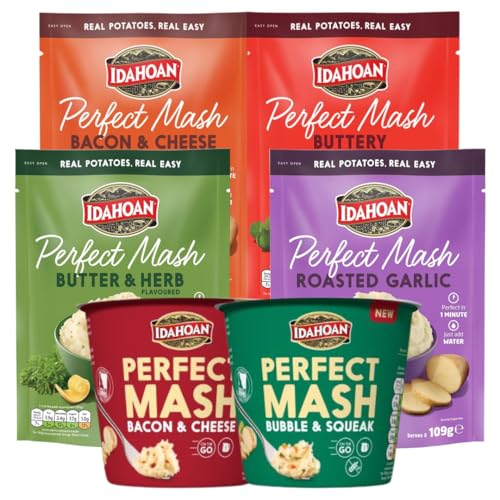


Why Choose High-Quality Camping Food?
1. Lightweight & Easy to Pack
- Freeze-Dried & Dehydrated Options: Weighs less while retaining nutrients.
- Compact, Space-Saving Packaging: Fits easily into backpacks and food storage.
2. Quick & Simple Preparation
- Just Add Water Meals: Rehydrates quickly for instant energy.
- Ready-to-Eat Snacks: No cooking needed for fast fuel on the go.
3. High-Energy & Nutrient-Dense
- Balanced Carbs, Proteins & Fats: Provides lasting energy for outdoor activities.
- Designed for Endurance & Recovery: Ideal for hikers, climbers, and campers.
4. Long Shelf Life & Minimal Waste
- Vacuum-Sealed & Lightweight Packaging: Keeps food fresh for extended periods.
- Low-Waste & Eco-Friendly Options: Reduces excess packaging and spoilage.
5. Versatile for Different Camping Styles
- Perfect for Backpacking, Car Camping & Festivals: Tailored options for every adventure.
- Great for Emergency Preparedness & Survival Kits: Reliable, long-lasting food storage.
Types of Camping Food
1. Freeze-Dried & Dehydrated Meals
- Design: Lightweight meals that rehydrate with hot or cold water.
- Purpose: Provides complete, hot meals with minimal effort.
- Best For: Backpackers, long-distance hikers, and lightweight campers.
2. Ready-to-Eat Camping Meals (MREs)
- Design: Pre-cooked, vacuum-sealed meals that require no cooking.
- Purpose: Convenient, high-calorie meals with long shelf life.
- Best For: Military-style rations, emergency kits, and easy outdoor meals.
3. Instant Noodles & Pasta
- Design: Fast-cooking carbs for quick energy.
- Purpose: Easy to prepare with boiling water.
- Best For: Festival-goers, casual campers, and quick meal options.
4. High-Protein Camping Foods
- Design: Protein-rich meals, bars, and shakes.
- Purpose: Supports muscle recovery and endurance.
- Best For: Hikers, climbers, and fitness-focused adventurers.
5. Camping Breakfasts
- Design: Instant porridge, granola, and egg-based meals.
- Purpose: Provides energy for a strong start to the day.
- Best For: All types of campers needing quick, nutritious breakfast options.
6. Trail Mix, Nuts & Energy Bars
- Design: High-calorie, no-prep snack foods.
- Purpose: Delivers sustained energy between meals.
- Best For: Hiking, cycling, and fast-paced adventures.
7. Camping Coffee & Hot Drinks
- Design: Instant coffee, tea, and hot chocolate sachets.
- Purpose: Provides a warm, comforting boost in the mornings.
- Best For: Coffee lovers and cold-weather campers.
8. Survival & Emergency Food Packs
- Design: Long-life meal packs with minimal water requirements.
- Purpose: Ensures food security in extreme conditions.
- Best For: Disaster preparedness, bushcraft, and remote camping.
Features of High-Quality Camping Food
- Lightweight & Compact: Saves space and weight in your pack.
- Easy-to-Prepare: Requires minimal cooking or water.
- Energy-Dense & Nutrient-Rich: Fuels outdoor activities effectively.
- Long Shelf Life: Stays fresh for extended periods.
- Minimal Waste & Eco-Friendly Packaging: Reduces impact on the environment.
Benefits of High-Quality Camping Food
- Provides Essential Energy for Outdoor Adventures: Keeps you fuelled and focused.
- Easy to Carry & Store: Lightweight, compact options available.
- Quick & Convenient Meal Solutions: Saves time and effort when camping.
- Long-Lasting & Reliable: Ideal for long trips and emergency use.
- Tasty & Satisfying: Wide variety of flavours and meal choices.
Popular Uses for Camping Food
- Backpacking & Multi-Day Treks: Lightweight meals for energy on the go.
- Family & Group Camping: Easy-prep meals for stress-free cooking.
- Festival & Car Camping: Quick, satisfying food without bulky equipment.
- Survival & Emergency Preparedness: Long-lasting supplies for uncertain conditions.
- Extreme Expeditions & Bushcraft: Nutrient-dense meals for harsh environments.
Tips for Choosing the Right Camping Food
- Consider Weight & Packability: Freeze-dried meals are best for backpacking.
- Check Caloric & Nutritional Content: Choose energy-rich options for long trips.
- Look for Quick-Prep or No-Cook Options: Saves time and fuel at camp.
- Ensure a Balanced Diet: Include protein, carbs, and fats for sustained energy.
- Choose Tasty & Enjoyable Meals: A satisfying meal boosts morale outdoors.
Why Shop Camping Food With Us?
- 35+ Years of Expertise: Trusted supplier of high-quality outdoor supplies since 1988.
- Top Brands: Featuring Expedition Foods, Summit to Eat, Firepot, and more.
- Wide Selection: From freeze-dried meals to protein-packed snacks.
- Affordable Pricing: High-quality options for every budget.
- Expert Advice: Our team helps you find the best meals for your adventure.
FAQs About Camping Food
Q: What’s the best food for backpacking?
A: Freeze-dried meals, energy bars, and trail mix offer high energy with minimal weight.
Q: Do I need hot water for camping food?
A: Some meals require boiling water, while MREs and snacks are ready-to-eat.
Q: How long does camping food last?
A: Most freeze-dried meals last 5-10 years, while MREs have a shelf life of 3-5 years.
Q: What’s the best breakfast for camping?
A: Instant porridge, granola, and powdered eggs provide a quick, nutritious start.
Q: Can I take camping food on an airplane?
A: Yes! Most packaged camping food is allowed in checked or carry-on luggage.
Q: What’s the best high-protein camping food?
A: Jerky, nuts, protein bars, and freeze-dried chicken or beef meals.
Q: How much food should I take for a multi-day hike?
A: Aim for 2,500–4,000 calories per day, depending on activity level.
Stay Fuelled with the Best Camping Food
From energy-packed backpacking meals to gourmet campsite dinners, our collection ensures you stay nourished on any outdoor adventure. Browse online or visit us in-store to find the perfect camping food for your next trip!
 Getting ready for Summer? View our Home and Garden Products

Heading outdoors this winter? Take a look at our Outdoor Clothing.
Amazon Associate Disclosure
As an Amazon Associate I earn from qualifying purchases.