
Car Jacks
Car jacks help you lift a vehicle safely for wheel changes, maintenance checks and roadside preparation. Whether you’re keeping one in the boot for emergencies, upgrading your garage setup or choosing a jack for a car, van, SUV or 4×4, the right model makes lifting more controlled, stable and practical.
Our car jacks range is designed for drivers who want reliable lifting equipment for home, garage, travel and vehicle maintenance use. From compact scissor jacks and bottle jacks to hydraulic trolley jacks and higher-capacity options, you can choose a jack that suits your vehicle, storage space and the jobs you need it for.
- Car Jacks
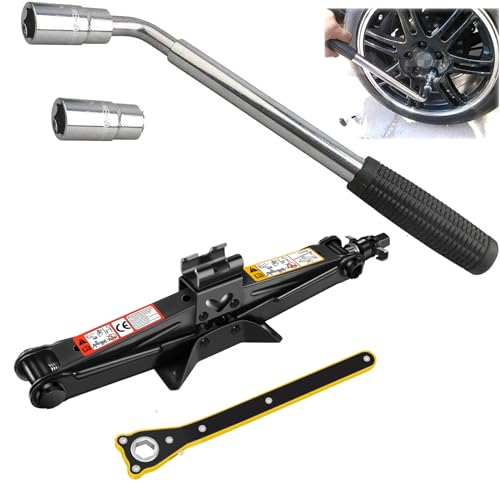
Car Scissor Jack for Tessla Portable Tire Changing Kit
Original price was: £24.99.£23.74Current price is: £23.74. *View On Amazon* - Car Jacks
Amazon Basics Steel Jack Stands, 3 Ton 1 Pair, Black and Red
Original price was: £36.54.£12.58Current price is: £12.58. *View On Amazon* - Car Jacks
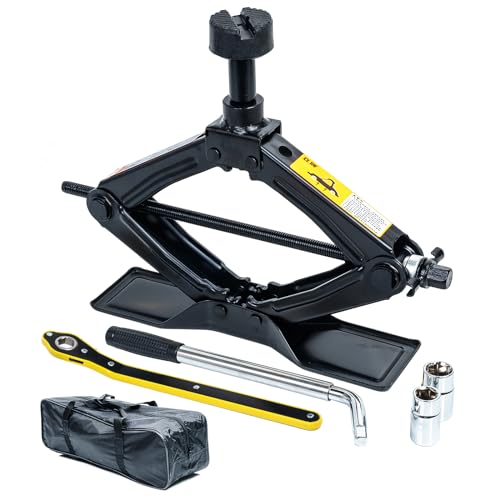
Goodyear 1 Ton Professional Scissor Jack for Car Van with Speed Wind Crank Handle
Original price was: £24.99.£23.92Current price is: £23.92. *View On Amazon*



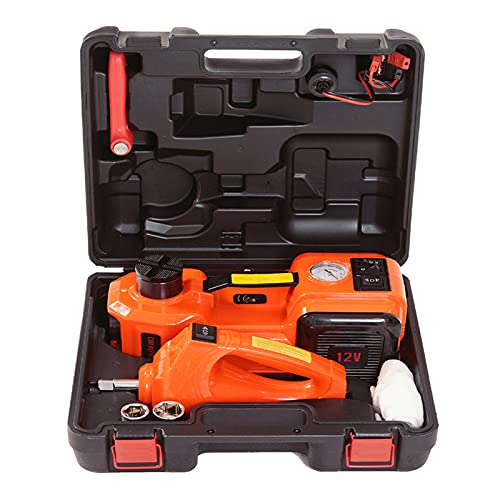




Lift Your Vehicle with the Right Equipment
A car jack is one of the most useful pieces of vehicle equipment you can own. It can help with changing a wheel, checking tyres, fitting certain accessories or carrying out basic maintenance where lifting is required.
For everyday drivers, a compact jack can be useful as part of an emergency kit. For home mechanics and regular vehicle care, a sturdier hydraulic or trolley jack may offer more control and easier lifting.
The key is choosing a jack that matches your vehicle and using it correctly every time. A jack should only be used on suitable lifting points, on stable ground and within its stated weight capacity.
How to Choose a Car Jack
Start by checking your vehicle’s weight, ground clearance and recommended jacking points. Your vehicle handbook should tell you where the jack should be placed and what type of lifting setup is suitable.
Key decision factors include lifting capacity, minimum height, maximum lift height, vehicle compatibility, stability, jack type, weight, storage size, ease of use and whether you need it for emergency use or regular maintenance.
If your car sits low, a low-profile jack may be easier to position underneath. If you drive an SUV, van or 4×4, you may need a jack with higher lift range and suitable capacity. Always check the product details before buying.
Scissor Jacks, Bottle Jacks and Trolley Jacks Compared
Scissor jacks are compact and easy to store, making them useful for emergency kits and occasional wheel changes. They are usually manually operated and can be practical when boot space is limited.
Bottle jacks are compact but can offer strong lifting capacity for their size, depending on the model. They are often useful for vehicles with higher ground clearance, but their taller starting height may not suit lower cars.
Trolley jacks are popular for home garages because they roll into position and usually offer smoother hydraulic lifting. They tend to be larger and heavier than compact jacks, but they can be easier to use for regular maintenance.
The trade-off is portability versus ease of use. A compact jack is easier to store in a vehicle, while a trolley jack is usually more convenient for repeated use at home.
Low-Profile Jacks vs High-Lift Jacks
Low-profile car jacks are designed for vehicles with limited ground clearance. They are useful for lower cars where a standard jack may not fit easily under the lifting point.
High-lift jacks or jacks with a taller lifting range are more suitable for vehicles that sit higher from the ground, such as SUVs, vans and some 4x4s. The extra lift can be helpful, but size, weight and storage space should still be considered.
The right choice depends on your vehicle. Check both the minimum height and maximum lift height so the jack can fit under the car and lift it high enough for the task.
Important Safety Points When Using a Car Jack
A car jack is for lifting, not for supporting a vehicle while you work underneath it. Never get under a vehicle supported only by a jack. If you need to work beneath a vehicle, use suitable axle stands on stable ground and follow proper safety guidance.
Always park on firm, level ground, apply the handbrake, put the vehicle in gear or park, and chock the wheels where needed. Use only the correct jacking points and never exceed the jack’s stated capacity.
If you are changing a wheel at the roadside, make sure you are in a safe location before attempting any work. If conditions are unsafe, it is better to seek roadside assistance.
Useful Features to Look For
A good car jack should feel stable, strong and straightforward to use. Look for clear weight ratings, practical lifting range, a suitable saddle or contact point, smooth operation and a design that fits your vehicle.
For boot storage, size and weight matter. For garage use, ease of lifting, handle length and manoeuvrability may be more important.
Before buying, compare the jack’s capacity, lifting height, dimensions, operating method and storage requirements. Choosing the right jack from the start helps avoid frustration when you need it most.
Car Jacks for Home, Garage and Travel
For travel and emergency use, a compact jack that fits neatly in the boot can be a sensible choice. Pair it with a wheel brace, locking wheel nut key, tyre inflator, warning triangle and other vehicle essentials where appropriate.
For home and garage use, a trolley jack may make regular lifting jobs easier. It can be useful for tyre checks, wheel changes and general maintenance when paired with suitable axle stands and used on a solid surface.
For larger vehicles, always check the jack’s capacity and lift range carefully. Vans, SUVs and 4x4s may need stronger or taller lifting equipment than smaller cars.
Shop Car Jacks Online
Browse our car jacks range to find practical lifting equipment for cars, vans, SUVs, 4x4s, garages and emergency kits. Compare scissor jacks, bottle jacks, trolley jacks and low-profile options to choose the right jack for your vehicle and how you plan to use it.
Car Jacks FAQs
What is a car jack used for?
A car jack is used to lift part of a vehicle for tasks such as changing a wheel or carrying out basic maintenance checks. It should be used only on suitable jacking points and within its rated capacity.
How do I choose the right car jack?
Choose a car jack by checking your vehicle weight, ground clearance, jacking points and the lift height you need. Compare lifting capacity, minimum height, maximum height, jack type and ease of storage before buying.
What is the difference between a scissor jack and a trolley jack?
A scissor jack is compact and often used for emergency wheel changes. A trolley jack is larger, usually hydraulic, and easier to position and lift with in a garage or driveway setting.
Are bottle jacks good for cars?
Bottle jacks can be useful for some vehicles, especially those with higher ground clearance. They may not suit low cars because their starting height can be too tall to fit underneath the jacking point.
What is a low-profile car jack?
A low-profile car jack has a lower minimum height, making it easier to position under vehicles with limited ground clearance. It is useful for lower cars where standard jacks may not fit.
Can I work under a car supported by a jack?
No. You should never work under a vehicle supported only by a jack. Use suitable axle stands on stable ground if you need to work underneath a vehicle, and follow proper safety guidance.
What weight capacity car jack do I need?
Choose a jack with a rated capacity suitable for your vehicle. Check your vehicle handbook or weight information, then choose lifting equipment that stays within the manufacturer’s stated limits.
Where do I place a car jack?
Place the jack only on the vehicle’s recommended jacking points. These are usually listed in the vehicle handbook. Using the wrong point can damage the vehicle or make lifting unsafe.
Can I use a car jack on gravel or grass?
A car jack should be used on firm, level and stable ground. Gravel, grass or soft ground can make the jack unstable, so avoid lifting a vehicle in those conditions unless you have suitable equipment and safe support.
Should I keep a car jack in my boot?
Keeping a suitable car jack in your boot can be useful for emergency wheel changes, especially if your vehicle has a spare wheel. Make sure it fits your vehicle and that you also have the tools needed to remove and refit the wheel.
 Getting ready for Summer? View our Home and Garden Products

Heading outdoors this winter? Take a look at our Outdoor Clothing.