
Fire Extinguishers
Fire extinguishers help you respond quickly to small fires only when it is safe to do so. Whether you’re buying for a car, caravan, campervan, workshop, garage, campsite setup, home area or business premises, the right extinguisher should match the likely fire risk, the location and the people who may need to use it.
Our fire extinguishers range is designed for practical fire safety planning. From compact extinguishers for vehicles and outdoor kits to larger options for premises, garages and work areas, you can choose equipment that suits your environment, storage space and safety requirements.
- Fire Extinguishers
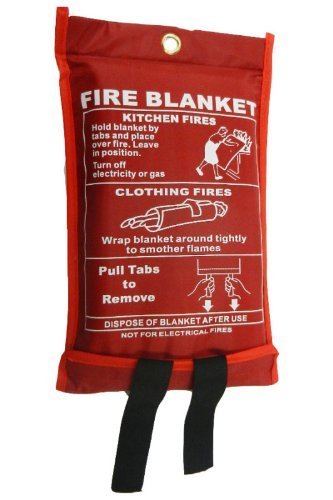
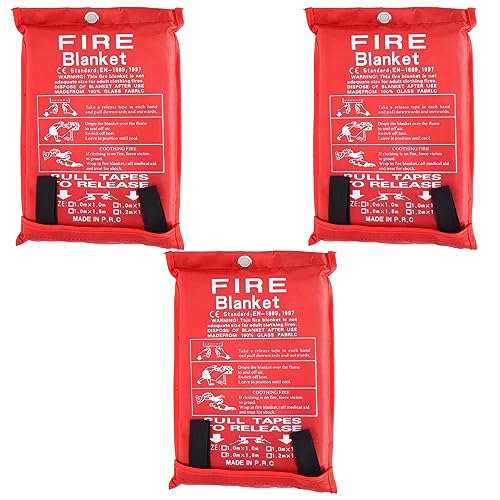
ProBytes FibreGlass Fire Safety Regulation Blanket 1 x 1 Metre, 3 Pieces
£12.99 *View On Amazon* - Fire Extinguishers
AKSIPO Fire Blanket Fiberglass Emergency Blanket 2 Pack 39.3 x 39.3 inch
£15.00 *View On Amazon* - Fire Extinguishers
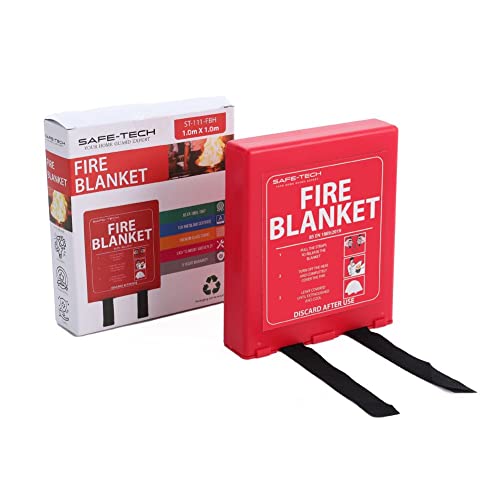
SAFE TECH Fire Blanket in Box, 1m x 1m Emergency Fire Blanket
£13.99 *View On Amazon* - Fire Extinguishers
Henbrandt Inflatable Fire Extinguisher
Original price was: £3.85.£3.70Current price is: £3.70. *View On Amazon* - Fire Extinguishers
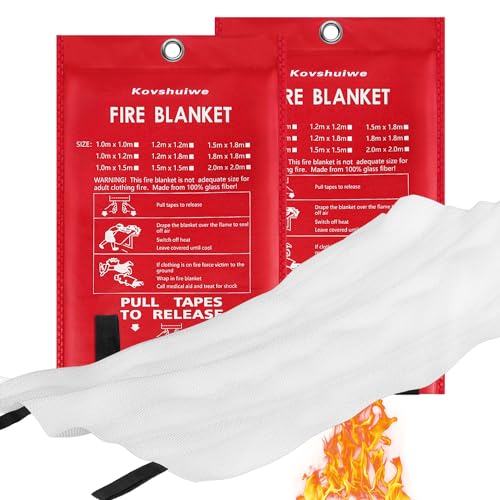
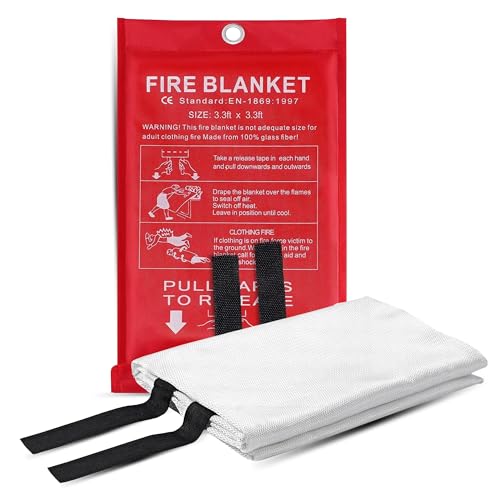
Kovshuiwe Fire Blanket for Kitchen 2 Pack 100 x 100 cm
Original price was: £10.99.£9.59Current price is: £9.59. *View On Amazon* - Fire Extinguishers
Emergency Fire Blanket for Home and Kitchen 1 Pack with Hooks 1m x 1m
£5.99 *View On Amazon* - Fire Extinguishers
Van Fire Extinguisher 2kg Powder Fire Extinguisher FireShield
£25.00 *View On Amazon* - Fire Extinguishers
Emergency Fire Blanket 1m x 1m with Self Adhesive Wall Hook
£11.99 *View On Amazon* - Fire Extinguishers
Smartwares Powder Extinguisher 1 kg for ABC Fires with Mounting Bracket FEX-18117
£18.99 *View On Amazon* - Fire Extinguishers
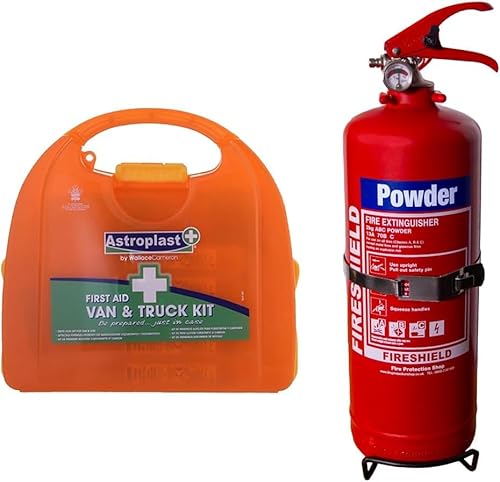
FireShield 1Kg ABC Dry Powder Fire Extinguisher and Astroplast Van and Truck First Aid Kit
£36.00 *View On Amazon* - Fire Extinguishers
FireShield Van Fire Extinguisher Bundle with Astroplast Van and Truck First Aid Kit
£37.00 *View On Amazon* - Fire Extinguishers
G4GADGET Emergency Fire Blanket 1 Pack Large 1m x 1m with Loops
£7.99 *View On Amazon* - Fire Extinguishers
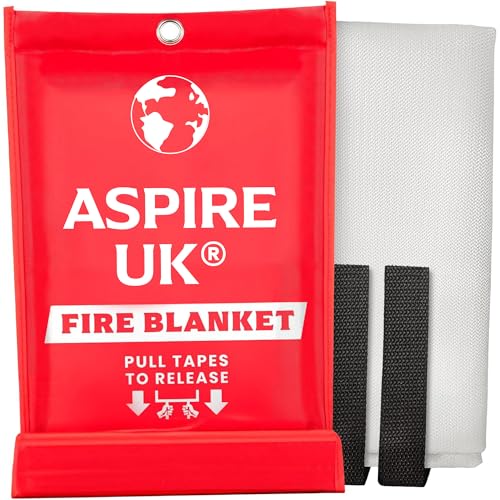
ASPIRE UK Fire Blanket 1M x 1M 1 Pack Fibreglass Fire Suppression Blanket
£6.99 *View On Amazon* - Fire Extinguishers
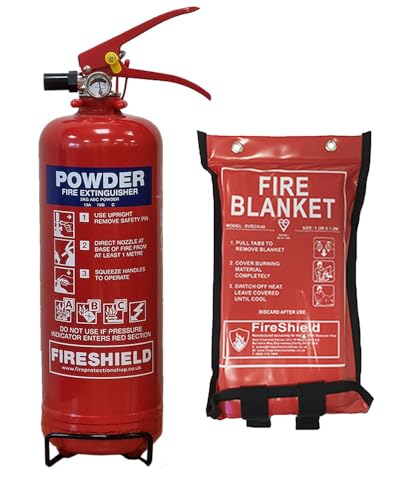
FireShield 2KG Dry Powder Fire Extinguisher and 1m x 1m Soft Case Fire Blanket
£35.50 *View On Amazon* - Fire Extinguishers
Premium FSS UK 2 kg ABC Powder British Standard Kitemarked Fire Extinguisher with CE Marked Fire Blanket
Original price was: £28.99.£26.99Current price is: £26.99. *View On Amazon* - Fire Extinguishers
Firechief 1kg Powder Fire Extinguisher Red with Bracket FMP1 Model
£28.61 *View On Amazon*



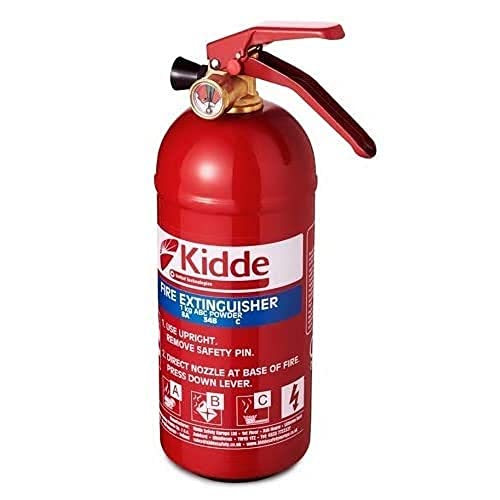
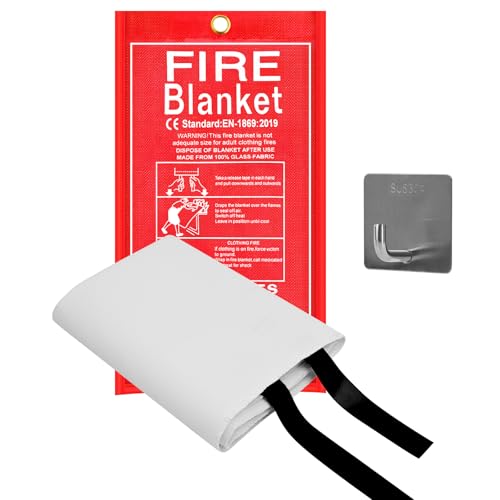
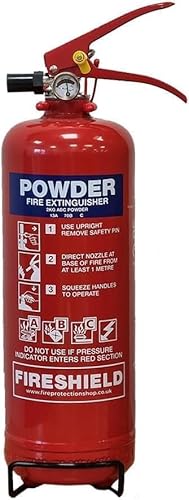
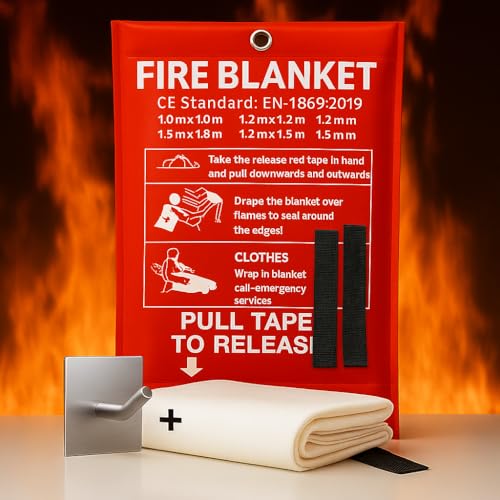





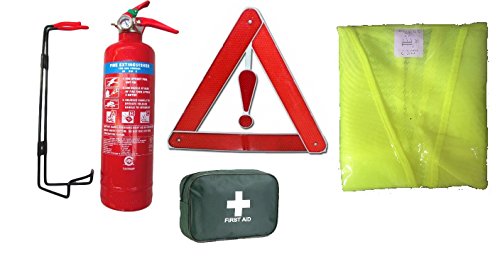
Choose Fire Safety Equipment with Confidence
A fire extinguisher is a simple item, but choosing the right one matters. Different extinguishers are designed for different fire types, so it is important to compare the label, rating, size and intended use before buying.
Common extinguisher types include water, foam, CO₂, dry powder and wet chemical models, each suited to different risks and situations. Fire and rescue guidance also warns that some extinguisher types are unsuitable for certain fires, such as using water on burning fat, oil or electrical appliances.
For personal safety, always prioritise getting people away from danger. London Fire Brigade advises calling 999 even for small fires, as small fires can spread quickly and smoke can be toxic.
How to Choose a Fire Extinguisher
Start by thinking about where the extinguisher will be kept. A vehicle, kitchen area, garage, workshop, campsite, caravan, office or warehouse can all have different fire risks.
Key decision factors include fire class suitability, extinguisher type, capacity, fire rating, mounting options, ease of access, storage conditions, maintenance needs, user training and whether the extinguisher is suitable for the specific hazard.
You should also check the product label and instructions carefully. Look at what the extinguisher is designed to tackle, what it should not be used on, how it is stored and whether it needs professional servicing or inspection.
Fire Extinguisher Types Compared
Water extinguishers are commonly used for solid materials such as wood, paper and textiles, but they are not suitable for burning fat, oil or electrical appliances. Foam extinguishers may suit some solid and liquid fire risks, depending on the product. CO₂ extinguishers are often associated with electrical equipment and some flammable liquid risks, but they should not be used on domestic chip or fat pan fires.
Dry powder extinguishers can cover a broad range of fire risks, depending on the model, but fire service guidance warns they are generally not used indoors unless justified by a risk assessment because discharge can reduce visibility and affect breathing in confined spaces.
Wet chemical extinguishers are commonly associated with cooking oil and deep fat fryer risks, depending on the product specification. Always check the label rather than assuming one extinguisher can safely handle every type of fire.
Compact Fire Extinguishers vs Larger Fire Extinguishers
Compact fire extinguishers are useful where space is limited. They can suit cars, vans, campervans, caravans, small workshops, boats where appropriate, and portable safety kits. They are easier to store and carry, but they may have less capacity than larger extinguishers.
Larger fire extinguishers usually offer more capacity and may be better suited to garages, workplaces, storage areas or higher-risk spaces. The trade-off is that they take up more room and may need proper wall mounting, signage, inspection and servicing.
The right choice depends on the risk, not just the size. A smaller extinguisher in the right place can be more useful than a larger one stored where nobody can reach it quickly.
Fire Extinguishers for Vehicles, Camping and Outdoor Use
For cars, vans, campervans and caravans, a compact fire extinguisher can be a practical addition to your emergency kit. Look for a secure mounting option so it does not roll around during travel, and make sure it is easy to reach if needed.
For camping and outdoor cooking setups, fire extinguishers can support safer use of stoves, BBQs, fire pits and cooking areas where permitted. Keep the extinguisher away from direct heat but close enough to access safely.
Never use a stove, BBQ, fire pit or generator inside a tent, awning, vehicle or enclosed space. A fire extinguisher is not a substitute for safe setup, good ventilation and following product instructions.
Fire Extinguishers for Businesses and Workplaces
For UK business and non-domestic premises, fire safety responsibilities sit with the “responsible person”, such as an employer, owner, landlord, occupier or person with control of the premises. GOV.UK says the responsible person must carry out and regularly review a fire risk assessment, put appropriate fire safety measures in place, plan for emergencies and provide information, instruction and training.
That means extinguisher choice should be based on a proper fire risk assessment, not guesswork. If you are buying for a workplace, public building, rental property common area or commercial premises, get competent advice where needed.
BAFE guidance says portable fire extinguishers are life safety equipment and should be maintained so they are safe, reliable, in good repair and suitable for the hazard.
Useful Features to Look For
A good fire extinguisher should be clearly labelled, simple to identify and suitable for the location where it will be used. Wall brackets, vehicle mounts, pressure indicators, clear instructions and compact dimensions can all make an extinguisher easier to store and access.
For businesses and managed premises, signage, commissioning, inspection records and servicing arrangements may also be needed. For homes, vehicles and leisure use, the focus is usually on choosing the right type, storing it sensibly and checking it regularly.
Before buying, compare the extinguisher type, capacity, fire rating, dimensions, mounting method and maintenance guidance. If you are unsure which extinguisher you need, seek professional fire safety advice.
Using Fire Extinguishers Safely
Only use a fire extinguisher if the fire is small, you have a clear escape route, the correct extinguisher is available and you are confident it is safe to act. If there is any doubt, get out, stay out and call 999.
Do not put yourself at risk, do not let the fire block your exit and do not attempt to fight smoke-filled, spreading or unknown fires. Smoke can be dangerous very quickly, even before flames look large.
After any extinguisher has been used, it should be checked, refilled or replaced according to the manufacturer’s guidance. A partly used extinguisher should not simply be put back as if it is ready for another emergency.
Shop Fire Extinguishers Online
Browse our fire extinguishers range to find practical fire safety equipment for vehicles, camping, caravans, campervans, garages, workshops, homes and business premises. Compare extinguisher types, sizes, ratings and mounting options to choose the right product for your setup.
Fire Extinguishers FAQs
What type of fire extinguisher do I need?
The right fire extinguisher depends on the likely fire risk and where it will be used. Compare the extinguisher type, fire rating, label instructions and suitability for the materials or equipment nearby.
Are all fire extinguishers the same?
No. Fire extinguishers are designed for different fire types. Water, foam, CO₂, powder and wet chemical extinguishers have different uses and limitations, so always check the product label before buying or using one.
Can I use a fire extinguisher on an electrical fire?
Only use an extinguisher that is suitable for electrical equipment and follow the product instructions. Never use water on electrical appliances, and isolate the power only if it is safe to do so.
What fire extinguisher is suitable for a car?
For a car, choose a compact extinguisher that is suitable for vehicle use and can be mounted securely. Check the product’s fire rating, size and storage guidance before fitting it in your vehicle.
Do I need a fire extinguisher for camping?
A fire extinguisher can be useful for camping, especially around cooking areas, BBQs, campervans and caravans. It should be stored safely, kept accessible and matched to the type of fire risk you are trying to manage.
Where should I store a fire extinguisher?
Store a fire extinguisher somewhere visible, accessible and away from direct heat or likely fire sources. It should be easy to reach without moving towards danger.
How often should fire extinguishers be checked?
Check the product guidance for inspection and maintenance requirements. For business and managed premises, professional maintenance by a competent person may be needed, and BAFE guidance refers to annual basic servicing for extinguishers.
Can I use a fire extinguisher indoors?
Some extinguishers may be suitable indoors, while others may create extra risks in confined spaces. Dry powder, for example, can reduce visibility and affect breathing in enclosed areas, so check product guidance and fire risk advice carefully.
What should I do after using a fire extinguisher?
After using a fire extinguisher, arrange for it to be inspected, refilled or replaced according to the manufacturer’s guidance. Do not assume it is ready for reuse after discharge.
Should I fight a fire myself?
Only tackle a very small fire if it is safe, you have the correct extinguisher and you have a clear escape route. If there is any doubt, leave immediately and call 999.
 Getting ready for Summer? View our Home and Garden Products

Heading outdoors this winter? Take a look at our Outdoor Clothing.