
Multimeters
Multimeters help you measure and test electrical values such as voltage, current, resistance and continuity. Whether you’re checking vehicle batteries, troubleshooting 12V camping equipment, working on DIY electronics, testing fuses or maintaining workshop kit, the right multimeter can make electrical checks clearer, safer and more accurate.
Our multimeters range is designed for practical testing at home, in the garage, in the workshop and on the move. From simple digital multimeters for basic checks to more advanced models with extra test functions, you can choose an option that suits your skill level, equipment and the type of electrical work you need to carry out.
- Multimeters
Fluke 113 Digital Multimeter
Original price was: £193.20.£183.14Current price is: £183.14. *View On Amazon* - Multimeters
Fluke 116 323 HVAC Combo Kit Includes Multimeter and Clamp Meter
Original price was: £550.80.£429.60Current price is: £429.60. *View On Amazon* - Multimeters
Fluke 114 Electrical Multimeter
Original price was: £262.80.£207.60Current price is: £207.60. *View On Amazon* - Multimeters
UNI-T UT139C Digital Multimeter with AC DC Voltage, Current, Resistance, Capacitance, NCV and Temperature Measurement
Original price was: £49.45.£46.89Current price is: £46.89. *View On Amazon* - Multimeters
UNI-T UT161E Digital Multimeter True RMS AC/DC Voltage Current Resistance Capacitance Tester
Original price was: £131.80.£127.98Current price is: £127.98. *View On Amazon* - Multimeters
A1 Mini Multimeter LCD Digital Tester Voltage Detector 2000 Counts DC AC Voltage Frequency Resistance NCV Continuity Live Wire Neutral Wire Check True RMS Meter
Original price was: £7.20.£5.60Current price is: £5.60. *View On Amazon*


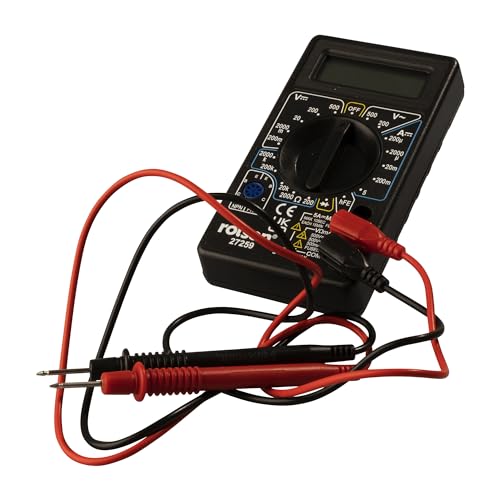


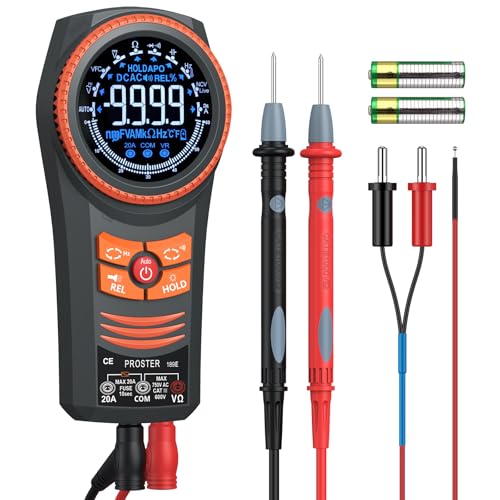

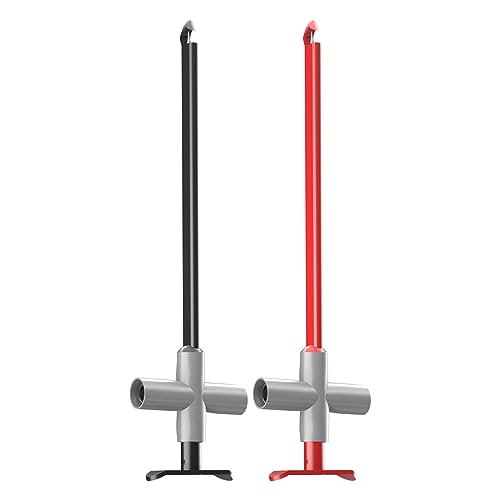




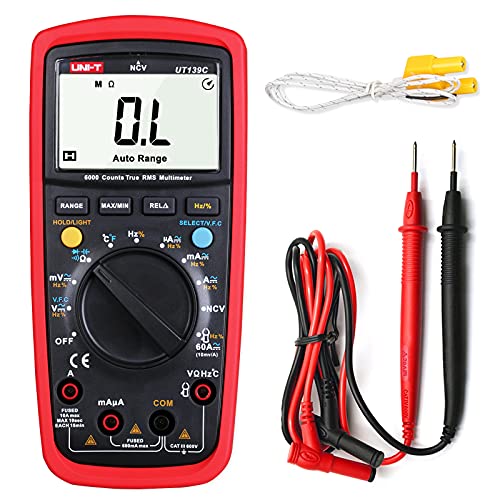


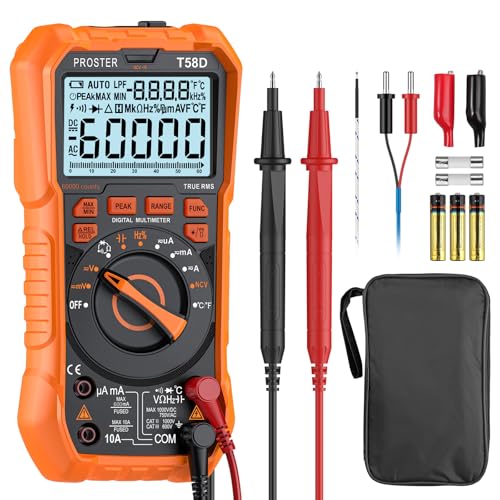

Test Electrical Systems with More Confidence
A multimeter is one of the most useful tools for understanding what is happening in an electrical circuit. It can help you check whether a battery has charge, whether a fuse has blown, whether a circuit is complete or whether a component is receiving power.
For drivers, campers and caravan owners, a multimeter can be useful for checking leisure batteries, vehicle batteries, solar panel setups, 12V accessories, chargers, lights and basic electrical connections. For DIY users and hobbyists, it is handy for electronics, small repairs and general fault finding.
Instead of guessing what might be wrong, a multimeter gives you a reading so you can make a more informed decision.
How to Choose a Multimeter
Start by thinking about what you need to test. For simple vehicle, battery and household low-voltage checks, a straightforward digital multimeter may be enough. If you work with more complex systems, you may want extra features, wider measurement ranges and stronger safety ratings.
Key decision factors include measurement functions, voltage range, current range, resistance range, continuity testing, auto-ranging, manual range control, display clarity, probe quality, build quality, safety rating, size, battery type and how easy it is to use.
You should also consider your experience level. A beginner may prefer a clear digital display and simple dial layout, while a more experienced user may want additional modes for capacitance, frequency, diode testing or temperature, depending on the job.
Digital Multimeters vs Analogue Multimeters
Digital multimeters are the most common choice for everyday testing. They show readings on a screen, are usually easy to read and often include helpful features such as continuity buzzers, hold buttons and auto-ranging.
Analogue multimeters use a needle and scale. Some users prefer them for watching changes in readings, but they can be harder to read accurately if you are not used to them.
The trade-off is simplicity versus visual movement. A digital multimeter is usually easier for general use, while an analogue model may suit users who prefer a traditional display for certain checks.
Auto-Ranging vs Manual-Ranging Multimeters
Auto-ranging multimeters select the measurement range for you, which can make testing easier and reduce setup guesswork. They are useful for beginners, occasional users and anyone who wants quick readings without adjusting the range manually.
Manual-ranging multimeters require you to choose the range yourself. This can give experienced users more control, but it may take longer and requires a better understanding of the expected value.
The right choice depends on how confident you are. If you want ease of use, auto-ranging is often more convenient. If you like full control and understand electrical ranges, manual-ranging may suit you.
Useful Multimeter Features to Look For
A good multimeter should be easy to read, comfortable to hold and supplied with suitable test leads. A large display is useful in garages, sheds and low-light conditions, while a backlit screen can help when working inside vehicles or cupboards.
A continuity buzzer is especially useful because it lets you hear whether a circuit is complete without watching the screen. A hold function can freeze the reading, which helps when testing in awkward positions.
Other useful features may include diode testing, capacitance testing, temperature measurement, min/max readings, protective casing, kickstand support and replaceable probes. Always check the product details to make sure the functions match the work you plan to do.
Multimeters for Cars, Camping and 12V Systems
Multimeters are particularly useful for vehicle and camping power setups. You can use a suitable multimeter to check battery voltage, test fuses, inspect basic wiring, confirm power at sockets and help diagnose why a light, charger, pump or accessory is not working.
For campervans, caravans and camping setups, a multimeter can be useful alongside leisure batteries, solar panels, battery chargers, power stations and 12V accessories. It can help you understand whether equipment is receiving power or whether a battery may need charging.
When working on vehicle or leisure electrical systems, always follow the equipment instructions. If wiring, charging systems or mains hook-ups are involved and you are unsure, get advice from a qualified professional.
Using a Multimeter Safely
Always read the multimeter instructions before use. Set the dial and probes correctly for the measurement you are taking, and make sure the leads are plugged into the correct ports.
Do not use a multimeter on mains electricity, high-voltage systems or unfamiliar circuits unless the meter is properly rated for that use and you are competent to do so. Check the meter’s safety category, voltage rating and probe condition before testing anything that could be hazardous.
Never measure resistance or continuity on a live circuit. Do not measure current by placing the meter directly across a power source. If you are unsure what a setting means or where to place the probes, stop and seek qualified help.
A multimeter is a measuring tool, not a shortcut around electrical safety.
Multimeters for DIY, Workshop and Emergency Kits
For home DIY, a multimeter can help with low-voltage devices, batteries, small electronics and basic checks before replacing parts. In a workshop, it can support regular fault finding and maintenance.
For vehicle emergency kits, a compact multimeter can be useful alongside a jump starter, tyre inflator, torch, battery charger and basic tools. It gives you a way to check whether a battery or circuit may be part of the problem before taking the next step.
Choose a model that fits your real use. A simple, clear multimeter is often better than a complicated one if you only need occasional checks.
Shop Multimeters Online
Browse our multimeters range to find practical electrical testing tools for cars, camping setups, workshops, DIY jobs and everyday fault finding. Compare digital multimeters, auto-ranging models, manual testers and feature-rich options to choose the right multimeter for the way you work.
Multimeters FAQs
What is a multimeter used for?
A multimeter is used to measure electrical values such as voltage, current and resistance. It can also be used for continuity testing, battery checks, fuse testing and basic electrical fault finding.
How do I choose the right multimeter?
Choose a multimeter by comparing the functions you need, measurement ranges, safety rating, display clarity, probe quality, ease of use and whether you prefer auto-ranging or manual range control.
Is a digital multimeter better than an analogue multimeter?
A digital multimeter is usually easier to read and more practical for general use. An analogue multimeter may suit users who prefer a needle display for watching changes in readings.
What does auto-ranging mean on a multimeter?
Auto-ranging means the multimeter automatically selects the correct measurement range for the value being tested. This can make testing quicker and easier, especially for beginners.
Can I use a multimeter to test a car battery?
Yes, a suitable multimeter can be used to check car battery voltage. Always follow the multimeter instructions and vehicle guidance, and get professional help if the battery or electrical system appears damaged or unsafe.
Can I use a multimeter on a leisure battery?
Yes, a multimeter can help check leisure battery voltage and basic 12V system readings. Make sure the meter is set correctly and that you understand the system before testing.
What is continuity testing on a multimeter?
Continuity testing checks whether an electrical path is complete. Many multimeters make a beep when continuity is present, which is useful for checking fuses, wires and simple circuits.
Can I test mains electricity with a multimeter?
Only test mains electricity if your multimeter is properly rated for that use and you are competent to do so. Mains electricity can be dangerous, so seek qualified help if you are unsure.
Why do multimeters have different sockets for the probes?
Different probe sockets are used for different measurements, such as voltage, resistance or current. Using the wrong socket can give incorrect readings or damage the meter, so always check the instructions before testing.
What should I look for in a multimeter for beginners?
Beginners should look for a clear digital display, simple dial layout, auto-ranging, continuity buzzer, good test leads, clear instructions and safety ratings suitable for the type of testing they plan to do.
 Getting ready for Summer? View our Home and Garden Products

Heading outdoors this winter? Take a look at our Outdoor Clothing.