
Running Shoes
Running shoes are designed to support repeated forward movement, impact and comfort while you run. This category is ideal if you want footwear for jogging, road running, treadmill sessions, fitness goals, park runs, longer distance training or active everyday use.
The right running shoes depend on how you run, where you run and what feels comfortable on your feet. Cushioning, fit, grip, support, weight and surface type all matter, so choosing by activity is usually better than choosing by looks alone.
Running Shoes Buyers Guide
If you want help comparing different types of running shoes and understanding how cushioning, fit, support, and running surface affect suitability, see our Running Shoes Buyers Guide for a clear overview of what to consider before choosing.
- Running Shoes
Puweco Men’s All Black Running Shoes Trainers
Original price was: £26.99.£24.99Current price is: £24.99. *View On Amazon* - Running Shoes
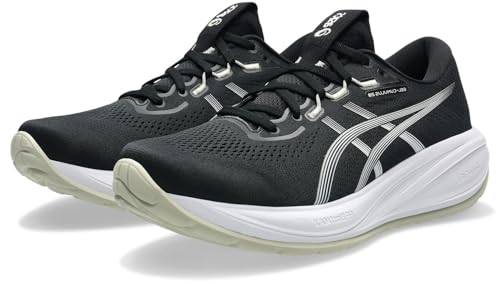
ASICS Gel-Cumulus 28 Sneaker
Original price was: £150.00.£94.80Current price is: £94.80. *View On Amazon* - Running Shoes
UA Surge 5 Trainers
Original price was: £55.00.£44.00Current price is: £44.00. *View On Amazon* - Running Shoes
adidas Men’s Runfalcon 6 ATR Shoes, Onix/Solar Turbo/Orbit Grey, 15 UK
Original price was: £50.00.£40.81Current price is: £40.81. *View On Amazon* - Running Shoes
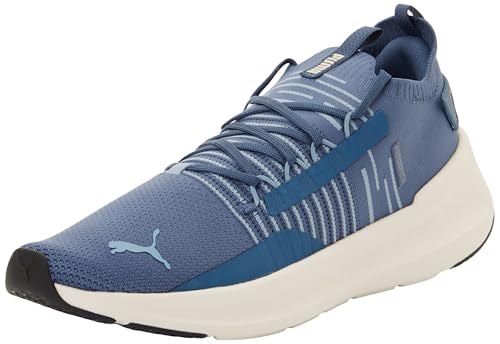
PUMA Flyer LITE 4 Running Shoes
Original price was: £40.00.£33.32Current price is: £33.32. *View On Amazon* - Running Shoes
adidas Men’s Adizero Pacer Running Shoes Core Black 9.5 UK 44 EU
£85.00 *View On Amazon* - Running Shoes
adidas Women’s Galaxy 8 Running Shoes, Core Black/Cloud White/Grey Six, 4.5 UK
Original price was: £45.00.£18.30Current price is: £18.30. *View On Amazon* - Running Shoes
Brooks Ghost 18 Running Shoe
Original price was: £129.34.£115.76Current price is: £115.76. *View On Amazon* - Running Shoes
NORTIV 8 Men’s Trail Running Shoes, Wide Toe Box, Size 9, Light Green
Original price was: £42.99.£36.54Current price is: £36.54. *View On Amazon* - Running Shoes
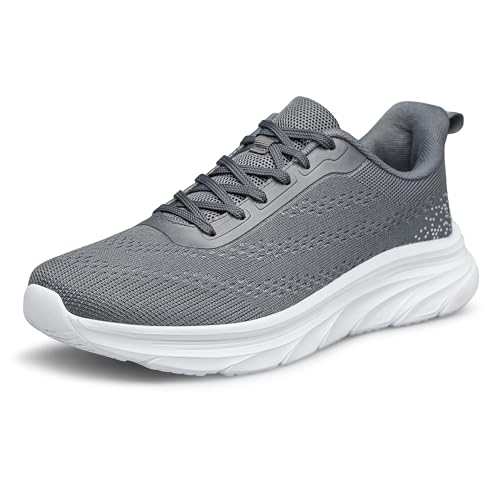
YHOON Mens Walking Trainers Grey Size 10.5
Original price was: £29.99.£21.89Current price is: £21.89. *View On Amazon* - Running Shoes
PUMA Electro SL Road Running Shoe, Black-Shadow Gray, 11 UK
Original price was: £55.00.£41.31Current price is: £41.31. *View On Amazon* - Running Shoes
adidas Response Runner 2 Running Shoes, Core Black, 9 UK
Original price was: £40.00.£30.20Current price is: £30.20. *View On Amazon* - Running Shoes
ALTRA Men’s AL0A85RE Experience Flow 2 Road Running Shoe, Black/Orange
Original price was: £130.00.£97.66Current price is: £97.66. *View On Amazon* - Running Shoes
Brooks Men’s Adrenaline GTS 25 Road Running Shoes, Black/Black, UK 9
£141.69 *View On Amazon* - Running Shoes
Puma Pounce Lite Trainers in Lilac Crush, Plum Jam and Puma White
£31.93 *View On Amazon* - Running Shoes
SOFTRIDE Symmetry FUZION LS Low Boot with Lace Closure
Original price was: £26.50.£21.80Current price is: £21.80. *View On Amazon* - Running Shoes
adidas Men’s Duramo RC2 Running Shoes, White/Black, UK 8
Original price was: £40.00.£32.00Current price is: £32.00. *View On Amazon*







What Are Running Shoes Used For?
Running shoes are built for running movement. They are usually designed to help absorb impact, support foot movement and provide grip on the surfaces they are intended for.
They can be used for beginner jogging, road running, treadmill workouts, fitness training, longer runs and casual exercise. Some running shoes are made for everyday miles, while others are designed for trails, speed sessions, racing or extra cushioning.
How To Choose The Right Running Shoes
Start with where you run most often. Road running shoes are usually best for pavements, paths and treadmills. Trail running shoes are better for mud, grass, gravel and uneven ground because they usually have more grip and a tougher outsole.
Fit is one of the most important buying factors. Running shoes should feel secure around the heel, comfortable through the middle and roomy enough around the toes. Feet can swell slightly during running, so a shoe that feels tight when standing still may become uncomfortable during a longer run.
Cushioning also matters. Some runners prefer soft cushioning for comfort, while others prefer a firmer, more responsive feel. The best option is the one that feels comfortable and stable for your pace, distance and running style.
Road Running Shoes Or Trail Running Shoes?
Road running shoes are usually designed for hard, smoother surfaces such as pavements, roads, gym floors and treadmills. They often focus on cushioning, comfort and smooth forward movement.
Trail running shoes are designed for rougher outdoor surfaces. They usually offer more aggressive grip, better traction and extra protection against stones, mud and uneven ground. The trade off is that they may feel heavier or less smooth on roads.
If you mostly run on pavements, choose road running shoes. If you regularly run on muddy paths, fields, woodland tracks or uneven trails, trail running shoes are usually the better option.
Neutral, Stability Or Cushioned Running Shoes?
Neutral running shoes usually suit runners who do not need extra guidance from the shoe. They can be a good option if you want a natural, comfortable ride without added support features.
Stability running shoes are designed to offer extra guidance and support for runners who prefer a more controlled feel. They may suit some runners who feel unstable in neutral shoes, but comfort should still come first.
Cushioned running shoes focus on softer impact comfort. They can be useful for longer runs, recovery runs and runners who like a more protective feel underfoot. The trade off is that very soft shoes may not feel as responsive or stable for every runner.
Key Features To Compare
When comparing running shoes, look at fit, cushioning, support, grip, heel hold, toe room, weight, breathability, outsole design, durability and whether the shoe suits road, trail or treadmill use.
Grip matters most when running outdoors, especially in wet weather or on loose surfaces. Breathability can help during warmer runs or gym sessions. Durability matters if you run regularly and want the shoes to cope with repeated use.
Weight is worth considering too. A lighter shoe can feel faster and easier for short runs or speed work, while a more cushioned shoe may feel more comfortable for steady miles.
Beginner, Regular Runner Or Race Day Shoe?
Beginners should look for running shoes that feel comfortable, stable and easy to run in. A simple daily running shoe is usually a better first choice than a specialist racing shoe.
Regular runners may want a shoe that matches their weekly mileage, preferred surface and training style. Some runners use one pair for everything, while others rotate shoes for easy runs, long runs, trail runs or faster sessions.
Race day shoes are usually lighter and more performance focused. They can be useful for experienced runners chasing speed, but they are not always the most comfortable or practical choice for everyday training.
Running Shoes Or Gym Trainers?
Running shoes are usually better for running because they are designed for repeated forward movement and impact. They work well for road running, treadmill sessions and steady jogging.
Gym trainers are usually better for mixed workouts, circuits, strength training and side to side movement. They often offer a flatter, more stable base than running shoes.
If you mainly run, choose running shoes. If you mainly lift weights or do mixed gym training, a general training shoe may be more practical.
Using Running Shoes Sensibly
Running shoes should feel comfortable from the start. They should not rub, pinch, slip at the heel or feel unstable when you move. If a shoe feels wrong during a short try on, it is unlikely to feel better several miles into a run.
Replace running shoes when they feel worn, lose cushioning, lose grip or start feeling uncomfortable during normal use. Worn shoes can affect comfort and stability.
If you have ongoing pain, injury concerns, foot problems or medical conditions affecting movement, seek suitable professional advice before choosing specialist footwear or increasing your running.
Useful Running Shoe Accessories To Consider
Useful accessories can include running socks, insoles, reflective bands, shoe bags, spare laces, cleaning brushes and waterproofing sprays where suitable.
Good running socks can make a big difference to comfort because they help reduce rubbing and improve fit inside the shoe. Insoles may help some runners, but they should suit your foot, shoe and any advice you have been given.
If you run outdoors, reflective accessories can help improve visibility in low light. Cleaning brushes and shoe care products can help keep trail or wet weather shoes in better condition.
Why Buy Running Shoes From YPC?
At YPC, we have used a lot of outdoor and activity equipment ourselves in real world settings, so we understand why practical footwear matters. Running shoes need to be comfortable, suitable for your surface and right for the way you actually run.
Browse the Running Shoes range, compare the options and choose the pair that fits your running goals, training routine and preferred surface.
Running Shoes FAQs
What are running shoes used for?
Running shoes are used for jogging, road running, treadmill running, fitness training and longer distance running. They are designed for repeated forward movement and impact.
How do I choose the right running shoes?
Choose running shoes based on fit, comfort, cushioning, support, grip, surface type and how often you run. The best pair should feel secure, comfortable and suitable for your usual route.
Are running shoes different from gym trainers?
Yes. Running shoes are designed mainly for forward movement and impact. Gym trainers are usually better for mixed workouts, lifting and side to side movement.
Should I buy road running shoes or trail running shoes?
Choose road running shoes for pavements, roads and treadmills. Choose trail running shoes for mud, gravel, woodland paths, grass and uneven ground.
What is a neutral running shoe?
A neutral running shoe is designed without strong support or guidance features. It can suit runners who want a comfortable, natural feel and do not need extra stability from the shoe.
What is a stability running shoe?
A stability running shoe is designed to give extra guidance and support. It may suit runners who prefer a more controlled feel, but comfort and fit should still come first.
Is more cushioning always better in running shoes?
Not always. More cushioning can feel comfortable, especially for longer runs, but some runners prefer a firmer, more responsive or more stable feel.
How should running shoes fit?
Running shoes should feel secure at the heel, comfortable through the midfoot and roomy enough at the toes. They should not pinch, rub, slip or feel unstable while running.
Can I use running shoes for walking?
Yes, many running shoes can be comfortable for walking, but walking shoes may be better if you only walk and want footwear designed specifically for that movement.
How often should I replace running shoes?
Replace running shoes when the cushioning feels flat, grip is worn, support feels poor or the shoes become uncomfortable during normal runs.
Are expensive running shoes always better?
No. A more expensive shoe may offer advanced materials or performance features, but the best shoe is the one that fits well and suits your running style, surface and comfort needs.
Do running shoes prevent injuries?
Running shoes can support comfort and appropriate movement, but they cannot guarantee injury prevention. Training load, technique, strength, recovery, surface and individual needs all matter.
 Getting ready for Summer? View our Home and Garden Products

Heading outdoors this winter? Take a look at our Outdoor Clothing.