
Posture Correctors
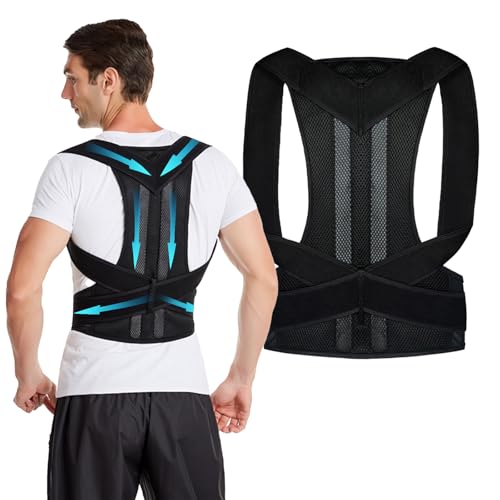
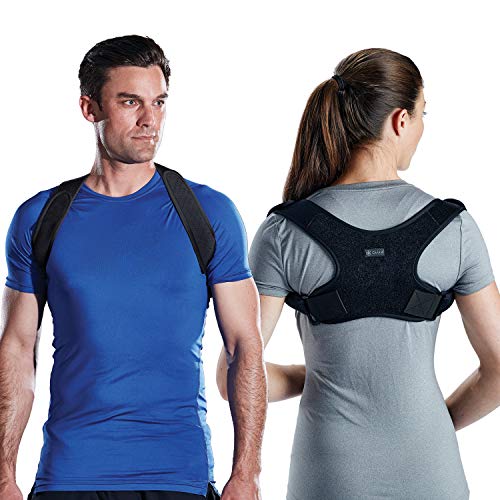
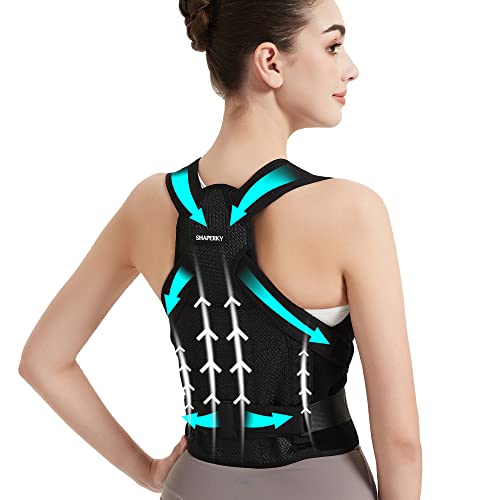
Posture Correctors are light upper-body supports designed to help you maintain comfortable alignment during training and everyday movement.
Posture Correctors provide gentle guidance that encourages a balanced upper-body position without restricting natural motion. They can feel helpful during longer sessions where you want clothing to sit comfortably or when you prefer a more structured feel around the shoulders. Many people use them during steady routines or light training where consistent positioning feels beneficial.
For guidance on comparing posture correctors by comfort, fit and intended use, see the Posture Correctors Buyers Guide.
- Posture Correctors
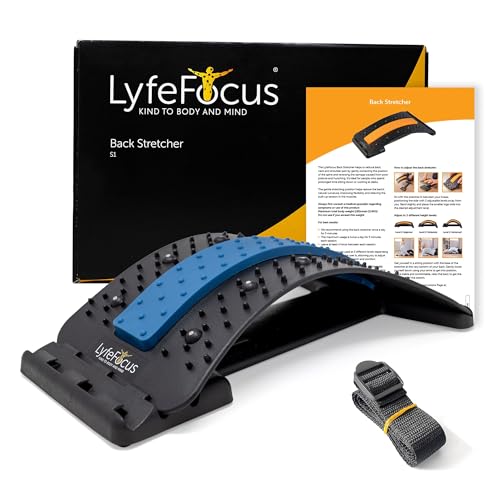
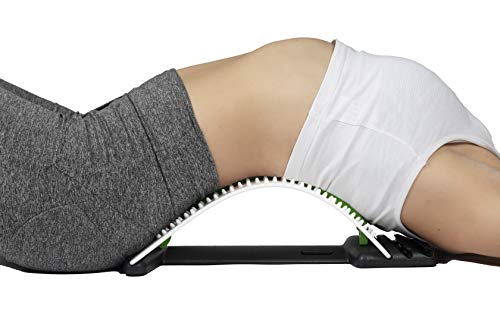
LyfeFocus Back Stretcher & Acupressure Massager for Back & Neck Pain – Comfortable Adjustable Spine Stretcher Posture Corrector – Spine Board Lumbar Support – Magnetic Therapy & Chair Strap (Blue)
Original price was: £21.98.£17.98Current price is: £17.98. *View On Amazon* - Posture Correctors
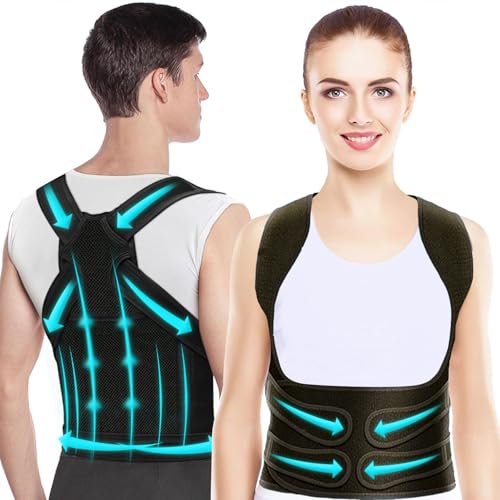
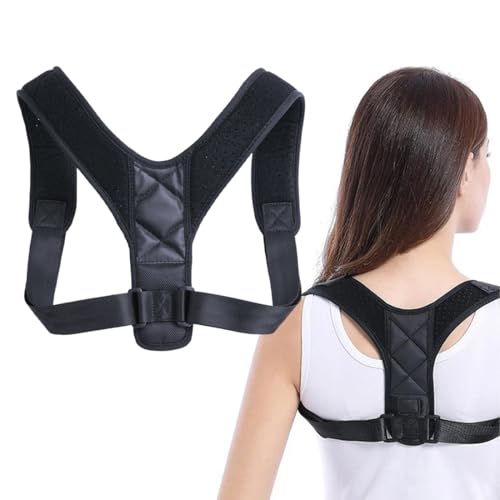
TOROS-GROUP Posture Corrector Brace – Back/Shoulder Support X-Small Beige
£11.82 *View On Amazon* - Posture Correctors
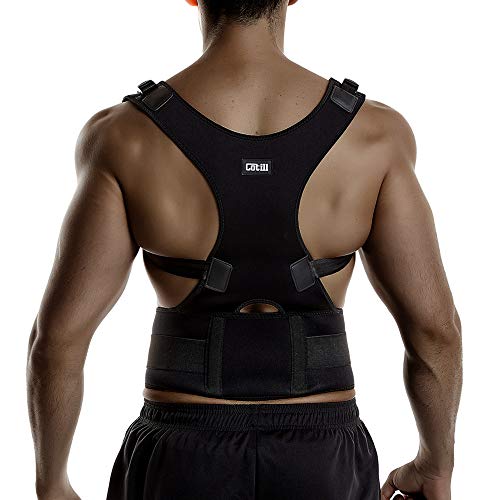
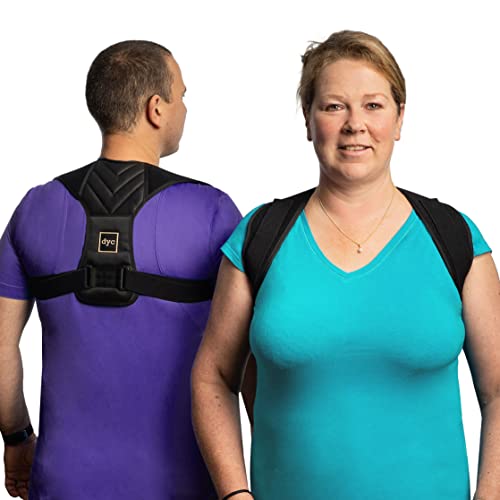
Do you care? PLUS SIZE Posture Corrector HEAVY DUTY Back Support for Larger Men & Women
£24.99 *View On Amazon* - Posture Correctors
Xemz Adjustable Neck Support, Neck Brace Cervical Collar, Portable Neck Traction Device Neck Stretcher Forward Head Neck Posture Corrector for Women and Men Cervical Spine Pressure Relief (Blue)
Original price was: £13.49.£12.99Current price is: £12.99. *View On Amazon* - Posture Correctors
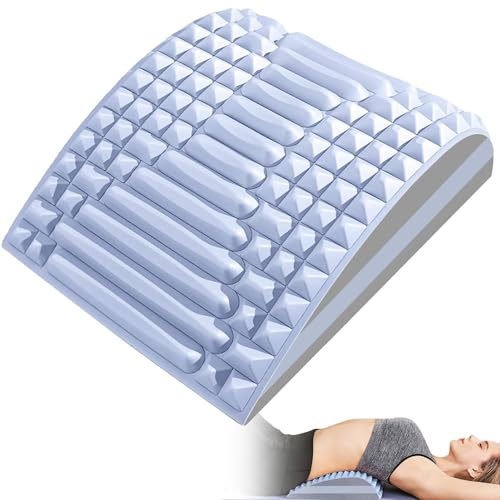
Bodi-Tek The Original BackMagic Back Stretcher (Black, N/A)
£52.12 *View On Amazon* - Posture Correctors
Pro11 wellbeing posture corrector back pain relief with padded strip and instructions
Original price was: £14.99.£12.74Current price is: £12.74. *View On Amazon*












What This Category Includes
This category includes adjustable straps, lightweight harnesses and soft upper-body supports designed to provide general alignment guidance. They vary in structure, flexibility and coverage, with some pieces offering a firmer feel and others focusing on minimal, low-profile support. Specifications vary — see individual product listings for details.
Key Functional Roles
Posture Correctors offer gentle alignment assistance by helping your shoulders and upper torso maintain a comfortable position. They support training routines where repeated upper-body movement benefits from steady contact, and they can help clothing remain settled during extended sessions. Their designs aim to provide stability without limiting arm or shoulder movement.
Typical Use Scenarios
You might choose a posture corrector for steady indoor workouts, warm-up phases, mobility routines or long periods of seated activity. Some people use them during low-intensity strength sessions to maintain a consistent upper-body feel. Others wear them casually at home or during light daily movement where gentle support is preferred.
Buyer Considerations
Think about the level of firmness you prefer and how much coverage feels comfortable. Adjustable straps can help fine-tune the fit, while lighter designs may suit warmer conditions or longer sessions. Fit should feel snug but not restrictive, and choosing materials that remain comfortable against the skin often improves long-term wear.
Safety, Suitability & Best Practices
Choose supports that allow free arm and shoulder movement. They should feel comfortable during warm-up movements such as rotations or stretches. These items provide general alignment assistance only and do not replace professional advice, corrective training or technique coaching. Following the care instructions helps maintain the shape and comfort of the support over time.
Category Boundaries
Posture Correctors include light, non-medical alignment supports only. Impact-protection items belong in Shin Guards. Tight-fitting tops or leggings belong in Compression Clothing, while jackets, hoodies and general training clothing belong in Men’s or Women’s Activewear. Equipment such as weights or machines belongs in Exercise Equipment.
FAQs
**When are posture correctors useful in training?**
Many people use them during steady sessions or routines where they want a consistent upper-body feel. Trying them during warm-ups helps you understand how they move with your body.
Should a posture corrector feel tight?
It should feel secure but never restrictive. A good fit allows comfortable arm and shoulder movement without slipping or creating pressure.
Can posture correctors be worn outdoors?
Yes. Many designs work well under or over training clothing outdoors. Breathable materials often feel more comfortable in warmer conditions.
Do posture correctors replace technique coaching?
No. They offer general alignment guidance only and should not be used as a substitute for instruction or tailored movement training.
Practical Insights & Real-World Context
Many people keep a posture corrector for sessions that involve slow, repetitive movement or long periods in one position. Trying the support during warm-up exercises—like gentle shoulder rotations or light mobility drills—helps you decide whether it feels stable and comfortable. Over time, selecting a design that follows your movement style can contribute to a more predictable training routine.
How This Category Fits Into Your Gear and Equipment
Within the wider Protective Gear and Supports category, Posture Correctors offer light, alignment-focused guidance alongside other stability-oriented accessories.
 Getting ready for Summer? View our Home and Garden Products

Heading outdoors this winter? Take a look at our Outdoor Clothing.