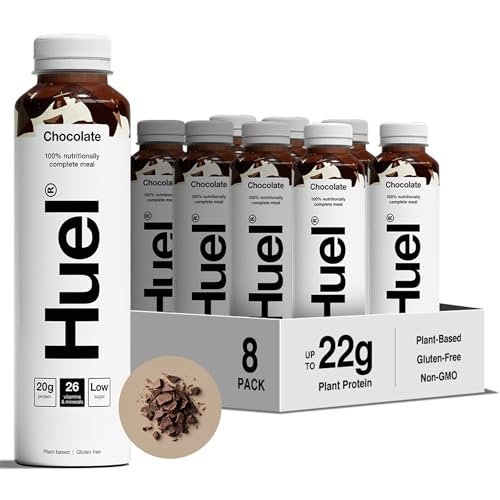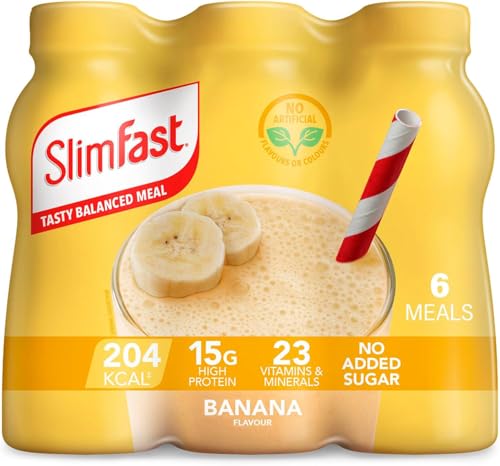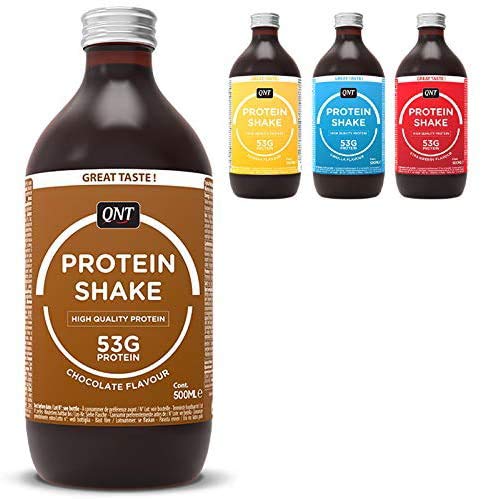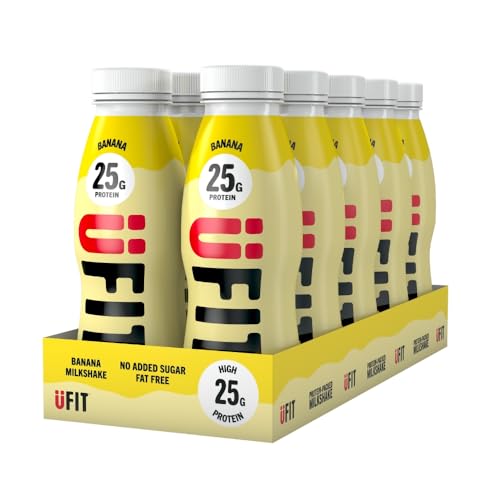
Ready to Drink Protein Shakes
Ready to drink protein shakes are pre mixed drinks designed to provide a convenient source of protein without needing powder, a shaker or preparation time. They are useful for gym users, walkers, commuters, students, busy workers, travellers and anyone who wants a simple protein drink that can be carried, chilled and consumed when suitable.
The right ready to drink protein shake should match your taste, dietary needs, activity level and daily routine. When comparing options, look at protein amount where listed, calories, sugar content, flavour, ingredients, allergens, serving size, storage guidance, packaging, dietary suitability where listed and whether the drink is intended for after exercise, between meals, travel or general daily use.
For help comparing different ready to drink protein shake options, see our Ready to Drink Protein Shakes Buyers Guide.
What Are Ready To Drink Protein Shakes
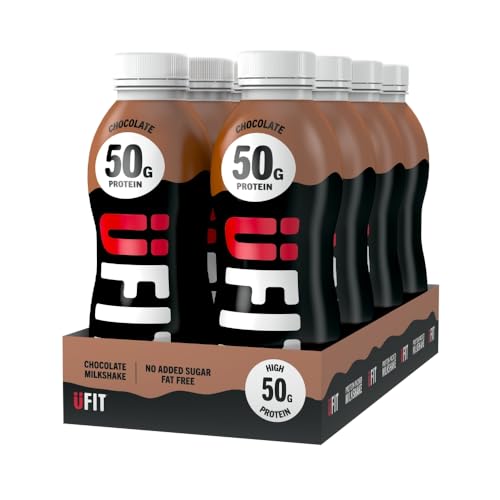
Ready to drink protein shakes are protein drinks supplied already mixed in bottles, cartons, cans or other sealed packaging. Unlike protein powder, they do not need to be mixed with water or milk before use.
Depending on the product, ready to drink protein shakes may use milk protein, whey protein, plant based protein, soya protein, pea protein or other protein sources where listed. They may also include sweeteners, flavourings, vitamins, minerals, fibre or added ingredients depending on the specific drink.
Not every protein shake is designed for the same purpose. Some are higher in protein, some are lower in calories, some are more dessert like, and some are aimed at sports, recovery, lifestyle or general convenience where the product details support that use.
What Ready To Drink Protein Shakes Are Used For
Ready to drink protein shakes are used as convenient protein drinks during busy days, after training, between meals, while travelling, at work, after walking or sport, or when preparing food is not practical.
They can be useful for people who want a quick option after the gym or a portable drink for a bag, desk or car where storage guidance allows. They can also suit people who dislike mixing powders or cleaning shakers.
Protein shakes should be chosen as part of a balanced diet rather than treated as a replacement for proper meals unless the product is clearly designed and labelled for that purpose. Always check the product information and ingredients before use.
How To Choose The Right Ready To Drink Protein Shake
Start with why you want the shake. If it is for after exercise, compare protein content, serving size and how it fits into your overall food intake. If it is for work or travel, packaging, storage and convenience may matter more.
Next, check the ingredients and allergens. Many protein shakes contain milk, soya, nuts, sweeteners or other ingredients depending on the product. Always read the product listing and packaging carefully, especially if buying for someone with allergies or dietary requirements.
Flavour matters too. Protein shakes are easier to use regularly when the flavour and texture suit your taste. Chocolate, vanilla, strawberry, coffee, caramel and other flavours may be available depending on the products listed.
Also consider calories, sugar and sweeteners. A shake that suits one person’s training routine may not suit another person’s diet or preferences. Compare the nutrition panel where listed before buying.
Key Features To Compare
Protein content is one of the first features to compare. Products may list protein per bottle, per serving or per 100 ml, so check the format carefully.
Protein source matters. Whey, milk, soya, pea and other protein sources can suit different dietary needs and taste preferences where listed.
Calories can vary widely. Some shakes are designed to be lighter, while others may be more filling. Choose based on how the drink fits into your normal meals and snacks.
Sugar content and sweeteners are worth reviewing. Some buyers prefer lower sugar drinks, while others focus more on flavour or texture. Check the nutrition information where listed.
Serving size affects convenience. A larger bottle may feel more filling, while a smaller bottle may be easier to carry.
Storage guidance is important. Some drinks may need chilling, while others may be shelf stable until opened where listed. Always follow the product packaging.
Packaging style can affect use. Bottles may be resealable where listed, while cartons or cans may be better consumed in one sitting.
Ready To Drink Protein Shakes Compared With Protein Powder
Ready to drink protein shakes are convenient because they are already mixed. They are useful when you do not want to carry powder, water, milk or a shaker.
Protein powder can be more flexible because you can adjust serving size, mix it with different liquids and use it in recipes where suitable. It may also take up less space at home if used regularly.
The trade off is convenience versus control. Ready to drink shakes are quick and portable, while protein powder gives more control over mixing, portion size and flavour combinations.
Protein Shakes Compared With Protein Bars
Protein shakes are drinks, so they may feel easier to consume after exercise, while travelling or when you want something quick. They can also be useful when you do not feel like eating a solid snack.
Protein bars are solid snacks and may feel more filling for some people. They can be easier to store in bags, but texture, ingredients and sweetness vary widely.
The better choice depends on appetite, routine and preference. Some people use shakes after training and bars for travel or work bags. Always compare nutrition, allergens and storage guidance before choosing.
Protein Shakes Compared With Meal Replacement Drinks
Protein shakes are usually focused on providing protein. They may not be designed to replace a full meal unless the product clearly states this.
Meal replacement drinks are generally formulated to provide a broader nutritional profile where listed, and may have different ingredient, calorie and vitamin information.
The distinction matters. Do not assume a protein shake is a complete meal replacement. If you need a drink for a specific diet plan, medical need or weight management goal, check the product information carefully and seek professional advice where appropriate.
Guidance For Beginners, Regular Users And Active Buyers
Beginners should start by checking ingredients, allergens, flavour and serving size. A ready to drink shake should be easy to understand and fit naturally into the day.
Regular users may want to compare protein source, calories, sugar, storage convenience and multipack value where listed. If shakes are used several times a week, taste and digestion comfort can matter as much as the protein number.
Active buyers may look more closely at how the shake fits around training, meals and recovery routines. Protein intake is only one part of nutrition, so the full diet still matters.
Travellers, students and workers may prioritise portability, packaging, shelf life where listed and whether the drink can be stored safely until needed.
Use Cases By Activity And Lifestyle
For gym users, ready to drink protein shakes can be a quick option after training where they fit the person’s diet and routine.
For walking, hiking or outdoor activities, they may be useful before or after activity, although storage temperature and packaging should be considered carefully.
For work and commuting, a sealed protein shake can be convenient when time is short or food options are limited.
For students, ready to drink shakes may be useful between lectures, after sport or during busy study days where suitable.
For travel, check whether the packaging, storage requirements and liquid restrictions suit the journey.
For everyday snacking, compare calories, sugar and ingredients so the shake fits your wider food habits.
Ingredients, Allergens And Dietary Suitability
Ingredients should always be checked before buying or drinking ready to drink protein shakes. Recipes vary widely, even between similar flavours.
Common allergens may include milk, soya, nuts, peanuts or gluten depending on the product and manufacturing process. Always check the product listing and packaging, especially if buying for a group, family member or person with allergies.
Dietary suitability should not be assumed. Vegan, vegetarian, lactose free, gluten free or low sugar claims should only be relied on where clearly listed.
If you are pregnant, have a medical condition, follow a restricted diet or are unsure whether a product is suitable for you, seek advice from a qualified professional before use.
Taste, Texture And Flavour Choice
Taste and texture can make a big difference with protein shakes. Some drinks may feel smooth and milkshake like, while others may be lighter, thicker or more functional depending on the product.
Flavour choice is personal. Chocolate and vanilla can feel familiar, while fruit, coffee or dessert inspired flavours may suit people who want more variety.
If you are new to ready to drink protein shakes, consider trying smaller quantities before buying larger packs where available. This helps avoid being left with a flavour or texture you do not enjoy.
Check whether the shake is best served chilled where listed. Some protein drinks taste better cold, but storage and serving guidance should always be followed.
Storage, Use By Dates And Food Safety
Storage guidance should always be followed. Some ready to drink protein shakes may be shelf stable until opened, while others may need refrigeration. Do not guess, and always check the product packaging.
Look at best before or use by dates before drinking. Do not consume products from damaged, leaking, swollen or unsealed packaging.
Once opened, follow the product guidance for refrigeration and consumption time where listed. If a drink smells unusual, tastes wrong or has changed texture unexpectedly, do not consume it.
For bags, cars and outdoor trips, consider temperature. Leaving drinks in hot cars, direct sun or damp storage may affect quality and safety.
Packaging, Portability And Everyday Convenience
Ready to drink protein shakes are popular because they are easy to carry and use. Bottles, cartons and cans all have different advantages depending on the situation.
Resealable bottles where listed can be useful if you do not want to drink the whole serving at once. Cartons and cans may be lighter or simpler, but they may need to be finished once opened.
For gym bags and backpacks, check that the packaging is strong enough for travel and keep it away from items that could puncture or crush it.
For work or study, storing shakes neatly in a desk, fridge or bag where suitable can make them easier to use as part of a regular routine.
Responsible Use And Nutrition Considerations
Ready to drink protein shakes can be convenient, but they should be used sensibly. More protein is not automatically better for every person, and daily needs vary by body size, activity level and diet.
Protein shakes should not replace a balanced diet unless the product is specifically designed for that purpose and used appropriately. Whole foods, hydration, sleep and overall nutrition still matter.
Check nutrition information if you are managing calorie intake, sugar intake, allergies or specific dietary goals. A shake that suits one person may not suit another.
If buying for teenagers, older adults or someone with health concerns, check suitability carefully and seek professional advice where needed.
Care, Disposal And Outdoor Etiquette
Dispose of bottles, cartons and cans responsibly. Use recycling facilities where available and follow local guidance.
If taking ready to drink protein shakes camping, hiking or to outdoor events, pack out empty packaging and do not leave waste behind.
Keep opened drinks sealed or stored safely where the packaging allows. Avoid spills in bags, tents and cars by checking lids and packaging before packing.
For group activities, keep allergen containing drinks clearly identified and avoid sharing bottles or cartons where hygiene or allergies are a concern.
Useful Accessories To Consider
Useful accessories may include protein bars, nuts and trail mix, water bottles, gym bags, cool bags, lunch boxes, reusable snack containers and camping food storage.
For gym routines, a water bottle, towel and sports bag can be useful alongside protein shakes. For travel or outdoor use, a cool bag may help where chilling is needed and suitable.
If buying ready to drink protein shakes as part of a wider food shop, consider how they fit with meals, snacks, training plans and storage space.
Why Buy From YPC
At YPC, we understand active lifestyles and the need for practical products that work in real use. Ready to drink protein shakes should be easy to compare by protein content where listed, flavour, ingredients, allergens, serving size, storage guidance and suitability for training, travel or everyday convenience.
This category is designed to help buyers choose practical protein drinks for busy days, gym routines, outdoor activities, work bags and travel. Browse the ready to drink protein shakes at YPC and compare the available options to find suitable drinks for your routine.
FAQs
What are ready to drink protein shakes?
Ready to drink protein shakes are pre mixed protein drinks supplied in sealed bottles, cartons, cans or similar packaging. They do not need powder, milk, water or a shaker before use.
What are ready to drink protein shakes used for?
They are used as convenient protein drinks for gym routines, work, travel, outdoor activities, study days and busy schedules where the product suits the person’s diet and needs.
Are ready to drink protein shakes the same as protein powder?
No. Ready to drink shakes are already mixed and packaged, while protein powder needs to be mixed before use. Powder offers more control, while ready to drink shakes are more convenient.
Do protein shakes replace meals?
Not usually, unless the product is clearly designed and labelled as a meal replacement. Most protein shakes are protein drinks and should be used as part of a balanced diet.
What should I check before buying protein shakes?
Check protein amount, ingredients, allergens, calories, sugar, flavour, serving size, storage guidance and dietary suitability where listed.
Do ready to drink protein shakes need to be refrigerated?
Some may need refrigeration, while others may be shelf stable until opened where listed. Always follow the storage instructions on the product packaging.
Are ready to drink protein shakes suitable for vegetarians or vegans?
Some may be suitable where listed, but many contain milk or other animal derived ingredients. Check the product details carefully before buying.
Can I take ready to drink protein shakes camping or travelling?
They can be useful for travel or outdoor trips where storage guidance allows. Check whether the product needs chilling, protect packaging from damage and dispose of empty containers responsibly.
Getting ready for Summer? View our Home and Garden Products
Heading outdoors this winter? Take a look at our Outdoor Clothing.