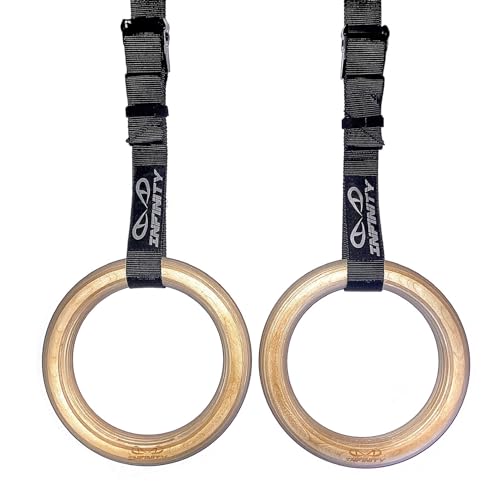
Gymnastic Rings
Gymnastic Rings are training tools used for bodyweight exercise, strength work, mobility practice and functional fitness. Whether you are building a home gym, adding variety to calisthenics, training pull ups, dips, rows or core movements, the right rings should feel secure, comfortable and suitable for your training space.
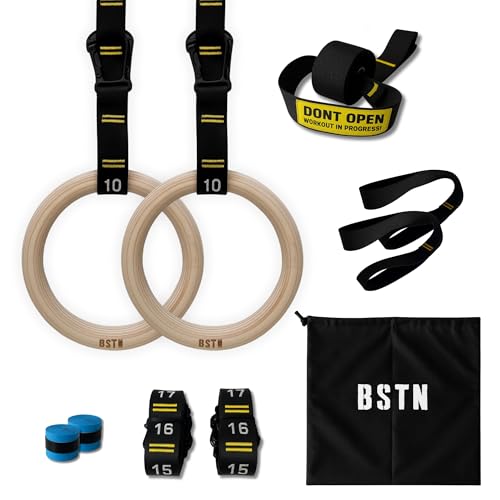
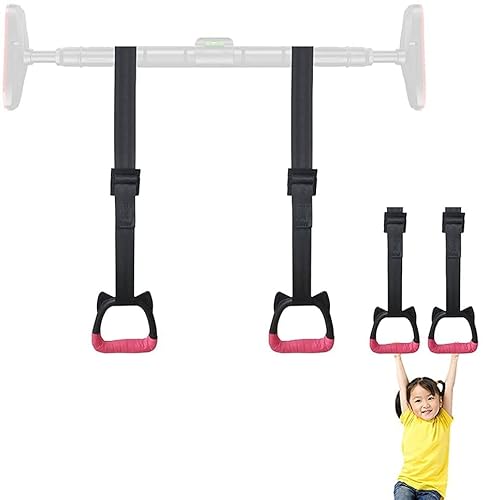
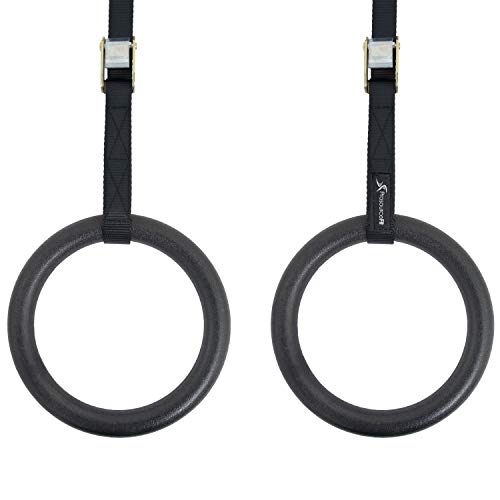
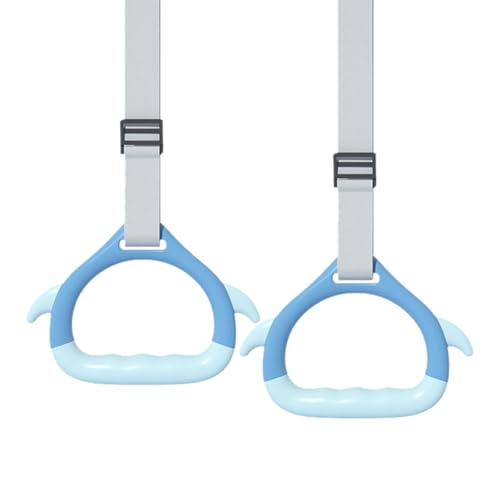
This category includes gymnastic rings and related ring training products for different users, setups and experience levels. Depending on the product, you may find wooden rings, plastic rings, metal rings, adjustable straps, numbered straps, door frame compatible options, outdoor suitable rings and complete ring training sets where listed.
For help comparing gymnastic ring materials, strap systems and mounting suitability across different training environments, see our Gymnastic Rings Buyers Guide.
What Are Gymnastic Rings?
Gymnastic rings are circular handles suspended from straps or mounts. They are used for bodyweight exercises where the user grips the rings and controls their own movement against gravity.
Unlike fixed bars, rings move independently. This makes exercises feel more demanding because the body has to stabilise through the shoulders, arms, chest, back and core. The same movement can feel very different on rings compared with a fixed bar.
Gymnastic rings can be used for simple beginner exercises or more advanced strength skills depending on the user, setup and training experience.
What Gymnastic Rings Are Used For
Gymnastic rings can be used for ring rows, assisted pull ups, dips, push ups, core exercises, support holds, mobility drills and calisthenics progressions. More experienced users may use them for advanced skills where suitable.
They are popular for home gyms, garage gyms, outdoor training, CrossFit style workouts, calisthenics routines and general strength training. Rings can also be useful for people who want a compact training tool that can be packed away between sessions.
Because the rings move, they can help make bodyweight exercises feel more adjustable and natural for some users, but they also require care, control and correct setup.
How To Choose The Right Gymnastic Rings
Start with where you will use them. Rings may be hung from a pull up bar, ceiling mount, beam, rig, tree branch or other suitable anchor point where compatible. The anchor must be strong enough and suitable for the intended use.
Next, think about material. Wooden rings are often chosen for grip feel, while plastic or metal options may be preferred for certain environments or cleaning routines depending on the product.
Finally, check the straps. Strap length, buckle design, adjustment markings and ease of setup can all affect how practical the rings are for different exercises. Always check product details carefully before buying.
Key Features To Compare
Ring material is one of the first features to compare. Wood, plastic and metal can all feel different in the hand. Grip, texture, weight and care needs may vary by product.
Strap quality and adjustment are also important. Adjustable straps allow you to change ring height for different exercises, such as rows, dips, push ups and support holds. Numbered markings may make matching strap height easier where listed.
Grip comfort matters during longer sessions. Ring thickness, surface texture and hand feel can affect comfort, especially for pulling and support exercises.
Mounting compatibility should be checked carefully. The rings and straps must work with your training area and anchor point where suitable.
Weight rating, included accessories, storage bag, strap length, buckle design and outdoor suitability may also be worth comparing where listed.
Gymnastic Rings Compared With Pull Up Bars
Pull up bars are fixed, stable and commonly used for pull ups, chin ups and hanging exercises. They can be easier to start with because the bar does not move independently.
Gymnastic rings add instability, which makes many exercises more challenging. They can also be adjusted for different heights and angles, giving more exercise variety.
The trade off is control. A pull up bar may feel simpler and steadier, while rings offer more flexibility but require better technique and setup awareness.
Gymnastic Rings Compared With Suspension Trainers
Suspension trainers use handles and straps for bodyweight exercises, often with a focus on adjustable resistance and general fitness routines.
Gymnastic rings are usually more closely linked with calisthenics, gymnastics style strength and ring based skills. They can be used for many similar exercises, but the ring shape and grip feel are different.
The best choice depends on your training style. Suspension trainers may feel more approachable for general fitness, while gymnastic rings may suit users who want strength, control and bodyweight progression.
Gymnastic Rings Compared With Parallettes
Parallettes are low bars used on the floor for push ups, dips, handstand drills, core work and bodyweight strength exercises. They are stable and do not need overhead mounting.
Gymnastic rings are suspended and adjustable, giving more exercise variety but needing a secure anchor point. They also add instability, which can make exercises harder.
If you want simple floor based training, parallettes may be more convenient. If you want hanging, pulling and adjustable bodyweight training, rings may be more suitable.
Beginner Regular User And Experienced User Guidance
Beginners should focus on simple exercises, secure setup and controlled movement. Ring rows, assisted holds and incline push ups can be more manageable starting points than advanced ring skills.
Regular users may want to compare strap adjustment, grip comfort, ring material and how quickly the rings can be set up and packed away. Consistency and ease of use matter when training often.
Experienced users often look more closely at ring feel, strap length, buckle security, anchor height, chalk compatibility where suitable and how the rings support advanced progressions.
Use Cases By Training Style
For home gyms, gymnastic rings can add a wide range of bodyweight exercises without needing large machines. They can be hung and stored away where the space allows.
For calisthenics, rings can support pulling, pushing, core strength, holds and progression based training.
For functional fitness, rings can be used in circuits, strength sessions and conditioning workouts where suitable.
For outdoor training, check whether the materials, straps and anchor point are suitable for outdoor use where listed.
For mobility and control work, rings can support assisted movement, shoulder control and adjustable body positions depending on the exercise.
Fit Setup And Compatibility
Gymnastic rings must be compatible with the place you plan to use them. Check strap length, mounting method and the available height before buying.
A higher anchor point gives more room for hanging and pulling exercises, while a lower setup may suit rows, push ups and support progressions. The rings should hang evenly and have enough space around them for safe movement.
If using a pull up bar, beam, rig or branch, make sure it is suitable for ring training. The anchor point must be secure, stable and appropriate for bodyweight exercise.
Always follow the product instructions and avoid attaching rings to weak, unstable or unsuitable structures.
Safety And Training Considerations
Safety is especially important with gymnastic rings. The rings, straps, buckles and anchor point must all be suitable for the user and exercise.
Check the setup before every session. Look for frayed straps, damaged buckles, cracked rings, slipping anchor points or uneven hanging. Do not use the rings if anything looks damaged or unsafe.
Start with controlled movements and build gradually. Ring exercises can be harder than they look because the rings move independently. Poor control may place extra strain on shoulders, wrists or elbows.
Use a clear training area with enough space around you. Avoid setting up rings above hard objects, furniture, sharp edges or anything that could cause injury if you lose balance.
Grip Comfort And Hand Care
Grip comfort matters when using gymnastic rings. Some users prefer the natural feel of wood, while others may prefer other materials depending on the product and training style.
Hands may need time to adapt to ring training. If you experience rubbing or discomfort, reduce volume, check grip position and consider whether gloves or chalk are suitable where appropriate.
Keep the rings clean and dry where possible. Damp or dirty rings may feel slippery or less pleasant to grip.
If using chalk, check whether it is suitable for the ring material and training area. Some home gyms, shared spaces or outdoor areas may have rules or cleaning needs.
Care Cleaning And Maintenance
Always follow the care instructions supplied with the product. Different ring materials and strap types may need different cleaning and storage care.
Inspect rings and straps regularly. Look for cracks, worn surfaces, loose stitching, fraying, bent buckles or any change in how the rings hang.
After outdoor use, let straps and rings dry fully before storing where suitable. Avoid leaving equipment exposed to unnecessary rain, strong sun, damp or dirt unless the product is clearly designed for those conditions.
Store rings neatly to prevent straps becoming tangled, twisted or damaged.
Storage And Training Space
Gymnastic rings are useful because they can often be removed and stored after training. This makes them practical for home gyms, garages and smaller spaces where permanent equipment may not be ideal.
Keep rings, straps and accessories together so they are easy to set up next time. A storage bag, hook or dedicated gym box can help.
When training indoors, check ceiling height, door clearance, floor space and nearby furniture. When training outdoors, check ground conditions, anchor height and surrounding space.
A tidy setup makes training safer and easier to repeat.
Useful Accessories To Consider
Useful accessories for gymnastic rings may include pull up bars, ceiling mounts where suitable, resistance bands, chalk, gym mats, gloves, storage bags, timers and bodyweight training guides.
Resistance bands can help with assisted exercises where suitable. A mat may be useful for comfort during floor based movements or as a safer surface underneath the rings.
For a wider home gym setup, rings can work well alongside kettlebells, dumbbells, parallettes, resistance bands and exercise mats.
Why Buy From YPC?
At YPC, we understand active lifestyles and the need for practical products that work in real use. Gymnastic rings should be chosen for grip comfort, strap adjustment, compatibility, safety and the way they will actually be used.
YPC brings together a wide range of sports, fitness and activity products so you can compare available gymnastic rings by material, strap style, setup needs and practical suitability. Browse the Gymnastic Rings category to compare the range and choose the right option for bodyweight training, home gyms, calisthenics or functional fitness.
FAQs
What are gymnastic rings used for?
Gymnastic rings are used for bodyweight exercises such as rows, dips, push ups, pull ups, support holds, core work and calisthenics progressions where suitable.
Are gymnastic rings good for beginners?
Gymnastic rings can be suitable for beginners if used carefully with simple exercises and a secure setup. Start with controlled movements such as ring rows or assisted holds before progressing.
What should I check before buying gymnastic rings?
Check ring material, strap length, buckle design, weight rating where listed, included accessories, grip comfort and compatibility with your intended anchor point.
Can gymnastic rings be used at home?
Yes, gymnastic rings can be used at home where there is a suitable secure anchor point and enough space for safe movement. Always follow setup instructions carefully.
Are wooden or plastic gymnastic rings better?
Wooden rings are often chosen for hand feel and grip, while plastic or other materials may suit different care needs or environments depending on the product. The best choice depends on preference and use.
Where can I hang gymnastic rings?
Gymnastic rings may be hung from a suitable pull up bar, beam, ceiling mount, rig or other strong anchor point where compatible. Never attach them to weak or unsuitable structures.
Do gymnastic rings need much storage space?
Gymnastic rings are usually compact and can often be stored in a bag, drawer or gym box when not in use. Straps should be kept untangled and dry.
How do I look after gymnastic rings?
Inspect rings, straps and buckles regularly, clean them according to the product guidance and store them dry. Do not use the rings if any part appears damaged, frayed or unsafe.
Getting ready for Summer? View our Home and Garden Products
Heading outdoors this winter? Take a look at our Outdoor Clothing.