
Plyometric Boxes
Plyometric Boxes are elevated platforms designed to support controlled step-up movements and height-based indoor functional training routines.
They vary in height, construction, shape and material, making it easy to choose a platform suited to the available space and preferred training style.
- Plyometric Boxes
VEVOR Plyometric Jump Box, 18 Inch Plyo Box, Steel Plyometric Platform and Jumping Agility Box, Anti-Slip Fitness Exercise Step Up Box for Home Gym Training, Conditioning Strength Training, Black
Original price was: £37.99.£27.59Current price is: £27.59. *View On Amazon* - Plyometric Boxes
Amazon Basics Plyometric Jump Box, Plyo Box Jumps for Home Gym, 24"x20"x16"
£88.60 *View On Amazon*






What This Category Includes
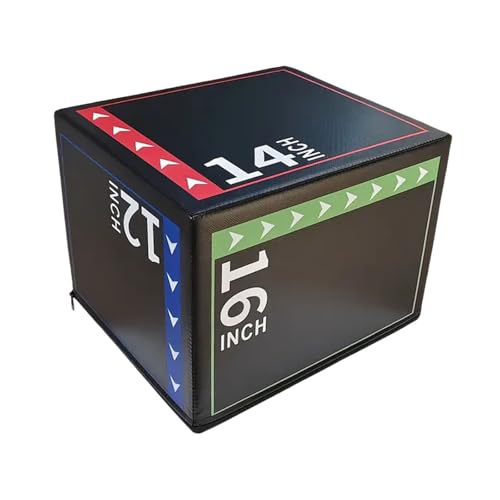
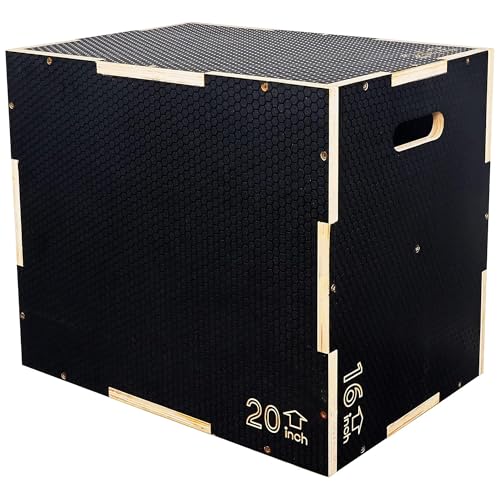
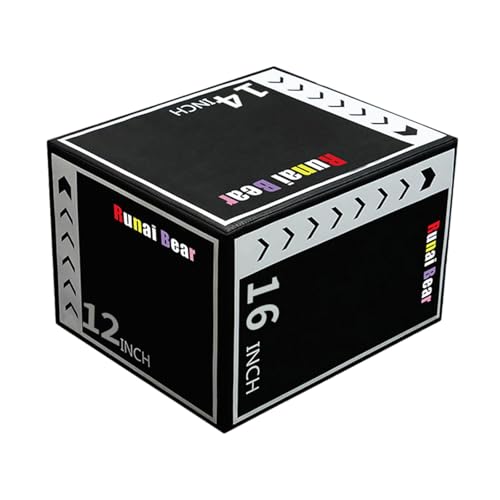
This category includes wooden plyo boxes, soft foam plyo boxes, stackable box systems and multi-height designs. Products vary in size, weight, surface texture, construction style and listed height options. Specifications vary — see individual product listings for details.
Key Functional Roles
Plyometric boxes provide stable platforms for controlled elevation changes, step-up routines and height-focused movements. Their varied materials and shapes allow different indoor training environments to use them effectively.
Typical Use Scenarios
These boxes appear in home gyms, garage conversion spaces, PT studios and functional training rooms. Soft boxes are often chosen where quieter landings or cushioned surfaces are desired, while wooden or stackable models suit structured training layouts.
Buyer Considerations
Consider box height, material, footprint, weight, surface texture and room dimensions. Stackable or multi-height systems offer flexibility for varied routines, while single-height boxes may suit simpler setups. Review product specifications to ensure the box fits your designated space.
Safety, Suitability & Best Practices
Use plyometric boxes according to manufacturer guidance. Ensure the box is placed on a stable, level surface and that the surrounding area is clear. Follow care instructions to maintain the box’s material and surface integrity.
Category Boundaries
Plyometric Boxes differ from Agility Ladders and Cones, which provide ground-level movement markers. They also differ from Medicine and Slam Balls and from Weighted Vests, which provide handheld or wearable load. Battle Ropes create dynamic rope movement patterns rather than height-based work.
FAQs
**Do plyometric boxes come in different heights?**
Yes. Many models offer single or multiple height options, while some can be rotated or stacked to change elevation.
What materials are available?
Common options include wood, foam and composite materials. Specifications vary between products.
Are soft plyo boxes suitable for indoor spaces?
Soft boxes can offer quieter contact surfaces and are often used in indoor studios or home gyms.
How much space do I need for a plyometric box?
Consider the box’s footprint and ensure there is clear space around it according to the listed dimensions.
Can a single-height box still be versatile?
Yes. Many people use single-height boxes for consistent elevation within structured routines.
Practical Insights & Real-World Context
People often choose soft plyo boxes for shared or noise-sensitive spaces, while solid boxes suit more industrial-style gym rooms. Stackable systems provide flexibility when different elevation levels are needed without buying multiple standalone units.
How This Category Fits Into Your Gear and Equipment
Within the wider Functional and Cross Training Gear category, Plyometric Boxes provide the elevated platforms that complement agility tools, resistance bands and weighted accessories in versatile indoor training setups.
 Getting ready for Summer? View our Home and Garden Products

Heading outdoors this winter? Take a look at our Outdoor Clothing.