Foam Rollers
Foam rollers are fitness and mobility accessories designed to support stretching, self massage style routines and general muscle comfort before or after activity. They are used by gym users, runners, walkers, cyclists, sports players, yoga users and home workout beginners who want a simple tool for movement, warm ups and recovery focused routines.
The right foam roller depends on how you plan to use it, how firm you want it to feel and which areas of the body you want to target. Size, texture, density, shape, portability and comfort level are all worth comparing before choosing.
What Are Foam Rollers?
Foam rollers are cylindrical fitness accessories usually made from foam or foam covered materials. They are designed to be rolled under or against parts of the body to apply pressure to muscles and soft tissue areas where suitable.
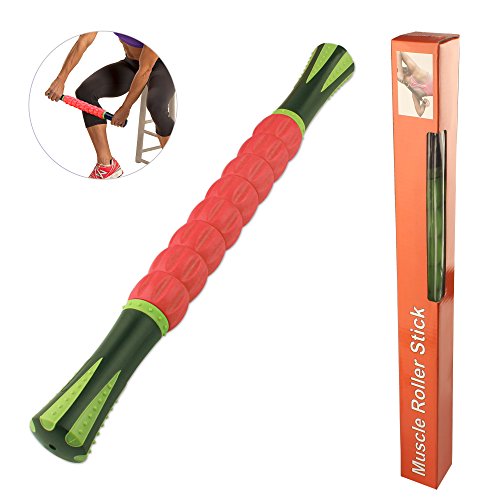
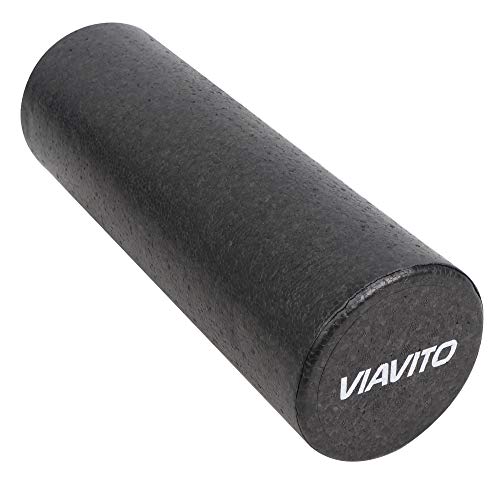
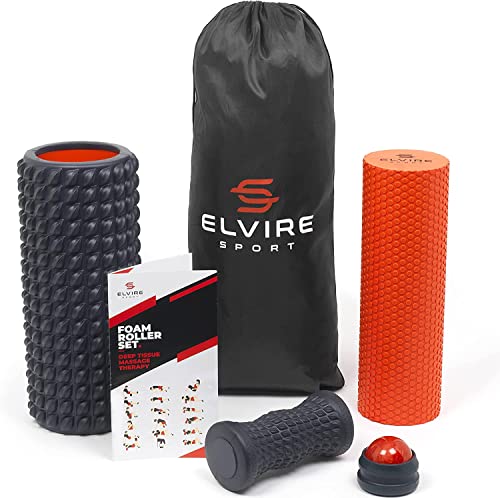
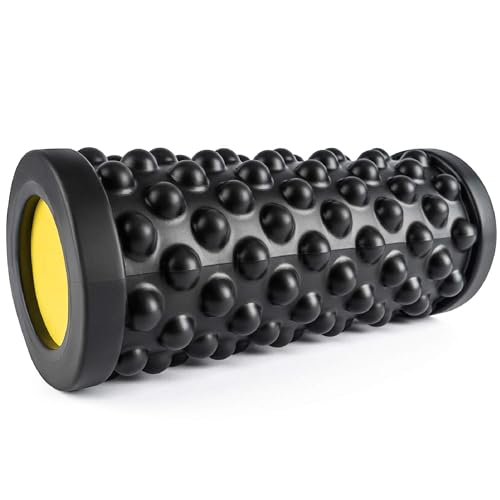
Products in this category may include smooth foam rollers, textured foam rollers, firm rollers, softer rollers, compact travel rollers, half rollers, massage rollers and longer exercise rollers, depending on the products listed.
Some foam rollers are made for gentle stretching and general mobility work, while others feel firmer and more intense. Because designs vary, it is important to compare each product carefully before buying.
What Are Foam Rollers Used For?
Foam rollers are used for warm ups, cool downs, stretching, mobility routines, self massage style pressure work, Pilates, yoga, home fitness and gym training where suitable. They can help users work on areas such as calves, thighs, glutes, back and shoulders, depending on comfort, technique and product shape.
For active people, foam rollers can be a useful addition to a wider fitness routine. They may help make stretching sessions feel more structured and can support general movement habits between workouts.
For beginners, a foam roller can offer a simple way to start mobility work at home. For regular exercisers, it can become part of a warm up, recovery or flexibility routine.
How To Choose The Right Foam Roller
Start by thinking about your experience level. If you are new to foam rolling, a softer or medium density roller may feel more comfortable. A very firm or heavily textured roller can feel intense and may not suit every beginner.
Next, consider the area you want to use it on. A longer foam roller can be useful for larger areas and floor based exercises, while a shorter roller may be easier to store, carry or use on specific muscle groups.
Texture is another important factor. Smooth rollers usually give a more even pressure, while textured rollers may create a stronger massage style feel where listed. The right choice depends on comfort and personal preference.
Also think about where you will use it. A compact foam roller may suit travel, gym bags or small homes. A larger roller may be better if you have more space and want a stable option for stretching or Pilates style work.
Key Features To Compare
When comparing foam rollers, look at firmness, size, texture, material, shape, weight, portability, surface feel and care instructions. These details affect how comfortable and practical the roller feels in real use.
Firmness is one of the biggest differences. A softer roller may feel gentler, while a firmer roller may provide stronger pressure. Stronger pressure is not automatically better. The best choice is the one you can use comfortably and consistently.
Length also matters. Longer rollers can support more exercise positions and may be easier to use across the back where suitable. Shorter rollers are easier to pack and store, but may feel less stable for some movements.
Surface texture should be chosen carefully. Raised patterns, ridges or trigger style zones where listed can feel more intense. If you prefer a smoother feel, a plain surface may be more suitable.
Foam Rollers Compared With Massage Balls And Stretching Straps
Foam rollers are different from massage balls, stretching straps and larger recovery tools. A foam roller covers a wider surface area and can be useful for larger muscle groups such as thighs, calves and glutes.
Massage balls are smaller and can target more specific areas, but they may feel more intense and require more control. They can be useful alongside a roller, depending on the routine.
Stretching straps are used to assist stretching positions rather than apply rolling pressure. They are helpful for flexibility work, but they do not provide the same rolling action as a foam roller.
For many users, a foam roller is a practical starting point because it is simple, versatile and easy to include in a home or gym routine.
Guidance For Beginner Regular And Experienced Users
Beginners should choose a foam roller that feels manageable and easy to use. A comfortable smooth roller can be a sensible first option, especially if you are learning basic movements and pressure control.
Regular users may want to compare firmness, surface texture and size more closely. If you foam roll several times a week, comfort and durability become more important.
Experienced users may prefer firmer rollers, textured surfaces or different sizes for different areas of the body. They may also combine foam rollers with mobility exercises, massage balls, stretching bands or warm up routines where suitable.
Whatever your level, foam rolling should feel controlled. It should not cause sharp pain, numbness or unusual discomfort.
Use Cases By Workout Type And Lifestyle
For runners, foam rollers can be useful as part of a stretching or mobility routine for legs and hips where suitable. Calves, thighs and glutes are common focus areas, depending on technique and comfort.
For gym users, a foam roller can support warm ups, cool downs and general post workout routines. It can be kept at home, in a gym bag or near other fitness accessories.
For yoga and Pilates, foam rollers may be used for balance, stretching, support or mobility exercises where suitable. A longer roller may be more practical for some floor based movements.
For home workouts, foam rollers are compact compared with larger fitness equipment. They can be stored in a cupboard, under a bed or beside a mat.
For walking, cycling and outdoor activity, foam rolling may support a broader routine that includes stretching, hydration, rest and sensible training progression.
Fit Compatibility And Practical Setup
A foam roller should suit the space you have available. Most rolling exercises need a clear floor area where you can move safely without hitting furniture, walls or equipment.
Use the roller on a stable surface. A fitness mat may add comfort and help define the exercise area where suitable, but the roller should still move in a controlled way.
Body size, strength and mobility can affect which roller feels suitable. A very firm roller may feel uncomfortable for some users, while a softer roller may not give enough pressure for others. Personal comfort matters.
If you are using a foam roller as part of physiotherapy, rehabilitation or injury management, follow professional advice rather than guessing. Not every movement is suitable for every person.
Safety Technique And Sensible Use
Foam rollers should be used carefully and within your comfort level. Start gently, especially if you are new to rolling or using a firmer product. Applying too much pressure too quickly can feel uncomfortable and may discourage regular use.
Avoid rolling directly over joints, bones, fresh injuries, swelling, bruising or areas of unexplained pain. If you have a medical condition, injury, circulation issue, nerve symptoms or ongoing pain, seek suitable professional advice before using a foam roller.
Foam rolling should not replace proper warm ups, rest, strength work, stretching, good technique or medical guidance where needed. It is one useful tool within a wider active routine.
Stop if you feel sharp pain, tingling, numbness, dizziness or unusual discomfort.
Care Maintenance And Storage
Foam rollers should be kept clean and dry between uses. Wipe the surface according to the product care guidance, especially after sweaty sessions, shared use or floor based exercise.
Let the roller dry fully before storing it. Avoid leaving it in damp areas, direct heat or places where it may be crushed under heavier equipment.
Check the surface regularly for cracks, deep dents, peeling or damage. A damaged foam roller may feel uneven or less comfortable to use.
Store foam rollers where they keep their shape. Longer rollers can be stored upright or laid flat where suitable, while compact rollers can fit into gym bags or storage boxes.
Useful Accessories To Consider
Useful accessories can include exercise mats, resistance bands, stretching straps, massage balls, yoga blocks, towels, water bottles, gym bags and fitness trackers where suitable.
For home training, a foam roller works well alongside a mat and simple mobility accessories. For gym users, a towel, water bottle and compact bag can make sessions easier to manage.
For recovery focused routines, stretching straps, massage balls and gentle mobility tools may be worth comparing. Choose accessories that support your actual routine rather than adding equipment you are unlikely to use.
Why Buy Foam Rollers From YPC?
At YPC, we understand active lifestyles and the need for practical products that work in real use. Foam rollers can vary by firmness, size, texture, shape, material, comfort and intended use, so comparing the details helps you choose with more confidence.
YPC helps you browse fitness accessories with real training needs in mind, whether you are buying for home workouts, gym sessions, stretching, mobility, running, cycling or general active routines. Explore the Foam Rollers category to browse the available options and compare the features that matter most for comfort, movement and practical use.
FAQs
What are foam rollers used for?
Foam rollers are used for stretching, mobility work, warm ups, cool downs and self massage style routines where suitable. They are commonly used by people who exercise, walk, run, cycle or train regularly.
Are foam rollers good for beginners?
Yes, foam rollers can be suitable for beginners when used gently and correctly. A softer or smooth roller may be more comfortable for first time users than a very firm or heavily textured roller.
What firmness foam roller should I choose?
Choose firmness based on comfort and experience. Softer rollers usually feel gentler, while firmer rollers provide stronger pressure. Stronger is not always better, especially if it stops you using the roller regularly.
Are textured foam rollers better than smooth foam rollers?
Textured foam rollers can feel more intense and may suit users who want stronger pressure where suitable. Smooth rollers provide more even pressure and may be better for beginners or anyone who prefers a gentler feel.
What size foam roller do I need?
Longer foam rollers can be useful for larger areas and floor exercises, while shorter rollers are easier to store and carry. The best size depends on your space, routine and the body areas you want to use it on.
Can foam rollers help with muscle pain?
Foam rollers may help some people with general muscle tightness or post workout comfort where suitable, but they should not be used as a replacement for medical advice. Avoid rolling painful, injured or swollen areas unless guided by a professional.
How often should I use a foam roller?
Usage depends on your routine, comfort and activity level. Some people use a foam roller before or after workouts, while others use it occasionally for stretching and mobility. Start gently and avoid overdoing it.
Can I use a foam roller on my back?
Some foam rollers can be used carefully on parts of the back where suitable, but avoid rolling directly on the spine or using painful pressure. If you have back pain or injury concerns, seek professional advice first.
How do I clean a foam roller?
Follow the product care instructions. In many cases, the surface can be wiped clean and left to dry fully before storage. Avoid harsh cleaners unless the product guidance says they are suitable.
When should I replace a foam roller?
Replace a foam roller when it becomes cracked, misshapen, heavily dented, slippery, peeling or uncomfortable to use. Regular users should check the surface and firmness from time to time.
Getting ready for Summer? View our Home and Garden Products
Heading outdoors this winter? Take a look at our Outdoor Clothing.