
Angle Grinder Discs
Angle Grinder Discs are abrasive discs designed for use with angle grinders for cutting, grinding, smoothing, and surface preparation across a range of DIY and construction tasks.
This category is mainly for you if you need to cut, shape, smooth, or remove material using an angle grinder. Angle grinder discs are chosen by task rather than by appearance, so the most important question is usually what material you are working on and what kind of result you want. Some discs are intended for fast cutting, while others are more suited to grinding, cleaning, or refining a surface. Below, you will find guidance that helps you compare those roles more clearly before you look through individual products.
- Angle Grinder Discs
Dewalt Power Tools Dt40252 Extreme Diamond Metal Cutting Disc 125 X 22.23 X 1.3Mm
Original price was: £20.02.£16.95Current price is: £16.95. *View On Amazon* - Angle Grinder Discs
SATC Flap Discs 40 Grit 115mm Zirconia 10 Pack Grinding Discs Type 29 Sanding Discs for Angle Grinder to Sanding Grinding Metal Wood
Original price was: £14.99.£12.74Current price is: £12.74. *View On Amazon* - Angle Grinder Discs
Flap Discs 125mm 80 Grit Grinding Discs T29 for Angle Grinder Grinding Wheel & Discs (10PCS)
£14.99 *View On Amazon* - Angle Grinder Discs
Original Einhell 49711944 10 Cutting Discs Thin 115 x 1.0 mm Angle Grinder Accessories
£12.95 *View On Amazon* - Angle Grinder Discs
Fairblo 2Pcs 115mm Diamond Cutting Discs for Angle Grinder Super Thin Porcelain Tile Cutting Discs Diamond Saw Blade 4.5" Wheel Disc Clean Cut on Granite Marble Concrete Bricks Ceramics
Original price was: £7.59.£6.99Current price is: £6.99. *View On Amazon* - Angle Grinder Discs
AONEDAY Circular Saw Blade 115mm x 40T x 22.2mm Bore (20mm Ring) Wood Mitre Saw Blade 4.5inch Wood Cutting Disc For Angle Grinder (1)
Original price was: £5.99.£5.49Current price is: £5.49. *View On Amazon*


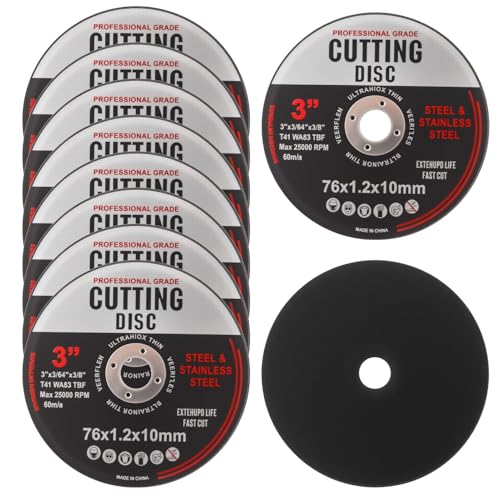


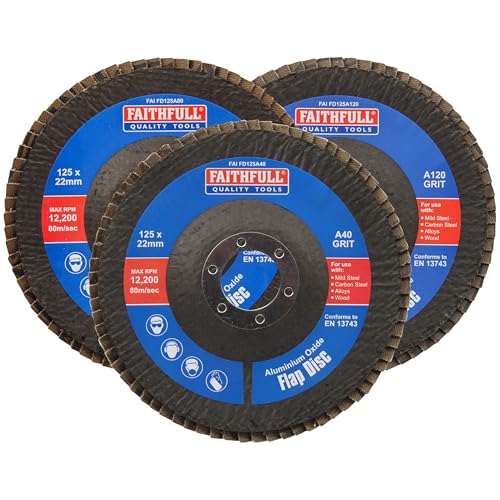

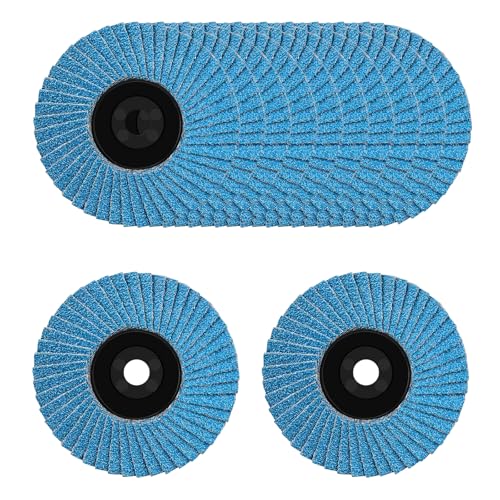

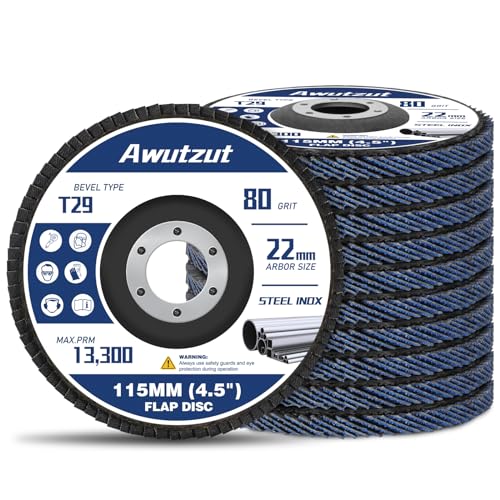

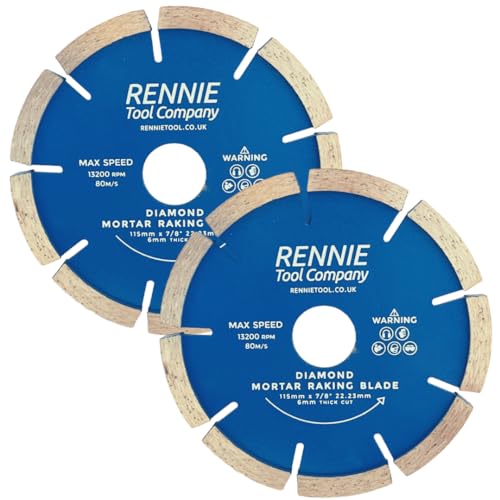

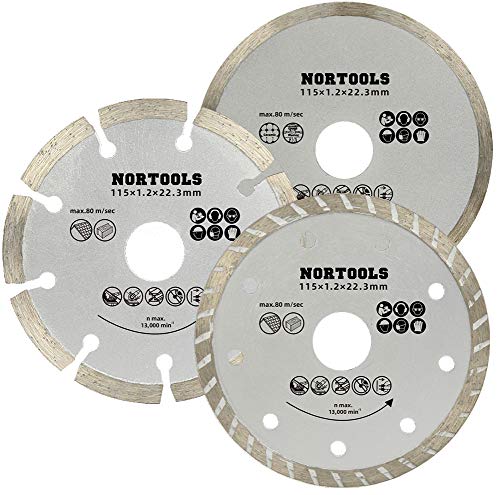
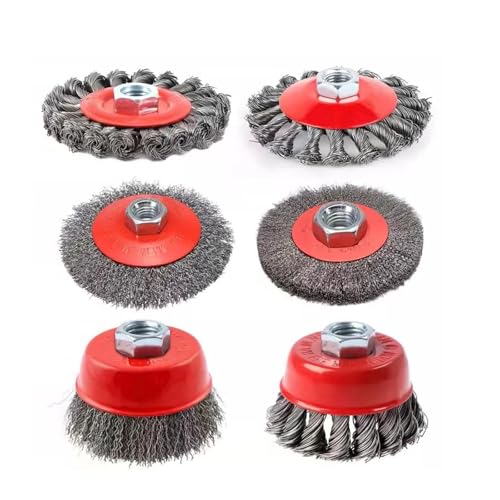

What This Category Includes
This category includes abrasive discs made for angle grinders in different forms for different job types. That may include discs intended for cutting, grinding, smoothing, cleaning, or surface preparation depending on the material and the purpose of the work.
The main variations usually relate to disc type, thickness, abrasive structure, and intended material. Specifications vary — see individual product listings for details.
Key Functional Roles
Angle grinder discs change the role of the tool depending on the task in front of you. One disc may be intended to make cuts through material, while another is better suited to removing excess material, tidying edges, or preparing a surface for the next stage of work.
That makes the disc itself a key part of the job setup. The choice is less about the tool alone and more about matching the disc’s working role to the finish or material removal you need.
Typical Use Scenarios
These discs are often used during renovation, repair work, metal fabrication, masonry jobs, and general DIY projects around the home or workshop. They are relevant when you need to cut through material, smooth a rough area, remove old surface build up, or refine edges after a previous step.
You might also use them when preparing surfaces before fitting, finishing, or repainting. In practical terms, they are often chosen for tasks where a hand tool would be too slow and a larger fixed machine would be less convenient.
Buyer Considerations
The first thing to check is the material you plan to work on most often. Metal, masonry, and general surface preparation jobs can call for different disc types, so it helps to start by narrowing the category to the actual task rather than the tool itself.
It is also useful to think about whether your priority is cutting, grinding, smoothing, or removing surface material. Some buyers focus too quickly on size alone, but the more useful comparison is usually the working role of the disc and the type of finish or removal it is meant to deliver.
Safety, Suitability and Best Practices
It is good practice to choose discs that are clearly suited to the intended material and type of work. This keeps your selection more appropriate to the task and makes it easier to compare products sensibly.
Before choosing, check the individual listing for the intended application and any important product details. For general care, keeping unused discs dry, organised, and protected from knocks can help them stay in better condition between jobs.
Category Boundaries
This category is specifically for the disc accessories used with angle grinders. It covers the consumable working parts rather than the powered tool itself.
It does not include Angle Grinders, which are the machines that use these discs. It also differs from Jigsaw Blades, Circular Saw Blades, and Reciprocating Saw Blades because those categories are designed for saw based cutting tools rather than abrasive disc based grinding and cutting.
FAQs
What are angle grinder discs used for? They are used for tasks such as cutting, grinding, smoothing, cleaning, and surface preparation. The exact role depends on the disc type and the material it is intended for.
How do I choose the right angle grinder disc?
Start with the material and the job you need to do. Then check whether the disc is intended for cutting, grinding, or surface work, as that usually gives you the clearest direction.
Are all angle grinder discs the same?
No. They vary by purpose, abrasive style, thickness, and intended material. That is why product details matter more than appearance alone when you compare options.
Can I use angle grinder discs for both metal and masonry?
Some discs are intended for one material type, while others may suit broader use. The safest way to compare is to check the listing for the intended material rather than assuming one disc covers every task equally well.
What should I check first on a product listing?
Check the intended use, material suitability, and disc type first. Those details usually tell you more than size alone when you are deciding which option fits the job.
Is this category only for heavy construction work?
No. Angle grinder discs are relevant to a wide range of jobs, from workshop tasks and renovations to general home DIY. The category covers both practical maintenance work and more involved project use.
Practical Insights and Real World Context
In real world use, experienced buyers usually think about angle grinder discs as job specific consumables rather than interchangeable accessories. A disc that feels right for cutting is not automatically the right choice for cleaning up a surface or refining an edge.
That is why the most useful question is often not which disc looks strongest, but which disc role matches the work you actually need to complete. This approach tends to lead to better choices and a clearer expectation of how each product fits into the task.
How This Category Fits Into Your Gear and Equipment
Within the wider Garden Construction and DIY structure, this category sits as one of the specialised accessory areas in the broader tool range.
 Getting ready for Summer? View our Home and Garden Products

Heading outdoors this winter? Take a look at our Outdoor Clothing.