
Fans
Fans are home cooling appliances that move air around indoor spaces to help improve everyday comfort in warm or stuffy rooms.
Fans are useful when you want simple air movement in bedrooms, living areas, home offices or other indoor spaces. They do not chill the air in the same way as air conditioning units, but they can help a room feel fresher by keeping air moving. This category helps you compare fan styles by room size, placement, controls and everyday comfort needs.
- Fans
Aecooly Mighty Handheld Fan, Powerful Portable Fan, USB Rechargeable [10H Max Cooling Time], Mini Personal Battery Powered, Pocket for Travel, Summer, Gifts for Women, Girls -Beige
Original price was: £18.99.£13.98Current price is: £13.98. *View On Amazon* - Fans
Jsdoin Hand Held Fan,Portable Handheld USB Rechargeable Fans with 5 Speeds,Battery Operated Mini Fan Foldable Desk Desktop Fans with LED Display for Home Office Bedroom Outdoor Travel (DarkBlue)
Original price was: £18.99.£13.99Current price is: £13.99. *View On Amazon* - Fans
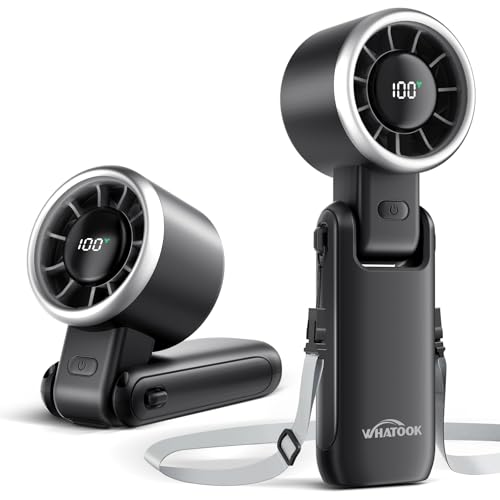
WHATOOK Handheld Fan Rechargeable:5 Gear High Speed Portable Fans Mini Hand Fan with LED Display, 180° Adjustable Battery Operated Foldable Desk Desktop Fans for Home Office Bedroom Outdoor Black
Original price was: £22.99.£13.99Current price is: £13.99. *View On Amazon* - Fans
PureMate 8-Inch Air Circulator Fan with Oscillation, 3 Speeds Setting and Timer, LED Display & Remote Control, Perfect for Desks, Bedrooms & Offices
Original price was: £39.99.£32.29Current price is: £32.29. *View On Amazon* - Fans
DREO 20dB Smart Tower Fan, 8.5m/s Velocity Standing Fan for Bedroom, 9 Speeds 4 Modes Upgraded DC Cooling Fans, 90° Oscillating Bladeless Electric Fans, 12H Timer, WiFi/Alexa/Remote Control, Starlight
Original price was: £99.99.£84.99Current price is: £84.99. *View On Amazon* - Fans
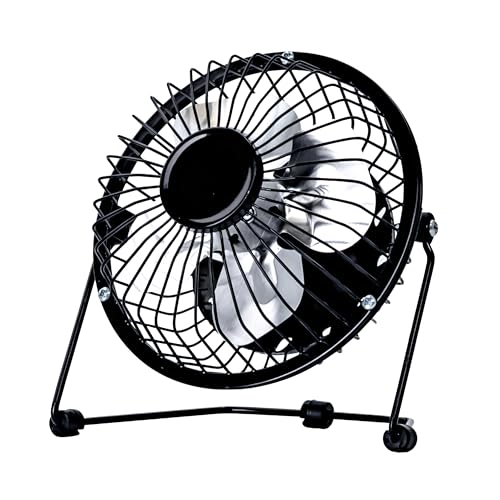
Status 4 Inch USB Desk Fan, Mini Portable Personal Cooling Fan with Single Speed for Office, Laptop & Travel Use, Black (SUSBBLKWFAN1PKB4)
Original price was: £4.99.£3.99Current price is: £3.99. *View On Amazon* - Fans
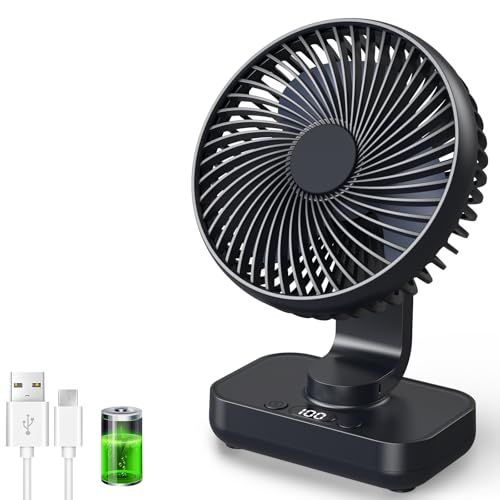
OCOOPA USB Desk Table Fan with Strong Airflow & Quiet Operation, Portable Cooling Fan Speed Adjustable 360°Rotatable Head for Home Office Bedroom Table and Desktop
Original price was: £16.99.£11.99Current price is: £11.99. *View On Amazon* - Fans
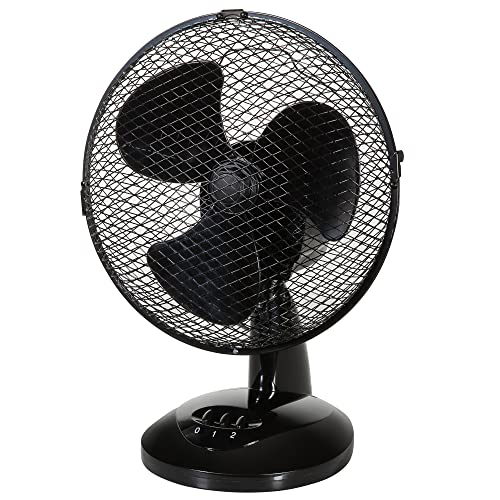
Zanussi 9" Inch, Portable Desk Fan, 2 Speeds, Wide-Angled Oscillation, Quiet Operation, Black – ZNPDF0921B
Original price was: £19.99.£15.99Current price is: £15.99. *View On Amazon* - Fans
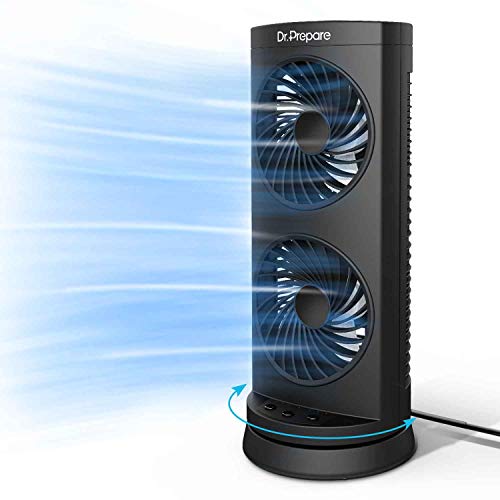
Dr. Prepare Desk Fan Tower Cooling Fan, Portable Oscillating 3-Speed, Dual Air Circulation, 110° Oscillation, 3 Timers, Personal Table Fan for Bedroom Desktop Home Room Office, UK 3-Pin Plug
Original price was: £39.99.£26.99Current price is: £26.99. *View On Amazon* - Fans
Igenix DF0030 Oscillating Tower Fan, 45 Watt Power, 30 Inch, 3 Speed Settings High, Medium & Low, 2 Hour Timer with Auto Shut Off, Quiet Operation, White
Original price was: £32.99.£29.99Current price is: £29.99. *View On Amazon* - Fans
Russell Hobbs RHMDF1201WDG 12 Inch Scandi Electric Desk Fan, 3 Speed Settings, Oscillating Fan and Adjustable Tilt, 45W, Grey and Wood Effect
Original price was: £49.99.£39.00Current price is: £39.00. *View On Amazon* - Fans
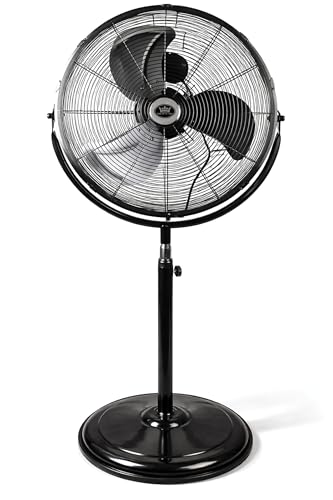
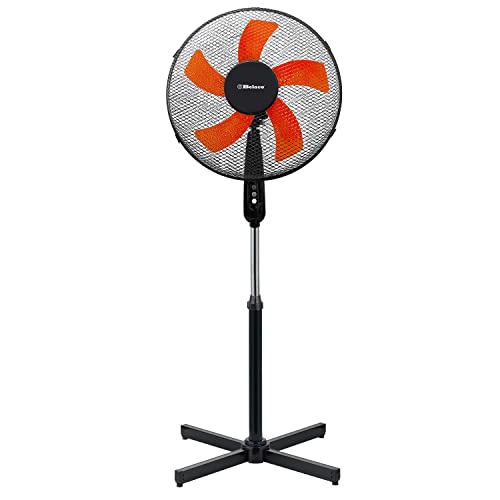
Belaco 16 Inch Pedestal Fan with Oscillation, Adjustable Height, Quiet Powerful Cooling Airflow, 45W, Black & Orange
Original price was: £29.99.£19.99Current price is: £19.99. *View On Amazon* - Fans
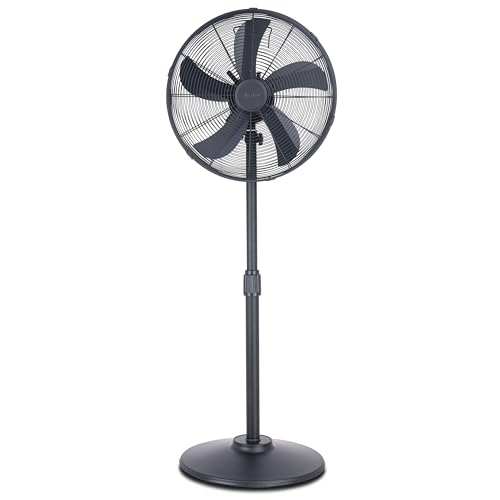
Belaco 12” Metal Floor Fan, High Velocity Chrome Freestanding Cooling Fan, 3 Speed Air Circulator for Home, Office, Gym, Garage, Warehouse & Commercial Spaces, High Airflow BELF-30
Original price was: £45.07.£35.99Current price is: £35.99. *View On Amazon*
![Aecooly Mighty Handheld Fan, Powerful Portable Fan, USB Rechargeable [10H Max Cooling Time], Mini Personal Battery Powered, Pocket for Travel, Summer, Gifts for Women, Girls -Beige](https://m.media-amazon.com/images/I/31ZVJu3DQgL._SL500_.jpg)












What This Category Includes
This category includes home cooling fans designed for indoor use around the house. Products may include desk fans, tower fans, pedestal fans, floor fans and compact portable fans, depending on the listings available.
Fans can differ by size, shape, control type, airflow settings, timer features and room placement. Specifications vary — see individual product listings for details.
The main choice is usually about where the fan will sit and how much air movement you want from that position. A smaller fan may suit a desk or bedside table, while a taller or larger design may suit a living room or shared space.
Key Functional Roles
Fans move air around a room to help reduce the feeling of stillness in warm or stuffy conditions. They can make a bedroom, office or living area feel more comfortable without changing the room in the same way as a cooling appliance with refrigeration.
Many fans are chosen for directional airflow. Some are designed to sit close to you, while others are made to move air across a wider area.
Controls also play a practical role. Speed settings, timer options and movement modes can make a fan easier to match to different times of day, different rooms and different comfort preferences.
Typical Use Scenarios
Fans are commonly used in bedrooms during warmer evenings, especially where you want gentle air movement while resting. They are also useful in home offices, where still air can make a workspace feel uncomfortable during the day.
In living rooms, a fan can help keep air moving while you relax, watch television or spend time with family. In kitchens, utility rooms or conservatories, a fan may help make warm indoor spaces feel less stagnant.
Portable designs can be moved between rooms when needed. Larger designs are usually chosen for spaces where the fan will stay in one place for longer periods.
Buyer Considerations
Think first about the room where the fan will be used most often. A bedside or desk fan needs a different footprint from a fan used across a lounge or larger home office.
Placement matters because fans work by directing air movement. Check the height, base size and intended position so the fan suits the space available.
Controls are also worth comparing. Some fans use simple manual controls, while others may include remote controls, timers or multiple air movement settings.
Noise level can matter in bedrooms, shared spaces and work areas. Product listings may describe sound levels or quiet operation features, but details vary by product.
You should also consider storage and seasonal use. Some designs are easier to move or store, while others are better suited to staying out during warmer months.
Safety, Suitability and Best Practices
Fans should be used in line with the information supplied with each product. This is especially important for powered appliances, cable positioning and use around children, pets or busy walkways.
Choose a stable position where the fan can stand securely and direct air where you need it. Keep the surrounding area clear so the fan can operate without obstruction.
General care can help keep a fan pleasant to use over time. Dusting accessible surfaces and checking product guidance before cleaning are sensible habits for home appliances.
Suitability depends on the room, the available space and the type of airflow you prefer. Check individual product listings for dimensions, controls and usage details before choosing.
Category Boundaries
This category is for home cooling fans that move air around indoor spaces. It covers fan based air movement rather than appliances that actively chill, dry, heat or style air.
Air Conditioning Units are separate because they are designed to cool air rather than simply move it. Dehumidifiers are separate because they focus on reducing moisture in the air.
Electric Heaters sit outside this category because they are used for warmth, not cooling airflow. Hair Dryers, Air Fryers, Blenders, Bread Makers, Candy Floss Machines, Carpet Shampooers and Clothes Irons also belong in their own Home Appliances categories.
FAQs
What is the difference between a fan and an air conditioning unit?
A fan moves air around a room, while an air conditioning unit is designed to cool air. Fans are often chosen for simple air movement and everyday comfort. Air Conditioning Units sit in a separate category because their function is different.
Which type of fan is right for a bedroom?
A bedroom fan is usually chosen by size, noise level, control options and where it will be placed. A compact fan may suit a bedside table, while a taller fan may suit a corner or floor position. Always check the individual product listing for dimensions and features.
Can I use a home cooling fan in an office?
A home cooling fan can be suitable for a home office or small workspace. Desk fans are often chosen for close airflow, while larger fans may suit rooms where air needs to move across a wider area. The right option depends on space, noise preference and placement.
Do fans actually cool a room?
Fans mainly move air rather than lowering the room temperature in the same way as air conditioning. The moving air can help you feel more comfortable, especially in warm or still indoor spaces. This makes them useful for everyday home comfort.
What should I check before choosing a fan?
Check the size, style, control options, placement needs and any listed sound information. Think about whether the fan will be used beside a bed, on a desk, in a living room or in a larger shared space. Specifications vary between products, so read the individual listing before deciding.
Practical Insights and Real World Context
Most people choose fans by room and position before anything else. A fan that works well on a desk may not feel right in a lounge, and a tall fan may not suit a small bedside space.
Airflow direction also matters in everyday use. A fan placed close to where you sit gives a different experience from one positioned across a room.
Experienced buyers tend to look at comfort details as well as size. Controls, timer settings, movement modes and storage needs can all affect how convenient the fan feels during regular use.
A fan is often a seasonal appliance, but it still needs to suit your normal living space. The most suitable option is usually the one that fits naturally into the room where you will use it most.
How This Category Fits Into Your Gear and Equipment
Fans sit within the wider home comfort side of household appliances. They focus on air movement, while nearby appliance categories handle cooling, moisture control, heat, cleaning, grooming or food preparation.
Within the wider Home Appliances structure, this category sits as one of the specialised areas in the Home and Garden range.