
Trampolines
Trampolines give children, teenagers and families a fun way to bounce, play and stay active in the garden. Whether you’re choosing a compact trampoline for younger children, a larger garden trampoline for family use, or a model with a safety enclosure, the right trampoline can turn outdoor space into a lively play area at home.
Our trampolines range is designed for garden fun, active play and family entertainment. From small trampolines and round garden trampolines to larger models, enclosed trampolines, ladders, covers and useful accessories, you can choose an option that suits your garden size, age range and how often it will be used.
- Trampolines
DARCHEN Mini Trampoline for Adults, Indoor Small Rebounder for Exercise Workout, Upgrade Bungee Trampoline for Safer Quieter Bounce [100 CM]
Original price was: £63.16.£58.98Current price is: £58.98. *View On Amazon* - Trampolines
Plum 6ft Magnitude Springsafe Trampoline & Enclosure
Original price was: £199.99.£159.99Current price is: £159.99. *View On Amazon* - Trampolines
Jumpking 8ft Round Tyro Trampoline With Safety Enclosure Net and Ladder ❘ Outdoor Trampoline For Adults & Kids, Polyethylene Surround Pad & UV Protected Safety Net For Safe Bouncing
Original price was: £209.00.£158.84Current price is: £158.84. *View On Amazon*

![DARCHEN Mini Trampoline for Adults, Indoor Small Rebounder for Exercise Workout, Upgrade Bungee Trampoline for Safer Quieter Bounce [100 CM]](https://m.media-amazon.com/images/I/317qbGsZGGL._SL500_.jpg)






Create Active Outdoor Fun at Home
A trampoline can make the garden much more appealing for children who love to move. It encourages bouncing, balance, coordination and outdoor play, helping make screen-free time feel exciting rather than forced.
For families, a trampoline can become one of the most-used garden items during warmer months. It gives children a dedicated place to burn off energy, play games and enjoy fresh air without needing to visit a park every time.
For UK gardens, it is worth thinking carefully about space, safety, weather, supervision and storage before buying. A trampoline should be fun, but it also needs to be set up and used responsibly.
How to Choose a Trampoline
Start by measuring your garden. A trampoline needs space for the frame itself, plus safe clearance around it. Avoid placing it too close to fences, walls, sheds, trees, washing lines, patios, ponds, greenhouses or garden furniture.
Key decision factors include trampoline size, age suitability, maximum user weight, frame strength, safety enclosure, spring cover, mat quality, ladder access, anchor options, weather resistance, assembly requirements and how many children are likely to use it.
Always check the product guidance before buying. The right trampoline should suit the children using it, the space available and the level of supervision you can provide.
Small Trampolines vs Large Garden Trampolines
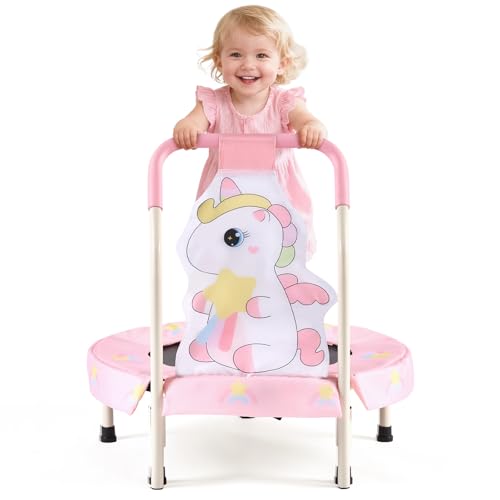
Small trampolines are useful for younger children, compact gardens and families who want a simple play option without taking over the whole lawn. They can be easier to position, easier to assemble and more manageable for occasional use.
Large garden trampolines offer more bouncing space and may suit older children or families with more room outside. They can feel more exciting and give children more freedom to move, but they need more clearance, stronger anchoring and more careful supervision.
The trade-off is space versus play value. A smaller trampoline is easier to fit and manage, while a larger trampoline can offer more room for confident bouncing.
Round Trampolines vs Rectangular Trampolines
Round trampolines are popular for family gardens because they fit neatly into many spaces and often guide bounce energy towards the centre of the mat. They are a common choice for general garden play.
Rectangular trampolines can offer a different bounce feel and may suit longer, narrower gardens, depending on the layout. They can also work well where the garden shape makes a round model harder to position.
The right choice depends on your available space, the trampoline size and the age and confidence of the users. Always compare full assembled dimensions before buying.
Trampolines with Safety Enclosures
A safety enclosure is one of the most useful features to look for on a garden trampoline. It helps keep users within the bouncing area and reduces the chance of falling off the side.
Check the enclosure height, net quality, zip or entrance design, pole padding and how securely the net attaches to the frame. The entrance should be easy to use but secure enough to stay closed during play.
A safety net does not replace supervision or sensible use. Children still need to follow the product guidance, avoid rough play and stay within the recommended user limits.
Useful Trampoline Features to Look For
A good trampoline should feel stable, well-supported and suitable for outdoor use. Look for a strong frame, padded spring cover, secure enclosure, clear weight guidance, practical ladder access and weather-aware materials.
Spring padding is important because it covers the edge area around the mat. A well-fitted cover can help reduce contact with springs and frame sections during normal use.
Other useful features may include anchor kits, weather covers, shoe storage, lower access height, reinforced stitching, replacement parts and clear assembly instructions.
Trampoline Accessories and Covers
Trampoline accessories can make ownership easier. A ladder can help children get on and off more safely where the trampoline is raised. An anchor kit can help secure the trampoline in suitable ground, especially in windy areas.
A weather cover can help protect the mat and padding from leaves, dirt and rain when the trampoline is not in use. Covers should be fitted according to the product guidance and removed before bouncing.
Replacement nets, pads and springs may also be useful over time. Before buying a trampoline, it is worth checking whether compatible spare parts are available.
Where to Put a Trampoline in the Garden
Place the trampoline on level, stable ground with enough clearance around and above it. Avoid hard surfaces such as concrete or paving unless the product guidance specifically allows the setup and suitable safety measures are in place.
Keep the trampoline away from low branches, fences, walls, sheds, washing lines, garden furniture, BBQs, fire pits and anything children could hit if they fall or bounce awkwardly.
Think about supervision too. A trampoline positioned where adults can see it easily is usually more practical for everyday family use.
Assembly and Maintenance
Trampolines need careful assembly. Read the instructions before starting and make sure the frame, springs, mat, padding, enclosure and ladder are all fitted correctly.
Larger trampolines can take time to build and may need two adults. Choose a dry day, check all parts before assembly and follow the steps in order.
After setup, check the trampoline regularly. Look for loose bolts, damaged springs, torn mats, worn padding, bent poles, loose netting, unstable legs or anything that could affect safe use.
Using Trampolines Safely
Children should be supervised when using a trampoline. Follow the product’s age, weight and user guidance, and avoid overcrowding.
Set simple rules before play starts. No pushing, no rough games, no climbing on the net, no bouncing with shoes, no hard toys, and no using the trampoline when it is wet, icy or windy.
Do not allow children to jump from the trampoline onto the ground or from other objects onto the trampoline. Keep pets away during use and make sure the entrance is closed before bouncing begins.
Trampolines and UK Weather
UK weather can affect trampoline use and storage. Rain can make the mat slippery, wind can move unsecured trampolines, and frost can make surfaces unsafe.
Do not use a trampoline in strong wind, storms, ice or unsafe conditions. If high winds are forecast, follow the manufacturer’s guidance on securing, covering or dismantling parts where needed.
After bad weather, inspect the trampoline before children use it again. Check that the frame is stable, the mat is dry enough, the net is secure and the padding is still in place.
Shop Trampolines Online
Browse our trampolines range to find garden play equipment for children, teenagers and family fun at home. Compare small trampolines, large garden trampolines, round trampolines, rectangular trampolines, enclosed trampolines and useful accessories to choose a setup that suits your garden and your family.
Trampolines FAQs
What size trampoline should I buy?
Choose a trampoline size based on your garden space, the age of the users and the product’s safety guidance. Make sure there is enough clearance around and above the trampoline before buying.
Are trampolines good for children?
Trampolines can be a fun way for children to enjoy active outdoor play, balance and movement. They should always be used with adult supervision and according to the product guidance.
Do I need a safety net on a trampoline?
A safety net is strongly worth considering for garden trampolines because it helps keep users within the bouncing area. It should be fitted correctly and checked regularly.
Are round or rectangular trampolines better?
Round trampolines are common for family gardens and suit many spaces. Rectangular trampolines may fit some garden layouts better and can offer a different bounce feel. The right choice depends on your space and intended use.
Can trampolines stay outside all year?
Many garden trampolines are designed for outdoor use, but care needs vary by product. Check the guidance for weather exposure, covers, anchoring, winter care and storage.
Do trampolines need anchoring?
Anchoring is often a sensible choice, especially in exposed gardens or windy areas. Use a compatible anchor kit and follow the manufacturer’s instructions for your trampoline and ground type.
Where should I put a trampoline in the garden?
Place it on level, stable ground with safe clearance from fences, trees, walls, sheds, furniture, washing lines, BBQs and hard surfaces. Make sure adults can supervise easily.
Can more than one child use a trampoline at once?
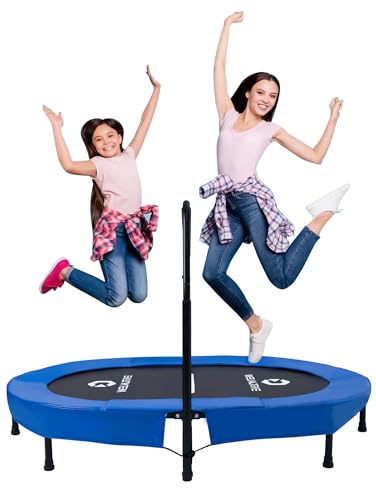
This depends on the product guidance. Overcrowding increases the chance of bumps and falls, so always follow the manufacturer’s user limits and supervision advice.
Can trampolines be used in wet weather?
It is best not to use a trampoline when the mat is wet, icy or slippery. Wet surfaces can increase the risk of falls, so wait until the trampoline is dry and safe.
How do I maintain a trampoline?
Check the frame, springs, mat, padding, enclosure, poles, bolts and anchors regularly. Replace worn or damaged parts and follow the product’s maintenance guidance.
What accessories are useful for trampolines?
Useful accessories may include a safety enclosure, ladder, weather cover, anchor kit, replacement pads, replacement net, shoe tidy and storage cover, depending on the trampoline model.
How do I store a trampoline in winter?
Follow the product guidance. Some trampolines can stay outside with suitable care, while others may need covers, removed nets or partial dismantling. Store loose parts dry and check everything before spring use.
 Getting ready for Summer? View our Home and Garden Products

Heading outdoors this winter? Take a look at our Outdoor Clothing.