
Cue Cases and Covers
Cue cases and covers are designed to help protect pool, snooker and billiards cues when they are being stored, carried or taken to games. They can help reduce marks, knocks, dust and general wear, depending on the product type, material and level of protection listed.
A cue is only useful if it stays straight, clean and comfortable to play with. The right cue case or cover helps keep your cue organised and easier to transport, whether you play casually at home, visit a local club or take your own equipment to regular matches.
-
Cue Cases and Covers
BAIZE MASTER Oval Tri-Tube Snooker Pool Cue Case – Holds One 2 Piece Cue (Green)
£24.95 *View On Amazon* -
Cue Cases and Covers
LPC Handmade Black and White Tournament Style 3/4 Snooker Cue Case With 2 Compartments
£59.99 *View On Amazon* -
Cue Cases and Covers
QSTDGVPW Premium Pool Cue Case for 3/4 Jointed Cues with Extra Storage, Black
£44.29 *View On Amazon* -
Cue Cases and Covers
Funky Chalk Black 5pc Centre Joint Pool Snooker Cue Tube Case – Holds 2 Butts 3 Shafts
£29.95 *View On Amazon* -
Cue Cases and Covers
LPC Deluxe Tournament Style Wide 1 Piece Snooker Cue Case With 3 Compartments
£99.99 *View On Amazon* -
Cue Cases and Covers
BAIZE MASTER Soft Embroidered 2pc Large Accessory Pocket Snooker Pool Cue Case for Centre Joint Cues
£28.95 *View On Amazon* -
Cue Cases and Covers
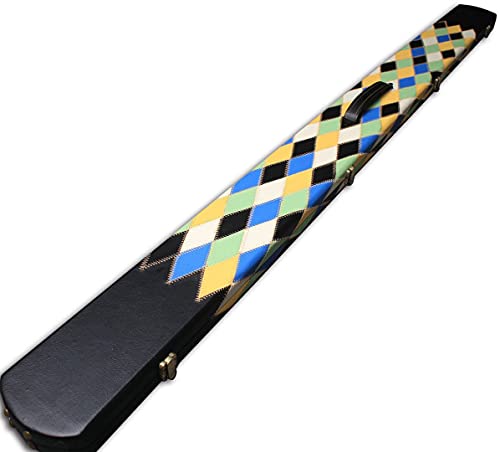
LPC Handmade Diamond Patchwork Tournament Style 3/4 Snooker Cue Case with 2 Compartments
£59.99 *View On Amazon* -
Cue Cases and Covers
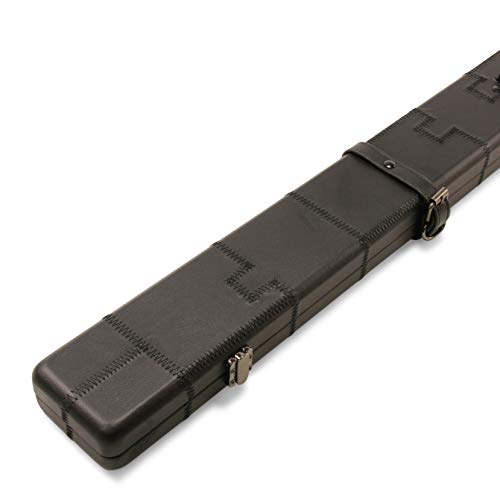
LPC Handmade Black Tournament Style 1 Piece Snooker Cue Case With 2 Compartments
£84.99 *View On Amazon* -
Cue Cases and Covers
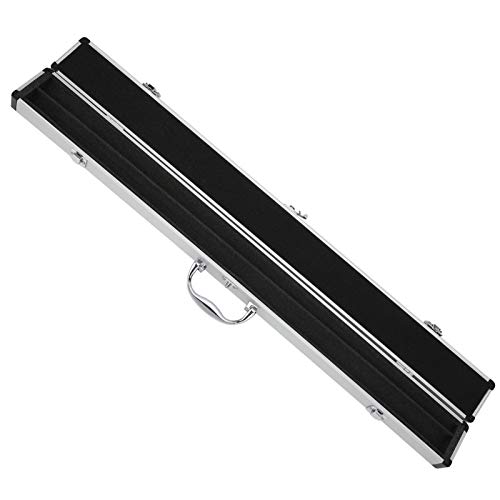
Ronyme 3/4 Snooker Cue Case, PU Material Foam Padding, Billiard Pool Cue Protector for Easy Carrying
£58.43 *View On Amazon* -
Cue Cases and Covers
LPC Handmade 1 Piece Slimline Blue/Black Patchwork Snooker Cue Case With Single Slot
£79.99 *View On Amazon* -
Cue Cases and Covers
BAIZE MASTER Arrow 1 Piece 2 Slot Snooker Pool Cue Case with Plastic Ends – Holds 2 Cues (White)
£79.95 *View On Amazon*






For Safer Storage And Easier Transport
Cue cases and covers are designed to help protect pool, snooker and billiards cues when they are being stored, carried or taken to games. They can help reduce marks, knocks, dust and general wear, depending on the product type, material and level of protection listed.
A cue is only useful if it stays straight, clean and comfortable to play with. The right cue case or cover helps keep your cue organised and easier to transport, whether you play casually at home, visit a local club or take your own equipment to regular matches.
What Are Cue Cases and Covers?
Cue cases and covers are storage and transport accessories made for cue sports equipment. They are used to hold cues safely when they are not in use and can vary from simple soft covers to more structured cases, depending on the product.
Some cue cases are designed for single cues, while others may hold more than one cue or additional accessories where listed. They may include compartments, handles, shoulder straps, zip closures, padded sections, hard outer shells or soft fabric finishes depending on the design.
Cue covers are often lighter and simpler, while cue cases may offer more structure and storage options.
What Are Cue Cases and Covers Used For?
Cue cases and covers are used to carry and store cues for pool, snooker, billiards and related cue sports. They are useful for protecting cues during travel to clubs, pubs, games rooms, competitions or practice sessions.
They can also help keep cue parts together, especially for cues that separate into sections. This makes it easier to avoid misplacing shafts, butts, extensions or small accessories where compatible and listed.
For home use, a case or cover helps keep cues tidy and away from dust, damp areas or accidental damage when not being played with.
How To Choose The Right Cue Case Or Cover
Start by checking the type of cue you need to store. A one piece cue, two piece cue or multi section cue may need a different case size or layout. Always check product details and measurements where listed before buying.
Next, think about how often the cue will be transported. If you only need basic storage at home, a simple cover may be enough. If you regularly travel with your cue, a more protective case may be more suitable.
Also consider what else you want to carry. Some players may only need space for a cue, while others may want room for chalk, tips, extensions, rests, gloves or small accessories where listed. Extra storage can be useful, but it may also make the case larger or heavier.
Key Features To Compare
When comparing cue cases and covers, look at capacity, length compatibility, material, padding, closure type, carry options and accessory storage. These features affect how practical the case is for real use.
Capacity is one of the most important details. Some cases may hold one cue only, while others may hold multiple cue sections or spare shafts where listed. Do not assume every case fits every cue.
Protection level also matters. A soft cover may help with dust and light marks, while a harder or padded case may offer more structure for transport. No case can guarantee complete protection, but choosing a suitable design can reduce everyday risks.
Carry comfort is worth checking if you travel often. Handles, straps and overall weight can make a difference when carrying your cue to matches or practice.
Cue Cases Compared With Cue Covers And Racks
Cue cases, cue covers and cue racks all help with cue care, but they suit different situations. A cue case is usually the most practical option for transport, especially when taking a cue outside the home.
A cue cover is often lighter and simpler. It may suit basic storage, short journeys or keeping a cue cleaner between uses, depending on the product.
A cue rack is different because it is usually fixed or placed in one location. It can be useful for games rooms, clubs or home setups, but it does not provide portable protection when travelling.
For many players, a case is the most flexible option because it can be used for both storage and transport.
Guidance For Beginner Regular And Experienced Players
Beginners should choose a cue case or cover that is simple, compatible and easy to use. If you have recently bought your first cue, basic protection is a sensible starting point.
Regular players may want to compare padding, zip quality, carry comfort and accessory space more closely. If you take your cue to a club every week, the case becomes part of your playing routine.
Experienced players may prefer a more specific case layout, especially if they carry more than one cue, spare shafts, extensions or match accessories. A familiar, well organised case can make preparation easier before games.
Use Cases By Player Type And Activity
For casual home players, a cue cover or simple case can help keep cues tidy and reduce dust when stored between games.
For pub and club players, a cue case makes it easier to carry equipment safely and keep cue sections together while travelling.
For league players, a structured case with accessory storage where listed may be useful for chalk, tips and small essentials.
For snooker players, cue length and section layout are important. Make sure the case suits the cue style before buying.
For pool players, portability and durability may matter more if the cue is carried often between venues.
For gift buyers, a cue case or cover can be a practical choice for someone who already owns a cue, provided the size and cue type are compatible.
Fit Compatibility And Cue Setup
Cue compatibility is the key detail to check. A case must match the cue length, number of sections and storage layout. Some cases are designed for two piece cues, while others may suit different cue formats where listed.
If the cue has an extension, joint protectors or a thicker butt section, check whether the case has enough space. A tight fit may make the cue awkward to insert or remove, while a loose fit may allow movement inside the case.
If buying for someone else, try to confirm the cue type before choosing. Cue cases can look similar from the outside, but internal layout can vary widely.
Safety Care Maintenance And Storage
A cue case can help protect equipment, but it should still be handled carefully. Avoid dropping the case, standing on it or placing heavy items on top of it unless the product is designed for that level of use.
Keep the case clean and dry. Damp storage can affect both the case and the cue inside. If the cue or case becomes wet, allow both to dry properly before closing and storing.
Avoid leaving cues in hot cars, damp garages or direct heat for long periods. Cues can be sensitive to storage conditions, and a case does not remove the need for sensible care.
Check zips, straps and closures regularly. If a case no longer closes securely, it may not protect the cue properly during transport.
Useful Accessories To Consider
Useful accessories can include cue chalk, replacement tips, tip tools, joint protectors, cue towels, rests, extensions and cue racks where suitable. A small accessory pocket can be useful if the case includes one, but always check what the product is designed to hold.
For regular players, keeping chalk, a cloth and basic maintenance items with the cue can make practice and match days easier. For home games rooms, a cue rack may also be useful alongside a travel case.
Why Buy Cue Cases and Covers From YPC?
At YPC, we understand active lifestyles and the need for practical products that work in real use. Cue cases and covers can vary by size, protection level, storage layout, material, carry style and cue compatibility, so comparing the details helps you choose more confidently.
YPC helps you browse cue sports accessories with real use in mind, whether you are buying for home storage, club nights, league play, practice sessions or a gift. Explore the Cue Cases and Covers category to browse the available options and compare the features that matter most for protecting and carrying your cue.
FAQs
What is a cue case used for?
A cue case is used to store and transport a cue safely. It helps keep cue sections together and can reduce everyday marks, knocks and dust, depending on the product design.
What is the difference between a cue case and a cue cover?
A cue cover is usually lighter and simpler, while a cue case may offer more structure, padding or storage where listed. A case is often better for regular transport, while a cover may suit basic storage.
Do cue cases fit all cues?
No. Cue cases can vary by length, internal layout and section capacity. Check whether the case suits a one piece, two piece or other cue type before buying.
Can I store chalk and accessories in a cue case?
Some cue cases include accessory pockets or compartments where listed. Always check the product details before assuming there is space for chalk, tips, extensions or other items.
Are hard cue cases better than soft covers?
Hard cue cases may offer more structure, while soft covers may be lighter and easier to carry. The better choice depends on how often you travel, how much protection you want and what type of cue you own.
How do I look after a cue case?
Keep the case clean and dry, check zips or closures regularly and avoid storing it in damp or overly hot places. If it gets wet, let it dry before storing your cue inside.
Can a cue case stop a cue from warping?
A suitable case can help with careful storage, but it cannot guarantee a cue will never warp. Avoid damp, heat and poor storage conditions, and store the cue responsibly.
What should I check before buying a cue case as a gift?
Check the cue type, cue length, number of sections and whether the player needs accessory storage. If you are unsure, choose carefully and compare the listed compatibility details.
 Getting ready for Summer? View our Home and Garden Products

Heading outdoors this winter? Take a look at our Outdoor Clothing.