
Cue Chalk
Cue Chalk is a cue sports accessory used to prepare cue tips for pool and snooker play as part of regular table setup and everyday cue use.
This category is for anyone who needs chalk as a dedicated part of their pool or snooker setup rather than the wider range of tip tools and accessories. It brings together cue chalk options in one focused place so you can compare the category clearly before choosing a product that suits your playing routine.
That makes this page useful whether you are topping up a regular table setup, replacing a used item, or simply narrowing your choice to chalk rather than other cue tip accessories. The sections below explain the role of cue chalk and the main points that usually matter when comparing options.
- Cue Chalk
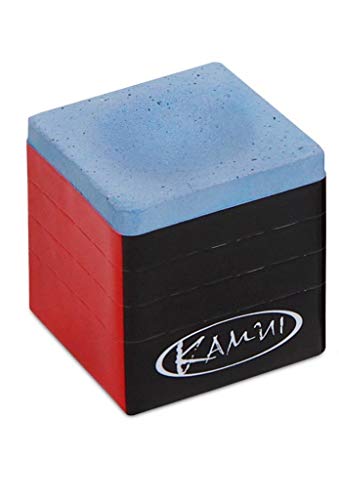
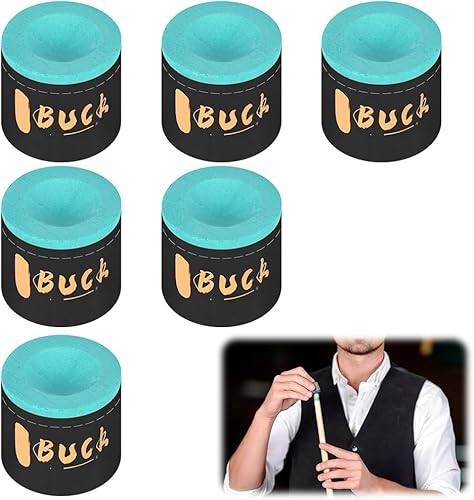
cueball16 4 pcs of Green TRIANGLE Pool Snooker Cue Tip Chalk
Original price was: £4.70.£4.25Current price is: £4.25. *View On Amazon* - Cue Chalk
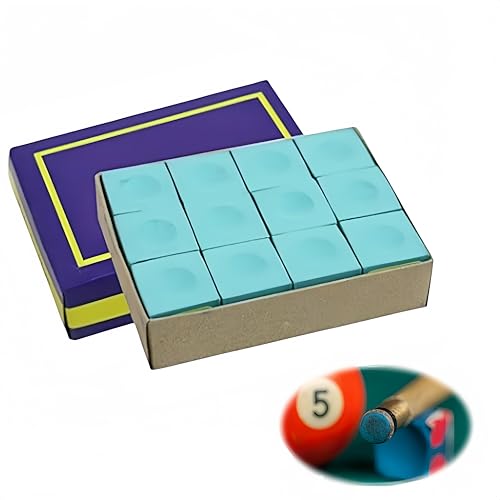
flintronic Snooker Chalk for Pool Cue, 12 Pcs No-Slip Cue Chalk Set for Professional and Home Players, Enhances Grip Pool Chalk for Tournaments, Bars, Gym, Home, Sports Billiard(Dark Blue)
Original price was: £8.99.£7.99Current price is: £7.99. *View On Amazon* - Cue Chalk
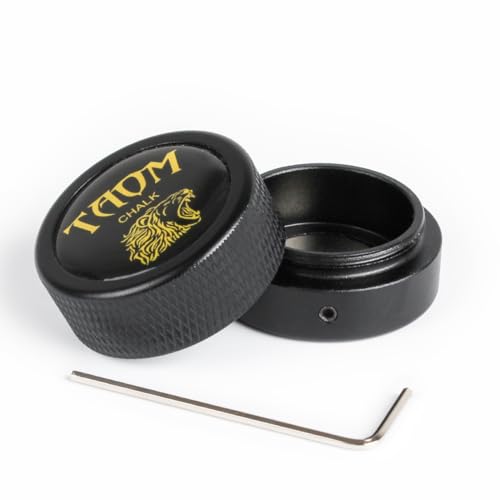
HONGLINSONG 12 PCS Snooker Pool Cue Chalks, Green Pool Chalk, Non‑slip Strong Grip Cue Chalk Set for Tournaments, Enthusiasts, Gyms, Families, Sports, Bars, Billiard Table Accessories (Green)
Original price was: £7.19.£6.69Current price is: £6.69. *View On Amazon*









What This Category Includes
Cue Chalk includes chalk products made for use with pool and snooker cues. This category is focused on cue chalk itself rather than the wider group of tip shaping or repair accessories.
Some products may differ in format, finish, pack style, or intended cue sports context. Specifications vary — see individual product listings for details.
At this level, the category stays tightly centred on chalk as a single product family. That helps keep the page clear for shoppers who already know they need cue chalk rather than a broader cue care item.
Key Functional Roles
The main role of cue chalk is to support cue tip preparation as part of normal pool and snooker play. It sits within the everyday routine of table use rather than the longer term replacement side of cue upkeep.
This makes it one of the small but familiar accessories within a cue sports setup. For many people, it is simply part of having the cue ready for regular play at home, in clubs, or in shared games spaces.
Because of that, this category is about a straightforward, repeat use accessory rather than a specialist piece of equipment. Its role is simple, but it remains a recognisable part of the wider cue sports setup.
Typical Use Scenarios
Cue chalk is used during regular pool and snooker sessions in home games rooms, clubs, pubs, and other indoor cue sports settings. Some people keep it as part of a personal cue setup, while others want it available as part of a shared table area.
This category also suits people refreshing a basic set of accessories without replacing larger items. In other cases, it is simply the most direct destination when you want chalk and do not need the broader tip tools category.
As a focused category, it works best for shoppers with clear product intent. You know what the item is, what it is for, and you want to compare cue chalk options in one place.
Buyer Considerations
A sensible starting point is to think about where and how the chalk will be used. That can help separate a simple occasional use need from a more regular playing routine.
It also helps to think about whether the chalk is for a home setup, a shared games room, or a more regular cue sports environment. Even in a simple category like this, context can help make the right choice feel clearer.
If you are comparing several products, keep your checklist straightforward. Focus on the intended cue sports context, the format shown in the listing, and whether the product suits the level of regular use you have in mind.
Safety, Suitability and Best Practices
The main good practice point here is to check the listing carefully so the product matches the cue sports use you have in mind. That helps keep the choice aligned with the setup where the chalk will actually be used.
It also helps to keep small accessories like cue chalk stored neatly as part of the wider table setup. That can make regular sessions easier to manage and keeps the playing area more organised.
Where products vary by format or pack style, it is sensible to read the individual listing closely before buying. Specifications vary — see individual product listings for details.
Category Boundaries
This category includes cue chalk only. It is the right place when your focus is on chalk as a standalone cue sports accessory rather than the wider group of tip related tools.
It does not cover shaping, scuffing, picking, clamping, or repair accessories, which belong in Cue Chalk and Tip Tools. It also does not cover replacement cue parts, which belong in Cue Tips and Ferrules.
That boundary keeps this page tightly focused on cue chalk itself. The aim is to help the reader understand this simple but important accessory category without drifting into adjacent tool or replacement part categories.
FAQs
Q: What is included in the Cue Chalk category?
A: This category includes cue chalk products used as part of regular pool and snooker play. It is focused on chalk itself rather than the wider range of tip tools.
Q: Is this category for both pool and snooker chalk?
A: Yes, it sits within the wider Pool and Snooker structure. Individual listings should help you check the intended cue sports context where needed.
Q: How is Cue Chalk different from Cue Chalk and Tip Tools?
A: Cue Chalk is the narrower product category focused only on chalk. Cue Chalk and Tip Tools is broader and includes other tip related accessories alongside chalk.
Q: Is cue chalk only for more serious table setups?
A: No, it can be relevant for casual home use as well as more regular play. It is a simple accessory that fits into many different cue sports routines.
Q: What should I look at first when choosing cue chalk?
A: Start with the intended use and the format shown in the listing. After that, think about whether it is for occasional play, regular sessions, or a shared table setup.
Practical Insights and Real World Context
In real use, cue chalk is one of those small accessories that tends to become part of the background of regular play. People may not think about it as much as cues or tables, but it still forms part of a familiar and complete table setup.
That is why this category works best when it stays simple and direct. Shoppers coming here usually already know the product they need and want a page that reflects that clearly.
More experienced buyers also tend to treat this as a routine purchase rather than a complicated decision. They usually just want the category to be easy to understand, easy to browse, and clearly separated from the broader tip tools range.
How This Category Fits Into Your Gear and Equipment
Within the wider Pool and Snooker structure, this category sits as the focused branch for cue chalk within the everyday cue accessories range. It forms part of the broader Pool and Snooker category, which organises the wider cue sports setup across play, care, storage, and table equipment.
 Getting ready for Summer? View our Home and Garden Products

Heading outdoors this winter? Take a look at our Outdoor Clothing.