

Cue Racks and Storage
Cue racks and storage products are designed to keep pool, snooker and billiards cues organised, protected and easy to reach. They are useful for home games rooms, clubs, pubs, leisure spaces and players who want to stop cues being left loose against walls, tables or furniture.
The right storage option helps protect cues from knocks, bending, scratches and clutter. When comparing cue racks and storage, look at cue capacity where listed, floor or wall placement, material, stability, fitting requirements, room layout, accessory storage and compatibility with the cues and equipment you already own.
- Cue Racks and Storage
BlissfulAbode Snooker Cue Rack for Wall Mounting, 4 Slot Wooden Holder for Pools and Accessories (Black)
£10.89 *View On Amazon* - Cue Racks and Storage
SPOTRAVEL Billiards Pool Cue Rack, Wall Mounted Cue Rack Stand with 3 Tiers Ball Slots & 8 Clips, Billiard Pool Table Accessories for Club (Black)
Original price was: £35.23.£33.46Current price is: £33.46. *View On Amazon* - Cue Racks and Storage
Funky Chalk Original Giant BLACK 8 Ball Cue Stand & Rack – Holds Up To 9 Cues
£145.00 *View On Amazon* - Cue Racks and Storage
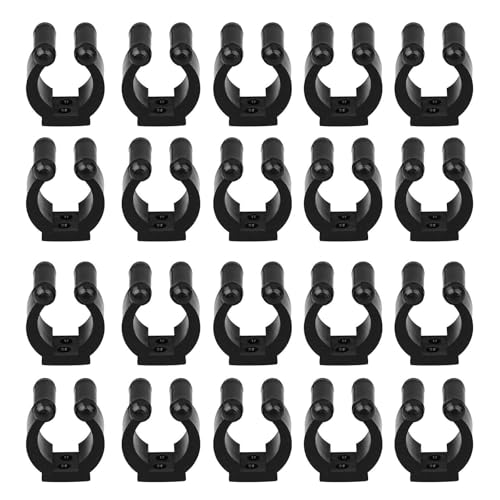
EEEKit Fishing Rod Holder Clips, 20PCS Wall Mounted Fishing Pole Clamps Rack, C Clip Storage Organizer for Billiard Snooker Cue Sticks
Original price was: £8.49.£7.98Current price is: £7.98. *View On Amazon* - Cue Racks and Storage
Faderr Plastic Cue Clips, Plastic Round Cue Clips, Portable Fishing Rod Organizer Rack Billiards Pool Cue Rack, for Pool Cue Racks Set, Most Type Fishing Pole Combos 10pcs/pack(size:M)
Original price was: £6.88.£6.54Current price is: £6.54. *View On Amazon* - Cue Racks and Storage
Pool Cue Wall Mount Holder / Stand – Holds up to 4 Cues – 25+ Colours – Black
£10.49 *View On Amazon* - Cue Racks and Storage
EXTCCT Wall Mount Pool Stick Holder – Billiards Pool Cue Rack Hardwood Pool Cue Set Holder for 6 Cues Sticks Storage Pool Table Accessories Equipment Organizer (Brown 8 Cues)
Original price was: £35.89.£29.89Current price is: £29.89. *View On Amazon* - Cue Racks and Storage
Funky Chalk 4 Way STRAIGHT Wall Mounted Snooker Pool Cue Rack with Brass Clips – Holds 4 Cues (Black)
£16.95 *View On Amazon*
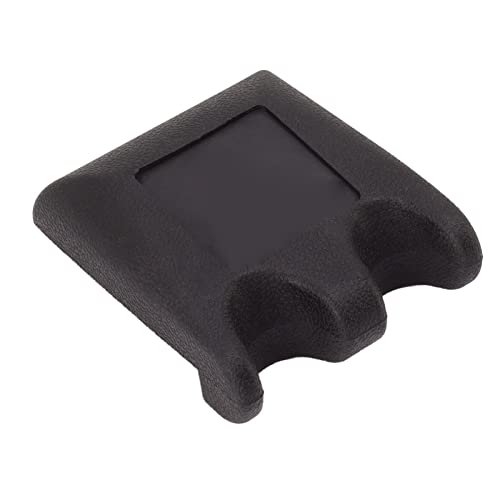




What Are Cue Racks And Storage Products
Cue racks and storage products are stands, holders, cabinets and organisers made for storing cue sport equipment. They are mainly used for pool cues, snooker cues and billiards cues, although compatibility depends on the product.
Depending on the listing, a cue rack may hold cues vertically, horizontally or at an angle. Some designs may include extra space for balls, chalk, triangles, brushes, rests or other small cue sport accessories where listed.
They are different from general storage because they are shaped around long, slim cues and the way cue sports equipment is used. A good cue storage setup should make the playing area tidier while helping reduce unnecessary damage.
What Cue Racks And Storage Are Used For
Cue racks and storage are used to keep cues upright, organised and away from busy floor areas. They help stop cues being leaned against tables, dropped on the floor or mixed up with other equipment.
In a home games room, a cue rack can make the space look more organised and ready for play. In a pub, club or shared venue, proper cue storage can help keep equipment in one place and make it easier for players to find what they need.
Storage can also help protect accessories. Some racks and cabinets may include space for chalk, cue balls, racks, tips or cleaning items where listed, which keeps the whole cue sport area easier to manage.
How To Choose The Right Cue Rack Or Storage Option
Start with how many cues you need to store. A casual home player may only need space for a few cues, while a club or pub setup may need a larger rack where listed.
Next, think about where the storage will go. Wall mounted racks can save floor space, but they need suitable wall fixing and careful placement. Floor standing racks may be easier to position, but they need enough room and should feel stable during use.
Consider whether you need storage for accessories as well as cues. If you regularly use chalk, balls, triangles, rests or brushes, a rack with extra compartments may be useful where listed.
Also think about how often the area is used. A busy room may need sturdier storage and a placement that does not create a trip hazard. A decorative home setup may place more emphasis on appearance and how the rack fits the room.
Key Features To Compare
Cue capacity is one of the first features to check. Product listings may state how many cues a rack can hold, but always consider cue thickness, design and whether any extra space is needed.
Placement style matters. Wall mounted racks can keep cues off the floor and save space. Floor standing racks can be flexible and may not require wall fitting, depending on the product.
Material affects appearance, weight and care. Some racks may use wood, metal, plastic or mixed materials depending on the design. Choose a finish that suits the room and the level of use expected.
Stability is important, especially in family rooms, pubs and shared spaces. A rack should hold cues securely and should not be easy to knock over when used normally.
Accessory storage can be useful. Extra shelves, hooks or compartments may help keep chalk, balls, triangles and small items together where listed.
Ease of access is also worth comparing. Cues should be simple to remove and replace without scraping, forcing or crowding other cues.
Cue Racks Compared With Cue Cases And Cabinets
Cue racks are mainly used for storing cues in a room where they are played. They are practical for quick access and can help keep a games area tidy.
Cue cases are better for transporting individual cues or protecting personal cues when travelling. They are useful for players who take their own cue to clubs, matches or practice sessions.
Cue cabinets can offer a more enclosed storage option where listed. They may suit rooms where a neater or more protected appearance is preferred. The trade off is that cabinets can take up more space and may need more careful installation.
For many homes and clubs, a cue rack is the most straightforward option for everyday storage, while cases and cabinets serve different needs.
Wall Mounted Racks Compared With Floor Standing Racks
Wall mounted cue racks can be a good choice when floor space is limited. They keep cues tidy and can make the playing area look organised. However, they need suitable wall space and correct fixing.
Floor standing cue racks can be useful where drilling into walls is not suitable or where the layout may change. They can often be moved more easily, depending on the product. The trade off is that they take up floor space and need a stable position.
The better choice depends on your room, the number of cues, the wall type, the level of use and whether the rack needs to be moved in future.
Guidance For Beginner, Regular And Experienced Players
Beginners may want a simple rack that keeps cues organised and easy to access. A basic storage solution can make a home pool or snooker area feel much tidier.
Regular players may want better cue protection, more storage space and a layout that keeps accessories close to the table. If cues are used often, easy access and secure placement matter.
Experienced players may pay closer attention to how cues are supported, whether the rack avoids pressure on tips and shafts, and how well it fits with personal cue care routines.
Club and pub users may need storage that is practical for repeated use by different people. Durability, safety and clear organisation become especially important in shared spaces.
Use Cases By Room And Activity
Home games rooms may benefit from a cue rack that matches the room style while keeping cues away from walls, corners and furniture.
Pubs and clubs may need racks that hold several cues and keep equipment easy to manage during busy sessions. Placement should be clear, stable and safe.
Family spaces may need cue storage that keeps long cues from being left across floors or leaning where they could fall. Extra attention should be given to stability and safe positioning.
Serious practice areas may benefit from organised storage for cues, chalk, balls, rests and cleaning items. A tidy setup can make practice feel more consistent and less cluttered.
Small rooms may suit wall mounted storage where compatible, while larger rooms may allow a floor standing rack or cabinet style option.
Fit, Compatibility And Room Planning
Before buying, check that the storage option suits the cues you own. Cue length, cue thickness, jointed designs and tip protection can all affect how well a cue fits.
Measure the available space where suitable and compare it with the listed product dimensions. Leave enough room to remove cues easily without hitting walls, furniture, lights or the table.
If choosing a wall mounted rack, check the wall type and fitting requirements. Use suitable fixings for the surface and follow the product instructions carefully.
If choosing a floor standing rack, consider stability and placement. It should not block walkways, interfere with shots or sit where it can be knocked during normal play.
Safety And Responsible Use
Cue racks and storage should be placed safely. Long cues can fall, roll or cause trip hazards if they are not stored properly.
Wall mounted racks should be fixed securely according to the instructions. A poorly fitted rack can become unsafe, especially if several cues or accessories are stored on it.
Floor standing racks should sit on a suitable surface and should not be overloaded beyond the product guidance. In homes with children or pets, consider whether the rack can be knocked or pulled.
Keep sharp tools, spare tips, chalk holders and small accessories safely stored. Good cue storage is not just about tidiness, it also helps create a safer playing area.
Care, Maintenance And Storage Tips
Keep cue racks clean and dry. Dust and chalk residue can build up over time, especially in busy playing areas.
Check wall fixings, screws, joints and supports from time to time where relevant. If a rack becomes loose, damaged or unstable, stop using it until it has been repaired or replaced.
Store cues gently. Avoid forcing cues into tight slots or resting them where the tip, ferrule or shaft may be damaged.
If the rack includes accessory storage, keep smaller items organised and remove broken chalk, worn tips or damaged parts. A tidy storage area makes it easier to look after the rest of your cue sport equipment.
Useful Accessories To Consider
Useful accessories may include pool cues, snooker cues, cue cases, chalk, cue tips, tip tools, table brushes, ball racks, cue balls, rests, scoreboards and cleaning products where suitable.
For home setups, a cue rack can work well alongside a table cover, brush and organised ball storage. For club or pub use, spare chalk, replacement tips and a practical scoreboard may also be useful.
If buying cue storage as a gift, consider how many cues the person owns and whether they need space for accessories as well as the cues themselves.
Why Buy From YPC
At YPC, we understand active lifestyles and the need for practical products that work in real use. Cue racks and storage should be easy to compare by capacity, placement, compatibility, material, stability and suitability for the playing space.
This category is designed to help buyers choose practical storage for pool, snooker, billiards and shared cue sport areas. Browse the cue racks and storage at YPC and compare the available options to find a tidy, suitable setup for your cues and accessories.
FAQs
What are cue racks used for?
Cue racks are used to store pool, snooker or billiards cues safely and neatly. They help keep cues organised, easy to reach and away from floors, walls and busy areas.
Do I need a cue rack for a home pool table?
A cue rack is useful if you want to keep cues tidy and reduce the chance of damage. It is especially practical if several people use the table or if cues are often left leaning against walls.
Are cue racks suitable for snooker and pool cues?
Many cue racks may suit both snooker and pool cues, but compatibility depends on the design. Check the product listing for cue size, capacity and intended use before buying.
Should I choose a wall mounted or floor standing cue rack?
Choose a wall mounted rack if you want to save floor space and have a suitable wall for fixing. Choose a floor standing rack if you prefer something that can be moved more easily or do not want to attach storage to the wall.
Can cue racks store accessories as well as cues?
Some cue racks include space for chalk, balls, triangles, brushes or other accessories where listed. Check the product details if accessory storage is important.
How many cues can a cue rack hold?
This varies by product. Some racks hold only a few cues, while others hold several where listed. Always check the stated capacity and consider the cue sizes you own.
How do I fit a wall mounted cue rack safely?
Follow the instructions supplied with the product and use suitable fixings for the wall type. Make sure the rack is secure before placing cues or accessories on it.
How should cues be stored when not in use?
Cues should be stored clean, dry and supported properly. A cue rack, cabinet or case can help protect them from knocks, bending, dirt and being left in unsafe positions.
 Getting ready for Summer? View our Home and Garden Products

Heading outdoors this winter? Take a look at our Outdoor Clothing.