
Snooker Cues
Snooker Cues are playing cues designed for snooker, with different construction formats and cue styles suited to different playing preferences, settings, and levels of experience.
This category is for anyone looking specifically at cues for snooker rather than pool or cue sports in general. It brings together the main snooker cue types so you can compare the broader range before narrowing down into a more specialised subcategory.
That makes this page useful whether you are buying a first snooker cue, replacing an older one, or comparing different cue formats for a home, club, or games room setup. The sections below explain the main differences in a clear way so you can move towards the right option with more confidence.
- Snooker Cues
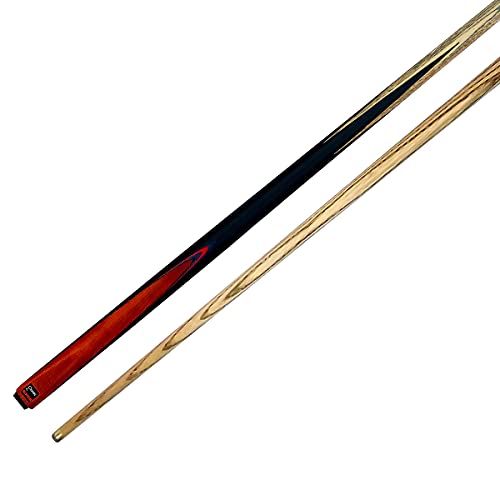
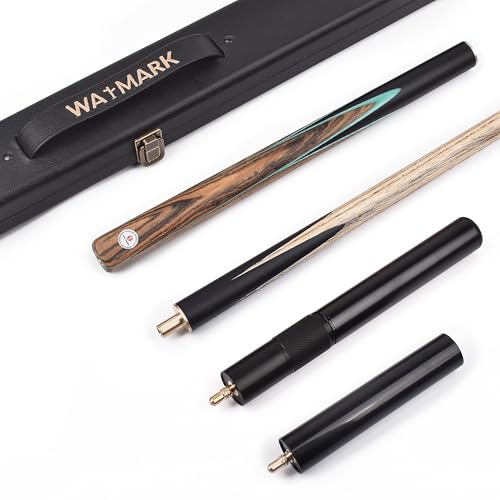
Spartan Fury GREEN VANQUISH Ash 3/4 Jointed Pool Snooker Cue 9mm
£39.95 *View On Amazon* - Snooker Cues
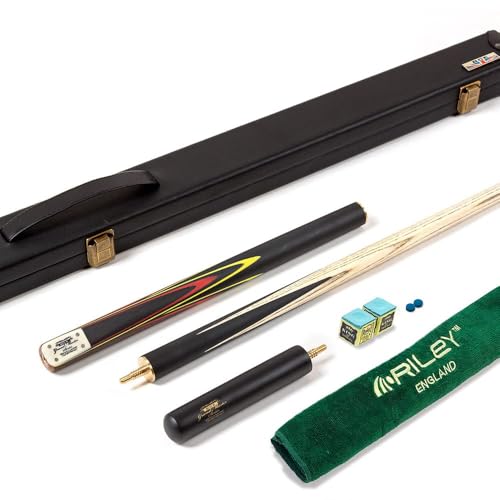
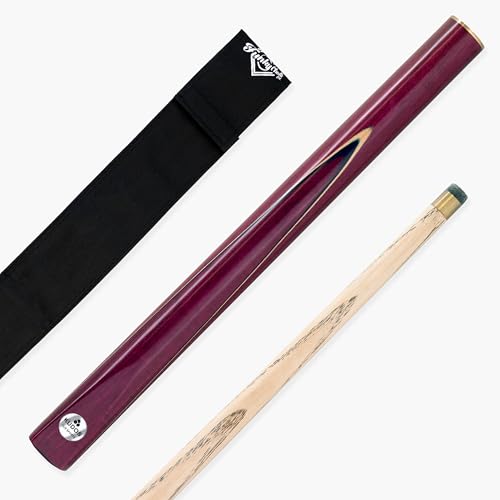
POWERGLIDE One 2-Piece Snooker Carom Cue Stick | Mako | Ash Shaft with Decal Hardwood Butt | Brass Joint | Full Size 57" | 10 mm Tip
Original price was: £29.95.£26.99Current price is: £26.99. *View On Amazon* - Snooker Cues
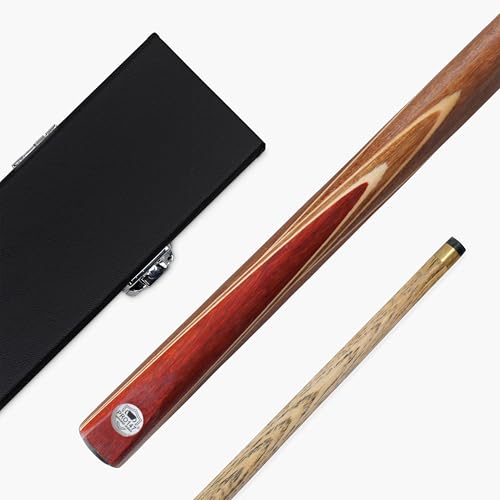
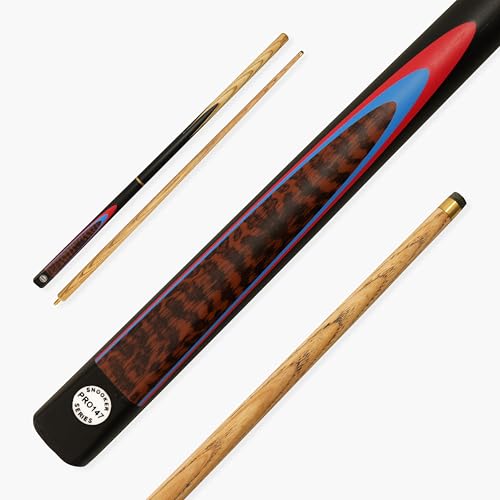
POWERGLIDE Snooker Pool or Billiard Cue | Quanta | Carbon & Fibreglass | Ultra Smooth Gloss, Matte Grip | 2 Piece 50/50 Joint | 13mm Tip | Full Size 57" | Cerulean Blue
Original price was: £40.66.£29.64Current price is: £29.64. *View On Amazon*








What This Category Includes
Snooker Cues includes the wider range of cues made for snooker play. That can include one piece snooker cues, two piece snooker cues, three quarter snooker cues, junior snooker cues, beginner snooker cues, and professional snooker cues.
Some cues differ by construction style, while others differ by the type of player or playing routine they are aimed at. Specifications vary — see individual product listings for details.
This page is designed as the main snooker cue overview rather than a narrow specialist branch. It helps you compare the overall snooker cue range before moving into a more specific cue type if needed.
Key Functional Roles
The core role of a snooker cue is to give you a playing cue designed around the feel and style of snooker. It is the main item that shapes how the cue feels in your hands and how comfortable the overall playing experience is during regular play.
Within that, different cue formats serve different practical roles. Some are chosen for straightforward everyday use, while others are selected because they suit storage, transport, or a more settled personal preference.
Because of that, snooker cues are not all approached in the same way. Many buyers think first about cue format, handling, and regular playing context rather than treating every cue as broadly the same.
Typical Use Scenarios
Snooker cues are used in home games rooms, clubs, shared recreation spaces, and other indoor cue sports settings. Some people want a cue for casual regular play at home, while others are looking for something that feels better suited to more frequent snooker sessions.
This category also suits people who need a cue that is easier to store or carry between locations. In other cases, the aim is simply to replace an older cue with one that better matches the way the game is played now.
As a broad category, it is also useful when you know you need a snooker cue but have not yet narrowed the choice to a more specific construction style. That often makes comparison easier before moving into a child category.
Buyer Considerations
A useful starting point is to think about how and where the cue will be used most often. That helps because one piece, two piece, and three quarter cues can suit different priorities when storage, transport, and day to day practicality matter.
It also helps to think about who the cue is for. A first snooker cue, a junior option, or a cue chosen for a more established playing routine may each call for a slightly different choice framework.
Construction style is usually one of the clearest ways to narrow the field. If you are comparing several snooker cues, focus on cue format, intended user, regular playing setting, and how the cue fits into everyday handling and storage.
Safety, Suitability and Best Practices
The main good practice point here is to choose a cue that suits the person using it and the setting where it will be used. Checking the product details carefully helps keep the choice aligned with the cue format and intended role that actually matter to you.
It also helps to store snooker cues sensibly and keep them protected when they are moved or put away between sessions. That can make everyday handling easier and helps keep the cue setup more organised over time.
Where cues vary by construction style or intended use, it is sensible to read the individual listing closely before buying. Specifications vary — see individual product listings for details.
Category Boundaries
This category includes snooker specific playing cues across the wider snooker cue range. It is the right place when you want to compare cue options for snooker without narrowing immediately into a more specialist cue branch.
It does not cover pool cues, which belong in Pool Cues, and it does not cover the broader mixed umbrella handled by Pool and Snooker Cues. It also excludes related accessory categories such as Cue Cases and Covers, Cue Tips and Ferrules, Cue Chalk and Tip Tools, and Cue Rests and Extensions.
That boundary keeps the page focused on snooker cues themselves. The aim is to help the reader understand the full snooker cue family without drifting into accessories or neighbouring cue sports branches.
FAQs
Q: What types of cues are included in Snooker Cues?
A: This category includes the broader range of cues made for snooker play. That can cover different construction styles and cues intended for different stages of experience or everyday use.
Q: What is the difference between Snooker Cues and Pool and Snooker Cues?
A: Pool and Snooker Cues is a wider umbrella category covering cues across both sports. Snooker Cues is narrower and focuses only on cues intended for snooker.
Q: How do I know which snooker cue format is right for me?
A: A useful first step is to think about where the cue will be stored, how often it will be moved, and who it is for. That usually narrows the choice more clearly than appearance alone.
Q: Are snooker cues suitable for home games rooms?
A: Many snooker cues are well suited to home play, as well as club and shared recreation settings. The best fit depends on the cue type and how regularly it will be used.
Q: Should I choose a one piece or a multi piece snooker cue?
A: That usually comes down to practicality and preference. Construction style often affects storage and transport, so it helps to think about where the cue will be kept and how often it will be moved.
Q: Is this a good category for buying a first snooker cue?
A: Yes, this category works well as a starting point because it shows the wider snooker cue range before you narrow into a more specific branch. That can make it easier to understand the main options first.
Practical Insights and Real World Context
In everyday use, people often find that the right snooker cue becomes clearer once they think about routine rather than just appearance. The way the cue will be stored, how often it will be transported, and whether it is for casual or more regular use often shape the choice more than cosmetic details.
That is why this category matters as a full snooker cue overview. It helps you understand the main snooker cue landscape before you commit to a narrower subcategory.
More experienced buyers also tend to think in a simple order. They begin with cue format, then consider who the cue is for, then look at how it fits into regular use at home or away from it.
How This Category Fits Into Your Gear and Equipment
Within the wider Pool and Snooker structure, this category sits as the dedicated branch for snooker specific playing cues. It forms part of the broader Pool and Snooker range, which organises the wider cue sports setup across play, care, storage, and table equipment.
 Getting ready for Summer? View our Home and Garden Products

Heading outdoors this winter? Take a look at our Outdoor Clothing.