
Badminton Rackets
Badminton rackets are designed to help players strike the shuttle with speed, accuracy and control. Whether you are playing casual garden games, school badminton, club sessions or regular indoor matches, the right racket can make your game feel more comfortable and responsive.
This category can include beginner badminton rackets, lightweight rackets, training rackets, recreational rackets and more performance focused options, depending on the products listed. Features such as weight, balance, grip size, frame material, string type and included covers can vary, so always check each product listing carefully before choosing.
- Badminton Rackets
YONEX Badminton Racquet NANOFLARE Speed 7 Aura RED G4 4U
Original price was: £34.99.£30.93Current price is: £30.93. *View On Amazon* - Badminton Rackets
YONEX ZR 100L Aluminium Badminton Racket with Full Cover (Black)
£21.74 *View On Amazon* - Badminton Rackets
Wilson Recon 85 Badminton Racket with Full Length Racket Cover
£44.99 *View On Amazon* - Badminton Rackets
BAIHUALIN WHiZZ ZM679 Badminton Racquet, Lightweight Carbon Graphite Badminton Racket with Grip Tape, Shuttlecock & Carrying Bag, Purple
Original price was: £19.99.£16.99Current price is: £16.99. *View On Amazon* - Badminton Rackets
Karakal Power CT Deluxe 2 Player Badminton Set inc 3 Shuttles
Original price was: £24.95.£23.99Current price is: £23.99. *View On Amazon* - Badminton Rackets
Carlton Unisex Aeroblade 2.0 Badminton Racket Graphite Silver/Black One Size
£23.99 *View On Amazon* - Badminton Rackets
AboveGenius Badminton Rackets Set for Outdoor Backyard Games, Including 4/6 Rackets, 6 Nylon Badminton Shuttlecocks, Lightweight Badminton Racquets for Beginners (6 Rackets 6 Birdies)
Original price was: £39.99.£36.99Current price is: £36.99. *View On Amazon* - Badminton Rackets
Carlton Badminton Racket GP-X 78, BLACK/GREEN
Original price was: £56.16.£50.16Current price is: £50.16. *View On Amazon*
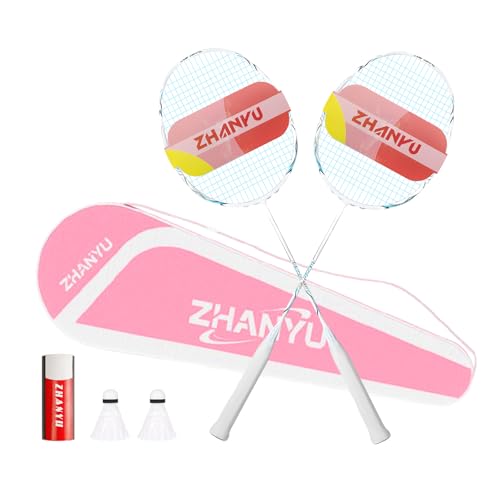
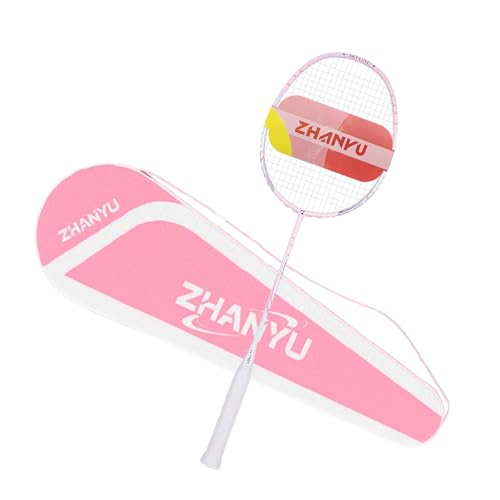

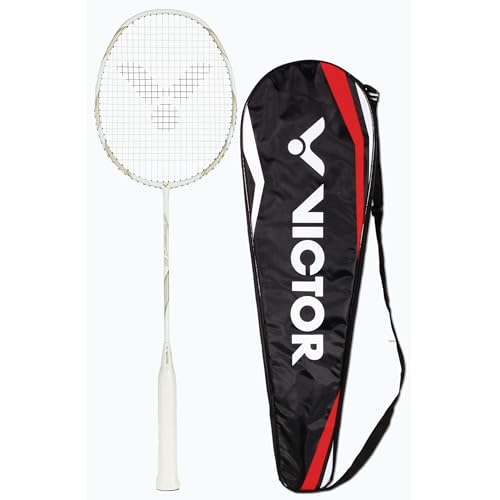


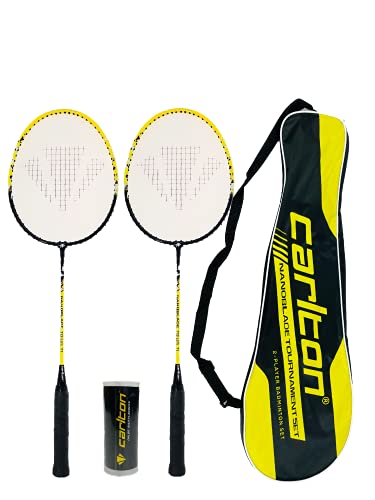


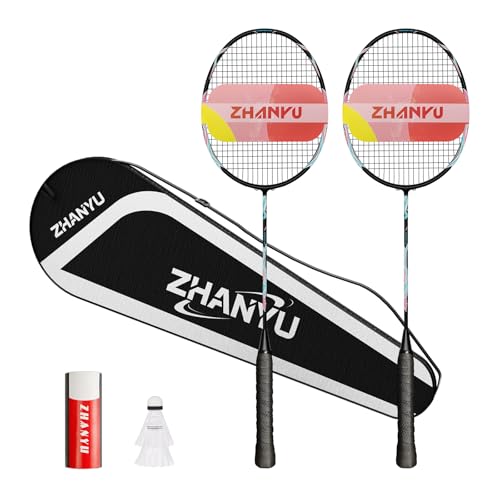


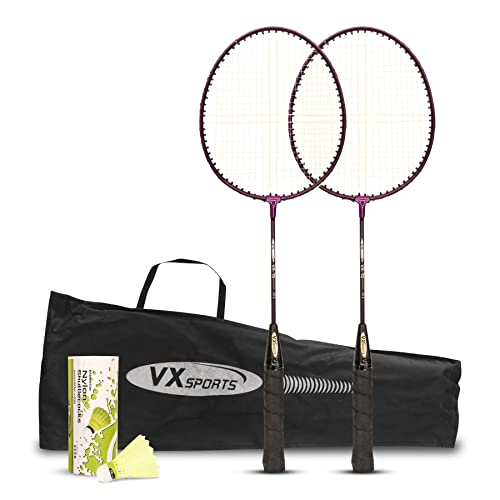


What Are Badminton Rackets?
Badminton rackets are lightweight sports rackets used to hit a shuttlecock over a net. They have a handle, shaft, frame and string bed, with the design focused on quick reaction speed and controlled movement.
Compared with tennis or squash rackets, badminton rackets are usually much lighter and are made for rapid wrist movement, fast rallies and overhead shots. They are used for singles, doubles, practice drills and recreational games.
What Are Badminton Rackets Used For?
Badminton rackets are used for playing badminton indoors, in sports halls, clubs, schools and leisure centres. They may also be used for relaxed outdoor play where conditions are suitable, although wind can affect shuttle movement.
Players use badminton rackets for serves, clears, drops, drives, net shots and smashes. A suitable racket can help the player feel more confident when learning timing, improving control or adding more pace to shots.
For beginners, the main aim is often comfort and easy handling. For regular players, racket balance, grip and string feel may become more important. For experienced players, small differences in control, speed and response can make a noticeable difference.
How To Choose The Right Badminton Racket
Start by thinking about the player’s level. A beginner usually benefits from a racket that feels light, forgiving and easy to swing. A regular player may want to compare balance, grip comfort and string feel more carefully. An experienced player may have a stronger preference for head light, even balance or head heavy rackets where listed.
Next, consider the type of play. Players who like fast doubles rallies may prefer a racket that feels quick through the air. Players who enjoy powerful overhead shots may compare rackets with more weight towards the head where stated. Players who focus on control may prefer a racket that feels steady and precise.
Grip comfort is also important. The racket should feel secure in the hand without forcing the player to grip too tightly. If the grip feels too small or worn, an overgrip may help where suitable.
Key Features To Compare
Weight is one of the most useful features to compare. A lighter racket may feel easier to move quickly, while a heavier feel may suit some players who prefer more stability. The right choice depends on strength, playing style and comfort.
Balance is another important factor. Some badminton rackets may be described as head light, even balance or head heavy where listed. Head light rackets can feel quicker, while head heavy rackets may appeal to players looking for more power. Even balance rackets can suit players who want a mix of speed and control.
Shaft flexibility can also affect feel. A more flexible shaft may feel easier for some players to use, while a stiffer shaft may suit players with faster swings where suitable. Always check the product details rather than assuming the feel from appearance alone.
Other features to compare include frame material, string tension guidance where listed, grip size, included cover, racket length, string pattern, colour and whether the racket is sold individually or as part of a set.
Badminton Rackets Compared With Tennis and Squash Rackets
Badminton rackets are not the same as tennis or squash rackets. They are usually lighter, narrower and designed for striking a shuttlecock rather than a heavier ball.
A tennis racket is built for tennis balls, longer swings and a different court game. A squash racket is designed for hitting a ball against walls in a faster enclosed space. A badminton racket is designed for quick reactions, overhead shots, net play and shuttle control.
The main difference is the object being hit. A shuttlecock behaves differently from a ball, so the racket needs to support fast touch, speed and wrist movement rather than heavy impact.
Beginner, Regular Player and Experienced Player Guidance
Beginners should look for a badminton racket that feels easy to swing and comfortable to hold. A simple, forgiving option can make it easier to learn basic shots without feeling weighed down.
Regular players may want to compare racket weight, balance and grip feel more closely. If you play weekly, a racket that suits your style can make rallies feel smoother and more controlled.
Experienced players often focus on more specific details, such as shaft response, head balance, string feel and how the racket performs during fast exchanges. They may also compare how different rackets suit singles, doubles, attacking play or defensive play.
Use Cases By Player Type and Activity
For casual badminton, a comfortable and easy to handle racket is usually the most practical choice. It should feel light enough for relaxed games and simple enough for different players to use.
For school and junior badminton, weight and grip size are important. A racket that is too heavy or awkward can make it harder for younger players to develop good technique. Always check suitability guidance where listed.
For club badminton, players may want a racket that feels reliable during repeated rallies, serves and match play. Balance, grip and string quality become more noticeable as playing time increases.
For doubles, quick reaction speed is often useful because rallies can be fast and close to the net. For singles, some players may want a racket that supports clears, control and movement around the full court.
For training, durability, comfort and consistency matter. A racket used regularly should feel dependable during drills, warm ups and longer sessions.
Fit, Grip and Compatibility
A badminton racket should feel comfortable in the hand and easy to control. The player should be able to hold it securely without squeezing too hard.
Grip size and grip condition can affect comfort. A grip that is too thin may feel unstable, while a grip that is too thick may reduce wrist movement. Overgrips or replacement grips may be useful where compatible.
String compatibility also matters if the racket will be restrung. Check the product details and any tension guidance where listed. If you are unsure, seek advice from a suitable stringer or coach before changing strings.
Safety and Playing Considerations
Badminton rackets should be used in a clear playing area with enough space for swinging. Players should be aware of others nearby, especially during doubles, school sessions and casual games.
Check the racket before play. Do not continue using a racket if the frame is cracked, the strings are badly damaged or the grip is loose. A damaged racket may feel unsafe or unreliable.
Use the racket only for badminton and avoid hitting the floor, walls or other objects. This can damage the frame, strings and shaft.
Care, Cleaning and Maintenance
Keep your badminton racket clean and dry after use. Wipe the grip and frame if needed, especially after energetic sessions.
Check the strings regularly for fraying, looseness or breakage. Strings naturally lose feel over time, and frequent players may need restringing depending on use and product suitability.
Grip condition should also be checked. A worn or slippery grip can affect control and comfort. Replacing or covering the grip may help keep the racket pleasant to use.
Avoid storing rackets in damp places, very hot cars or areas where they may be bent, crushed or knocked.
Storage and Transport Tips
A racket cover or sports bag can help protect a badminton racket during storage and travel, where included or suitable. Keeping the racket covered can reduce the risk of scratches, pressure on the strings and accidental damage.
Store rackets flat or safely upright where they will not fall over. Avoid placing heavy items on top of the frame or strings.
If you play regularly, keep your racket with shuttlecocks, grips, court shoes and sports clothing so your kit is ready for the next session.
Useful Accessories To Consider
Useful accessories may include shuttlecocks, replacement grips, overgrips, racket covers, sports bags, badminton nets, court shoes, wristbands and suitable sports clothing. The right accessories depend on whether you play casually, train regularly or compete.
If buying a racket as a gift, shuttlecocks and a cover can make it more practical where suitable. For regular players, spare grips and a proper bag may be worth considering.
Why Buy From YPC?
At YPC, we understand active lifestyles and the need for practical products that work in real use. Badminton rackets can vary by weight, balance, grip, material, string setup and intended use, so it helps to compare the details carefully before choosing.
YPC makes it easier to browse badminton rackets in a practical way, with options that can be compared by listed features, player level and playing style. Whether you are buying for casual games, school sport, club play or regular training, you can browse and compare badminton rackets at YPC to find suitable options for your game.
FAQs
What badminton racket should a beginner choose?
A beginner should choose a badminton racket that feels light, comfortable and easy to control. A forgiving all round option is often more useful than a very specialised racket when learning.
What is the difference between a badminton racket and a tennis racket?
A badminton racket is much lighter and is designed for hitting a shuttlecock. A tennis racket is designed for hitting a heavier tennis ball and is not suitable as a direct replacement.
Does badminton racket weight matter?
Yes, weight can affect how quick and comfortable the racket feels. Lighter rackets may be easier to swing quickly, while some players prefer a slightly heavier feel for stability.
What does racket balance mean?
Balance describes where the racket feels weighted. Head light rackets may feel quicker, head heavy rackets may suit power focused players where listed, and even balance rackets can offer a more balanced feel.
Can badminton rackets be restrung?
Many badminton rackets can be restrung where suitable, but this depends on the racket and its tension guidance. Check the product details and use a suitable stringer if needed.
Are badminton rackets suitable for children?
Some badminton rackets may be suitable for children depending on size, weight and grip. Check the product guidance and choose a racket the child can swing comfortably.
How do I look after a badminton racket?
Keep it clean, dry and protected from knocks. Check the strings and grip regularly, avoid extreme temperatures and store it in a suitable cover or bag where possible.
What accessories do I need with a badminton racket?
Useful accessories can include shuttlecocks, spare grips, a racket cover, sports bag, suitable footwear and sports clothing. The right choices depend on where and how often you play.
 Getting ready for Summer? View our Home and Garden Products

Heading outdoors this winter? Take a look at our Outdoor Clothing.