
Badminton Shoes
Badminton Shoes are indoor court shoes designed to support the grip, movement, comfort, and stability needed for badminton.
Badminton shoes are for anyone who plays on indoor courts and wants footwear that suits the quick, stop start movement of the game. This category helps you narrow down the main things that matter, such as fit, sole type, cushioning, and overall feel on court. Whether you play casually, train regularly, or compete more often, the differences between shoes can affect comfort and confidence through a session. The sections below explain those differences in a clear way so you can compare options more easily.
- Badminton Shoes
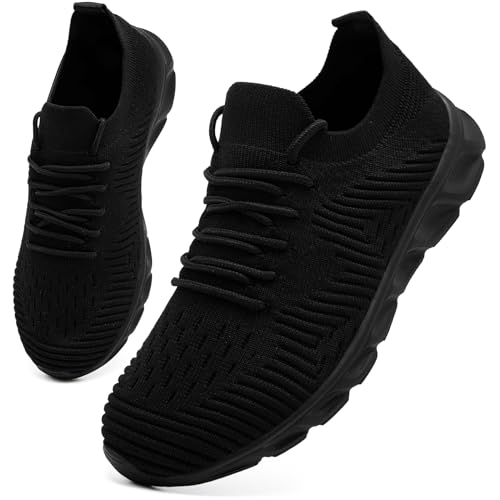
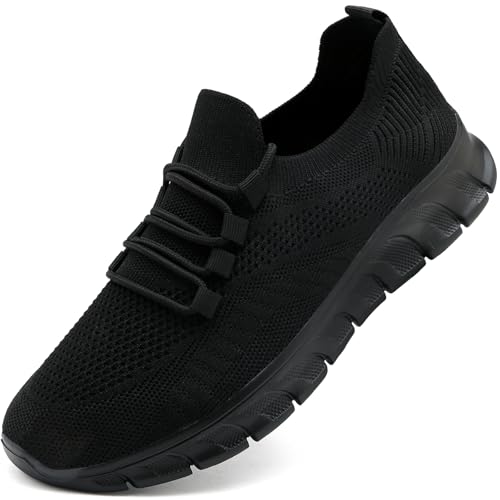
Trainers Mens Slip on Shoes Lightweight Running Walking Badminton Gym Tennis Sneakers Athletic Sports Black Size 9
Original price was: £18.04.£17.13Current price is: £17.13. *View On Amazon* - Badminton Shoes
adidas Men's Ligra 8 Mens Indoor Shoes, Core Black/Cloud White/Cloud White, 9 UK
Original price was: £60.00.£44.93Current price is: £44.93. *View On Amazon* - Badminton Shoes
adidas Men's Ligra 8 Mens Indoor Shoes, Cloud White/Core Black/Cloud White, 10 UK
Original price was: £60.00.£53.99Current price is: £53.99. *View On Amazon* - Badminton Shoes
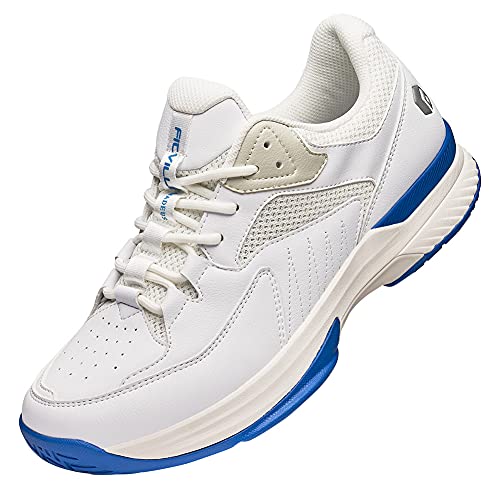
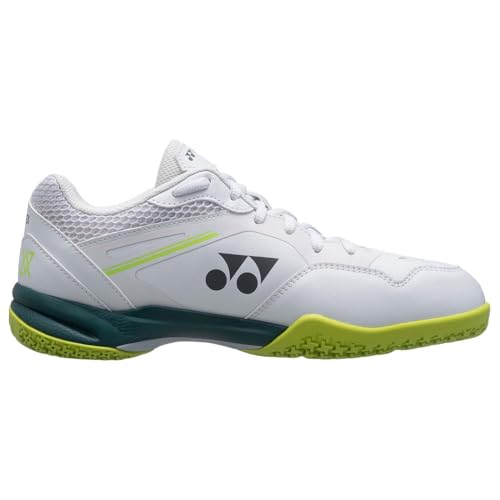
FitVille Mens Extra Wide Fit Tennis Badminton Squash Shoes Non Slip Sports Trainers for Volleyball Pickleball, White, 9 UK Wide
Original price was: £49.00.£41.65Current price is: £41.65. *View On Amazon* - Badminton Shoes
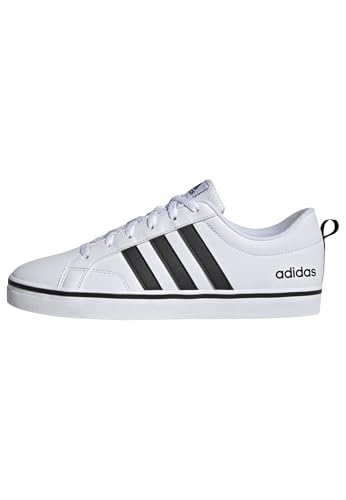
adidas Unisex VS Pace 2.0 Shoes, Cloud White/Core Black/Cloud White, 8.5 UK
Original price was: £45.00.£30.00Current price is: £30.00. *View On Amazon* - Badminton Shoes
adidas Men's BREAKNET 3.0 Shoes, Cloud White/Core Black/Cloud White, 9 UK
Original price was: £50.00.£30.00Current price is: £30.00. *View On Amazon*










What This Category Includes
This category includes badminton specific shoes for indoor court play across a range of fits, support levels, and playing preferences. Within the wider selection, you may see general all round shoes as well as more focused styles that overlap with child categories such as Kids Badminton Shoes, Indoor Court Shoes, Lightweight Badminton Shoes, and Non Marking Badminton Shoes.
Variation usually comes through fit shape, cushioning level, upper construction, sole feel, weight, and how structured the shoe feels during movement. Specifications vary — see individual product listings for details.
Key Functional Roles
The main role of badminton shoes is to provide a court suitable base for fast footwork, directional changes, and repeated movement over an indoor surface. They are designed around the demands of badminton rather than everyday casual wear.
A good pair also helps create a more secure feel through lunges, short bursts, and side to side movement. Cushioning, grip, and upper support all contribute to how stable and comfortable the shoe feels over time.
Typical Use Scenarios
Badminton shoes are commonly used for club sessions, school sport, coaching, practice drills, and match play on indoor courts. They suit both shorter recreational sessions and more regular weekly use, depending on the product details and overall construction.
They are also relevant for players who want footwear that feels more appropriate for badminton movement than general gym shoes. The exact choice often depends on how often you play, how hard you move, and the type of indoor court you use most.
Buyer Considerations
Start with fit, because that shapes almost everything else. You generally want a secure heel, enough room through the forefoot, and a stable feel when moving laterally without the shoe feeling loose.
Then look at sole type, cushioning, and overall structure. Some people prefer a lighter, quicker feel underfoot, while others want more underfoot comfort or a more supported feel during longer sessions. It is also worth checking whether the shoe is described for indoor court use and whether the sole and upper design match how often you play. Specifications vary — see individual product listings for details.
Safety, Suitability and Best Practices
Choose shoes that are suitable for indoor badminton and check the product details carefully before buying. A secure fit and the right court sole are sensible starting points for regular play, especially if you move quickly or play often.
It is good practice to keep shoes clean, let them dry out after use, and replace them when the sole or upper is clearly worn. If you play at a venue with specific court rules, check the shoe requirements before use.
Category Boundaries
This category is for badminton footwear only. It does not include rackets, shuttlecocks, grips, bags, or court equipment, which belong in their own badminton categories.
It also does not include tops, shorts, leggings, socks, or other apparel, which belong in Badminton Clothing. Braces, supports, sleeves, tape, and recovery items belong in Badminton Protective Gear or Badminton Recovery and Support instead. More specialised footwear subsets such as Kids Badminton Shoes, Indoor Court Shoes, Lightweight Badminton Shoes, and Non Marking Badminton Shoes sit beneath this category as narrower pages.
FAQs
Are badminton shoes different from ordinary trainers?
Yes, they are designed around indoor court movement and the quick directional changes that badminton involves. Fit, sole design, and underfoot feel are usually more focused on court use than general everyday trainers.
How do I know if badminton shoes fit properly?
A good fit usually feels secure at the heel and stable when you move side to side, without pinching the foot. You should also have enough room in the front so the shoe does not feel cramped during longer sessions.
Do I need non marking soles for badminton?
Many indoor venues prefer or expect non marking court soles, so this is a common detail to check. The exact requirement can vary by venue, so it is sensible to confirm before you buy or play.
Are lightweight badminton shoes always the right choice?
Not always. A lighter shoe may suit players who want a quicker feel, but comfort, support, and overall fit still matter just as much for many people.
Can I use the same badminton shoes for training and matches?
In many cases, yes. A well chosen all round pair can suit both regular training and match play, although preferences may change depending on how often you play and how you like the shoe to feel on court.
Practical Insights and Real World Context
Experienced badminton players often choose shoes by feel rather than by appearance alone. The way a shoe holds the foot, responds under movement, and feels after a full session usually matters more than cosmetic details.
Over time, people tend to learn whether they prefer a softer or firmer ride, a lighter feel, or a more structured upper. That is why clear product details and honest expectations matter in this category, especially when you are trying to narrow down what will feel right on court.
How This Category Fits Into Your Gear and Equipment
Within the wider Badminton structure, this category sits as the footwear section of the broader badminton equipment range.