
Badminton Strings
Badminton Strings are replacement strings and string reels used to create or refresh the string bed of a badminton racket.
Badminton strings sit at the centre of how a racket feels when you hit the shuttle. They are relevant whether you are replacing worn strings, adjusting the feel of a racket, or choosing a setup that better matches how you play.
Within this category, you will find different types of badminton strings aimed at control, power, durability, and general replacement use. The main differences usually come down to feel, response, string format, and how long the string is expected to last in regular play.
- Badminton Strings
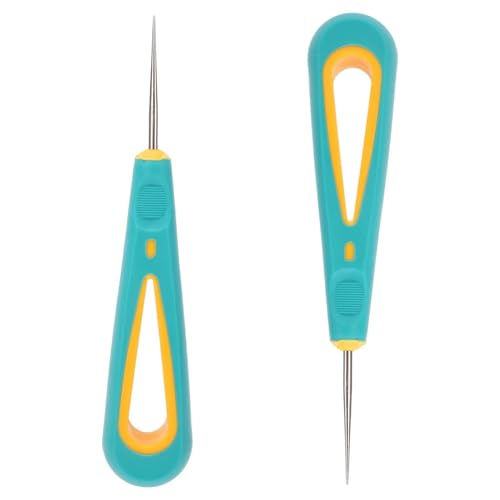
PATIKIL Badminton Racket Stringing Awl, 2 Pack Tennis Racket Racquet String Straight Awls Guiding Tool, Yellow
Original price was: £5.49.£4.39Current price is: £4.39. *View On Amazon* - Badminton Strings
RiToEasysports Badminton Grommets Set, Bucket Badminton String Protector with Racquet Eyelets Bucket String Protector Stringing Tools Grommet Badminton
Original price was: £11.08.£10.43Current price is: £10.43. *View On Amazon* - Badminton Strings
YONEX BG80 Power Badminton String – 200m Reel, Color- White
Original price was: £149.95.£131.45Current price is: £131.45. *View On Amazon* - Badminton Strings
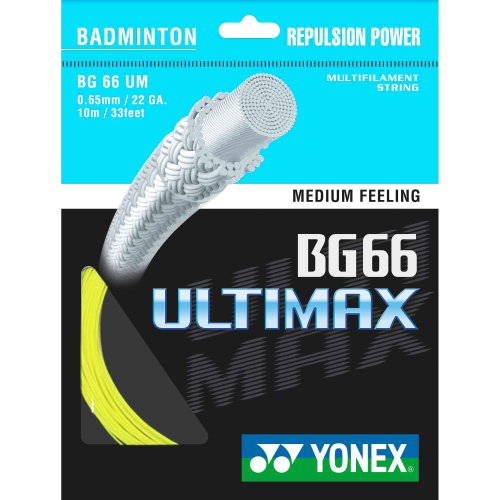
Yonex BG66 Ultimax Badminton String Set 0.65mm / 10m – Orange
£14.95 *View On Amazon* - Badminton Strings
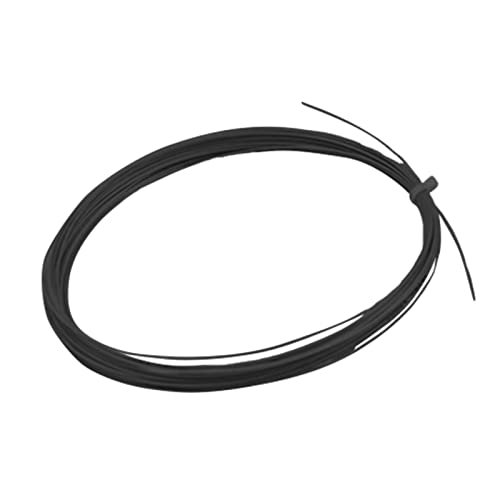
Badminton Racket Repair Cord Badminton String | 0.7mm/22GA Strong Resilience Training Nylon Racket String | Replacement Shuttlecock Net 10M for Badminton Racket Repair
Original price was: £2.69.£2.60Current price is: £2.60. *View On Amazon*








What This Category Includes
This category includes badminton strings sold as individual replacement sets and badminton string reels for repeated restringing. It also includes strings grouped by broad playing priorities such as durable badminton strings, control badminton strings, power badminton strings, and general replacement badminton strings.
Some products are aimed at occasional restringing, while others are intended for clubs, coaches, or anyone working through more frequent racket maintenance. Specifications vary — see individual product listings for details.
Key Functional Roles
Badminton strings form the hitting surface of the racket. They influence how the shuttle feels on contact, how crisp or soft the response seems, and how clearly you can sense the shot through the racket.
Different strings can shift the balance between touch, repulsion, and durability. That does not mean one type is right for everyone, but it does mean strings play a major role in how your racket setup feels in real use.
Typical Use Scenarios
You would usually look at badminton strings when a racket needs restringing, when the current string has broken, or when the feel of the racket no longer suits what you want from it. This applies to regular club play, casual sessions, school sport, and more serious match preparation.
Some buyers simply want a dependable replacement. Others want to narrow their choice around better touch at the net, a firmer hitting feel, or a more durable option for frequent play.
Buyer Considerations
Start by thinking about what matters most in your own racket setup. Some buyers want a string that feels more controlled and direct, while others are more concerned with a lively response or with lasting longer between restrings.
It also helps to check whether you need a single replacement set or a reel. A set is usually the simpler route for one racket, while a reel makes more sense when multiple rackets are restrung over time.
You should also look at the general type of string the product is positioned as. Control, power, and durable options point to different priorities, so the key question is not which one sounds most appealing, but which one best matches how you want the racket to feel during ordinary play.
Safety, Suitability and Best Practices
It is good practice to check the product details carefully before choosing badminton strings, especially if you already have a preferred racket feel or restringing routine. Small differences in string type can change the overall character of a racket setup.
For everyday suitability, focus on honest expectations. Some strings are chosen for sharper feedback, some for a more forgiving balance, and some for longer service life. Specifications vary — see individual product listings for details.
Category Boundaries
This category is for the strings themselves that go into a badminton racket. It includes replacement strings and reels used as part of racket maintenance and setup.
It does not include the rackets that hold those strings, which belong in Badminton Rackets. It also does not include grips, which belong in Badminton Grips, or the machines and tools used for fitting strings, which belong in Badminton Stringing Equipment.
FAQs
What is the difference between badminton string sets and badminton string reels?
A string set is usually intended for one racket restring. A reel is designed for repeated restringing over multiple rackets. The better choice depends on whether you need a one off replacement or a more regular supply.
How do I know whether to choose control, power, or durable badminton strings?
Start with the feel you want from the racket rather than the label alone. Control focused strings are usually chosen by people who want clearer touch and response, while durable strings are often considered when longevity matters more. Power focused strings are usually explored by those who want a more lively feel from the string bed.
Are badminton strings only for advanced players?
No. Badminton strings matter at every level because they affect how the racket feels in your hand. Even if you play casually, replacing old or unsuitable strings can make a racket feel more usable and consistent.
When should I look at replacing badminton strings?
Many people replace strings when they break, lose their preferred feel, or no longer suit how the racket is being used. The timing varies with playing frequency, hitting style, and the type of string chosen.
Can I buy badminton strings even if I am not restringing rackets myself?
Yes. Many people buy badminton strings separately and have them fitted elsewhere. This category is still relevant if you want control over the type of string going into your racket.
Is a more durable badminton string always the better option?
Not necessarily. A durable option may suit some buyers well, especially for frequent play, but it is not automatically the right choice for every racket feel or playing preference. The most suitable option depends on what you value most from the setup.
Practical Insights and Real World Context
Experienced badminton players often treat strings as part of the racket’s overall character, not as a minor accessory. Two rackets can feel very different in play even when the frame is similar, simply because the string choice changes the sense of contact and response.
In everyday terms, this means string choice is often less about chasing a dramatic change and more about refining how the racket behaves. Buyers usually feel happiest with this category when they focus on their own priorities first, whether that is touch, feel, or staying power between restrings.
How This Category Fits Into Your Gear and Equipment
Within the wider Badminton structure, this category sits as one of the specialised areas in the sport’s equipment range. It focuses on the racket string bed itself, while the broader Badminton category covers the wider selection of rackets, shuttlecocks, clothing, court equipment, and other supporting kit.