
Table Tennis Balls
Table Tennis Balls are lightweight balls used for table tennis games, practice sessions, training drills and match play.
Table tennis balls are central to every rally, serve and return. This category helps you compare balls for home play, school sessions, club practice, training use and match settings.
You can use this category when you need spare balls, practice quantities, colour choices or star rated options. The sections below explain the main differences so you can check the right product listing with more confidence.
- Table Tennis Balls
Dunlop Pro Tour 3 Table Tennis Balls White, Professional Training Balls
£7.76 *View On Amazon* - Table Tennis Balls
GAREGEAR HUIESON 100 Pack White 3-Star Table Tennis Balls Advanced Training Ping Pong Ball
£18.99 *View On Amazon* - Table Tennis Balls
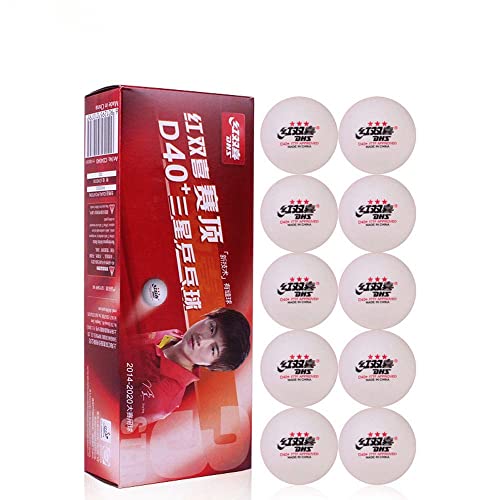
Double Fish V40+ 3 Star Table Tennis Ball
Original price was: £10.49.£9.99Current price is: £9.99. *View On Amazon* - Table Tennis Balls
FFDHWU 20 Pink Table Tennis Balls, 40mm, Plain, No Logo, Training, Beginner
£8.11 *View On Amazon* - Table Tennis Balls
eMKay® Pack of 12 Ping Pong Table Tennis Balls (3-Star 40+ High-Performance ABS Material Training Balls) Ideal for Indoor and Outdoor Table Tennis – GREEN
Original price was: £5.99.£5.70Current price is: £5.70. *View On Amazon* - Table Tennis Balls
JOOLA Unisex – Adult Tournament 40+ Table Tennis Balls, White, One Size
£12.28 *View On Amazon* - Table Tennis Balls
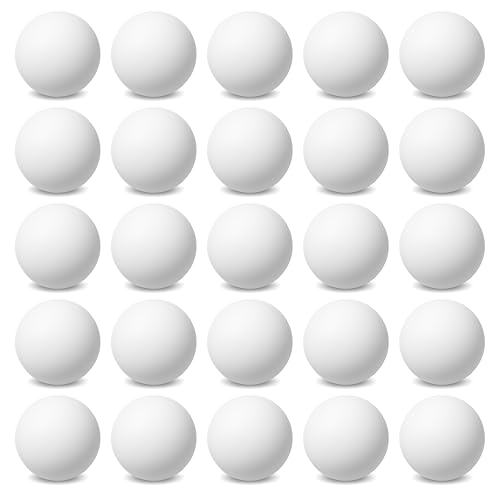
25 x White Ping Pong Balls Table Tennis 40mm No Logos Plain Ideal for Cat Dog Pet Toy School Crafts
Original price was: £9.99.£7.99Current price is: £7.99. *View On Amazon* - Table Tennis Balls
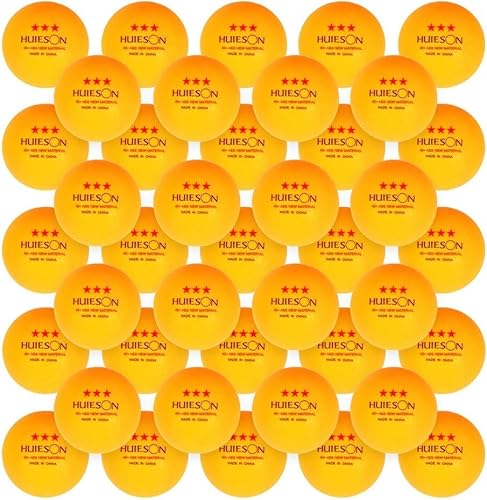
GAREGEAR HUIESON 100 Pack Orange 3-Star Table Tennis Balls Advanced Training Ping Pong Ball
£18.99 *View On Amazon* - Table Tennis Balls
Tibhar SYNTT NG 40+ 3 Star Table Tennis Ball (Box of 3), white
£5.99 *View On Amazon* - Table Tennis Balls
Donic-Schildkröt Jade Table Tennis Balls, Poly 40+ Quality, Package with 12 Units, 6x White / 6x Orange, 618045
Original price was: £12.95.£11.53Current price is: £11.53. *View On Amazon*









What This Category Includes
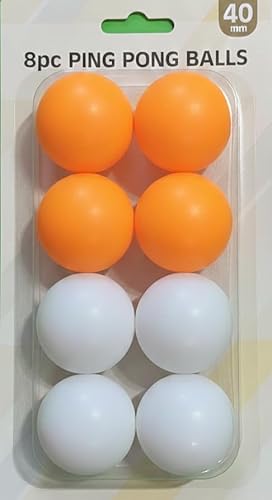
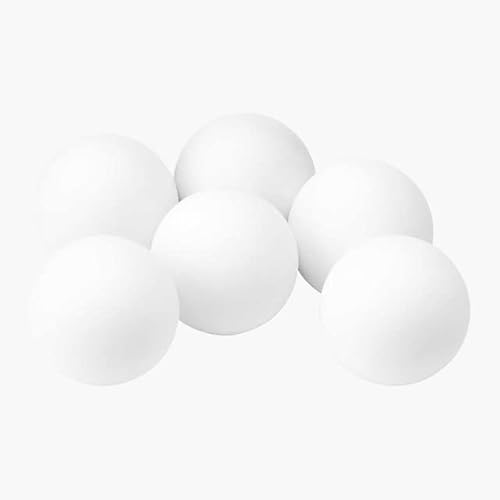
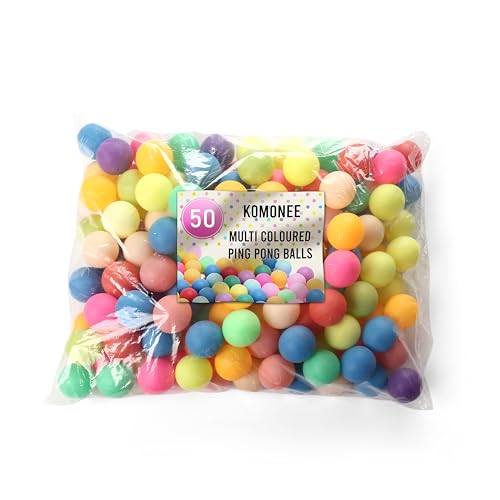
This category includes table tennis balls for practice, training, match play and general use. It covers 1 star, 2 star and 3 star table tennis balls, 40 plus table tennis balls, orange table tennis balls, white table tennis balls and table tennis ball packs.
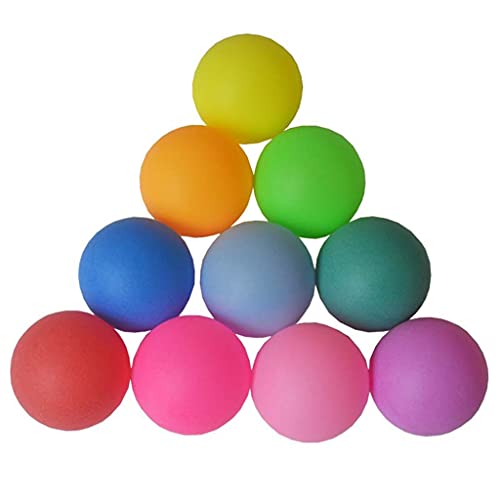
Balls can vary by star rating, colour, quantity, intended use and playing feel. Specifications vary — see individual product listings for details.
Some balls are aimed at regular practice and high volume use. Others are positioned for match play or more structured sessions where consistency is more important.
Key Functional Roles
A table tennis ball is the object struck between players during a game. It needs to work with the table, bat and net setup to support rallies, serves, returns and practice routines.
Practice and training balls help you keep enough balls available for repeated drills and longer sessions. Match balls are used where a more consistent playing feel is preferred.
White and orange balls can support visibility in different settings. Ball packs help when you need several balls for shared tables, schools, clubs or home practice.
Typical Use Scenarios
You can use table tennis balls at home, in schools, in sports halls, in clubs and in community spaces. They are used for casual games, coaching sessions, regular practice and more structured play.
Training sessions often need more balls than a casual game. This makes ball packs useful when you want to reduce interruptions during repeated serves, returns or drills.
Colour choice can matter in different rooms and lighting conditions. White and orange balls give you options where visibility against the table, floor or background is important.
Buyer Considerations
Start by deciding how the balls will be used. Casual games, school sessions, training drills and match play can each point towards different product listings.
Check the star rating when it is shown. Star ratings help separate simple practice options from balls intended for more formal use, although the exact feel still varies by product.
Think about quantity before choosing. A small pack may suit home play, while a larger pack can make sense for clubs, schools, training routines or shared tables.
Colour is also worth checking. White and orange balls can be easier to see in different playing environments, depending on the background and lighting.
Safety, Suitability and Best Practices
Choose table tennis balls that suit your playing space and intended use. Product listings should be checked for colour, quantity, star rating and format.
Keep spare balls together so play is easier to restart when a ball is lost or damaged. A simple holder or storage container can help avoid loose balls around the table area.
Replace balls when they no longer bounce or feel consistent during play. This is a practical quality consideration rather than a safety guarantee.
Category Boundaries
This category is for table tennis balls only. It includes balls used for play, training, practice and match settings, including colour options and pack formats.
Table Tennis Bats is separate because it focuses on the handheld playing item. Table Tennis Tables is separate because it focuses on the playing surface.
Table Tennis Nets and Posts, Table Tennis Robots, Table Tennis Training Equipment and Table Tennis Sets are also separate categories. They support the wider sport, but they are not individual table tennis balls.
FAQs
What are table tennis balls used for?
Table tennis balls are used during serves, rallies, returns, practice drills and games. They are the main ball used with a table tennis table, bat and net setup. Different listings may suit casual play, training or match use.
What does star rating mean on table tennis balls?
Star rating is used to separate different types of table tennis ball. A 1 star, 2 star or 3 star label can help you compare intended use and consistency. Check the individual product listing before choosing.
Are training table tennis balls different from match balls?
Training balls are usually chosen for practice, repetition and larger quantity use. Match balls are usually selected for more structured play where a consistent feel matters. Specifications vary — see individual product listings for details.
Should I choose white or orange table tennis balls?
White and orange balls can both be useful. The better choice depends on the table colour, room background and lighting. Choose the colour that is easiest for you to see clearly during play.
What are 40 plus table tennis balls?
40 plus table tennis balls are a named ball format within the table tennis category. They are commonly found in modern table tennis product listings. Check each listing for exact details and intended use.
How many table tennis balls do I need?
A few balls may be enough for occasional home games. Larger packs can be useful for schools, clubs and training sessions where balls are used repeatedly. Pack sizes vary by product.
Practical Insights and Real World Context
Experienced table tennis organisers usually keep more balls available than they expect to need. Balls can roll under furniture, leave the playing area or become less consistent over time.
For casual play, the main concern is usually having enough balls ready to keep the game moving. For training, quantity and consistency become more important because repeated practice uses balls quickly.
It is sensible to match the ball type to the setting. A home table, school hall, club session and practice drill can all place different demands on visibility, pack size and intended use.
How This Category Fits Into Your Gear and Equipment
Table tennis balls are one of the core items in any table tennis setup. They sit alongside bats, tables, nets, posts, storage and training equipment as part of the wider playing environment.
Within the wider Table Tennis structure, this category sits as the specialist area for balls used in play, practice and training.