
Table Tennis Blades
Table Tennis Blades are the main structural part of a custom table tennis bat, used as the base for fitting table tennis rubbers.
Table tennis blades are for you if you want more control over the feel and setup of a bat. They form the handle and playing base before rubbers are added.
This category helps you compare blade styles by shape, material, grip format and intended playing feel. It sits between complete bats and replacement rubbers, so the choice matters most when you are building or adjusting a custom setup.
- Table Tennis Blades
STIGA Clipper CR Table Tennis Blade (Master FL), Brown
Original price was: £68.10.£65.28Current price is: £65.28. *View On Amazon* - Table Tennis Blades
High Performance Table Tennis Racket Blade for Enhanced Power and Defensive Play (Long Handle)
£14.19 *View On Amazon* - Table Tennis Blades
Stiga Unisex Adult Clipper Master Grip 7 Ply Offensive Blade Tree One Size
Original price was: £55.00.£52.25Current price is: £52.25. *View On Amazon* - Table Tennis Blades
Butterfly Petr Korbel Table Tennis Blade
Original price was: £79.99.£69.99Current price is: £69.99. *View On Amazon* - Table Tennis Blades
Advanced Table Tennis Blade with Optimised Rigidity and Stability Long Handle
£16.00 *View On Amazon* - Table Tennis Blades
Seven Layer Wood Blade Sandalwood Table Tennis Base Long Handle
£13.66 *View On Amazon* - Table Tennis Blades
Stiga Unisex Adult 45 Classic Grip Carbonado Tree Tree, One Size
£162.34 *View On Amazon* - Table Tennis Blades
STIGA Aura Hybrid Carbon Cybershape Professional Table Tennis Blade with Classic Grip
£100.62 *View On Amazon* - Table Tennis Blades
HdGLfdKfb Professional Table Tennis Blade CS Short Handle
£88.99 *View On Amazon* - Table Tennis Blades
Table Tennis Paddle Bottom Plate with Equal Thickness Core and Long Handle
£13.56 *View On Amazon* - Table Tennis Blades
STIGA Unisex Adult Allround Classic Master Grip Lightweight 5 Ply Blade
£42.62 *View On Amazon* - Table Tennis Blades
Banda by STIGA Allround Future Cybershape Master Table Tennis Blade
£34.90 *View On Amazon* - Table Tennis Blades
Butterfly Harimoto Innerforce Super ZLC Table Tennis Blade
£564.45 *View On Amazon* - Table Tennis Blades
STIGA Unisex Adult Dynasty Carbon Classic Table Tennis Blade Wooden One Size
£220.00 *View On Amazon* - Table Tennis Blades
STIGA Allround Classic Cybershape Offensive 5 Ply Table Tennis Blade
£60.13 *View On Amazon*








What This Category Includes
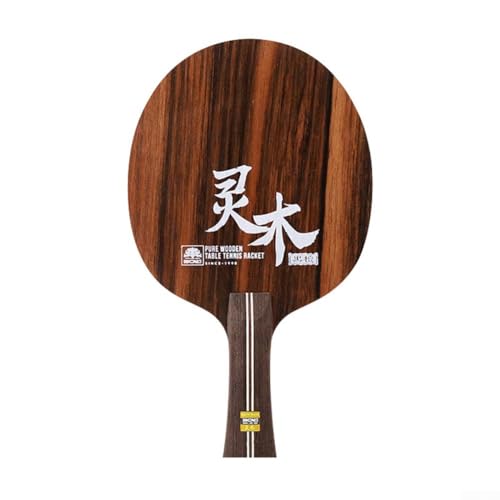
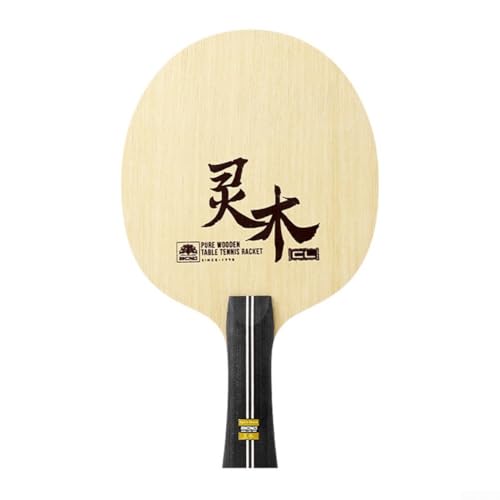
This category includes table tennis blades for custom bat building and replacement setups. It covers all round, defensive, offensive, carbon, wood, junior, penhold and shakehand table tennis blades.
Blades can vary by handle shape, material construction, size, weight, stiffness and playing feel. Specifications vary — see individual product listings for details.
Some blades are designed for balanced use, while others are shaped around a more defensive or attacking style. The blade does not work alone, because the rubbers added to it also affect the final feel of the bat.
Key Functional Roles
A table tennis blade gives the bat its main structure. It provides the handle, the face for fitting rubbers and the base feel behind every shot.
The blade can influence how direct, controlled or responsive the bat feels. Wood blades and carbon blades can feel different in use, depending on their construction and the rubbers fitted.
Handle style also matters. Penhold and shakehand blades support different grip approaches, so the listing should match the way you prefer to hold the bat.
Typical Use Scenarios
You may choose a table tennis blade when building a custom bat from separate parts. You may also choose one when replacing a blade or moving away from a complete ready made bat.
Regular practice and club play are common reasons for comparing blades. A more considered blade choice can help you create a setup that feels more natural in your hand.
Junior blades can suit smaller hands, depending on the product. All round, defensive and offensive blades help you narrow the choice by broad playing style rather than by brand or model.
Buyer Considerations
Start with your grip style. Shakehand and penhold blades are different formats, so this is one of the clearest checks before choosing.
Then think about the broad feel you want from the bat. All round blades are usually chosen for balanced use, defensive blades for steadier control based play, and offensive blades for a more direct attacking style.
Material is another useful comparison point. Wood blades and carbon blades can feel different, but the exact response depends on the individual construction and the rubbers fitted.
Check the listing for handle type, blade style, size, weight and suitability notes. Specifications vary — see individual product listings for details.
Safety, Suitability and Best Practices
Choose a blade that suits your grip style and the type of bat setup you want to build. A blade that feels comfortable in the hand is easier to use consistently during regular play.
Check individual product listings before choosing because blade construction and format can vary. A blade may also require separate rubbers and suitable assembly items, depending on the product.
Keep the blade stored carefully when not in use or before assembly. This helps protect the playing face, edges and handle from unnecessary knocks.
Category Boundaries
This category is for table tennis blades only. It includes the main structural part used to build a custom table tennis bat.
Table Tennis Bats is separate because it focuses on complete bats that are already playable. Table Tennis Rubbers is separate because it focuses on the replacement playing surfaces fitted to a blade.
Table Tennis Balls, Table Tennis Tables, Table Tennis Nets and Posts, Table Tennis Accessories and Table Tennis Sets are also separate categories. They support table tennis play, but they are not blade components.
FAQs
Q1. What is a table tennis blade?
A table tennis blade is the main structural part of a bat. It includes the handle and the face where rubbers are fitted. It is usually chosen when building or adjusting a custom bat setup.
Q2. Is a table tennis blade the same as a bat?
No. A table tennis bat is usually a complete playing item, while a blade is only the base part. A blade normally needs suitable rubbers before it becomes a complete playing setup.
Q3. How do I choose between wood and carbon table tennis blades?
Wood and carbon blades can feel different in use. Think about the kind of response you want, then check the individual listing for construction, style and suitability notes. Specifications vary — see individual product listings for details.
Q4. What does all round mean in table tennis blades?
All round usually describes a blade intended for balanced play. It may suit people who do not want to focus only on defensive or offensive style selection. The exact feel still varies by product.
Q5. What is the difference between penhold and shakehand blades?
Penhold and shakehand blades are designed around different grip styles. Choose the format that matches the way you hold the bat. Check the listing details before buying because handle shape and size can vary.
Q6. Are junior table tennis blades smaller?
Junior blades are generally intended for younger or smaller handed use. Size, weight and handle details can vary by product. Always check the listing before choosing.
Practical Insights and Real World Context
Experienced table tennis buyers often treat the blade as the foundation of the bat. The blade sets the base feel, while the rubbers shape the contact with the ball.
It is useful to choose the blade before thinking too deeply about the final rubber setup. Grip style, comfort and overall feel should make sense first.
Many people move to separate blades after using complete bats for a while. That step usually comes when you understand what you want to change about control, response or handling.
How This Category Fits Into Your Gear and Equipment
Table tennis blades sit within the custom setup side of table tennis equipment. They are most relevant when you want to build or adjust a bat rather than choose a complete ready made option.
Within the wider Table Tennis structure, this category sits as the specialist area for custom bat foundations.