

Table Tennis Robots
Table tennis robots are training machines designed to feed balls across the table so players can practise without needing a partner for every session. They can help with repetition, timing, footwork, serves, returns and shot consistency, depending on the product features listed.
The right table tennis robot should suit your playing level, table setup, available space and training goals. Some models are simple ball feeders for basic practice, while others may include adjustable speed, spin, placement or drill settings where listed.


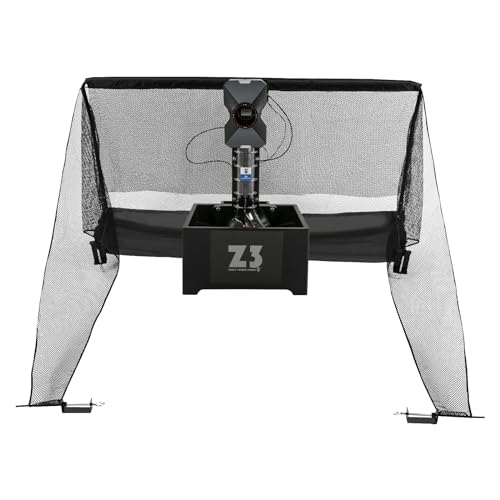


What Are Table Tennis Robots?
Table tennis robots are automated practice aids that launch table tennis balls to the player. They are usually placed on or around a table tennis table and used to repeat shots for training purposes.
Depending on the product, a table tennis robot may offer adjustable ball speed, spin type, frequency, direction, placement, random modes, remote controls, collection nets or programmable drills where listed. Features can vary widely, so it is important to compare each product carefully before buying.
They are used by beginners, home players, club players, coaches and anyone who wants more structured practice time.
What Are Table Tennis Robots Used For?
Table tennis robots are used for solo practice, repeated stroke training, footwork drills, consistency work and coaching sessions. They allow players to practise specific shots many times in a row, which can be useful when learning or refining technique.
Beginners may use a robot to build timing and confidence. Regular players may use one to practise forehands, backhands, topspin, blocking or movement patterns. Coaches may use robots to support individual drills or help players focus on one technical area at a time.
They can also be useful at home where finding a regular practice partner is difficult.
How To Choose The Right Table Tennis Robot
Start by thinking about your level of play. A beginner may need a simple robot with easy controls and steady ball feeding. A regular player may want more adjustment options for speed, spin and placement. An experienced player may look for more varied drill settings where listed.
Next, check compatibility with your table. Some table tennis robots are designed to sit on the table, while others may attach behind the table or work with a collection net where included. Check the product details to make sure the setup suits your table size and layout.
Also consider how much space you have. A robot may need room behind the table, space for ball collection and a clear playing area around the table. If your table is in a tight room, check setup requirements before buying.
Key Features To Compare
When comparing table tennis robots, look at ball feed speed, spin settings, placement options, frequency control, ball capacity, power source, setup style, control method and included accessories where listed.
Spin control can be useful for players who want to practise against topspin, backspin or sidespin where available. Placement adjustment helps vary where the ball lands on the table, which can make drills more realistic.
Ball frequency affects how quickly balls are delivered. A slower feed can suit beginners and technical practice, while a faster feed may suit fitness drills and more advanced training, depending on the product.
Ease of use is also important. Clear controls, simple loading and straightforward cleaning can make the robot more enjoyable to use regularly.
Table Tennis Robots Compared With Practice Partners And Training Aids
A table tennis robot is different from a practice partner because it repeats balls in a predictable or adjustable way. This is useful for building repetition, but it does not fully replace the variety and decision making of playing against another person.
A practice partner can change spin, speed and tactics naturally. A robot is more useful for focused drills, repeated shots and training when nobody else is available.
Other training aids, such as rebound boards, target markers or serve practice tools, can help with specific skills. A table tennis robot is usually more complete for ball feeding and repeated stroke practice, but it may need more space, setup time and care.
Guidance For Beginner Regular And Experienced Players
Beginners should look for a table tennis robot that is simple to set up and easy to control. The aim should be steady practice, clean contact and confidence rather than very fast or complex drills.
Regular players may benefit from adjustable speed, placement and spin where listed. These features can help build consistency and make practice sessions more varied.
Experienced players may prefer robots with more advanced drill options, random placement or wider adjustment. They may use the robot for footwork, counter hitting, receive practice and match preparation, depending on the product capabilities.
Use Cases By Player Type And Activity
For home players, a table tennis robot can make solo practice easier when a partner is not available. Space, storage and simple setup are important for regular home use.
For club players, robots can support focused technical work outside normal matches. They can be useful for practising one shot repeatedly before applying it in games.
For coaches, a robot can help deliver consistent feeds while observing a player’s technique. It may also help with group sessions where players rotate through drills.
For juniors, supervision is important. A robot can make practice fun and structured, but settings should match the player’s age, ability and confidence.
For fitness focused players, faster drills and movement patterns may be useful where the robot supports them. Always build intensity gradually and play within your ability.
Fit Compatibility And Setup Practicality
Before buying, check whether the table tennis robot suits your table, net setup and available room. Some robots may require specific positioning, attachment points or collection areas where listed.
Ball compatibility should also be checked. Some robots may work best with certain ball sizes, materials or quality levels where specified by the product. Using damaged or unsuitable balls may affect feeding consistency.
If the robot includes a catch net or recycling system where listed, make sure there is enough room to fit it properly. A good setup can reduce the time spent collecting balls and make practice more efficient.
Power requirements matter too. Check whether the robot uses mains power, batteries or another power source where listed, and make sure cables or controls do not create a trip hazard.
Safety Care Maintenance And Storage
Use table tennis robots in a clear playing area with enough room around the table. Keep loose balls, cables and bags away from the playing space to reduce trip risks.
Always follow the product instructions for setup, operation and cleaning. Do not place hands near moving or feeding parts while the robot is running unless the instructions say it is safe to do so.
Check balls before use. Cracked, dented or dirty balls may feed poorly and could affect performance. Keep the robot clean and remove dust or debris as advised by the product guidance.
Store the robot in a dry place when not in use. Avoid leaving it where it could be knocked, crushed or exposed to damp conditions. If the robot has removable parts, keep them together so setup is easier next time.
Useful Accessories To Consider
Useful accessories can include table tennis balls, table tennis bats, bat cases, ball storage containers, table covers, nets, training markers and sports towels. A larger supply of practice balls can be especially helpful with table tennis robots.
For regular training, consider keeping a dedicated practice kit with balls, spare bats, cleaning items and a storage container. This helps make each session easier to start and easier to tidy away.
Why Buy Table Tennis Robots From YPC?
At YPC, we understand active lifestyles and the need for practical products that work in real use. Table tennis robots can vary by setup style, feed control, spin options, ball capacity, compatibility and ease of use, so comparing the details helps you choose with more confidence.
YPC helps you browse table tennis training equipment with real practice needs in mind, whether you are buying for home training, club practice, coaching sessions, junior development or solo drills. Explore the Table Tennis Robots category to browse the available options and compare the features that matter most for your table tennis setup.
FAQs
What is a table tennis robot used for?
A table tennis robot is used to feed balls automatically so players can practise shots, timing, footwork and consistency without needing a practice partner for every session.
Are table tennis robots good for beginners?
Yes, table tennis robots can be useful for beginners if the settings are simple and adjustable. A steady feed can help new players practise timing, bat angle and basic strokes.
Can a table tennis robot replace a practice partner?
No, a robot does not fully replace a practice partner because it cannot think, react or play tactically like a person. It is best used for repetition, drills and solo practice.
What features should I look for in a table tennis robot?
Look for adjustable speed, spin, placement, feed frequency, ball capacity, setup style and easy controls where listed. The most useful features depend on your playing level and training goals.
Do table tennis robots work with any table?
Not always. Compatibility can depend on the table size, net setup, mounting style and available space. Check the product details before buying to make sure it suits your table.
Do I need lots of balls for a table tennis robot?
A larger supply of table tennis balls is usually useful because robots feed balls repeatedly. Some products may include balls or work with certain ball types where listed, so check the description carefully.
Are table tennis robots difficult to set up?
Setup varies by product. Some robots are simple to place and use, while others may need more careful positioning, nets or settings. Always follow the product instructions.
How do I look after a table tennis robot?
Keep the robot clean, use suitable undamaged balls, follow the care guidance and store it in a dry place. Check moving parts, cables and accessories regularly before use.
 Getting ready for Summer? View our Home and Garden Products

Heading outdoors this winter? Take a look at our Outdoor Clothing.
