

Table Tennis Rubbers
Table tennis rubbers affect how your bat grips the ball, creates spin, controls shots and feels during rallies. The right rubber should suit your blade, playing style, experience level and the balance you want between speed, spin and control.
At YPC, you can browse table tennis rubbers for beginners, developing players, club players and more experienced users who want to refresh or adjust their bat setup. This category helps you compare rubber type, sponge feel, surface grip, speed, control, spin potential, colour and compatibility before choosing.
- Table Tennis Rubbers
Tibhar Table Tennis Edge Band Evolution 12 mm Wide 5 m Long Red
£13.80 *View On Amazon* - Table Tennis Rubbers
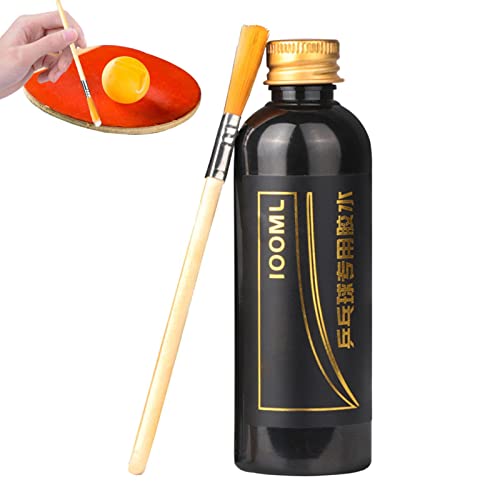
Table Tennis Paddle Glue 100 ml
Original price was: £2.99.£2.89Current price is: £2.89. *View On Amazon* - Table Tennis Rubbers
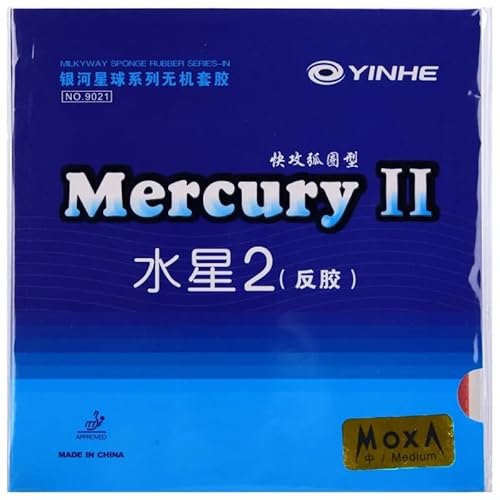
JOOLA Rhyzen Ice Rubber, Black, 2.0 mm Table Tennis
Original price was: £33.24.£28.28Current price is: £28.28. *View On Amazon* - Table Tennis Rubbers
JOOLA Energy Green Power Table Tennis Rubber (Red, Maximum)
£40.38 *View On Amazon* - Table Tennis Rubbers
Tibhar Unisex DHS Hurricane Neo 3 Red 2.15 mm Table Tennis Rubber
£26.99 *View On Amazon* - Table Tennis Rubbers
Table Tennis Rubber Cover Pong Rubber Protector Sheet Table Tennis Rackets Replacement Cover Red
£8.36 *View On Amazon* - Table Tennis Rubbers
4PCS Table Tennis Rubber Sheet Table Tennis Bat Replacement Rubbers Sheet
£25.99 *View On Amazon* - Table Tennis Rubbers
Tibhar DHS Hurricane 3 Neo Table Tennis Rubber Black 2.15 mm
£26.99 *View On Amazon* - Table Tennis Rubbers
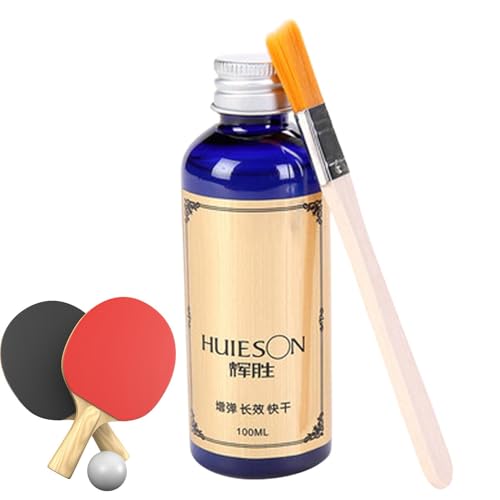
WAN2TLK Table Tennis Glue 100ml with 4 Sponges for Replacing Table Tennis Rubber
£9.99 *View On Amazon*






What Are Table Tennis Rubbers?
Table tennis rubbers are the playing surfaces fitted to each side of a table tennis blade. They are the part of the bat that makes direct contact with the ball during serves, pushes, blocks, loops, drives and smashes.
Depending on the product, a table tennis rubber may include a top sheet and sponge layer, or a simpler construction suited to a particular playing style. Rubbers can vary in surface texture, grip, sponge thickness, sponge hardness, speed, spin and overall feel where listed.
Some players buy a complete ready made bat, while others choose separate blades and rubbers to build a more personalised setup.
What Are Table Tennis Rubbers Used For?
Table tennis rubbers are used to control how the ball leaves the bat. They can affect spin, speed, touch, blocking, serving and returning.
A grippy rubber can help create spin on serves and attacking shots. A more controlled rubber may help beginners place the ball more consistently. Some specialist rubbers are designed for defensive play, blocking or disrupting spin, depending on the product.
Players may replace table tennis rubbers when the surface becomes worn, when the sponge loses feel or when they want to adjust how their bat plays.
How To Choose The Right Table Tennis Rubber
Start with your playing level. Beginners usually benefit from rubbers that feel controlled, predictable and forgiving. A very fast or highly specialised rubber may make the game harder if technique is still developing.
Next, think about your playing style. Attacking players may want more speed and spin where suitable, while defensive or control based players may prefer a rubber that makes placement and blocking easier.
You should also check compatibility with your blade. Not every rubber will suit every blade or player. A fast rubber on a fast blade can feel difficult to control, while a slower rubber on a controlled blade may suit learning and steady play.
Key Features To Compare
When comparing table tennis rubbers, look at rubber type, surface grip, sponge thickness, sponge feel, speed, spin, control, colour and whether the rubber is supplied as a sheet or part of a set where listed.
Spin potential matters if you use serves, loops and topspin shots. Control matters if you are learning, blocking or placing the ball carefully. Speed matters if you attack often, but more speed is not always better for every player.
Also check whether the rubber is suitable for forehand, backhand or either side where listed. Many players use different rubbers on each side of the bat to match different shot styles.
Inverted Rubbers Compared With Pimpled Rubbers
Inverted rubber is the most common style for many table tennis players. The smooth surface faces outward and is often chosen for spin, control and a familiar playing feel.
Pimpled rubber has small pimples facing outward. Short pips, long pips and other pimple styles can behave differently depending on the product. Some are used for flatter hitting, blocking, defence or changing the rhythm of the rally.
The trade off is feel and learning curve. Inverted rubber is usually easier for many players to understand, while pimpled rubbers can be more specialised and may suit players with a clear tactical reason for using them.
Fast Rubbers Compared With Control Rubbers
Fast rubbers can help attacking players generate pace, but they may also make it harder to keep the ball on the table if timing and technique are not consistent.
Control focused rubbers usually offer a steadier feel. They can be useful for beginners, all round players and anyone who values placement over outright speed.
The better choice depends on how you play. If you are still developing strokes, a controlled rubber may support progress better than jumping straight to a very fast setup.
Tacky Rubbers Compared With Grippy Rubbers
Some table tennis rubbers are described as tacky where listed, meaning the surface can feel stickier to the touch. These may suit players who want strong spin and controlled brushing contact, depending on technique and rubber design.
Other rubbers may feel grippy rather than tacky. They can still create spin, but the contact feel may be different. Some players prefer this for faster rallies, blocks and topspin exchanges.
There is no single right answer. The best feel depends on your stroke style, timing, blade and level of experience.
Beginner, Regular Player And Experienced Player Guidance
Beginners should focus on table tennis rubbers that are comfortable, controlled and easy to use. A forgiving rubber can help develop basic strokes, serve control and rally consistency.
Regular players may want to compare spin, speed, sponge feel and how the rubber performs on forehand and backhand. If you play weekly, worn rubber or the wrong setup can become more noticeable.
Experienced players may look more closely at sponge response, throw angle, dwell feel, tackiness, pimple style, defensive options and how the rubber works with a chosen blade. Fine tuning becomes more useful once technique and playing style are established.
Use Cases By Playing Style And Activity
For casual home play, table tennis rubbers should be reliable, comfortable and easy to control. A balanced setup is usually more practical than a very specialist rubber.
For club play, players may want rubbers that support serves, returns, blocks, topspin and counter shots more consistently. Durability and feel over repeated sessions may also matter.
For attacking play, compare rubbers that offer speed and spin where listed, while still keeping enough control for your level.
For defensive play, specialist rubbers may be worth considering where suitable, especially if you use chopping, blocking or variation as part of your game.
Forehand And Backhand Considerations
Many players use different rubbers on the forehand and backhand because each side often has a different job. The forehand may be used for stronger attacking shots, while the backhand may need better control, blocking or quick reaction play.
A faster or spin focused rubber may suit a confident forehand where suitable. A more controlled rubber may suit a backhand if you want steadier returns and safer placement.
This is personal rather than fixed. Some players prefer the same rubber on both sides for a consistent feel, especially when learning.
Colour, Rules And Practical Setup
Table tennis bats usually use different colours on each side so players can tell which rubber is being used. Red and black are common, but always check the product listing and any competition requirements where relevant.
If you play in organised events, check whether the rubber is suitable for that level of play and whether any approval or competition information is listed. Do not assume every rubber is suitable for every formal setting.
For casual play, the main priority is choosing rubber that fits your blade, suits your style and feels comfortable during rallies.
Fit, Compatibility And Blade Matching
Table tennis rubbers are usually fitted to a blade and trimmed to shape. The rubber sheet should be suitable for the blade size and should be applied carefully using appropriate adhesive where required.
Blade choice affects how the rubber feels. A fast blade can make a rubber feel livelier, while a more controlled blade can make the same rubber feel steadier.
If your blade is old, damaged or uneven, replacing the rubber may not solve every issue. Check the blade surface, handle and overall condition before fitting new rubbers.
Replacing And Fitting Table Tennis Rubbers
Table tennis rubbers may need replacing when grip reduces, the surface becomes shiny or worn, the sponge loses response or the rubber starts lifting from the blade.
Some players fit rubbers themselves, while others prefer help from someone experienced. A clean, careful fit matters because bubbles, uneven cutting or poor adhesion can affect feel.
When changing rubber type, it can be sensible to make small changes rather than changing everything at once. This makes it easier to understand what has improved and what feels different.
Safety And Practical Play Considerations
Table tennis rubbers should be used with suitable table tennis blades, balls and playing conditions. Avoid using damaged, loose or peeling rubbers, as they may affect play and feel unpredictable.
If using adhesive or cleaner, follow the product instructions carefully and only use suitable products for table tennis equipment. Avoid harsh products that may damage the rubber or blade.
Keep small offcuts, packaging and glue away from young children and pets. Table tennis rubber maintenance should be handled sensibly and in a suitable area.
Care, Cleaning And Maintenance
Good care can help table tennis rubbers keep their grip and feel for longer. Wipe the rubber gently after play using a suitable method or product where listed.
Avoid touching the playing surface more than necessary, as oils and dirt from hands can affect grip. Store the bat in a cover or case to help protect the rubber from dust, scratches and pressure.
Do not leave the bat in unsuitable heat, cold or damp conditions. Sensible storage is especially important if you have invested in separate rubbers and a custom bat setup.
Storage And Protection
A table tennis bat cover or case is useful for protecting fitted rubbers between games. It helps keep dust away and reduces the risk of the rubber surface being marked inside a sports bag.
Rubber protectors may also be useful where suitable, especially for players who want to look after tacky or grip focused rubbers.
Store spare rubber sheets flat, clean and dry according to any product guidance. Avoid bending, crushing or leaving them exposed where the surface could collect dust or marks.
Useful Accessories To Consider
Table tennis rubbers work well with other table tennis accessories. Suitable blades, bat covers, rubber cleaners, protective sheets, table tennis balls and edge tape may all be useful depending on your setup.
If you are replacing rubbers, you may also need suitable adhesive, a roller, cutting tool or fitting support where appropriate. Always check what is included with the product before assuming accessories are supplied.
For regular players, a bat bag, spare balls and cleaning items can help keep your table tennis kit organised and ready for play.
Why Buy From YPC?
At YPC, we understand active lifestyles and the need for practical products that work in real use. Table tennis rubbers should suit your blade, playing style and level of experience, whether you are learning the basics or adjusting a more advanced setup.
This category helps you compare rubber type, grip, sponge feel, speed, spin, control, compatibility and care needs without making the choice more complicated than it needs to be. Browse the table tennis rubbers at YPC, compare the available options and choose the rubber that suits your bat and playing routine.
FAQs
What are table tennis rubbers used for?
Table tennis rubbers are fitted to the blade and make contact with the ball. They affect spin, speed, control, feel and how the bat responds during play.
When should I replace table tennis rubbers?
Replace table tennis rubbers when the grip fades, the surface becomes worn, the sponge feels dull, the rubber starts lifting or the bat no longer feels consistent during play.
What is the best table tennis rubber for beginners?
Beginners should usually choose a controlled, forgiving rubber that helps with consistent rallies and basic technique. Very fast or specialist rubbers can be harder to use when learning.
What is the difference between inverted and pimpled rubbers?
Inverted rubber has a smooth outward surface and is commonly used for spin and general play. Pimpled rubber has pimples facing outward and may suit more specialised styles such as blocking, defence or flatter hitting.
Do I need different rubbers for forehand and backhand?
Not always. Some players use the same rubber on both sides for consistency, while others choose different rubbers to suit forehand and backhand shot styles.
Are faster table tennis rubbers better?
Faster rubbers are not automatically better. They can help attacking players, but they may reduce control for beginners or players who are still developing timing.
Can I fit table tennis rubbers myself?
Some players fit rubbers themselves using suitable adhesive and care, while others prefer experienced fitting support. A clean and even fit is important for good bat feel.
How do I look after table tennis rubbers?
Keep rubbers clean, avoid touching the surface too much, store the bat in a cover and follow any care guidance shown on the product listing. Good storage helps protect grip and feel.
 Getting ready for Summer? View our Home and Garden Products

Heading outdoors this winter? Take a look at our Outdoor Clothing.