
Boilies
Boilies are the go-to bait for carp fishing, offering unmatched versatility, long-lasting performance, and consistent results across a wide range of venues. Whether you’re targeting specimen carp on big lakes or fishing local day-ticket water, boilies provide reliable attraction through balanced nutrition, proven flavours, and excellent presentation. Since 1988, we’ve helped UK anglers select the perfect boilies for every season, setup, and fishing style, ensuring your bait works as hard as your tactics.
- Boilies
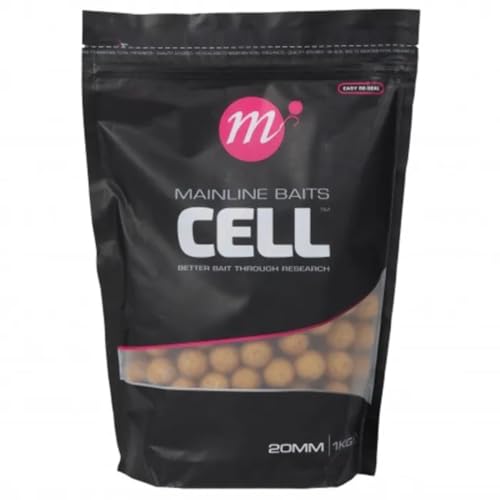
Mainline Baits Shelf Life Cell 1kg (15mm)
Original price was: £14.99.£12.50Current price is: £12.50. *View On Amazon* - Boilies
Sticky Baits The Krill Shelf Life 12mm, Brown, One Size
Original price was: £13.99.£11.99Current price is: £11.99. *View On Amazon* - Boilies
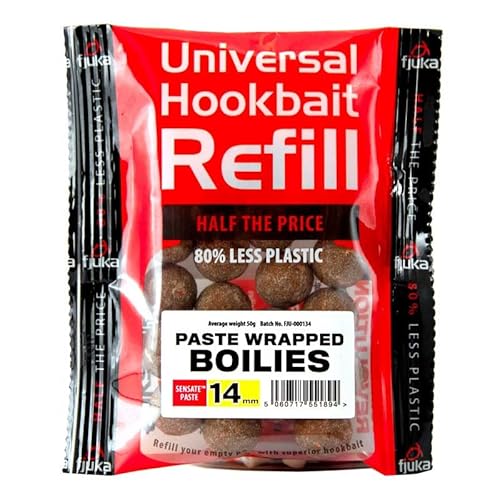
Fjuka Paste Wrapped Boilies 14mm | High-attract bait | Big fish | Carp & barbel
Original price was: £5.28.£2.50Current price is: £2.50. *View On Amazon* - Boilies
Dynamite Baits Robin Red Boilie Fishing 15mm
Original price was: £12.65.£11.49Current price is: £11.49. *View On Amazon*








🎯 Why Choose Boilies?
Boilies are specially formulated round baits made by boiling a dough-like mix of fishmeal, milk proteins, bird food, or other base ingredients. Their durability, flavour retention, and long shelf life make them ideal for both short sessions and long-term baiting campaigns.
Available in countless flavour profiles, sizes, colours, and buoyancies, boilies let you tailor your approach to the conditions and the fish you’re targeting. They’re also ideal for rigging with hair rigs, pop-ups, wafters, or snowman presentations — giving you multiple tactical advantages.
🧭 Buying Guide: Choosing the Right Boilies
🐟 Target Species & Venue
Boilies are primarily used for carp but are also effective for barbel and tench. Match your boilie choice to the fish in your water — larger, food-based boilies for big carp, smaller or sweet boilies for pressured venues.
📏 Size Matters
10mm–12mm: Ideal for winter, match fishing, or cautious fish
15mm: Most popular all-round size for UK carp
18mm–20mm+: Great for specimen fish and avoiding nuisance species
🌡️ Season & Water Temperature
Cold Water (Winter/Early Spring): Use fruity, sweet, or creamy boilies with low oil content
Warm Water (Summer/Autumn): Fishmeal, krill, liver, or spice-based boilies work well
🍬 Flavour Profile
Choose based on fish preferences and water pressure:
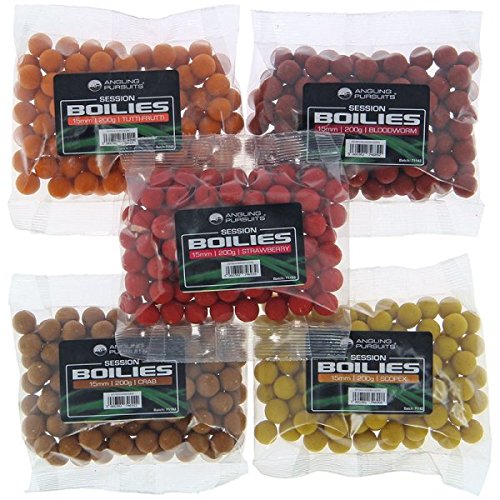
Sweet/creamy: Scopex, tutti frutti, vanilla – excellent for colder months and silty venues
Fishy/meaty: Krill, squid, liver, tuna – strong attractors in summer and coloured water
Spicy/herbal: Garlic, chilli hemp, robin red – ideal for river carp and barbel
⚖️ Buoyancy & Presentation
Bottom Baits: Sit directly on the lakebed; best for hard-bottom swims
Pop-Ups: Buoyant baits that rise above debris or silt
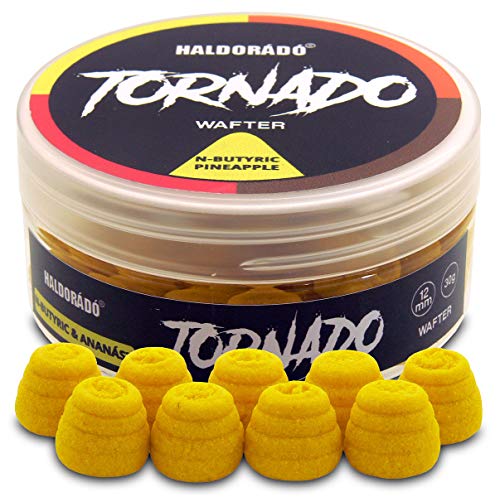
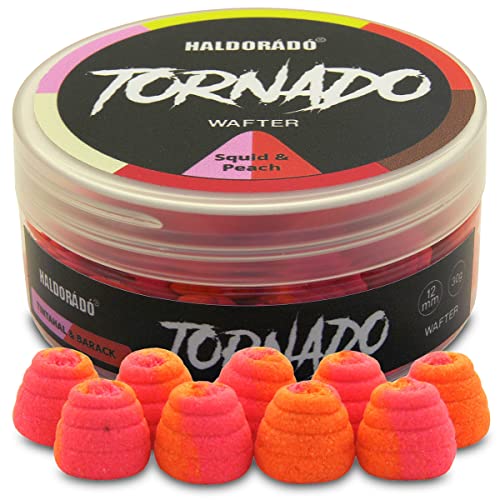
Wafters: Semi-buoyant for neutral buoyancy rigs like the Ronnie or German
Washed-Out Look: Mimics safe, pre-fed baits; great for pressured waters
🧰 Key Boilie Features
Balanced nutrition for long-term baiting campaigns
Highly digestible ingredients for year-round attraction
Flavour-retentive coatings to extend scent dispersion
Shelf-life and freezer options for flexibility and freshness
Matching hookbaits and dips for seamless bait strategy
PVA-friendly versions for solid bag use
🔥 Popular Boilie Types
| Type | Best For |
|---|---|
| Shelf-Life Boilies | Long storage without refrigeration |
| Freezer Baits | Softer texture, natural leakage, preferred by purists |
| Pop-Ups | Suspended presentations over weed or debris |
| Wafters | Subtle buoyancy to fool cautious fish |
| Hard Hookbaits | Resistant to nuisance fish, ideal for long sessions |
💡 Expert Tips for Using Boilies
Pre-soak in matching glug for added attraction without breaking down the bait
Use crushed boilies in PVA bags or spod mixes to release scent faster
Try a snowman rig (bottom bait + pop-up) for visual and buoyancy variety
Match the hatch with freebies and hookbait for wary carp
Fish singles in winter – brightly coloured pop-ups with minimal feed often outperform heavy baiting
Use bait boats or spods to accurately deliver boilies over long distances
⚠️ Common Mistakes to Avoid
Overbaiting in cold water – fish feed less, and too much bait can kill the swim
Using fishmeal boilies in winter – low solubility can reduce effectiveness
Not matching buoyancy to rig – pop-ups on heavy rigs can lift your hook too far
Using soft shelf-life boilies near nuisance fish – switch to hard hookbaits instead
Storing boilies improperly – freezer baits must stay frozen until use
🏆 Bestselling Boilies in Our Range
Mainline Cell Boilies – A legendary all-rounder with a creamy, nutty profile
Sticky Baits Krill – Packed with krill meal and proven on big UK waters
Dynamite Baits Monster Tiger Nut – Sweet, nut-based bait for year-round use
Nash Citruz Pop-Ups – Highly visible and effective for winter or pressured fish
CC Moore Pacific Tuna – High-protein bait loved by specimen anglers
Urban Bait Nutcracker – A subtle, digestible winter favourite
🙋♂️ Boilies – FAQs
1. What are boilies made from?
Boilies are made from a mix of fishmeal, bird food, milk proteins, or nut flours, bound with eggs and boiled to form a hard, durable bait.
2. What size boilie should I use?
Use 10–12mm for cautious or winter fishing, 15mm as an all-rounder, and 18mm+ for large carp or to deter nuisance fish.
3. What’s the difference between shelf-life and freezer boilies?
Shelf-life boilies are preserved and can be stored at room temperature. Freezer baits are preservative-free and must be kept frozen to stay fresh.
4. Can I use boilies in winter?
Yes — choose sweet, fruity, or creamy low-oil options in smaller sizes. Avoid high-oil fishmeal boilies when water temperatures are low.
5. Are boilies good for short sessions?
Absolutely — single hookbait presentations with pop-ups or wafters can be very effective, even with minimal free offerings.
6. What flavour boilie works best?
It depends on the water and season. Fishmeal and krill are great in summer; fruity or creamy flavours are better in winter. Always consider local trends.
7. Can I use boilies in rivers?
Yes, especially heavier fishmeal or hard hookbaits. Use in combination with pellets or particles for river carp or barbel.
8. Do boilies work for other fish species?
Yes — barbel, tench, bream, and even chub will take boilies, particularly when used on the bottom.
9. How do I store boilies?
Shelf-life boilies should be kept cool and dry. Freezer baits must remain frozen until needed, then used within a few days of defrosting.
10. Should I use pop-ups or bottom baits?
Use pop-ups over weed, silt, or when fishing singles. Use bottom baits on hard spots or when you want your hookbait to blend in.
11. Can I use boilies in PVA bags?
Yes, but only dry or crushed boilies. If you’re using glugged or oily baits, make sure they’re PVA-friendly.
🏁 Final Thoughts
Boilies have earned their place as the number one bait for carp anglers across the UK. With the right choice of flavour, size, and presentation, they offer unmatched versatility, durability, and fish-attracting power. Backed by over 35 years of angling experience, we stock only the most trusted boilie brands that deliver results on every cast — whether you’re fishing a busy day-ticket or tackling a tricky syndicate water.
 Getting ready for Summer? View our Home and Garden Products

Heading outdoors this winter? Take a look at our Outdoor Clothing.
Amazon Associate Disclosure
As an Amazon Associate I earn from qualifying purchases.