
Pellets and Ground Bait
Pellets and ground bait are two of the most effective bait types in modern angling, used by beginners and professionals alike to attract and hold fish in your swim. Whether you’re targeting carp, bream, tench, roach, or barbel, these baits are essential for building feeding activity and boosting catch rates. Since 1988, we’ve proudly helped anglers across the UK select the right bait blends for every water, season, and fishing style, from commercial fisheries to natural rivers.
- Pellets and Ground Bait
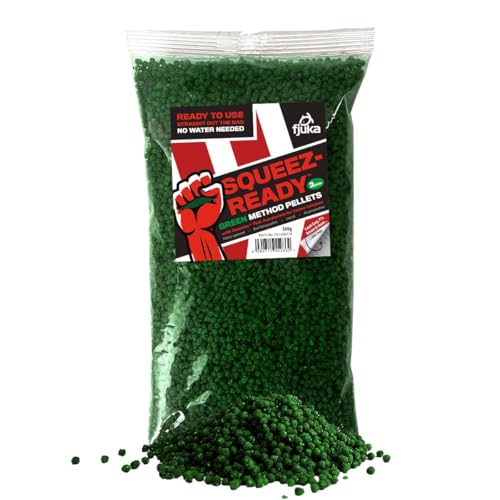
Fjuka Green Squeez-Ready Method Pellet 500g | Ready-prepped 2mms | Carp, F1s, tench, bream
£6.96 *View On Amazon* - Pellets and Ground Bait
Fjuka Green Squeez-Ready Method Pellet 200g | Ready-prepped 2mms | Carp, F1s, tench, bream
£1.99 *View On Amazon* - Pellets and Ground Bait
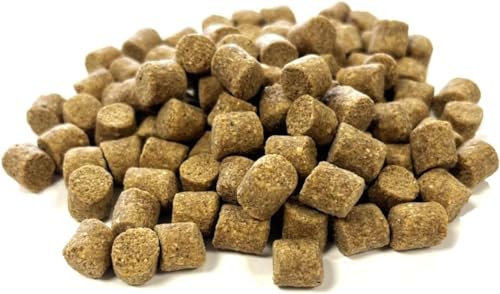
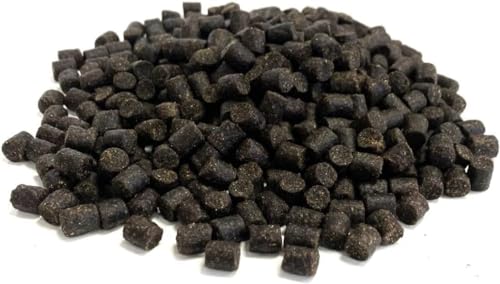
200g 8mm Skrettings Coarse Fish Trout and Carp Pellets Fishing Bait SLCB
£3.00 *View On Amazon* - Pellets and Ground Bait
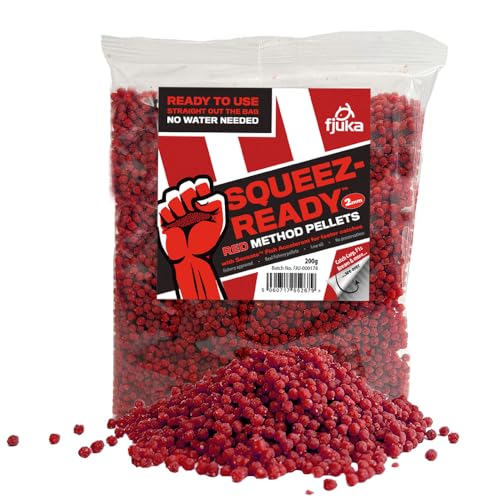
Fjuka Red Squeez-Ready Method Pellet 200g | Ready-prepped 2mms | Carp, F1s, tench, bream
£1.99 *View On Amazon* - Pellets and Ground Bait
Fjuka Yellow Squeez-Ready Method Pellet 200g | Ready-prepped 2mms | Carp, F1s, tench, bream
£1.99 *View On Amazon* - Pellets and Ground Bait
Sticky Method Pellets Sweet 700g Bait -Tech Fishing Bait
£10.99 *View On Amazon* - Pellets and Ground Bait
1kg Mixed Sinking Fishing Pellets 2-11mm – Our No 1 Selling Fishing Bait LGW
£9.99 *View On Amazon* - Pellets and Ground Bait
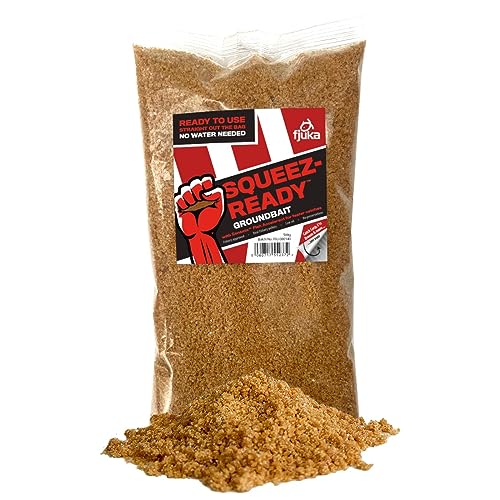
Fjuka Squeez-Ready Green Groundbait 500g | Ready-prepped | Carp, F1s, tench, bream, roach etc
£6.96 *View On Amazon* - Pellets and Ground Bait
MALTBYS' STORES 1904 LTD 1.5Kg 8mm Skrettings Coarse Fish Trout and Carp Pellets Fishing Bait XLCB
£5.00 *View On Amazon* - Pellets and Ground Bait
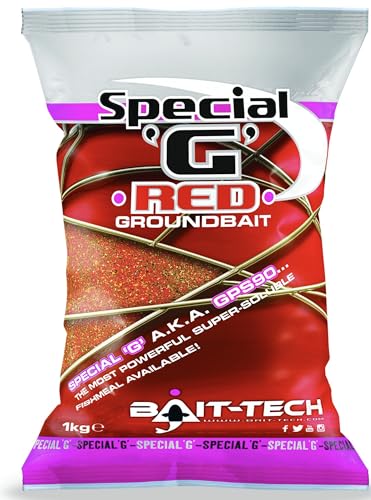
Bait-Tech Special G Red Groundbait (1kg) Fishing Bait
Original price was: £11.98.£8.99Current price is: £8.99. *View On Amazon* - Pellets and Ground Bait
MALTBYS' STORES 1904 LTD 500g Mixed Sinking Fishing Pellets 2-11mm – Our No 1 Selling Fishing Bait SMW
£7.98 *View On Amazon* - Pellets and Ground Bait
MALTBYS' STORES 1904 LTD 200g 20mm High Oil Trout Pellets Fishing Bait SLCB
Original price was: £3.99.£3.00Current price is: £3.00. *View On Amazon* - Pellets and Ground Bait
MALTBYS' STORES 1904 LTD 1.5Kg 2.3mm Skrettings Coarse Fish Trout and Carp Pellets Fishing Bait XLCB
£5.00 *View On Amazon* - Pellets and Ground Bait
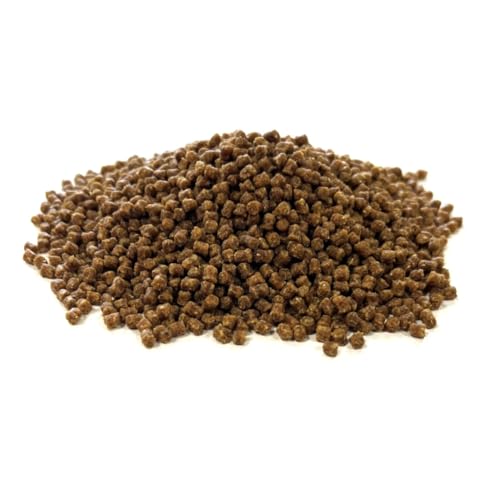
MALTBYS' STORES 1904 LTD 200g 2.3mm Skrettings Coarse Fish Trout and Carp Pellets Fishing Bait SLCB
£3.00 *View On Amazon* - Pellets and Ground Bait
Fjuka 2in1 FatBoys – 10mm Hook Bait. The soft feed pellet & attractant (red)
£2.99 *View On Amazon*










🐟 Why Use Pellets and Groundbait?
Both pellets and groundbait are designed to create a feeding zone that encourages fish to stay and feed confidently around your hookbait. Pellets are high in protein, ideal for selective feeding, while groundbait creates an attractive cloud and scent trail that draws fish from distance. Used separately or together, they’re essential for everything from margin carping to feeder fishing and match angling.
Whether you’re looking to build a swim over time or spark instant feeding activity, our extensive range gives you proven, fish-catching formulas developed by top bait manufacturers in the UK.
🔍 Buying Guide: Choosing the Right Bait
🎯 Match the Bait to the Species
Carp: High-oil halibut pellets, sweetened coarse pellets, or crushed groundbait blends
Bream & Roach: Fine-texture groundbait with sweet additives like molasses or scopex
Barbel & Chub: Fishmeal-rich pellets and heavy groundbait to hold bottom-feeding fish
Tench & Crucians: Particle-rich, mild-scented groundbaits and softened micros
🌊 Consider Water Type & Conditions
Stillwaters/Commercials: Fine groundbait and slow-sinking pellets for method or pole
Rivers: Heavier, binding groundbait and harder pellets to stay on the bottom
Cold Water: Light-coloured, low-oil pellets and sweet mixes with fast breakdown
Warm Water: Oilier pellets and cloud-creating groundbait for longer attraction
🧪 Pellet Size & Breakdown
Micro (1–3mm): Ideal for feeders or mixing into groundbait
Standard (4–8mm): Great for loose feeding or banded hookbaits
Large (10mm+): Used for selective feeding or catapulting at distance
🧰 Key Features to Look For
Pre-drilled or bandable pellets for easy hooking
Fast or slow breakdown depending on water temperature and technique
Fishmeal, sweet, or spicy profiles for different species and seasons
Crushable or mixable pellets to blend with groundbait or PVA bags
Binding strength in groundbait for feeder use or balling in
Cloud-creating additives for added visual attraction
🥇 Top Pellet & Groundbait Types
| Type | Ideal Use Case |
|---|---|
| Fishmeal Pellets | High protein; excellent for carp, barbel, and tench |
| Sweetened Coarse Pellets | Great for bream, roach, and match-style fishing |
| Micro Pellets | Use in method feeders or mixed with groundbait |
| Soft Hooker Pellets | Ready to hook; ideal for float or pole fishing |
| Crumb-Based Groundbait | Good for silvers and shallow venues |
| Heavy Mix Groundbait | Perfect for river fishing or deep lakes |
| Cloud Mix Groundbait | Creates a scent and visual cloud to draw fish from distance |
💡 Expert Tips for Using Pellets and Groundbait
Soak micro pellets before use to soften them for feeder or method rigs.
Match groundbait colour to water clarity — darker for clear water, lighter for cloudy venues.
Use groundbait as a carrier for chopped worms, particles, or dead maggots.
Add liquid attractants to pellets or mixes for extra pulling power.
Feed little and often in cold conditions; build swims gradually in warm weather.
Use crushed pellets in PVA bags for a soft, high-attraction offering around your hook.
⚠️ Common Mistakes to Avoid
Overfeeding pellets in cold weather — fish feed cautiously and you may kill the swim.
Using the wrong pellet size for your hook or feeder — too big or small reduces presentation.
Mixing groundbait too wet or dry — get consistency right for balling, binding, or cupping in.
Ignoring bait freshness — stale pellets and groundbait lose scent and feeding trigger value.
Using high-oil pellets in winter — oil thickens in cold water, reducing dispersion.
🏆 Bestselling Picks in Our Range
Sonubaits F1 Sweet Groundbait – A favourite in commercial waters for carp and silvers.
Dynamite Baits Swim Stim Pellets – Pre-drilled and ideal for all feeder techniques.
Mainline Match Green Groundbait – Fine-textured, perfect for roach and skimmers.
Sticky Baits Krill Pellets – Packed with krill meal; ideal for carp and specimen species.
Ringers Micro Pellets – Perfect for method feeders and pole work.
Bait-Tech Special G Gold – High fishmeal content with a sweet twist, great all-rounder.
🙋♂️ Pellets and Groundbait – FAQs
1. What’s the difference between pellets and groundbait?
Pellets are compressed bait pieces, often high in protein, used for feeding or as hookbaits. Groundbait is a crumb-like mix that creates a scent trail and is usually balled or cupped into your swim.
2. What size pellets should I use?
Use 1–3mm for method feeders, 4–6mm for loose feeding, and 8mm+ for banding or targeting bigger fish.
3. Can I mix pellets with groundbait?
Yes! Many anglers combine micro pellets with groundbait for extra attraction and binding in feeder setups.
4. How do I prepare groundbait?
Add water gradually while mixing until you reach the right texture. For balling in, it should bind tightly but break apart in water.
5. Are pellets suitable for winter fishing?
Yes, but use low-oil or sweetened pellets. Avoid high-oil marine-based pellets in very cold water.
6. Can I use pellets on the hook?
Yes — use soft hooker pellets or pre-drilled/banded varieties for easy hooking or banding.
7. Is groundbait allowed in all venues?
Not always — check local fishery rules. Some waters ban groundbait to reduce silt buildup.
8. How long do pellets and groundbait last?
Unopened, they can last 6–12 months. Once opened, store in a cool, dry place and use within a few weeks for maximum effectiveness.
9. Can I flavour my pellets or groundbait?
Absolutely — use liquid attractants or powdered additives to enhance scent and colour.
10. Do I need different groundbait for rivers vs lakes?
Yes — rivers require heavier, binding mixes to stay in place, while lake mixes can be lighter and more dispersive.
11. What’s the best bait for feeder fishing?
Micro pellets, crushed pellets, or sticky groundbait blends are best for method and cage feeders.
🏁 Final Thoughts
Pellets and groundbait are vital tools in the modern angler’s arsenal. Whether you’re building a swim for carp, drawing roach in with a fine groundbait cloud, or packing out a method feeder with micros, these baits offer versatility, attraction, and proven results. With over 35 years of experience, our shop proudly offers the UK’s best bait range, helping anglers fish smarter and catch more, season after season.
 Getting ready for Summer? View our Home and Garden Products

Heading outdoors this winter? Take a look at our Outdoor Clothing.
Amazon Associate Disclosure
As an Amazon Associate I earn from qualifying purchases.