Fishing Gloves
Fishing gloves are designed to help anglers keep their hands warmer, drier or better protected while fishing in cold, wet, windy or demanding conditions. They are suitable for coarse anglers, carp anglers, lure anglers, fly anglers, sea anglers and anyone who wants more comfort and control by the water.
The right fishing gloves depend on where you fish, the season, weather, grip needs, finger movement, waterproof or water resistant claims where listed, warmth, fit and whether you need full finger gloves, fingerless gloves or gloves designed for handling tackle, lines or fish.
What Are Fishing Gloves?
Fishing gloves are handwear designed for angling and outdoor use around the water. They can help with warmth, grip, protection from rough surfaces, handling wet kit and staying comfortable during long sessions.
Some fishing gloves are made mainly for warmth. Others are designed for grip, dexterity, lure fishing, sea fishing, wet weather or general outdoor comfort. Product details vary, so it is important to compare features carefully before buying.
Fishing gloves should support your fishing rather than get in the way. A good pair should allow you to cast, reel, tie knots, handle tackle and use tools safely.
What Are Fishing Gloves Used For?
Fishing gloves are used to protect hands from cold, wind, rain, wet rods, rough line, sharp tackle, bait mess and general outdoor conditions. They can make fishing more comfortable when hands would otherwise become cold, stiff or slippery.
They are especially useful in winter, during early mornings, at night, on exposed banks or when sea fishing in windy conditions. Gloves can also help when carrying wet nets, setting up shelters or handling cold metal tools.
For lure fishing and fly fishing, finger movement matters because casting, retrieving and line control are constant parts of the method. For carp and coarse fishing, warmth and comfort may be more important during long periods of waiting.
How To Choose The Right Fishing Gloves
Start by thinking about the conditions you fish in most often. If you mainly fish in winter, warmth may be the priority. If you fish in rain or handle wet kit regularly, check waterproof or water resistant claims where listed.
Next, think about dexterity. Thick gloves may keep hands warmer, but they can make tying knots, baiting hooks and using small tackle more difficult. Fingerless gloves or fold back finger designs can help if you need more touch and control.
Grip is another important factor. Wet rods, reels, nets and tools can become slippery, so palm and finger grip can be useful. Choose gloves that match your fishing style rather than simply choosing the thickest pair.
Key Features To Compare
When comparing fishing gloves, look at size, fit, warmth, grip, finger design, cuff length, material, waterproof or water resistant claims where listed, breathability, ease of drying and suitability for the fishing method.
Full finger gloves can offer more coverage and warmth. Fingerless gloves allow better feel for knots, bait and line. Fold back mitt or convertible designs can offer a balance between warmth and dexterity.
Cuffs are worth checking too. Longer cuffs may help reduce gaps between gloves and jacket sleeves, while shorter cuffs may feel less bulky and easier to remove quickly.
Full Finger Gloves, Fingerless Gloves And Convertible Gloves
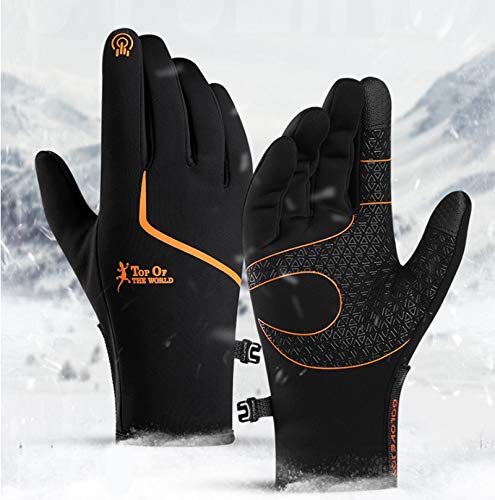
Full finger fishing gloves are useful when warmth and protection are most important. They can be helpful in cold wind, winter fishing and exposed venues.
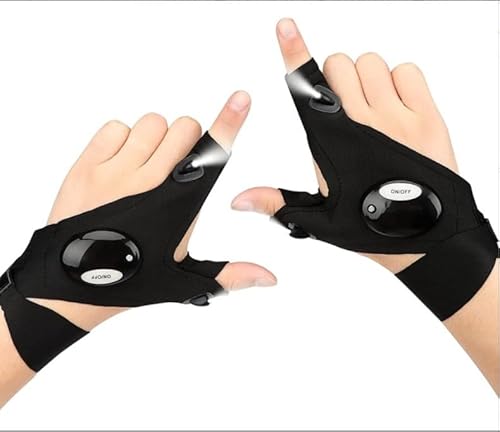
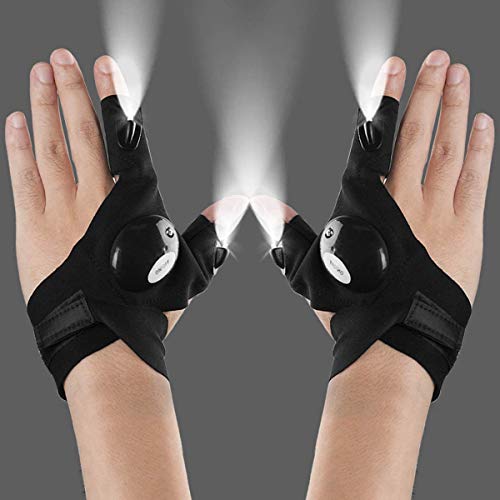
Fingerless gloves leave the fingertips uncovered, making it easier to tie knots, feel the line, bait hooks and handle small items. They may not be as warm, but they can be more practical for active fishing.
Convertible gloves or fold back mitt styles can offer warmth when waiting and better finger access when tying rigs or casting. The trade off is extra bulk, so check whether they suit your fishing style.
Fishing Gloves Compared With General Outdoor Gloves
General outdoor gloves can be warm and comfortable, but they may not always suit fishing tasks. Fishing often involves wet line, small hooks, bait, rods, reels, nets and tools.
Fishing gloves may include grip areas, finger access or materials designed for angling use, depending on the product. This can make them more practical than ordinary gloves for sessions by the water.
However, some anglers may still use simple outdoor gloves for casual fishing. The best choice depends on how often you fish and how much dexterity you need.
Beginner, Regular Angler And Experienced Angler Guidance
Beginners should look for fishing gloves that are comfortable, easy to put on and suitable for the weather. A simple warm pair or fingerless pair can make early sessions more enjoyable.
Regular anglers may benefit from having more than one type. A warm winter pair, a lighter pair for active fishing and a grippy pair for wet conditions can cover many situations.
Experienced anglers often choose gloves based on method. A lure angler may want thin grip and fingertip control, while a carp angler may want warmth for long sessions and a sea angler may want protection from wind, spray and rough surfaces.
Gloves For Coarse, Carp, Lure, Fly And Sea Fishing
Coarse anglers may want gloves that help with warmth while still allowing float adjustments, feeding, baiting and unhooking tasks. Fingerless styles can be useful when small tackle is involved.
Carp anglers often fish long sessions, so warmth, comfort and weather protection can be important. Gloves can be useful during cold nights, early mornings and wet setup work.
Lure and fly anglers often need more finger control because they cast and retrieve frequently. Lightweight gloves, fingerless gloves or grippy designs may be more practical than thick insulated gloves.
Sea anglers may need gloves that help with wind, cold, saltwater spray, rough ground, wet line and handling heavier kit. Check product details carefully if you need stronger protection.
Warmth, Waterproofing And Breathability
Warmth depends on insulation, material, fit and how much of the hand is covered. A glove that is too tight may feel uncomfortable and reduce hand movement, while a glove that is too loose can make tackle handling difficult.
Waterproof or water resistant gloves can be useful where listed, but always check the product details. Some gloves are designed to resist light moisture, while others may be intended for wetter use.
Breathability matters if you fish actively or walk between swims. Very warm gloves can become uncomfortable if your hands overheat, so choose based on your usual session style.
Grip, Dexterity And Tackle Handling
Grip is useful when rods, reels, nets, tools and bank sticks are wet or cold. A grippy palm or finger surface can help you handle equipment with more confidence.
Dexterity is important for tying knots, clipping lures, baiting hooks, adjusting rigs, using forceps and handling line. If you often work with small tackle, avoid gloves that are too bulky for the job.
Some anglers carry gloves for warmth but remove them briefly for delicate tasks. This can be a practical approach when thick gloves would make rig work awkward.
Safety Around Hooks, Line And Fish
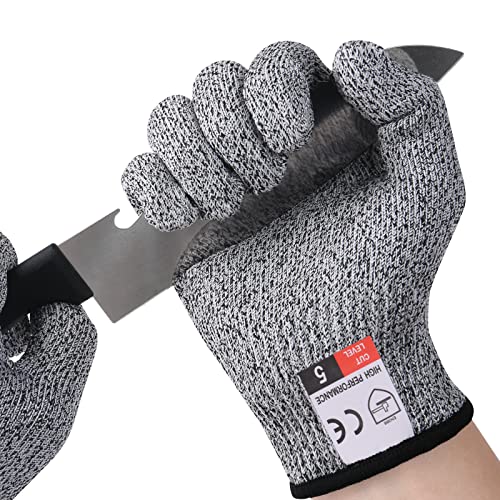
Fishing gloves can help protect hands, but they do not remove the need for care around hooks, knives, forceps, baiting needles and sharp tools. Always keep hook points under control and take your time when unhooking fish.
Be careful with gloves around treble hooks, lure hooks and fine line. Hooks can catch in fabric, especially when handling lures or nets.
Fish handling should be done responsibly. Use suitable landing nets, unhooking tools and fish care equipment. If gloves are bulky, dry or rough, consider whether they are suitable for direct fish handling, and follow venue guidance.
Care, Cleaning And Storage
Fishing gloves should be cleaned and dried properly after use. Mud, bait, fish slime, saltwater and damp conditions can make gloves unpleasant if they are packed away wet.
Follow the product care instructions, especially for waterproof, insulated or specialist materials. Avoid harsh drying methods unless the product guidance says they are suitable.
Store gloves somewhere dry and ventilated. Keeping a spare pair in your tackle bag or clothing bag can be useful if one pair becomes wet during a session.
Useful Accessories To Consider
Useful accessories for fishing gloves include waterproof jackets, bibs and salopettes, thermal layers, hats, neck warmers, warm socks, hand warmers, towels, forceps, pliers, line cutters and waterproof storage bags.
A small towel can help dry hands before putting gloves back on. Tool storage can also reduce the need to search through tackle with cold or wet hands.
Why Buy Fishing Gloves From YPC?
At YPC, we understand active lifestyles and the need for practical products that work in real use. Fishing gloves should be chosen carefully because warmth, grip, fit and dexterity can all affect comfort by the water.
Browse the Fishing Gloves category at YPC to compare available options, check the details that suit your fishing style and choose gloves that help keep your hands comfortable and ready for the session.
Fishing Gloves FAQs
What are fishing gloves?
Fishing gloves are gloves designed for angling and outdoor use around the water. They can help with warmth, grip, weather protection and handling wet or cold equipment.
Different gloves suit different fishing styles, so compare the features before buying.
Are fishing gloves suitable for beginners?
Yes, fishing gloves can be useful for beginners, especially in cold or wet weather. They can make fishing more comfortable and help protect hands from wind, mud and wet tackle.
Beginners should choose gloves that fit well and still allow them to handle hooks, line and tools safely.
What type of fishing gloves should I choose?
Choose gloves based on the weather and the type of fishing you do. Full finger gloves offer more coverage, fingerless gloves give better touch and convertible gloves can offer a balance.
Think about warmth, grip, dexterity and how often you need to tie knots or handle small tackle.
Are fingerless fishing gloves useful?
Yes, fingerless fishing gloves are useful when you need more fingertip control. They can make it easier to tie knots, bait hooks, feel line and use small tackle.
They may not be as warm as full finger gloves, so they are often best for active fishing or milder conditions.
Are full finger fishing gloves better?
Full finger gloves can be better for warmth and protection, especially in cold, windy or wet conditions. They cover the whole hand and can make long sessions more comfortable.
The trade off is that they may reduce dexterity when handling small tackle.
What are convertible fishing gloves?
Convertible fishing gloves usually combine finger access with a cover that can fold over the fingers. They can help keep hands warm while still allowing better control when needed.
They can be useful for anglers who want warmth without losing all fingertip access.
Are fishing gloves waterproof?
Some fishing gloves may be waterproof, while others may be water resistant, wind resistant, insulated or designed for general outdoor use. It depends on the product.
Always check the product details for waterproof claims and care guidance.
Are fishing gloves warm?
Some fishing gloves are designed for warmth, while others focus on grip or dexterity. Insulated gloves can help in winter, but may feel too bulky for delicate tackle work.
For cold weather, choose gloves that suit both warmth and the tasks you need to do.
Can I use fishing gloves for sea fishing?
Yes, fishing gloves can be useful for sea fishing. They may help protect hands from cold wind, spray, wet line, rough surfaces and handling heavier tackle.
After saltwater use, clean and dry gloves according to the product guidance.
Can I use fishing gloves for lure fishing?
Yes, fishing gloves can be useful for lure fishing, especially lightweight or grippy styles. Lure anglers often need good finger control for casting, clipping lures and working retrieves.
Be careful around treble hooks, as they can catch in glove fabric.
Can I use fishing gloves for fly fishing?
Fishing gloves can be useful for fly fishing, especially in cold weather. Thin or fingerless gloves may help keep some warmth while still allowing line control.
Avoid gloves that are too bulky if they make casting, stripping line or changing flies difficult.
Can I handle fish with gloves on?
It depends on the glove, the fish and the situation. Bulky, dry or rough gloves may not be suitable for direct fish handling.
Use suitable landing nets, unhooking tools and fish care equipment. Follow venue guidance and handle fish carefully.
Do fishing gloves protect against hooks?
Fishing gloves can offer some protection from minor scrapes or rough handling, but they do not make hooks safe. Sharp hooks can still penetrate or catch in fabric.
Always handle hooks, lures and rigs carefully, especially treble hooks.
How should fishing gloves fit?
Fishing gloves should fit securely without being too tight. You should be able to move your fingers, grip a rod and handle tackle safely.
Gloves that are too loose may feel clumsy, while gloves that are too tight can be uncomfortable during long sessions.
What gloves are best for winter fishing?
For winter fishing, look for gloves that offer warmth, comfort and enough dexterity for your method. Full finger or convertible designs may be useful in very cold conditions.
Some anglers carry a warmer pair for waiting and a lighter pair for rig work.
What gloves are best for active fishing?
For active fishing, such as lure or fly fishing, lighter gloves with good grip and finger control may be more practical. You need to cast, retrieve and adjust tackle regularly.
Overly thick gloves may become tiring or awkward during active sessions.
How do I clean fishing gloves?
Follow the product care instructions. In general, remove mud, bait and dirt after use, then allow gloves to dry properly before storage.
Take extra care with insulated or waterproof materials, as they may need specific cleaning methods.
What should I check before buying fishing gloves?
Check the size, fit, warmth, grip, finger design, cuff style, waterproof or water resistant claims where listed, material and suitability for your fishing style.
The best fishing gloves are the ones that keep your hands comfortable while still allowing you to fish safely and effectively.
Getting ready for Summer? View our Home and Garden Products
Heading outdoors this winter? Take a look at our Outdoor Clothing.