
Fishing Floats
Fishing floats are one of the most essential and versatile tools in coarse and match angling, serving as both bite indicators and depth controllers. Whether you’re trotting a river for dace, fishing a commercial waggler line for F1s, or setting up a delicate pole rig, the right float allows you to present your bait precisely, detect subtle takes, and fish at the perfect depth. Since 1988, we’ve supplied anglers across all disciplines with the best floats for every venue, condition, and style, from traditional stick floats to modern pellet wagglers.
- Fishing Floats
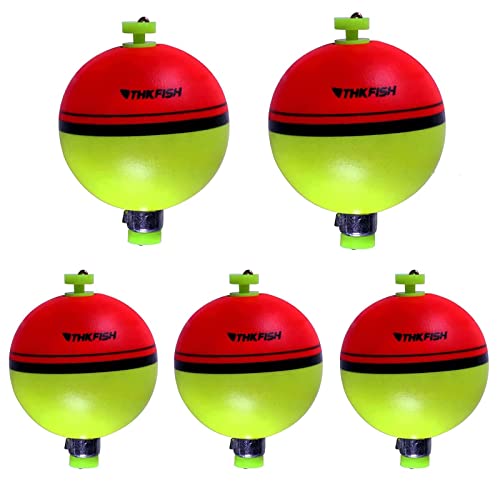
THKFISH Fishing Bobbers 5PCS EVA Foam Round Floats Red/Green Snap-On Spring Fishing Buoy Accessories for Freshwater Saltwater 1/25oz (0.8 * 1 inch)
Original price was: £12.09.£9.59Current price is: £9.59. *View On Amazon* - Fishing Floats
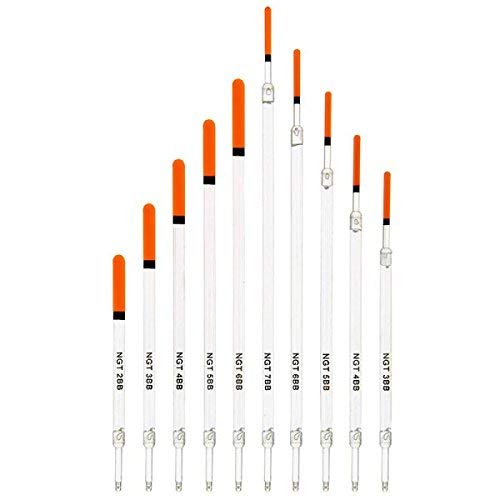
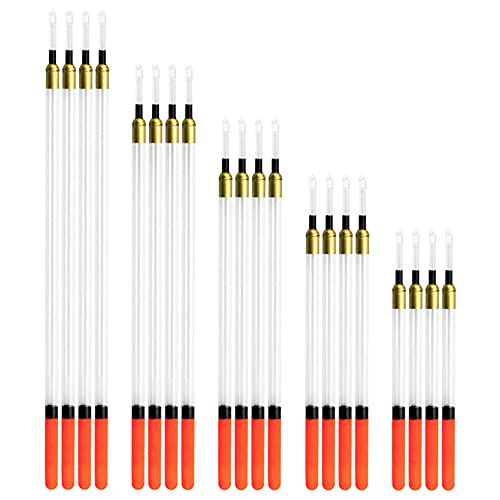
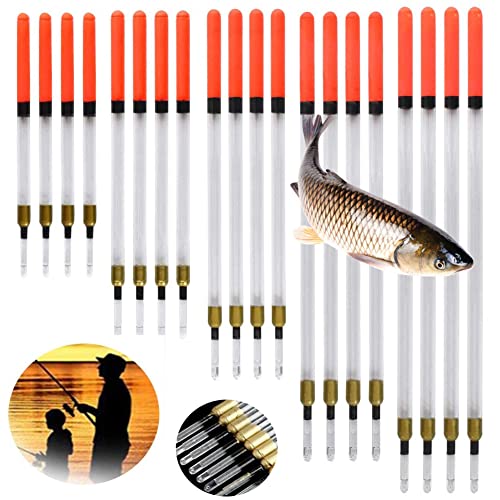
TANCUDER 20 PCS Fishing Tackle Floats Wagglers 5 Size Straight Insert Fishing Transparent Pipe Drift Match Pleasure Lake Thin Thick Tips Loaded Coarse Floating Stem Tube for Fishing Supplies
Original price was: £5.99.£3.99Current price is: £3.99. *View On Amazon* - Fishing Floats
Realure 20 Pcs/5 Sizes Fishing Floats Set 11/13/15/17/19 cm Fishing Tackle Wagglers Straight Insert Fishing Pipe Transparent Coarse Tube for Deep Water Sea Fishing Bait Suspend in Target Water Layer
Original price was: £4.99.£4.49Current price is: £4.49. *View On Amazon* - Fishing Floats
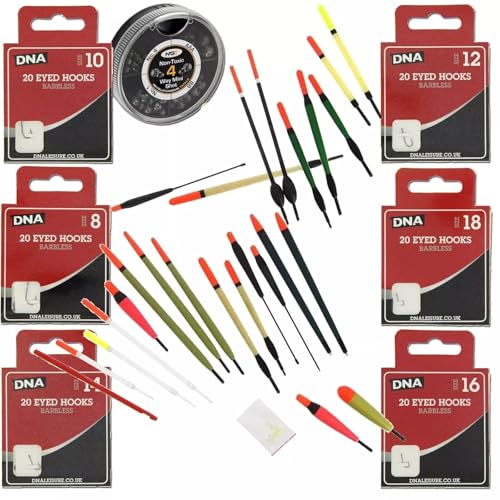
FLADEN Fishing – 25 Piece Assorted LAKE and RIVER Coarse Fishing Floats Collection in a Float Tube – Come with handy fishing guide [21-01]
Original price was: £14.34.£13.92Current price is: £13.92. *View On Amazon*


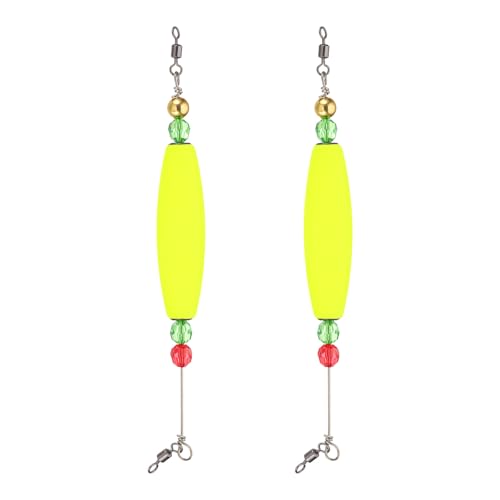
![M METERXITY 4-Pack Catfish Float Rigs, 2.5 Inch EVA Buoyancy Foam Fishing Bobbers Popping with Swivel and Hooks for Streams/Lake/River Fishing, Floats Rattling Cork Catfish Gear [Light Green]](https://m.media-amazon.com/images/I/41hg0y-i7CL._SL500_.jpg)


![ZWIM 3pcs Loaded Balsa Pellet Waggler Carp Fishing Float Set with Float Adaptor & Hi-Viz Tips - Strong Durable - Buoyant & Stable [21-0009]](https://m.media-amazon.com/images/I/41uDVcaWLpL._SL500_.jpg)


![FLADEN Fishing - 25 Piece Assorted LAKE and RIVER Coarse Fishing Floats Collection in a Float Tube - Come with handy fishing guide [21-01]](https://m.media-amazon.com/images/I/41Kg9k3ALpL._SL500_.jpg)

![ZWIM Fishing - 3pcs Loaded Commercial Assorted Pellet Waggler Carp Fishing Float Set with Float Adaptor & Hi-Viz Tips - Strong Durable - Clear Balsa & Black Body Stem [21-0010]](https://m.media-amazon.com/images/I/41qKjQxlZeL._SL500_.jpg)


Why Use a Fishing Float?
✅ Visibly indicates bites with minimal resistance to the fish
✅ Helps present bait at specific depths—from midwater to on the deck
✅ Adaptable to different conditions—wind, tow, depth, and clarity
✅ Allows anglers to suspend bait over weed, silt, or features
✅ Essential for river trotting, commercial stillwaters, and pole fishing
A well-chosen float can mean the difference between occasional bites and filling your keepnet.
Types of Fishing Floats
| Float Type | Best For |
|---|---|
| Waggler Floats | Stillwaters and commercials—cast and fish at range with rod and reel setups |
| Stick Floats | Running water—attach top and bottom, ideal for river trotting |
| Avon Floats | Deeper or faster rivers—more stable in flow with a rounded body |
| Pole Floats | Pole fishing—ultra-sensitive, with different shapes for shallow/deep venues |
| Pellet Wagglers | Fishing up in the water for carp and F1s on commercials |
| Insert Wagglers | Greater sensitivity, especially for shy-biting silverfish |
| Loaded Wagglers | Easy casting—pre-weighted for long or windy conditions |
| Drift Beaters/Loafers | Slow rivers or lakes where extra buoyancy and stability is needed |
| Slider Floats | Deepwater fishing—float slides up the line until it hits a stop |
| Zoomer/Zoom Wagglers | Casting small baits long distances with precision |
Float Body Shapes & Tips Explained
| Float Body Shape | Best For |
|---|---|
| Slim (pencil) | Low resistance, stillwaters, silverfish |
| Round (bulbous) | Stability in tow or wind, heavier baits |
| Shouldered | Better in flow, especially with stick floats |
| Insert tips | Finer sensitivity for shy bites |
| Thick tips | More visible, great for carp or windy conditions |
Matching Floats to Fishing Conditions
| Condition | Recommended Float |
|---|---|
| Stillwater, short range | Light waggler, insert waggler |
| Stillwater, long range | Loaded waggler, pellet waggler |
| Fast-flowing river | Avon float, heavy stick float |
| Pole on commercial venue | Round-bodied pole float, thick bristle |
| Deepwater fishing | Slider float with stop knot and bulk shot |
| Windy conditions | Loaded or zoom waggler, large tip float |

