
Fishing Sinkers and Weights
Fishing sinkers and weights are used to help cast rigs, sink bait, balance floats, hold bottom and present tackle at the right depth. They are suitable for coarse anglers, carp anglers, predator anglers, sea anglers and anyone building fishing rigs for different waters, species and methods.
The right fishing sinker or weight depends on where you fish, the method you use, water depth, flow, casting distance, bait size, rod rating, line strength, rig style, bottom type and venue rules. A small split shot for delicate float fishing has a very different job from a heavier sea fishing weight or carp lead.
- Fishing Sinkers and Weights
PATIKIL Fishing Line Sinker Slides 20 Pack 26 lbs Load Capacity
£7.09 *View On Amazon* - Fishing Sinkers and Weights
Alwonder Iron Sinker Sea Fishing Steel Sinker 30g
£9.99 *View On Amazon* - Fishing Sinkers and Weights
15 Pcs Brass Fishing Weights Kit Hollow Sinkers 1.8g to 10g
£5.99 *View On Amazon* - Fishing Sinkers and Weights
50 Pcs Fishing Weights, 2G Split Shot Fishing Sinkers with Plastic Core
£7.59 *View On Amazon* - Fishing Sinkers and Weights
Plain Sea Fishing Weights Pack of 5, 3oz 4oz and 5oz
£11.99 *View On Amazon* - Fishing Sinkers and Weights
25 Pcs Fishing Weights Mixed Fishing Sinkers and Weights 30g 20g 15g 10g 7g 5g 3g 2g Tear Drop Style Sinkers for Saltwater, Freshwater, River
Original price was: £7.49.£6.37Current price is: £6.37. *View On Amazon* - Fishing Sinkers and Weights
Dinsmores Non Toxic Arlesey Bomb Sinker Black 10 g
£2.25 *View On Amazon* - Fishing Sinkers and Weights
10 PCS Fishing Weights Mixed Fishing Sinkers with Swivel
£6.59 *View On Amazon* - Fishing Sinkers and Weights
181 Pcs Split Shot Fishing Weights, 7 Way Dispenser Fishing Tackle Set, Non Toxic Fishing Sinkers for Coarse Angling
Original price was: £7.99.£7.29Current price is: £7.29. *View On Amazon* - Fishing Sinkers and Weights
Peaken 25pcs Fishing Weights 9 Size Mixed 3.5g to 40g A
£8.99 *View On Amazon* - Fishing Sinkers and Weights
179PCS Split Shot Fishing Weights 7 Way Dispenser Set for Carp and Coarse Angling
£6.99 *View On Amazon* - Fishing Sinkers and Weights
FFT PRO 5oz Plain Sea Fishing Weights Pack Of 5 for Mackerel Feather Cod Bass Boat Fishing (5oz x 5)
£6.99 *View On Amazon* - Fishing Sinkers and Weights
NGT 6 Way Dispenser Non Toxic Fishing Split Shot AAA, BB, 1, 4, 6, 8
£6.75 *View On Amazon* - Fishing Sinkers and Weights
NGT Rig Sinkers Weights for Hook Link Tungsten XL 9pc Set Carp Coarse Fishing Supplies
£3.99 *View On Amazon* - Fishing Sinkers and Weights
Fishing Weights Sinkers Super Soft Refill Split Shot Tub Dispenser 80g 120g Carp Spinner Bubble Trout Salmon Lure Container Pocket Coarse Game Angling Line Sinker Mixed Size 80 Grams
Original price was: £5.49.£4.02Current price is: £4.02. *View On Amazon* - Fishing Sinkers and Weights
Korda Sinkers Gravel Small Tungsten Impregnated for Carp Fishing
£3.99 *View On Amazon*


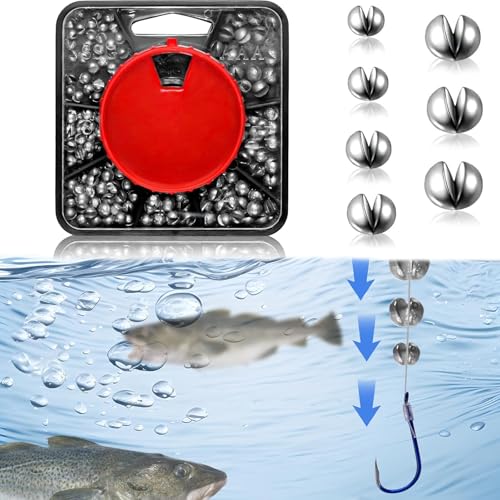
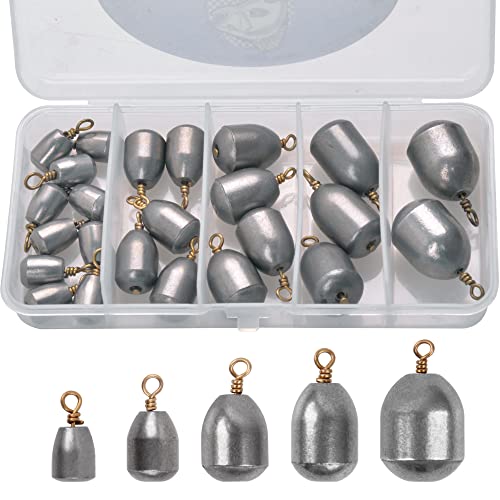


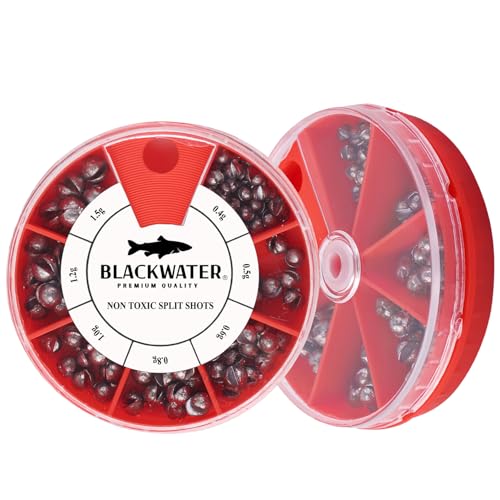


What Are Fishing Sinkers And Weights?
Fishing sinkers and weights are pieces of terminal tackle added to a rig to provide weight, balance and control. They help get bait or lures to the right place in the water and can also help hold a rig steady against wind, current or tide.
In UK fishing, many anglers use the word weights, shot or leads depending on the style of fishing. The term sinker is also common in product listings and usually refers to a weight used to sink or anchor a rig.
Weights come in many shapes and sizes, including split shot, leger weights, bomb weights, inline leads, pear leads, bullet weights, drop shot weights, grip leads and sea fishing weights. Each type has a specific use.
What Are Fishing Sinkers And Weights Used For?
Fishing sinkers and weights are used to control how a rig behaves. They can help cast further, sink bait faster, keep bait near the bottom, balance a float, hold a feeder setup in place or control lure presentation.
In float fishing, small shot is used to cock the float and control how the bait falls through the water. In legering and feeder fishing, weights help hold the rig near the lake bed or river bed.
In carp fishing, leads can help with casting, rig presentation and bite indication. In sea fishing, heavier weights may be needed to cope with tide, surf, wind and rougher ground.
How To Choose The Right Fishing Sinkers And Weights
Start with the fishing method. Float fishing, feeder fishing, carp fishing, lure fishing and sea fishing all use weights differently. Choosing the right type is more important than simply choosing the heaviest option.
Next, think about the water. Stillwaters may need lighter weights, while rivers, tidal marks and deeper water may need more weight to keep the rig in position. Wind and casting distance can also affect the choice.
Always match the weight to your rod rating and line strength. Using a weight that is too heavy for the rod can make casting unsafe or awkward. Using a weight that is too light may make the rig difficult to control.
Key Features To Compare
When comparing fishing sinkers and weights, look at weight size, shape, material, attachment style, coating, rig compatibility, casting suitability, bottom grip and whether the item suits freshwater, saltwater, float fishing, carp fishing, predator fishing or sea fishing.
Shape affects how the weight casts, sinks and holds bottom. A streamlined weight may cast well, while a grip style weight may hold better in tide or flow.
Attachment style also matters. Some weights clip onto the line, some are pinched onto the line, some run freely and others are fixed into a rig system. Choose the style that works with your setup and venue rules.
Split Shot, Bomb Weights And Leger Weights
Split shot is commonly used in float fishing and light coarse fishing. It is placed on the line to balance the float, control bait fall and fine tune presentation.
Bomb weights are often simple compact weights used in legering or feeder style setups where bait needs to be presented on or near the bottom. They can be useful when you want a straightforward weight without a feeder.
Leger weights are used to hold bait in position on the bottom. They may be used in lakes, rivers and canals depending on the target species and rig style.
Inline Leads, Pear Leads And Carp Weights
Inline leads are often used in carp and specimen fishing rigs where the line passes through the lead or lead system. They can create a tidy, direct setup when used correctly and in line with venue rules.
Pear leads and similar shapes are commonly used for casting and bottom fishing. Their shape can help them settle neatly on the lake bed, depending on conditions.
Carp weights should always be used with rig safety in mind. The setup should suit the fish, venue and rules, reducing the risk of fish being left towing tackle if the line breaks.
Drop Shot Weights, Bullet Weights And Lure Fishing Weights
Drop shot weights are used in drop shot fishing, where a lure or bait is presented above the weight. They allow the angler to work the lure in place while keeping contact with the bottom.
Bullet weights are often used in lure fishing rigs where a streamlined sliding weight is useful. They may suit soft lure presentations depending on the method and target species.
Lure fishing weights should match the rod rating, line, lure size and water depth. Too much weight can make the lure look unnatural, while too little may not reach the fishing zone.
Sea Fishing Weights And Grip Leads
Sea fishing weights are often heavier because they may need to cope with tide, surf, wind and casting distance. The right choice depends on the beach, rocks, pier, boat, current and target species.
Grip leads are designed to help hold bottom in stronger tide or surf. They may include wires or shapes that grip the seabed depending on the product.
For rough ground, rocks or weed, weight shape and rig setup matter. Lost tackle can be common in demanding marks, so choose sensibly and fish responsibly.
Sinkers And Weights Compared With Feeders
Sinkers and weights add weight to a rig, while feeders carry bait as well as adding weight. Both can help with casting and presentation, but they are used differently.
A simple weight may be better when you want a clean rig with hook bait only. A feeder may be better when you want to deliver ground bait, pellets or loose feed close to the hook bait.
The trade off is simplicity versus attraction. Weights keep the rig straightforward, while feeders add bait delivery but require more preparation and cleaning.
Beginner, Regular Angler And Experienced Angler Guidance
Beginners should start with simple weights that match their method. A small selection of split shot, basic leger weights and suitable rig components can cover many starter coarse fishing sessions.
Regular anglers may want a wider selection for different venues. Having different sizes and shapes helps you adapt to wind, depth, flow, casting distance and fish behaviour.
Experienced anglers often fine tune weight placement, rig mechanics, lead shape, bottom contact and presentation. Small changes in weight size or position can affect bite detection and how naturally the bait behaves.
Fishing Weights For Coarse, Carp, Predator And Sea Fishing
Coarse fishing often uses split shot, olivettes, small bombs and leger weights. These help balance floats, present bait and fish close to the bottom.
Carp fishing uses leads and rig components that need to match the rig, fish size, venue and safety requirements. Lead arrangement can affect casting, hooking and bite indication.
Predator fishing may use weights for float rigs, leger rigs, lure rigs or drop shot setups depending on the species and rules. Strong tackle and suitable traces may be needed for toothy fish.
Sea fishing often needs stronger and heavier weights to deal with tide, surf and casting distance. Saltwater conditions can be hard on tackle, so weights and rig components should be checked regularly.
Weight Size, Rod Rating And Casting Safety
Weight size should suit the rod and rig. Every rod has a practical casting range or recommended rating, and using weights beyond that can make casting unsafe or damage tackle.
Lighter weights can give better feel and presentation, while heavier weights can help with distance, depth or flow. The best choice is the lightest practical weight that still does the job properly.
Always check that knots, clips, swivels and line strength match the weight being cast. Casting heavy tackle with weak components can be dangerous and unreliable.
Rig Balance, Bite Detection And Presentation
Fishing weights affect how bites are shown. A rig that is too heavy may reduce sensitivity, while one that is too light may move too much or fail to hold position.
In float fishing, shotting pattern controls how the bait falls and how the float sits. In bottom fishing, the position and style of weight can affect how freely a fish can move with the bait.
Good rig balance helps bait look natural, keeps the rig stable and improves bite detection. Weight choice should always be considered alongside line, hook, bait and target fish.
Venue Rules And Responsible Use
Always check venue rules before using fishing sinkers and weights. Some waters may restrict certain materials, lead sizes, rigs, fixed leads, feeder styles or predator methods.
Where lead free alternatives are available and suitable, some anglers may choose them for environmental reasons or to meet venue requirements. Always follow current local guidance and fishery rules.
Do not leave old weights, line, rigs or packaging on the bank. Lost tackle can harm wildlife and spoil fishing areas for others.
Safety Around Weights, Hooks And Casting
Fishing weights can be dangerous if cast carelessly. Always check behind you before casting and make sure other people, dogs, trees or obstacles are not in the casting path.
Heavy weights should be used with suitable rods, line and shock leaders where required by the method. Sea fishing and distance casting need particular care.
Store weights safely so they do not damage rods, reels, floats, electronics or clothing. Loose weights in a tackle bag can dent, scratch or crush other items.
Care, Cleaning And Storage
Fishing sinkers and weights should be stored clean, dry and organised. Tackle boxes, weight boxes and compartment trays make it easier to separate sizes and types.
After sea fishing, rinse and dry suitable tackle where appropriate, as saltwater can affect clips, swivels and metal rig components. Check for corrosion, damage or sharp edges before the next session.
Replace any weight or component that is cracked, badly worn, misshapen or unsafe to use. A damaged weight can affect casting, rig balance and safety.
Useful Accessories To Consider
Useful accessories for fishing sinkers and weights include tackle boxes, split shot dispensers, swivels, clips, beads, float stops, rig tubing, hooklength material, line cutters, pliers, forceps, shock leaders, hook boxes and rig wallets.
For float fishing, floats, split shot, plummets and hooks are useful. For carp fishing, lead clips, tail rubbers, tubing, hooklinks and fish care equipment may be needed. For sea fishing, strong swivels, rig bodies, clips and suitable line are important.
The best setup is one where the weight, line, rig, bait and fish care equipment all work together.
Why Buy Fishing Sinkers And Weights From YPC?
At YPC, we understand active lifestyles and the need for practical products that work in real use. Fishing sinkers and weights should be chosen carefully because size, shape, rig balance, casting safety and venue rules all matter.
Browse the Fishing Sinkers and Weights category at YPC to compare available options, check the details that suit your fishing method and choose weights that match the waters and species you plan to target.
Fishing Sinkers And Weights FAQs
What are fishing sinkers and weights?
Fishing sinkers and weights are pieces of terminal tackle used to add weight to a fishing rig. They help with casting, sinking bait, holding bottom, balancing floats and controlling presentation.
They come in different shapes and sizes for different fishing methods.
Are fishing sinkers and weights suitable for beginners?
Yes, beginners will usually need some form of fishing weight or split shot. The key is choosing the right size and type for the method being used.
A simple selection of split shot and small leger weights can cover many starter coarse fishing sessions.
What is split shot used for?
Split shot is used mainly in float fishing and light coarse fishing. It is attached to the line to cock the float, control bait depth and affect how the bait falls through the water.
Use only enough shot to balance the float properly.
What is a leger weight?
A leger weight is used to hold a baited rig on or near the bottom. It is often used in coarse fishing, river fishing and stillwater bottom fishing.
The weight should suit the flow, depth, casting distance and target fish.
What is a bomb weight?
A bomb weight is a compact fishing weight often used for simple bottom fishing. It can be useful when you want weight for casting without using a bait carrying feeder.
Bomb weights should be matched to the rod rating and rig style.
What are inline leads used for?
Inline leads are often used in carp and specimen fishing rigs. The line or rig system passes through the lead, creating a neat setup when used correctly.
Always use inline leads in a safe way and follow venue rules.
What are pear leads used for?
Pear leads are shaped weights often used for casting and bottom fishing. Their shape can help them settle on the bottom and work in a range of stillwater or slow water situations.
The right size depends on casting distance, rod rating and conditions.
What are grip leads used for?
Grip leads are designed to help hold bottom in tide, surf or stronger flow. They are often used in sea fishing and may include wires or shapes that grip the seabed.
They should be matched to the venue, rod and casting conditions.
What are drop shot weights used for?
Drop shot weights are used in drop shot lure fishing. They sit below the lure and help keep the presentation at a chosen depth while the angler works the lure.
They are commonly used for perch and other lure fishing situations where permitted.
What are bullet weights used for?
Bullet weights are streamlined weights often used in lure fishing rigs. They can help soft lure presentations sink and move through the water.
They should match the rod, line, lure size and target species.
What weight should I use for float fishing?
Use enough shot to cock the float so it sits correctly in the water. The amount depends on float size, bait, depth, wind and flow.
A balanced float should show bites clearly without sinking under the weight of the rig.
What weight should I use for feeder fishing?
The feeder or weight should be heavy enough to reach the swim and hold position, but still suitable for the rod rating. Wind, distance, depth and flow all affect the choice.
If the feeder moves too much, a heavier or different shaped option may be needed.
What weight should I use for carp fishing?
Carp fishing weight choice depends on casting distance, rig type, bottom conditions and venue rules. Heavier leads may help with distance or bite indication, but they must suit the rod and safe rig setup.
Always check fishery rules before using lead systems.
What weight should I use for sea fishing?
Sea fishing weight depends on tide, surf, casting distance, seabed type and target species. Strong tide or surf may need heavier or grip style weights.
Always match the weight to the rod, line and casting setup.
Can I use the same weights for all fishing?
No single weight type suits every method. Split shot, leger weights, carp leads, drop shot weights and sea fishing weights all have different uses.
Choose weights based on the fishing style, water conditions and rig.
Can fishing weights damage line?
Some weights can damage line if attached incorrectly, squeezed too tightly or moved repeatedly. Split shot should be used carefully and checked during the session.
Replace any line that looks flattened, frayed or weakened.
Are lead weights allowed everywhere?
No, rules can vary by venue, water type and local guidance. Some places may restrict certain materials, sizes or rig systems.
Always check the current rules before fishing.
How should I store fishing sinkers and weights?
Store weights in a tackle box, weight box or compartment organiser. Keep sizes and types separate so they are easy to find.
Avoid leaving heavy weights loose where they can damage other tackle.
What accessories are useful with fishing weights?
Useful accessories include swivels, clips, beads, float stops, split shot dispensers, pliers, line cutters, shock leaders, tackle boxes and rig wallets.
The right accessories depend on whether you are float fishing, feeder fishing, carp fishing, lure fishing or sea fishing.
What should I check before buying fishing sinkers and weights?
Check the weight size, shape, attachment style, material, rig compatibility, rod rating, line strength, target species, water conditions and venue rules.
The right choice should help your rig cast safely, present bait properly and suit the fish you are targeting.
 Getting ready for Summer? View our Home and Garden Products

Heading outdoors this winter? Take a look at our Outdoor Clothing.