
Fly Fishing Reels
Fly fishing reels are purpose-built to balance your fly rod, store fly line and backing, and provide drag when playing fish, especially in fast currents or with powerful species. While casting in fly fishing is done by the line (not the reel), a quality reel becomes crucial when you’re hooked into strong fish like trout, salmon, or grayling. Since 1988, we’ve helped fly anglers choose the ideal reel for their rod, target species, and water type, stocking the most reliable fly reels from trusted brands for both freshwater and saltwater fly fishing.
- Fly Fishing Reels
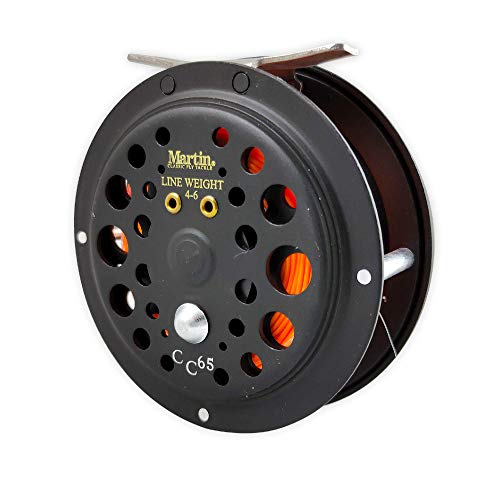
Martin Caddis Creek Fly Fishing Reel, Size 6/5 Single Action Fly Reel with Rim-Control, Changeable Right- or Left-Hand Retrieve, Lightweight Aluminum Spool, Brown, 63
Original price was: £20.97.£19.66Current price is: £19.66. *View On Amazon* - Fly Fishing Reels
MAXIMUMCATCH Maxcatch Cassette Fly Fishing Reel With 3 Extra Spare Spools 5/6, 7/8wt (7/9wt)
Original price was: £56.90.£51.21Current price is: £51.21. *View On Amazon* - Fly Fishing Reels
Piscifun Sword Fly Fishing Reel with CNC-machined Aluminum Alloy Body and Spool, Light Weight and Corrosion Resistance Design 7/8 Gunmetal
Original price was: £52.52.£49.46Current price is: £49.46. *View On Amazon* - Fly Fishing Reels
ANGLER DREAM Fly Fishing Reel Combo WF 8WT Preloaded Line Spool with 9/10WT Reel
£62.99 *View On Amazon* - Fly Fishing Reels
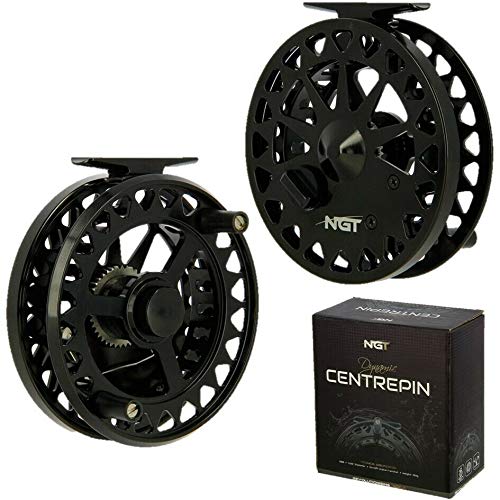
NGT Fishing Centrepin Reel 2bb 4.25 Lightweight Aluminium River Coarse Fishing
£36.49 *View On Amazon* - Fly Fishing Reels
LEEDA LA Fly Fishing Reel With Spare Spool #5/6 or #7/8 (#5/6 & Spare Spool)
£21.99 *View On Amazon* - Fly Fishing Reels
Piscifun Sword Fly Fishing Reel with CNC-machined Aluminum Alloy Body 7/8 Space Gray
£53.54 *View On Amazon*








Why Choose a Fly Fishing Reel?
✅ Holds fly line and backing securely
✅ Provides smooth drag control for fighting fish
✅ Balances the fly rod to reduce casting fatigue
✅ Designed for different line weights (e.g. 4wt to 10wt+)
✅ Durable materials for freshwater or saltwater conditions
Whether you’re roll casting on a chalkstream or targeting salmon in a powerful river, the right fly reel gives you control, confidence, and durability.
Key Features of Fly Fishing Reels
| Feature | Why It Matters |
|---|---|
| Large Arbor Design | Faster line retrieval and reduced line memory |
| Disc Drag System | Smooth pressure to protect tippets during hard runs |
| Lightweight Build | Reduces wrist fatigue and improves casting feel |
| Machined Aluminium Frame | Precision build for strength and corrosion resistance |
| Quick Spool Change | Allows easy switch between floating, intermediate, or sinking lines |
| Left/Right Retrieve Options | Adjustable to suit left- or right-handed anglers |
Fly Reel Size & Line Weight Guide
| Rod Line Weight | Recommended Reel Size | Best For |
|---|---|---|
| 3–4wt | Small arbor, 3/4 reel | Light trout, grayling |
| 5–6wt | Standard 5/6 reel | All-around trout and river fishing |
| 7–8wt | Mid to large arbor 7/8 | Stillwaters, bass, sea trout |
| 9–10wt | Large arbor 9/10 | Salmon, pike, saltwater |
| 11wt+ | Oversized reels with high drag | Tarpon, GT, large salmon |
🎯 Always match your reel to the rod’s line weight and your preferred line type.
Types of Fly Fishing Reels
| Reel Type | Best For |
|---|---|
| Click & Pawl Reels | Classic sound, lightweight—ideal for small stream trout |
| Disc Drag Reels | Smooth and adjustable drag—great for bigger fish and longer runs |
| Large Arbor Reels | Fast retrieve and less coiling—standard on modern setups |
| Saltwater Fly Reels | Sealed drag, anti-corrosion, heavy-duty frames |
Best Fly Reel Brands We Stock
Greys – UK-engineered, dependable reels for rivers and stillwaters
Orvis – Premium fly gear with smooth drags and stylish finishes
Shakespeare – Affordable and beginner-friendly fly fishing kits
Vision – Scandinavian performance for trout and salmon anglers
Redington – Quality modern reels at accessible prices
Hardy – Heritage craftsmanship with top-tier engineering
Sage – High-end reels for serious fly anglers
Airflo – Great value and reliability for UK conditions
Choosing the Right Fly Reel
Match Reel to Rod Weight
A 5wt rod needs a 5wt reel to maintain proper balance and line control.
Consider Target Species
Trout/grayling → click & pawl or small disc drag reel
Salmon/pike → sealed disc drag with strong backing capacity
Water Type
Freshwater reels are lighter
Saltwater reels need corrosion-resistant parts and sealed drag systems
Line & Backing Needs
Choose a reel with enough capacity for your fly line and 50–150 yards of backing
Tips for Using a Fly Reel
✅ Check drag tension before fishing—adjust to suit your tippet strength
✅ Clean and dry your reel after every trip, especially after saltwater use
✅ Use quality fly line backing to improve strength and line management
✅ Practice switching retrieve hand—most reels are reversible
✅ Invest in spare spools for different line types (floating, sink tip, etc.)
🧠 FAQ: Fly Fishing Reels (10+ Questions)
1. What is a fly fishing reel used for?
It holds your fly line and backing, helps control line during fights, and balances the rod during casting.
2. What’s the difference between a large arbor and small arbor reel?
Large arbor reels retrieve line faster and reduce memory. Small arbor reels are lighter but slower to retrieve.
3. Can I use the same reel for multiple line weights?
Only if the line weights are close (e.g. 5/6wt). For big differences, use separate reels or interchangeable spools.
4. Do fly reels have drag systems?
Yes—modern reels use disc drag systems for smooth, adjustable resistance. Older styles use click-and-pawl.
5. What’s a click-and-pawl reel?
A simple mechanical reel that uses a spring-and-gear system. Light, classic, and best for small trout fishing.
6. Do I need a sealed drag for saltwater fly fishing?
Yes—sealed drag systems prevent corrosion and are essential in saltwater conditions.
7. How do I change retrieve direction on a fly reel?
Most reels allow reversing the bearing or gear mechanism—refer to the reel’s manual.
8. How much backing should I use?
Depends on line weight and target fish:
Trout = 50–75 yards
Salmon = 100–200 yards
9. Are fly reels interchangeable between rods?
Only if they match the line weight and balance of the rod.
10. What materials are fly reels made of?
Common materials include machined aluminium (strong and lightweight), cast alloy, or composite (budget-friendly).
11. Can beginners use a fly reel easily?
Yes—modern reels are easy to use, especially disc drag reels with large arbor designs for beginners.
Fly Fishing Experts Since 1988
From riverside trout to Scottish salmon and saltwater bass, our range of fly fishing reels suits every species, water, and budget. Whether you’re just starting out or looking to upgrade to a premium sealed-drag reel, we’ll help you find the right match for your rod and style—with honest advice and proven brands.
🎣 Balance your cast. Control your line. Explore our fly fishing reels online or in-store today.
 Getting ready for Summer? View our Home and Garden Products

Heading outdoors this winter? Take a look at our Outdoor Clothing.
Amazon Associate Disclosure
As an Amazon Associate I earn from qualifying purchases.