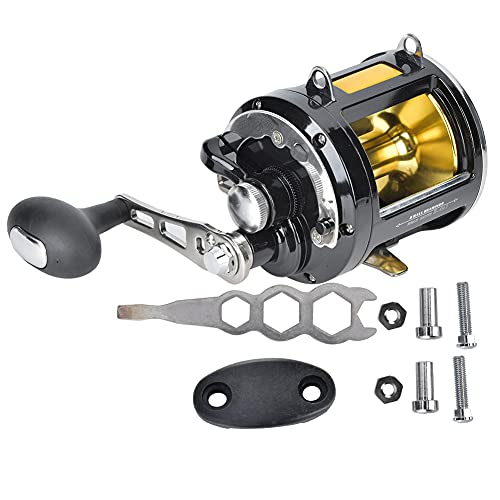
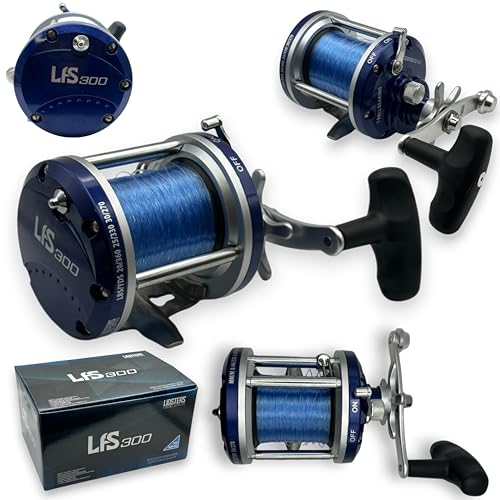
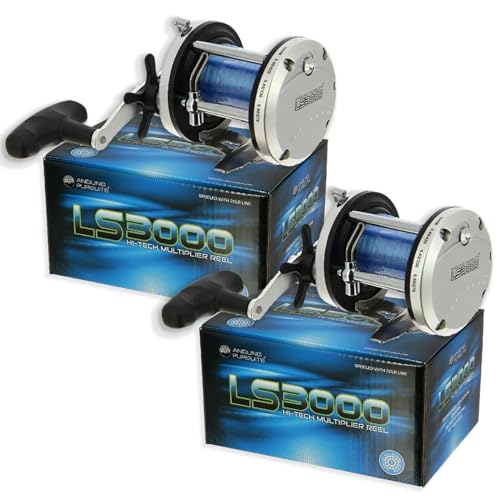
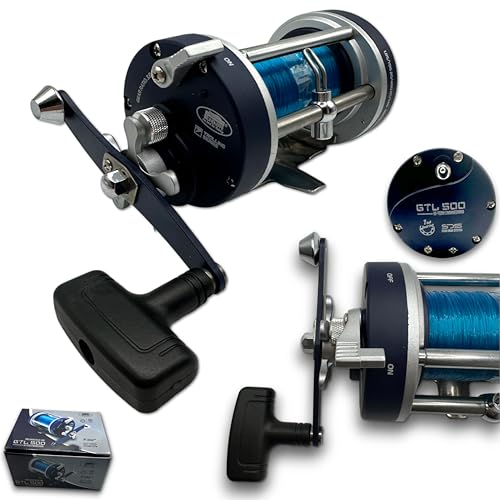
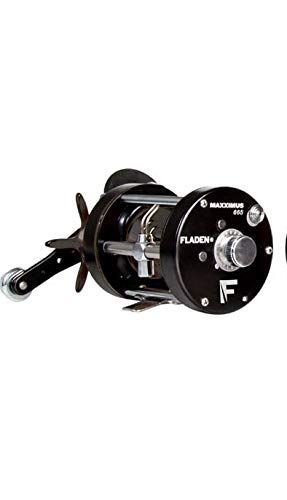
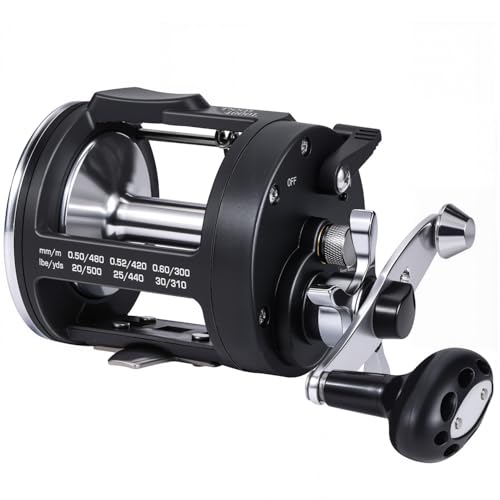
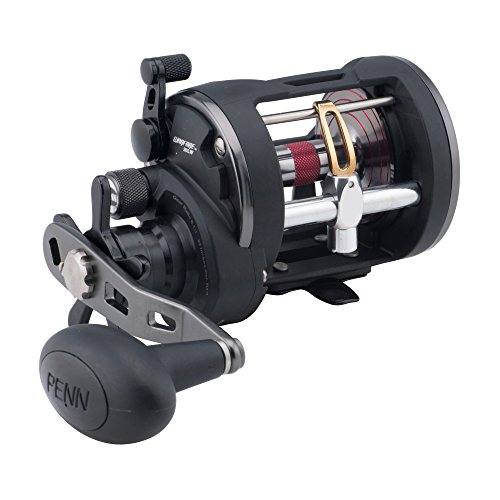
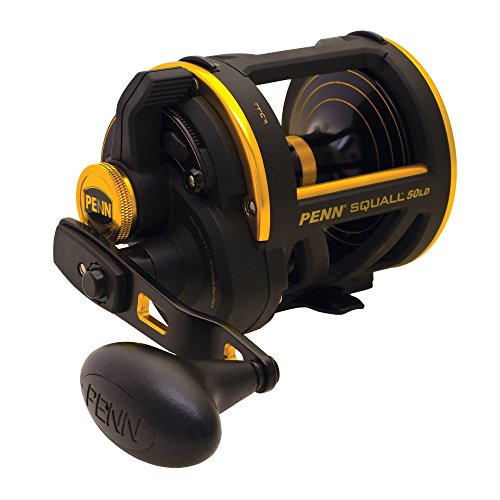
Multiplier Reels

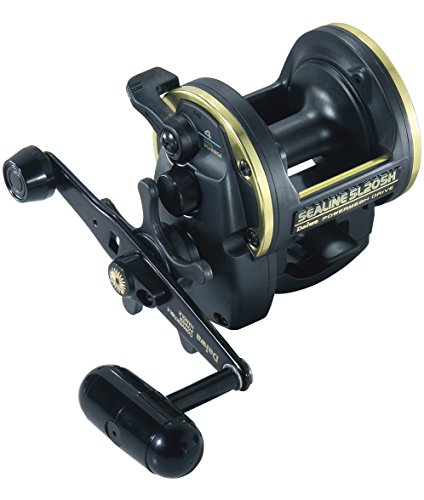
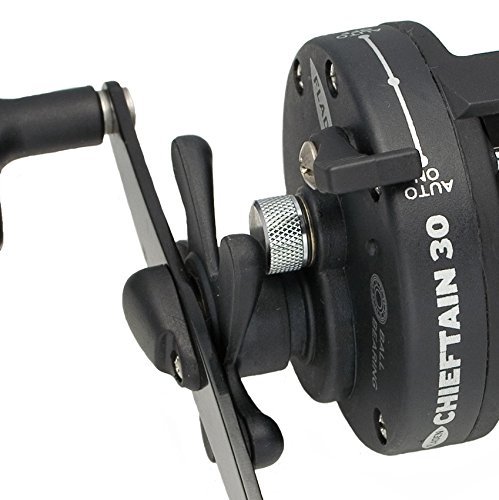
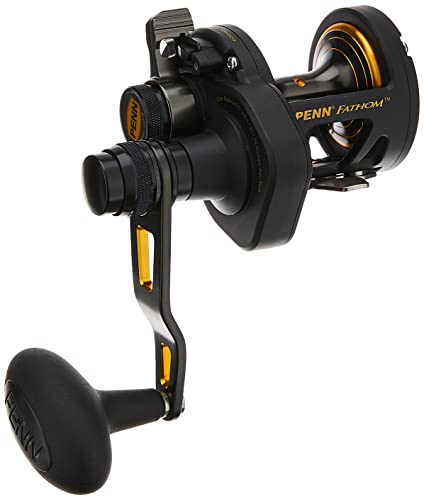
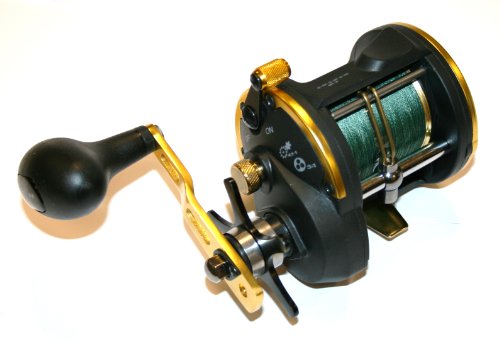
Multiplier reels are fishing reels designed for controlled line release, strong retrieval and use with suitable rods in sea fishing, boat fishing, beach casting and some specialist fishing styles. They are suitable for regular anglers and experienced fishers, while beginners can use them if they are prepared to learn spool control and casting technique.

The right multiplier reel depends on your rod, line choice, target species, casting weight, fishing venue, drag system, line capacity, retrieve speed, handle comfort, spool control and whether the reel is intended for beach, boat, shore or saltwater use.

Showing 1–24 of 80 resultsSorted by popularity

What Are Multiplier Reels?

Multiplier reels are fishing reels with a rotating spool that releases line during the cast or drop. They are commonly used in sea fishing, boat fishing and heavier fishing situations where line capacity, power and control are important.

The term multiplier comes from the geared retrieve, where one turn of the handle rotates the spool multiple times. This helps recover line efficiently, which can be useful when fishing at depth, in tide or over rough ground.

Multiplier reels are different from fixed spool reels. They usually require more attention during casting because the spool must be controlled to avoid overruns and tangles.

What Are Multiplier Reels Used For?

Multiplier reels are often used for beach casting, boat fishing, pier fishing, rock fishing and offshore styles where suitable tackle is needed. They can be useful when fishing with heavier rigs, stronger lines, larger weights or deeper water.

Boat anglers may use multiplier reels for lowering baits, working rigs vertically, fishing over wrecks or reefs, and handling stronger fish where suitable. Shore anglers may use casting multiplier reels for distance work, surf fishing or rough ground fishing.

Some multiplier reels may also be used in freshwater predator or specialist fishing, but they are most strongly associated with sea fishing and heavier tackle applications.

How To Choose The Right Multiplier Reel

Start by thinking about the type of fishing you do. A casting multiplier for beach fishing is not the same as a larger boat multiplier for deep water or heavy bait fishing.

Next, match the reel to your rod. Multiplier reels should be used with rods designed for multiplier use. The rod, reel, line and casting weight should all work together.

Line capacity is important. Shore fishing, boat fishing and deep water fishing may need more line than lighter methods. Check the reel details carefully and choose a model that suits the line diameter and fishing depth you expect to use.

Key Features To Compare

When comparing multiplier reels, look at reel size, line capacity, drag system, retrieve ratio, braking system, spool control, level wind feature where listed, handle style, reel weight and saltwater suitability where listed.

The drag system should match the target species and fishing style. A smooth drag can help when playing fish, especially when using stronger tackle or fishing in tide.

Braking and spool control are especially important for casting multipliers. A reel that is poorly set up can overrun during the cast, leading to tangles and lost fishing time.

Casting Multipliers Compared With Boat Multipliers

Casting multipliers are usually designed for shore anglers who need controlled casting from beaches, piers or rock marks. They may include braking systems and spool adjustment features to help manage line release during a cast.

Boat multipliers are often built around line capacity, strength and controlled retrieval rather than long distance casting. They may be used for dropping rigs, fishing at depth or working baits from a boat.

The trade off is casting control versus winching power and capacity. Choose the reel for the job rather than assuming one multiplier can do everything equally well.

Multiplier Reels Compared With Fixed Spool Reels

Fixed spool reels are often easier for beginners because they are familiar, simple to cast and more forgiving if the cast is not perfect. They are popular across many types of fishing.

Multiplier reels can offer direct control, strong retrieval and good line handling for suitable sea and boat fishing methods. However, they usually require more practice and careful setup.

The trade off is simplicity versus control. A fixed spool reel may be easier to start with, while a multiplier reel can be very effective once the angler is confident.

Multiplier Reels Compared With Baitcasting Reels

Baitcasting reels and multiplier reels both use rotating spools, but they are usually used for different styles of fishing. Baitcasting reels are often smaller and used for lure and predator fishing with baitcasting rods.

Multiplier reels are often larger and more commonly used for sea fishing, boat fishing and heavier casting or bait fishing setups.

The terms can sometimes overlap, so always check the product details, rod compatibility and intended use before buying.

Beginner, Regular Angler And Experienced Angler Guidance

Beginners can learn to use multiplier reels, but they should expect a learning curve. It is sensible to practise casting in open space and start with controlled casts rather than trying to force distance.

Regular sea anglers may benefit from a multiplier reel when fishing heavier ground, deeper water or longer sessions where line capacity and retrieve control matter.

Experienced anglers often compare spool speed, braking, drag smoothness, retrieve rate, frame strength, line lay and casting feel. Small setup changes can make a big difference when fishing with multipliers.

Braking Systems And Spool Control

Multiplier reels used for casting often include braking systems to help control spool speed. Depending on the model, this may include magnetic braking, centrifugal braking or other systems.

Spool tension also matters. Too little control can lead to overruns, while too much control can reduce casting distance and make the reel feel restricted.

Good casting with a multiplier is about smooth power, correct setup and thumb control. The reel should be adjusted to suit the rig weight, wind and angler’s ability.

Avoiding Overruns And Bird Nests

An overrun happens when the spool spins faster than the line can leave the reel. This can create loose loops, tangles and the messy line problem often called a bird nest.

To reduce overruns, start with safer brake settings, use suitable casting weights, avoid casting too hard and stop the spool with your thumb as the rig lands.

Wind, light rigs and poor casting technique can all make overruns more likely. Practise gradually and adjust the reel as confidence improves.

Star Drag And Lever Drag Multiplier Reels

Star drag reels use a star shaped adjustment near the handle to control drag pressure. They are common on many multiplier reels and can be practical for general sea fishing and casting setups.

Lever drag reels use a lever to adjust drag pressure. They are often associated with boat fishing, heavier tackle or situations where more controlled drag settings are useful, depending on the model.

The best drag style depends on the fishing method, target species and personal preference. Always learn how the drag works before fishing.

Level Wind And Non Level Wind Reels

A level wind system guides line evenly across the spool as you retrieve. This can make line management easier, especially for anglers who want a more straightforward retrieve.

Non level wind reels require the angler to guide the line across the spool manually with the thumb or finger. Some anglers prefer this for casting performance or simplicity, but it takes more practice.

The trade off is convenience versus manual control. A level wind can be easier to manage, while a non level wind reel may appeal to anglers who want more direct spool control.

Multiplier Reels For Beach And Shore Fishing

Beach and shore fishing can involve casting rigs into surf, tide, channels or rough ground. A suitable casting multiplier can help with line capacity and controlled casting when matched with the right rod and line.

Shore fishing often needs careful attention to casting weight, shock leader use where appropriate, rig strength and safe casting space. Heavy rigs can be dangerous if cast carelessly.

The reel should suit the type of mark you fish. Clean sandy beaches, mixed ground and rough rocky areas can all need different tackle choices.

Multiplier Reels For Boat Fishing

Boat fishing multipliers are often chosen for depth control, strong retrieval and line capacity. They may be used for bait fishing, drifting, anchoring, wreck fishing or general sea fishing from a boat.

When fishing from a boat, the reel should suit the depth, tide, rig weight and target species. A comfortable handle and reliable drag can be important when retrieving from deep water.

Boat fishing can place strain on tackle, especially around rough ground and stronger fish. Choose line, leaders, hooks and rigs that match the reel and method.

Multiplier Reels For Sea Fishing

Multiplier reels are strongly associated with sea fishing because they can suit heavier tackle, saltwater venues, deeper water and stronger fish. They may be used from beaches, piers, rocks, boats and other suitable marks.

Saltwater can be hard on reels, so saltwater suitability where listed, cleaning and careful storage are important. Sand, salt and grit can affect spool movement, bearings, handles and drag systems.

Do not assume every multiplier reel is suitable for all sea fishing. Check the product details and choose based on the method, water and target species.

Line Choice For Multiplier Reels

Multiplier reels can be used with monofilament, braid or other suitable lines depending on the fishing method and product. Monofilament is often used in shore fishing, while braid may be used in some boat or lure situations where suitable.

Line diameter, breaking strain and spool loading are important. Overfilling the spool can cause overruns, while underfilling may reduce casting or retrieval performance.

If using braid, take care with spool loading, knots and leaders. Braid behaves differently from monofilament and may not suit every venue or reel.

Rod Compatibility And Balanced Setups

Multiplier reels should be used with rods designed for multiplier use. The reel sits on top of the rod, and the rod rings, reel seat and casting style are designed around that layout.

A balanced setup should match the reel, rod, line, rig and casting weight. A powerful reel on an unsuitable rod can feel awkward and may not cast safely.

Before buying, think about the full setup. Reel size, rod rating, line strength, rig weight, target species and fishing location should all make sense together.

Drag, Retrieve Speed And Fish Control

The drag system helps control fish by allowing line to leave the reel under pressure. This is important when fishing for stronger sea fish or when fish dive in tide or rough ground.

Retrieve speed affects how quickly line is recovered. A faster retrieve can help when bringing rigs back from distance or depth, while a slower retrieve may offer more controlled power depending on the reel.

Handle comfort matters too. Sea fishing can involve heavy weights, repeated retrieves and long sessions, so the handle should feel secure and practical.

Casting Safety With Multiplier Reels

Casting with multiplier reels requires care. Heavy weights, rigs and leaders can cause injury or damage if cast in an unsafe area.

Always check behind and around you before casting. Keep people, dogs, tackle, shelters and other anglers clear of the casting path.

Use tackle that matches the rod rating and casting weight. If shock leaders are required for the method, use suitable leader material and knots, and check them before every cast.

Venue Rules And Responsible Fishing

Always check local rules before fishing. Sea marks, piers, beaches, charter boats, fisheries and clubs may have rules on access, seasons, bait, species, tackle, safety and catch limits.

Use tackle strong enough for the fish and conditions. Lost rigs, broken line and weak connections can cause problems for fish, wildlife and other water users.

Take old line, broken rigs, hooks, weights and packaging home with you. Responsible fishing keeps marks safer and more enjoyable for everyone.

Care, Cleaning And Maintenance

Multiplier reels should be cleaned and stored carefully, especially after saltwater use. Salt, sand and grit can affect spool movement, bearings, gears and drag parts.

After fishing, wipe the reel down and remove visible dirt. Rinse only where suitable and avoid forcing water into the reel unless the manufacturer says this is safe.

Check the spool, handle, drag, braking system, level wind where fitted and line before the next session. Use reel lubricants and cleaners only where suitable and according to product and reel guidance.

Useful Accessories To Consider

Useful accessories for multiplier reels include suitable sea fishing line, braid where suitable, shock leaders, rig wallets, reel cases, reel oil, reel grease, line cutters, pliers, forceps, rod rests, beach tripods, boat rods and shore rods.

For sea fishing, strong swivels, clips, hooks, weights, bait tools and safe storage are also useful. For boat fishing, rod belts, tackle boxes and fish handling tools may be worth considering depending on the method.

The best multiplier setup is one where the reel, rod, line, rig and accessories all suit the same fishing style.

Why Buy Multiplier Reels From YPC?

At YPC, we understand active lifestyles and the need for practical products that work in real use. Multiplier reels should be chosen carefully because reel size, line capacity, drag, braking and rod compatibility all affect how well the setup performs.

Browse the Multiplier Reels category at YPC to compare available options, check the details that suit your fishing method and choose reels that match the waters and species you plan to target.

Multiplier Reels FAQs

What is a multiplier reel?

A multiplier reel is a fishing reel with a rotating spool and geared retrieve. It is commonly used for sea fishing, boat fishing, beach casting and heavier fishing setups.

It should be matched with a suitable multiplier rod, line and rig.

Are multiplier reels suitable for beginners?

Multiplier reels can be used by beginners, but they usually take more practice than fixed spool reels. Casting requires spool control to avoid overruns.

Beginners should start with controlled casts, sensible brake settings and suitable casting weights.

What are multiplier reels used for?

Multiplier reels are used for shore fishing, boat fishing, beach casting, pier fishing, rock fishing and other heavier fishing methods where line capacity and control are useful.

They are especially common in sea fishing.

What is the difference between a multiplier reel and a fixed spool reel?

A multiplier reel has a rotating spool, while a fixed spool reel releases line from a stationary spool. Fixed spool reels are usually easier to cast.

Multiplier reels can offer strong retrieve and direct control, but they need more careful setup and technique.

What is the difference between a multiplier reel and a baitcasting reel?

Both use rotating spools, but baitcasting reels are often smaller and used for lure fishing. Multiplier reels are usually associated with sea fishing, boat fishing and heavier tackle.

Check product details because terms can overlap in some listings.

Can I use a multiplier reel for beach fishing?

Yes, multiplier reels are commonly used for beach fishing when paired with a suitable shore rod, line and rig. They can be useful for casting and handling sea fishing conditions.

Casting technique and spool control are important.

Can I use a multiplier reel for boat fishing?

Yes, multiplier reels are often used for boat fishing. They can be useful for fishing at depth, handling heavier rigs and retrieving line under load.

Choose a reel that suits the depth, species and method.

Can I use a multiplier reel for freshwater fishing?

Some multiplier reels may be used for freshwater specialist or predator fishing, but they are most commonly used for sea fishing. For many freshwater methods, a fixed spool reel or baitcasting reel may be more practical.

Choose based on the rod, line, lure or rig and target species.

What is an overrun on a multiplier reel?

An overrun happens when the spool spins faster than the line leaving the reel. This creates loose loops or tangles on the spool.

Good brake settings, thumb control and smooth casting help reduce overruns.

What is a bird nest on a multiplier reel?

A bird nest is a severe spool tangle caused by overrun. It can happen when the spool is not controlled properly during casting.

Practising casting technique and setting the reel correctly can reduce the risk.

What braking system do multiplier reels use?

Multiplier reels may use magnetic, centrifugal or other braking systems depending on the model. Brakes help control spool speed during casting.

Always check the product details and adjust the reel for your casting weight and conditions.

What is spool tension?

Spool tension controls how freely the spool starts and turns. It helps match the reel to the rig weight and casting conditions.

Too little tension can increase overruns, while too much can restrict casting distance.

What is star drag on a multiplier reel?

Star drag is a drag adjustment system controlled by a star shaped wheel near the handle. It is common on many multiplier reels.

It allows the angler to adjust pressure when playing fish.

What is lever drag on a multiplier reel?

Lever drag uses a lever to adjust drag pressure. It is often found on some boat and heavier fishing reels.

It can provide controlled drag adjustment depending on the model.

What is a level wind multiplier reel?

A level wind multiplier has a guide that moves line evenly across the spool during retrieve. This can make line lay easier to manage.

It may be useful for anglers who want simpler line control.

What is a non level wind multiplier reel?

A non level wind multiplier does not guide the line automatically across the spool. The angler usually guides the line manually during retrieve.

Some anglers prefer this for casting or simplicity, but it takes more practice.

What line should I use on a multiplier reel?

Line choice depends on the method, reel, rod and target species. Monofilament is common for shore fishing, while braid may be used in some boat or specialist setups.

Check product details and venue rules before choosing line.

Can I use braid on a multiplier reel?

Braid can be used on some multiplier reels where suitable, especially in some boat fishing situations. It needs careful loading, suitable knots and appropriate leaders where needed.

It may not suit every casting setup or venue.

Do I need a shock leader with a multiplier reel?

A shock leader may be needed for some shore casting methods with heavier weights. It helps handle the force of casting when used correctly.

Use suitable leader material and knots, and check local guidance and tackle requirements.

What should I check before buying a multiplier reel?

Check reel size, line capacity, drag system, braking system, level wind feature where listed, retrieve ratio, handle comfort, rod compatibility and saltwater suitability where listed.

The right multiplier reel should match your rod, line, fishing method and target species.

Home and Garden ProductsGetting ready for Summer? View our Home and Garden Products

Outdoor Clothing

Heading outdoors this winter? Take a look at our Outdoor Clothing.

Scroll to Top