
Feeder Rods
Feeder rods are designed for fishing with feeders, bombs and bottom rigs where bite detection is shown through the rod tip rather than a float. They are suitable for beginners, regular coarse anglers, match anglers and experienced fishers who want controlled casting, accurate bait placement and clear indication from lakes, rivers, canals and commercial fisheries.
The right feeder rod depends on where you fish, the species you are targeting, casting distance, feeder weight, rod length, action, tip strength, line choice, reel compatibility and whether you are fishing close in, at range, in stillwater or in flowing water.
- Feeder Rods
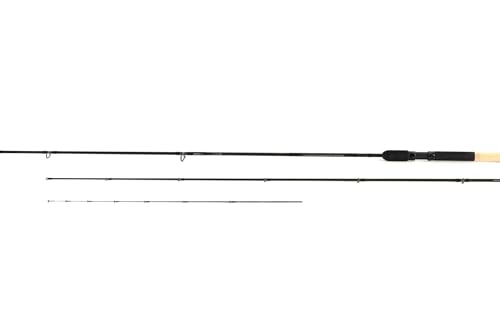
Sonik NYTRO IMPAX 10ft Commercial Carp Feeder Rod
Original price was: £48.99.£47.19Current price is: £47.19. *View On Amazon* - Feeder Rods
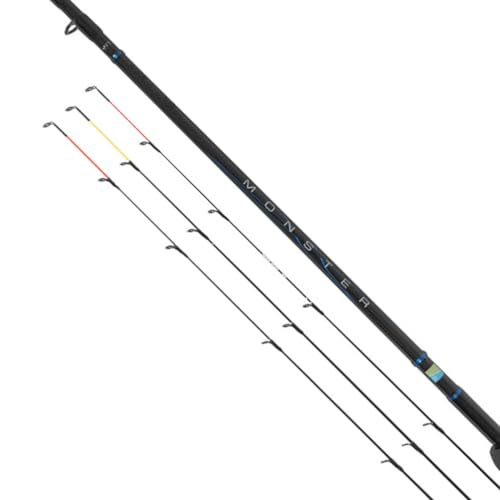
Preston Ascension Quivertip Power Bar 3.5 mm Feeder Fishing Rod
Original price was: £26.49.£23.98Current price is: £23.98. *View On Amazon*







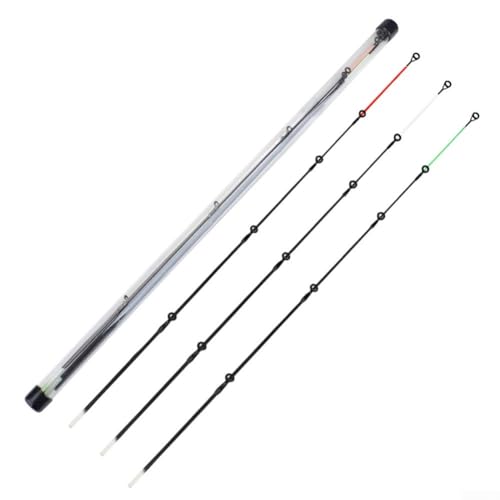

at Are Feeder Rods?
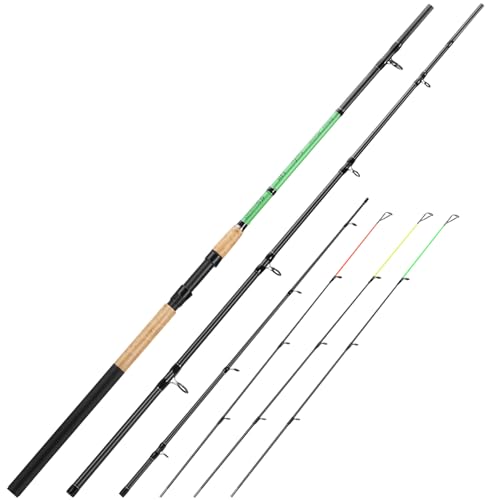
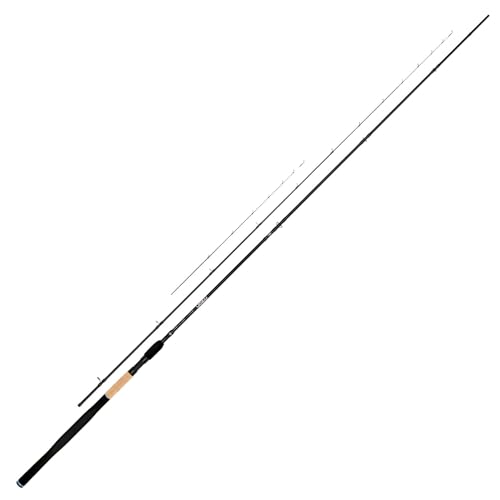
Feeder rods are fishing rods designed for bottom fishing with feeders or small weights. They often have sensitive tip sections, commonly called quiver tips, which show bites when fish move the bait or pull against the rig.
They are commonly used in coarse fishing for species such as bream, roach, skimmers, tench, F1s, chub and carp, depending on the rod and setup. A feeder rod helps cast bait accurately and gives the angler a clear visual signal when fish are feeding.
Feeder rods can be used with different feeder types, including method feeders, cage feeders, open end feeders, pellet feeders and simple bomb weights, where suitable and allowed.
What Are Feeder Rods Used For?
Feeder rods are used to cast a baited rig and a feeder filled with ground bait, pellets, maggots or other suitable bait into the swim. The feeder delivers bait close to the hook bait, helping attract fish to a focused area.
They are useful when fish are feeding on or near the bottom. Instead of watching a float, the angler watches the rod tip for taps, pulls, drop backs or stronger movements.
Feeder rods can be used on stillwaters, commercial fisheries, canals and rivers. The rod needs to match the feeder weight, water conditions and target fish so the setup remains balanced and practical.
How To Choose The Right Feeder Rod
Start by thinking about the venue. A short feeder rod may suit close range commercial fishing, while a longer feeder rod may help with casting distance, line control or river work.
Next, consider the feeder weight you plan to use. Light feeders and small bombs need a lighter rod, while heavier feeders, longer casts or flowing water may need more power.
The tip strength is also important. A very soft tip can show delicate bites, while a stronger tip may be needed for heavier feeders, wind, flow or larger fish. Many feeder rods include interchangeable tips where listed, but always check the product details before buying.
Key Features To Compare
When comparing feeder rods, look at rod length, casting weight, action, quiver tip options, number of sections, handle style, guide quality, reel seat, transport length and suitability for rivers, lakes or commercial fisheries.
Rod action affects casting and fish playing. A softer action can be forgiving with lighter hooklengths, while a stronger action may help with distance, heavier feeders or bigger fish.
Casting weight should be checked carefully. Using feeders that are too heavy for the rod can make casting unsafe or damage tackle. Using a rod that is too strong for light feeders may reduce bite detection and enjoyment.
Feeder Rods Compared With Float Rods
Feeder rods are designed for bottom fishing and bite detection through the rod tip. They are ideal when you want to place bait and feed together in one area.
Float rods are designed for fishing with floats and watching the float for bites. They are often better when fish are feeding at different depths or when you want a more visual presentation through the water.
The trade off is bottom control versus depth control. Feeder rods are useful for fishing close to the lake bed or river bed, while float rods are better for suspended bait presentation.
Feeder Rods Compared With Carp Rods
Feeder rods are usually more sensitive than carp rods and are designed to show bites through the tip. They are often used with lighter lines, hooklengths and feeders.
Carp rods are usually more powerful and designed for stronger carp rigs, bite alarms and specimen fishing. They are not usually as sensitive for standard feeder fishing.
On commercial fisheries, stronger feeder rods may be used for carp and F1s, but a dedicated specimen carp rod is usually better for larger carp or heavier carp fishing setups.
Light, Medium And Heavy Feeder Rods
Light feeder rods are useful for short range fishing, smaller feeders, canals, ponds and delicate bite detection. They can make smaller fish enjoyable to catch and help with subtle presentation.
Medium feeder rods are practical all round options for many lakes, commercial fisheries and general coarse fishing situations. They can handle a wider range of feeder sizes and target species.
Heavy feeder rods are used for longer casting, stronger flow, heavier feeders or larger fish where suitable. They should be matched with suitable reels, line and terminal tackle.
Method Feeder, Cage Feeder And River Feeder Rods
Method feeder rods are often used on commercial fisheries and stillwaters where method feeder fishing is allowed. They need enough power to cast loaded feeders while still showing bites clearly.
Cage feeder rods can be useful for bream, skimmers, roach and river fishing where ground bait or maggots are released from the feeder. The tip and rod power should suit the bait, depth and flow.
River feeder rods may need extra strength because current can pull against the line and feeder. A stronger tip or heavier casting rating may be needed to hold position in flow.
Beginner, Regular Angler And Experienced Angler Guidance
Beginners should choose a feeder rod that is manageable, easy to cast and suitable for the venues they fish most often. A simple light or medium feeder rod can be a practical starting point for coarse fishing.
Regular anglers may want different feeder rods for different waters. A short commercial feeder rod, a longer distance feeder rod and a stronger river feeder rod can all have different uses.
Experienced anglers often compare tip recovery, casting accuracy, bite registration, line control, hooklength protection and how the rod feels with different feeder weights. Small differences can matter during long sessions or match fishing.
Feeder Rods For Commercial Fisheries
Commercial fisheries often involve carp, F1s, bream, skimmers and other coarse fish. Feeder rods used on these waters should match the fish size, feeder type and venue rules.
Shorter feeder rods can be useful for close range work, islands, margins and tight pegs. Medium feeder rods may suit more open swims and mixed species fishing.
Always check fishery rules. Some venues restrict feeder types, bait, hooklength length, barbed hooks or method feeder use.
Feeder Rods For Rivers
River feeder fishing can involve flow, depth, snags and changing conditions. A river feeder rod may need more backbone than a stillwater rod because the feeder must hold bottom and the tip must cope with current.
Longer rods can help lift line away from the water and improve control in some river swims. Stronger tips may be needed when the flow pulls against the rig.
Take care around riverbanks. Water levels can change, banks can be slippery and casting space may be limited.
Feeder Rods For Lakes And Canals
On lakes, feeder rods can be used for bream, tench, carp, skimmers and roach. Distance, wind and feeder size often guide the rod choice.
On canals, lighter feeder rods can be useful because fishing is often closer range and more delicate. A sensitive tip can help show shy bites from smaller fish.
The best rod depends on the water, target fish and how far you need to cast. Do not choose a heavy rod if the fishing is mainly close and delicate.
Rod Length, Casting Weight And Accuracy
Rod length affects casting distance, line control and handling. Shorter feeder rods can feel accurate and easy in tight swims, while longer rods may help with distance or river work.
Casting weight tells you the feeder or weight range the rod is designed to handle. It should include the filled feeder weight, not just the empty feeder.
Accuracy matters in feeder fishing. Repeatedly casting to the same area helps build a consistent feeding zone and makes bites more likely when fish settle over the bait.
Quiver Tips And Bite Detection
Quiver tips are sensitive rod tips used to show bites. They can be different strengths, often suited to different feeder weights, wind, flow and fish behaviour.
A soft tip can show small pulls and delicate bites, but it may be overwhelmed by heavy feeders or strong flow. A stiffer tip can handle tougher conditions but may be less sensitive for shy bites.
If a rod includes interchangeable tips, choose the tip that suits the conditions. The tip should show bites clearly without being pulled round too far by the feeder or current.
Reels, Line And Hooklengths For Feeder Rods
Feeder rods are usually paired with fixed spool reels. The reel size should match the rod length, casting distance and line capacity needed.
Line choice depends on the venue and target fish. Monofilament is commonly used, while braid may be used in some feeder setups where suitable and allowed. Some fisheries restrict braid, so always check the rules.
Hooklengths should match the hook size, bait and fish. A lighter hooklength can improve presentation, while a stronger one may be needed for larger fish or snaggy swims.
Feeders, Bombs And Rig Balance
Feeder rods can be used with method feeders, cage feeders, open end feeders, pellet feeders and bomb weights depending on the method. The rod should suit the loaded weight being cast.
A bomb weight can be useful when you want to fish a single hook bait without adding feed through a feeder. A feeder is better when you want to deliver bait close to the hook.
Rig balance matters. The feeder, line, hooklength, hook and rod tip should all work together. A heavy feeder on a soft rod, or a tiny feeder on a powerful rod, can make fishing less effective.
Safety When Using Feeder Rods
Feeder rods should be used safely, especially when casting loaded feeders. Always check behind you before casting and make sure people, dogs, trees, shelters and other anglers are clear.
Carbon rods can conduct electricity, so keep rods and line away from overhead power lines and never fish during thunderstorms.
Use feeders and weights within the rod’s stated casting range. Overloading a rod can be dangerous and may damage the tackle.
Venue Rules And Responsible Feeder Fishing
Always check venue rules before feeder fishing. Rules may cover feeder type, bait, hook size, hooklength length, barbless hooks, keepnets, fish care and fishing areas.
Use tackle that suits the fish being targeted. Fishing too light for large carp or snaggy water can increase the risk of lost fish and broken tackle.
Take old line, broken feeders, hook packets, bait bags and tackle waste home with you. Responsible fishing helps protect wildlife and keeps venues tidy.
Care, Cleaning And Storage
Feeder rods should be cleaned and dried after use. Ground bait, pellets, mud, rain and grit can collect around guides, handles and reel seats.
Check guides regularly for cracks, rough edges or damage. A damaged guide can quickly weaken or cut line during casting or when playing fish.
Store feeder rods in sleeves, tubes or holdalls where suitable. Avoid trapping quiver tips, crushing guides or leaving rods damp in storage for long periods.
Useful Accessories To Consider
Useful accessories for feeder rods include fixed spool reels, monofilament line, braid where suitable, feeders, feeder moulds, hooklength boxes, hooks, swivels, beads, quick change clips, bait tubs, ground bait bowls, rod rests and tackle boxes.
Landing nets, disgorgers, forceps, unhooking mats and fish care equipment are also useful, especially when targeting carp, tench or larger bream.
The best feeder setup is one where the rod, reel, line, feeder, hooklength, bait and landing equipment all suit the same method.
Why Buy Feeder Rods From YPC?
At YPC, we understand active lifestyles and the need for practical products that work in real use. Feeder rods should be chosen carefully because length, casting weight, tip sensitivity, rod action and venue suitability all affect how well the setup performs.
Browse the Feeder Rods category at YPC to compare available options, check the details that suit your fishing method and choose rods that match the waters and species you plan to target.
Feeder Rods FAQs
What is a feeder rod?
A feeder rod is a fishing rod designed for bottom fishing with feeders, bombs or leger rigs. It usually uses a sensitive tip to show bites.
Feeder rods are commonly used in coarse fishing on lakes, rivers, canals and commercial fisheries.
Are feeder rods suitable for beginners?
Yes, feeder rods can be suitable for beginners. A light or medium feeder rod is a practical way to learn bottom fishing, casting accuracy and bite detection.
Beginners should choose a rod that suits the venues and fish they are likely to target.
What are feeder rods used for?
Feeder rods are used to cast feeders or weights and present bait near the bottom. The feeder can carry ground bait, pellets, maggots or other suitable bait into the swim.
The rod tip shows bites when fish move the hook bait or pull the rig.
What is the difference between a feeder rod and a float rod?
A feeder rod is used for bottom fishing and bite detection through the rod tip. A float rod is used with a float that shows bites on the surface.
Feeder rods are better for baiting a spot on the bottom, while float rods are better for controlling bait at different depths.
What is the difference between a feeder rod and a carp rod?
A feeder rod is usually more sensitive and designed to show bites through the tip. A carp rod is usually more powerful and designed for specimen carp rigs and stronger setups.
Some strong feeder rods can handle commercial carp, but large carp fishing usually needs suitable carp tackle.
What length feeder rod should I choose?
The right length depends on venue and casting distance. Shorter feeder rods can suit close range commercial fishing, while longer rods can help with distance or river control.
Choose a length that suits where you fish most often.
What casting weight feeder rod do I need?
Casting weight should match the feeder or weight you plan to use. Remember to consider the loaded feeder weight, including bait.
Do not cast feeders heavier than the rod is designed to handle.
What are quiver tips?
Quiver tips are sensitive tips used on feeder rods to show bites. They bend or move when fish pull or move the bait.
Different tip strengths suit different feeder weights, wind, flow and bite sensitivity.
What tip should I use on a feeder rod?
Use a softer tip for delicate bites and lighter feeders in calmer conditions. Use a stronger tip for heavier feeders, wind, flow or larger fish.
The tip should show bites clearly without being pulled too far round by the feeder or current.
Can I use a feeder rod on rivers?
Yes, feeder rods can be used on rivers. Stronger rods or tips may be needed because current pulls against the line and feeder.
Choose a rod that can cast the required feeder weight and hold bottom in the flow.
Can I use a feeder rod on commercial fisheries?
Yes, feeder rods are commonly used on commercial fisheries. They can be used with method feeders, pellet feeders, cage feeders or bombs where allowed.
Always check fishery rules before fishing.
Can I use a method feeder with a feeder rod?
Yes, method feeders are often used with feeder rods. The rod should be suitable for the loaded feeder weight and target fish.
A method mould may be useful for shaping bait around the feeder.
Can I use a cage feeder with a feeder rod?
Yes, cage feeders are commonly used with feeder rods. They can carry ground bait, maggots, pellets or mixed feed depending on the method and venue rules.
Choose the feeder size and weight to match the rod and conditions.
Can I use a bomb weight with a feeder rod?
Yes, feeder rods can be used with bomb weights. This can be useful when you want to fish a hook bait on the bottom without adding extra feed through a feeder.
The bomb weight should still match the rod’s casting range.
What reel should I use with a feeder rod?
A fixed spool reel is commonly used with feeder rods. The reel size should match the rod length, line capacity, casting distance and target fish.
A smooth drag is useful when fishing with hooklengths or targeting stronger fish.
What line should I use with a feeder rod?
Line choice depends on the venue, target fish and feeder weight. Monofilament is commonly used, while braid may be used in some feeder setups where suitable and allowed.
Always check fishery rules before using braid.
Are feeder rods good for bream fishing?
Yes, feeder rods are very useful for bream fishing. They allow anglers to place ground bait and hook bait accurately and watch for bites through the tip.
Bream fishing often rewards consistent casting and careful feeding.
Are feeder rods good for carp fishing?
Feeder rods can be good for smaller or medium carp on suitable venues, especially commercial fisheries. Stronger feeder rods may be needed where carp are the main target.
For larger specimen carp, dedicated carp rods are usually more suitable.
How do I care for a feeder rod?
Wipe the rod clean after use, dry it properly and check the guides, reel seat, handle and quiver tips. Remove ground bait, mud and grit before storage.
Store tips carefully because they can be delicate.
What should I check before buying a feeder rod?
Check rod length, casting weight, action, tip options, number of sections, reel compatibility, transport length, guide quality and whether the rod suits rivers, lakes or commercial fisheries.
The right feeder rod should match your reels, line, feeders, target fish and the waters you plan to fish.
 Getting ready for Summer? View our Home and Garden Products

Heading outdoors this winter? Take a look at our Outdoor Clothing.