
Ice Fishing Rods
Ice fishing rods are purpose-built for cold-weather anglers who fish through frozen lakes and rivers, offering compact, responsive, and ultra-sensitive performance for detecting subtle bites in freezing conditions. Shorter than traditional rods and optimised for vertical jigging, ice rods come in a variety of lengths, actions, and power ratings to suit species like perch, walleye, trout, and pike. Since 1988, we’ve been helping ice anglers stay equipped and effective with a full range of ice fishing rods built for precision, toughness, and cold-weather durability.
- Ice Fishing Rods
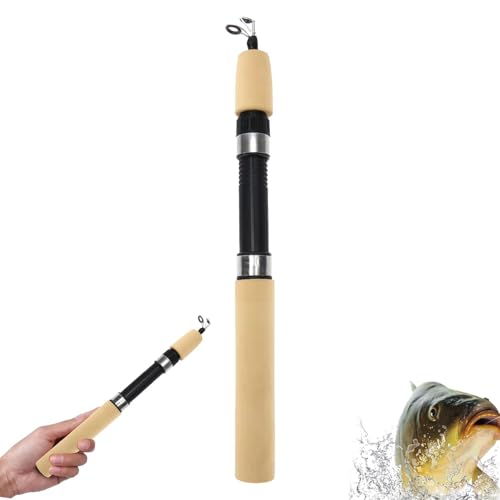
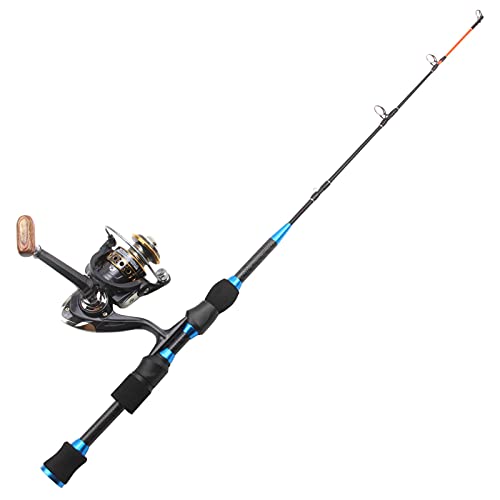
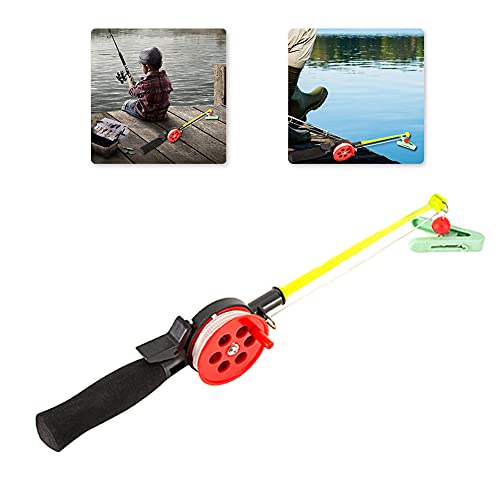
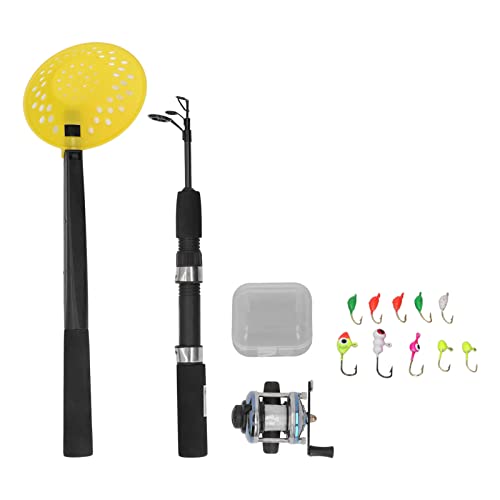
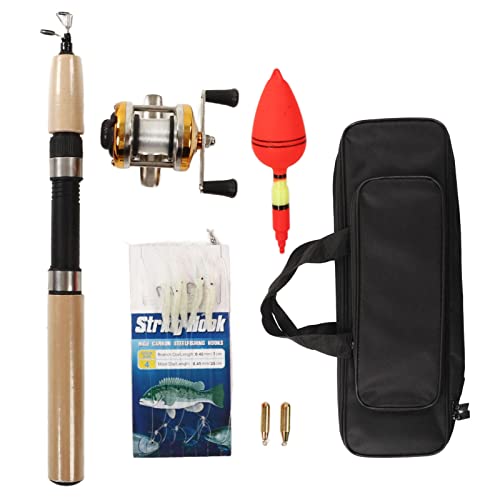
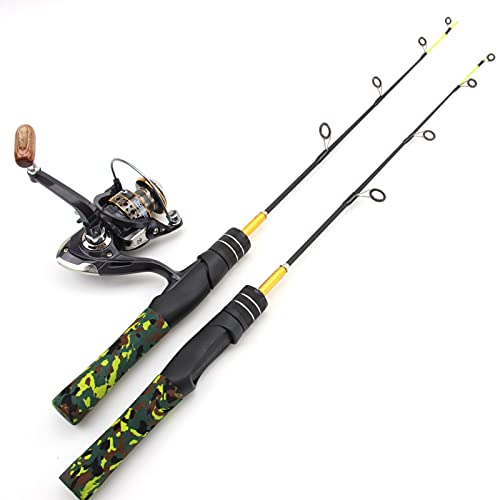
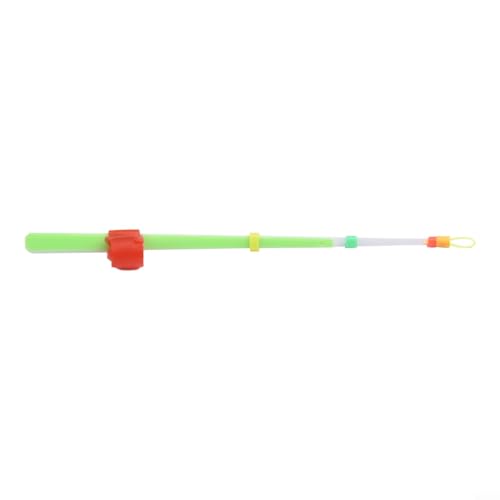
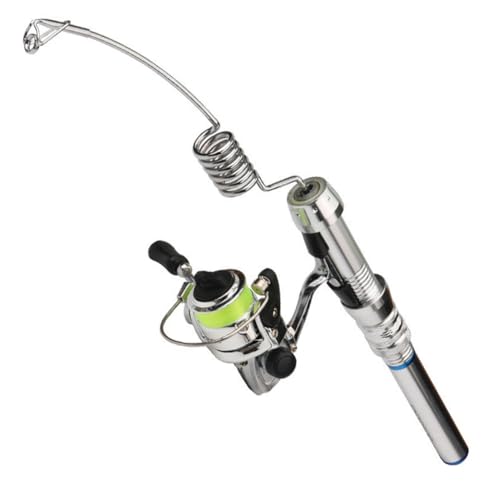
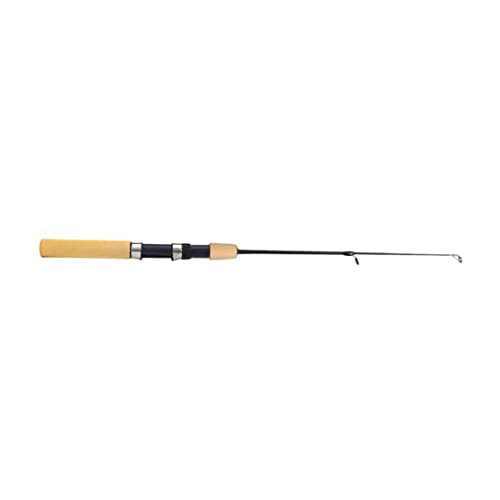
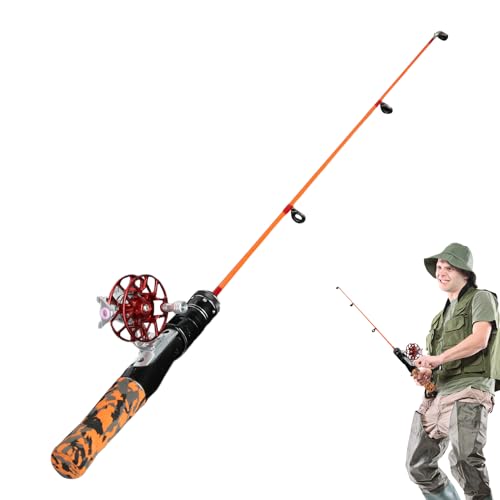
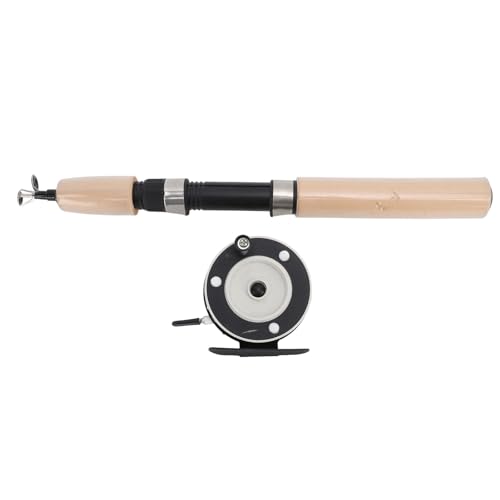
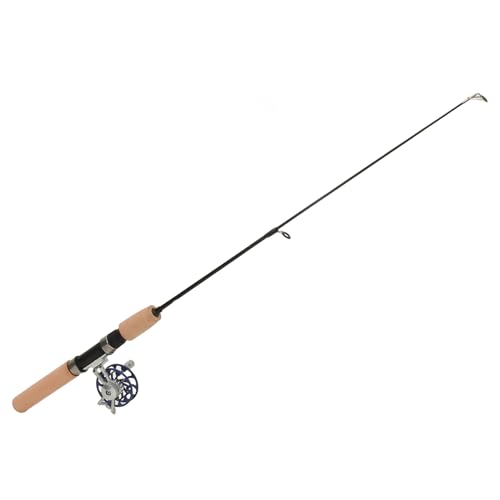
Ice Fishing Rod and Reel Combo Slip Short Section 65cm Ice Fishing Rod for Winter
£10.72 *View On Amazon*









Why Choose an Ice Fishing Rod?
✅ Designed for fishing through ice holes—compact and easy to handle
✅ Fast, sensitive tips for bite detection beneath the ice
✅ Optimised for vertical jigging, live bait, or deadstick techniques
✅ Lightweight construction for mobility inside ice shelters or on the open ice
✅ Paired easily with inline or spinning ice reels
From panfish finesse to heavy-duty predator pursuits, ice rods deliver control and comfort in extreme environments.
Key Features of Ice Fishing Rods
| Feature | Benefit |
|---|---|
| Length (20″–42″) | Shorter rods allow tight use in shelters or over holes |
| Rod Power (Ultra Light to Heavy) | Matches rod strength to species and lure weight |
| Tip Sensitivity | Fast or ultra-light tips for detecting subtle winter bites |
| Cold-Resistant Components | Designed to resist freezing and brittleness in sub-zero temps |
| Split-Grip EVA or Cork Handles | Comfortable to hold with or without gloves |
Types of Ice Fishing Rods
| Rod Type | Ideal For |
|---|---|
| Ultra-Light Rods | Perch, bluegill, crappie—small jigs and finesse presentations |
| Medium-Light Rods | Walleye, trout—spoons, jigs, or live minnows |
| Medium to Heavy Rods | Pike, lake trout—large baits, tip-up setups, and strong hooksets |
| Deadstick Rods | Passive setups with live bait—soft tips to detect light takes |
| Jigging Rods | Fast-action rods for vertical jigging with spoons or soft plastics |
Top Ice Fishing Rod Brands We Stock
13 Fishing – Performance-focused with innovative tip designs
Fenwick – Lightweight and balanced for finesse ice fishing
St. Croix – Premium USA-made rods with unmatched feel and durability
Frabill – Trusted for both casual and serious ice anglers
Shakespeare – Affordable entry-level kits and combos
Daiwa & Shimano – Great all-rounders with smooth reel compatibility
Choosing the Right Ice Fishing Rod
What species are you targeting?
Perch/panfish → Ultra-light to light power
Walleye/trout → Medium-light to medium
Pike/lake trout → Medium-heavy to heavy rods
What technique will you use?
Jigging → Fast action with sensitive tip
Deadsticking → Slow action rod with soft tip
Tip-up fishing → Not rod-based, but rod can be used for hook-setting when retrieved
Do you fish in a shelter or outside?
In shelters = shorter rods (20″–30″)
Outside = longer rods (32″–42″) for more leverage
Reel type preference?
Inline reels help reduce line twist and are popular for finesse work
Spinning reels are more versatile and easier for beginners
Expert Tips for Ice Rod Use
✅ Use light line (2–6 lb) for panfish and trout, heavier for predators
✅ Keep guides ice-free with anti-freeze spray or silicone lubricant
✅ Pair rod with sensitive spring bobber tips for ultra-light bites
✅ Match jig weight to rod power—overloading reduces sensitivity
✅ Transport in hard rod cases to avoid blank or guide damage
🧠 FAQ: Ice Fishing Rods (10+ Questions)
1. What’s the difference between an ice fishing rod and a regular rod?
Ice rods are much shorter (20″–40″), designed for vertical fishing through a small hole. They also feature cold-weather-friendly components.
2. Can I use a regular spinning rod for ice fishing?
You can, but it’s awkward and inefficient. Ice rods are built specifically for tight spaces and vertical presentation.
3. What power rod should I use for walleye?
A medium-light to medium power rod with a fast tip is ideal for walleye.
4. Do I need a special reel for ice fishing?
While you can use a small spinning reel, many ice anglers prefer inline reels for reducing twist and offering smoother jigging.
5. What is a deadstick ice rod?
A soft, slow-action rod used passively with live bait. It detects bites while the rod is stationary.
6. What’s the best rod for jigging spoons?
A fast-action rod in medium-light to medium power gives you the control and hook-setting ability needed for jigging spoons.
7. Can I catch pike with an ice rod?
Yes—use a heavy power rod (36″+) with a strong backbone to handle large predators and big baits.
8. Are combo kits good for beginners?
Absolutely—brands like Shakespeare and Frabill offer pre-matched rod and reel combos perfect for getting started.
9. What length ice rod is best?
Shorter rods (20″–30″) are ideal for shelter use
Longer rods (32″–42″) offer better fighting leverage when fishing outside
10. Can I use braid in ice fishing?
Yes—but braid can freeze. Use it with a fluorocarbon leader or switch to mono in extremely cold conditions.
11. What’s a spring bobber?
A flexible wire tip that attaches to your ice rod, increasing visibility and sensitivity for detecting ultra-light bites.
Cold-Weather Performance Since 1988
From remote frozen lakes to local ice holes, we supply ice rods for every species and skill level, backed by decades of cold-weather angling expertise. Whether you’re targeting finicky perch or monster pike, our selection includes premium jigging rods, deadstick setups, and beginner-friendly combos—all tested to perform in the toughest conditions.
🎣 Gear up for the freeze—explore our ice fishing rods online or in-store today.
 Getting ready for Summer? View our Home and Garden Products

Heading outdoors this winter? Take a look at our Outdoor Clothing.
Amazon Associate Disclosure
As an Amazon Associate I earn from qualifying purchases.