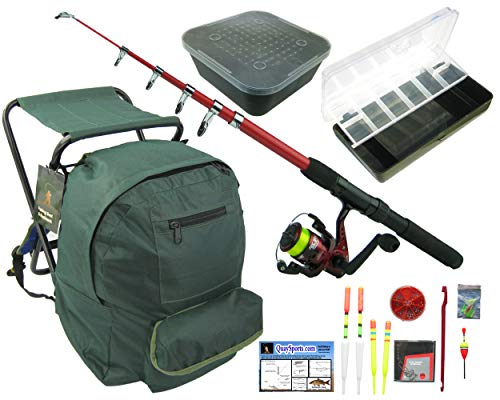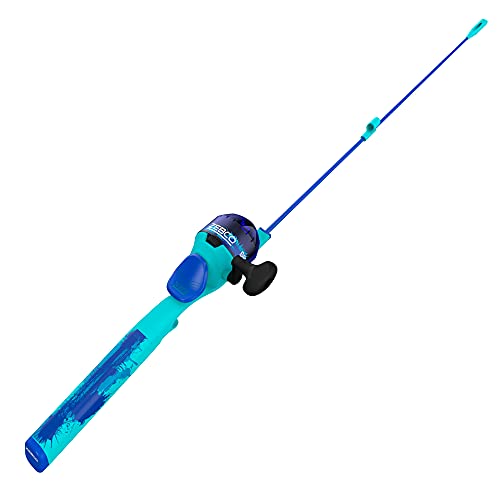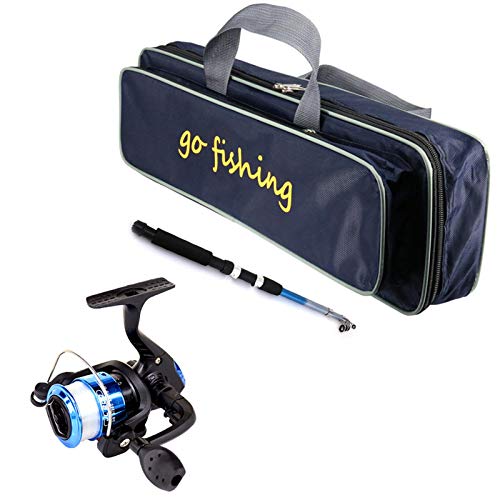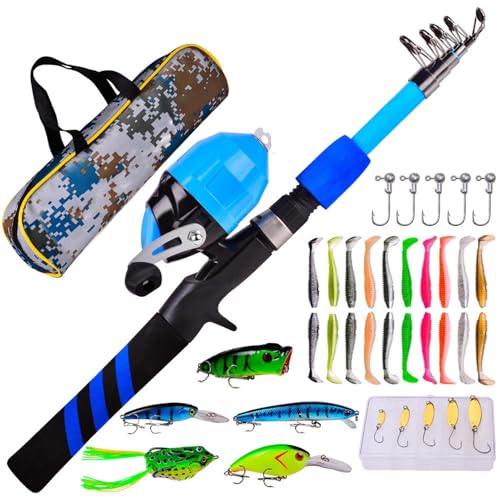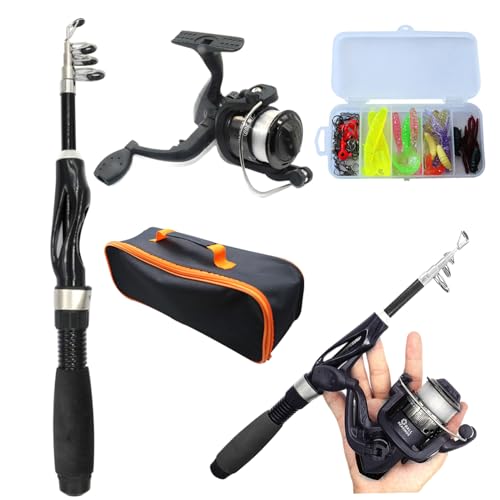
Kids Fishing Rods

Kids fishing rods are designed to help younger anglers learn the basics of fishing with tackle that feels manageable, simple and comfortable to use. They are suitable for family fishing trips, starter sessions, supervised coarse fishing and children who are beginning to understand casting, bite detection and fish handling.

The right kids fishing rod depends on the child’s age, height, strength, confidence, fishing method, target fish, venue, reel compatibility, line choice and how closely an adult will supervise the session. A child’s first rod should be easy to control and suited to safe, responsible fishing rather than chosen only because it looks exciting.

Showing 1–24 of 50 resultsSorted by popularity

What Are Kids Fishing Rods?

Kids fishing rods are fishing rods made or chosen with younger anglers in mind. They are usually intended to be lighter, shorter or easier to manage than many adult rods, depending on the product.

They can be used for simple fishing methods such as float fishing, light spinning where suitable, short range coarse fishing or starter family sessions. The exact use depends on the rod type, reel, line, hooks, bait and venue rules.

A kids fishing rod should be treated as proper fishing equipment, not just a toy. Hooks, line, water and fish handling all need adult supervision and sensible care.

What Are Kids Fishing Rods Used For?

Kids fishing rods are used to introduce children to fishing in a safer, simpler and more manageable way. They can help young anglers learn how to hold a rod, cast carefully, watch for bites, reel in line and understand basic tackle.

They are often used at ponds, lakes, canals, commercial fisheries and other suitable beginner friendly venues where fishing is allowed. Simple coarse fishing is often a practical starting point because it can be visual and easy to explain.

A well chosen rod can make early fishing more enjoyable. If the rod is too long, too heavy or too difficult to use, a child may quickly lose confidence.

How To Choose The Right Kids Fishing Rod

Start by thinking about the child’s size and confidence. A rod should be manageable enough for the child to hold, lift and control without struggling.

Next, choose the fishing method. A simple float fishing rod or starter rod setup may suit many young anglers. Lure fishing and more active methods may be suitable for some children, but they involve more casting and hook awareness.

Think about the venue too. A small pond or managed fishery may be easier for a first session than a fast river, rocky coast or busy bank. Choose the rod and tackle for the safest and simplest place the child will fish.

Key Features To Compare

When comparing kids fishing rods, look at rod length, weight, handle size, number of sections, reel compatibility, line suitability, casting rating where listed, transport length and whether the rod is supplied as part of a starter setup.

A shorter rod may be easier for a child to control, especially in tight spaces. A longer rod may offer more reach, but it can feel awkward if the child is not ready for it.

Durability and simplicity matter. Children are still learning how to carry, cast and store tackle, so a practical rod that is easy to handle can be more useful than a specialist rod with advanced features.

Kids Fishing Rods Compared With Adult Fishing Rods

Adult fishing rods are often longer, more powerful and designed for specific methods or larger fish. They can be too awkward for younger children, especially during casting or landing fish.

Kids fishing rods are usually chosen for manageability and confidence. They should help the child learn basic control without feeling overwhelmed by the tackle.

The trade off is simplicity versus specialist performance. A kids rod should make learning easier, while an adult rod may be better once the child is older, stronger and more experienced.

Kids Fishing Rods Compared With Rod And Reel Combos

A kids fishing rod can be bought separately if you already have a suitable reel, line and tackle. This gives more control over the full setup.

Rod and reel combos can be convenient for beginners because they may bring the basic parts together in one package, depending on the product. They can be useful for family buyers who want a simpler starting point.

The most important thing is compatibility. The rod, reel, line, hooks and bait should all suit the child, venue and fishing method.

Beginner, Regular Young Angler And Growing Child Guidance

For a first fishing session, choose a rod that is simple, light and easy to control. The aim is to make the experience calm and enjoyable rather than technical.

For children who fish more regularly, it may be worth choosing a rod that suits their preferred method. Some may enjoy float fishing, while others may prefer light lure fishing where suitable and allowed.

As a child grows, their tackle needs may change. A rod that suits a very young beginner may feel too small later, while an adult rod may become more appropriate as skill and confidence improve.

Rod Length, Weight And Handle Comfort

Rod length affects control. A shorter rod can be easier for a child to manage, especially when casting close in or fishing from a small peg. A longer rod can offer extra reach, but only if the child can use it safely.

Weight matters because children may tire quickly if the rod feels heavy. A lighter rod can make it easier to hold the rod still, strike gently and reel in under control.

Handle comfort is also important. A child should be able to grip the rod securely without stretching or struggling.

Kids Fishing Rods For Coarse Fishing

Coarse fishing is often a good starting point for children because it can be simple and visual. Watching a float, using small baits and fishing close in can help children understand what is happening.

A kids rod for coarse fishing should be matched with suitable line, small hooks, floats, shot and bait for the venue. The tackle should be suitable for the fish expected and not too heavy or complicated.

Adult help is important when tying rigs, baiting hooks, unhooking fish and handling line. Children can learn step by step, but safety should always come first.

Kids Fishing Rods For Float Fishing

Float fishing can be especially useful for young anglers because the float gives a clear visual sign of bites. It can make fishing feel more exciting and easier to understand.

A simple float setup can teach depth, bait presentation and bite detection. The rod should be easy to hold and control while the child watches the float.

Choose floats, hooks and weights that suit the rod and venue. A balanced setup is easier for children to use and can reduce tangles.

Kids Fishing Rods For Lure Fishing

Some kids fishing rods may be suitable for light lure fishing, depending on the rod rating, reel, line and lure weight. Lure fishing can be fun, but it involves repeated casting and moving hooks, so supervision is essential.

Soft lures, small spinners or other light lures should only be used if they match the rod and local rules. Hooks must be handled carefully, especially if lures include treble hooks.

For younger children, simple bait or float fishing may be easier before moving on to lure fishing.

Kids Fishing Rods For Travel And Holidays

Compact kids fishing rods can be useful for holidays, camping trips, family days out and short sessions where transport space is limited. Multi section or telescopic designs may be easier to pack, depending on the product.

Travel convenience should not come before suitability. The rod still needs to match the reel, line, fish and venue.

If fishing away from home, check local rules before setting up. Access, licences, permissions, seasons and allowed methods can vary between waters.

Safety Around Water

Children should always be supervised closely near water. Lakes, rivers, canals, ponds, beaches and banks can all be dangerous, even when they look calm.

Choose safe fishing spots with stable banks, enough space and clear casting areas. Avoid fast water, steep banks, deep edges, slippery rocks, tides and busy locations until the child is experienced and properly supervised.

Make sure children know not to run near the water, not to cast without checking behind them and not to lean too far when watching fish or floats.

Safety Around Hooks, Line And Casting

Fishing hooks are sharp and should always be handled by or under the guidance of a responsible adult. Children should learn to keep hooks away from hands, clothing, pets and other people.

Casting needs clear space. Before every cast, check behind and around the child for people, dogs, trees, bushes, tackle bags and other anglers.

Line can also cause problems if left loose. Keep rigs tidy, cut off old line safely and take all waste line home. Never leave hooks or line on the bank.

Fish Care For Young Anglers

Kids fishing rods should be used with suitable landing nets, unhooking tools and fish care equipment where needed. Children should be taught that fish must be handled calmly and carefully.

An adult should help with unhooking, especially when hooks are small, fish are lively or the child is unsure. Wet hands where appropriate, sensible handling time and suitable landing equipment can all help protect fish.

Fishing is a great way for children to learn respect for wildlife. Good habits from the start make future fishing safer and more responsible.

Venue Rules, Licences And Permission

Always check current fishing rules before taking a child fishing. Rules can vary by country, water, age, species, season, bait, hooks and venue.

Some fisheries are very welcoming to families and beginners, while others may be more suited to experienced anglers. Choosing the right venue can make a child’s first session much more enjoyable.

You may need a licence, day ticket, club membership or permission depending on where you fish. Check before travelling so the session starts smoothly.

Care, Cleaning And Storage

Kids fishing rods should be cleaned and dried after use. Mud, bait, water and grit can collect around guides, handles and reel seats.

Check rod guides for cracks or rough edges, as damaged guides can weaken line. Also check that rod sections fit together properly and that the reel is secure.

Store the rod safely in a sleeve, tube or suitable storage space where it will not be bent, crushed or stepped on. Children should be shown how to carry and put away tackle properly.

Useful Accessories To Consider

Useful accessories for kids fishing rods include suitable reels, fishing line, floats, hooks, split shot, bait boxes, tackle boxes, line cutters, forceps, disgorgers, landing nets and simple rod rests.

For comfort and safety, consider hats, waterproof clothing, warm layers, suitable footwear, sun aware clothing choices and a towel. Snacks, drinks and spare clothing can also help keep family sessions enjoyable.

The best starter setup is one where the rod, reel, tackle, venue and adult supervision all work together.

Why Buy Kids Fishing Rods From YPC?

At YPC, we understand active lifestyles and the need for practical products that work in real use. Kids fishing rods should be chosen carefully because size, weight, simplicity, safety and adult supervision all matter.

Browse the Kids Fishing Rods category at YPC to compare available options, check the details that suit your young angler and choose a rod that helps make family fishing more enjoyable and manageable.

Kids Fishing Rods FAQs

What is a kids fishing rod?

A kids fishing rod is a fishing rod made or chosen for younger anglers. It is usually intended to be easier to hold, control and use than many adult rods, depending on the product.

It should be matched with suitable reel, line, hooks and adult supervision.

Are kids fishing rods real fishing rods?

Many kids fishing rods are real fishing rods designed for simple starter fishing. They should still be treated with care because hooks, line and water can be dangerous.

Always check the product details to understand whether the rod is intended for real fishing or play use.

What age are kids fishing rods suitable for?

Suitability depends on the child, the rod and the level of adult supervision. Children vary in height, strength, patience and confidence, so there is no single answer for every young angler.

Check the product guidance and choose a rod the child can hold and control safely.

What type of fishing is best for children?

Simple float fishing is often a good starting point because children can watch the float and see bites more easily. Managed ponds and family friendly fisheries can be useful places to learn.

The best choice is a safe venue with simple tackle and close adult support.

Are kids fishing rods suitable for beginners?

Yes, kids fishing rods are designed for beginners and young learners. They can help children build confidence with casting, holding the rod and reeling in.

The setup should be kept simple and suitable for the child’s ability.

What length kids fishing rod should I choose?

Choose a length that the child can hold, lift and control comfortably. Shorter rods are often easier for younger children, while older children may manage longer rods.

Always check the product details and think about the fishing venue.

Are telescopic kids fishing rods useful?

Telescopic kids fishing rods can be useful for travel, storage and casual family sessions because they pack down shorter. They can be convenient for holidays or short trips.

Check that the rod is suitable for the fishing method and target fish.

Are rod and reel combos good for children?

Rod and reel combos can be useful for children because they simplify the buying process. They may provide a matched starter setup depending on the product.

Check the line, reel and rod details to make sure the combo suits the venue and fishing style.

Can children use adult fishing rods?

Some older or more confident children may use smaller adult rods, but many adult rods are too long or heavy for younger anglers. A rod that is awkward to control can make fishing frustrating and less safe.

Choose tackle based on the child’s size and ability, not just age.

Can kids fishing rods be used for coarse fishing?

Yes, many kids fishing rods can be used for simple coarse fishing where suitable. Float fishing for smaller coarse fish is often a practical starting point.

The rod, line, hook and bait should match the venue and expected fish.

Can kids fishing rods be used for carp fishing?

Some kids rods may handle smaller carp on suitable venues, but many are not designed for larger carp or heavy rigs. Carp can be powerful fish, so tackle must be strong enough and safe.

For larger carp, a suitable carp rod and proper fish care equipment are needed.

Can kids fishing rods be used for sea fishing?

Some rods may be suitable for very light coastal or pier fishing where listed, but many kids rods are not designed for saltwater, heavy weights or strong sea fish.

Check product suitability carefully before using a child’s rod near the sea.

Can children use lure fishing rods?

Some older children may enjoy light lure fishing with suitable tackle and close supervision. Lures often have sharp hooks and require frequent casting, so care is essential.

Younger children may find simple float fishing easier to learn first.

What reel should I use with a kids fishing rod?

Use a reel that matches the rod and is easy for the child to operate. A small fixed spool reel is often practical for simple starter fishing, depending on the rod.

The reel should not make the rod feel heavy or unbalanced.

What line should I use with a kids fishing rod?

Line should match the rod, reel, fish and venue. It should be strong enough for the fish expected but not so heavy that it makes presentation difficult.

Check venue rules and product guidance before choosing line.

What tackle is useful with a kids fishing rod?

Useful tackle may include floats, small hooks, split shot, hooklengths, bait boxes, a small tackle box, forceps, a disgorger and a landing net.

An adult should manage sharp items and help with rig setup.

Do children need adult supervision when fishing?

Yes, children should always be supervised when fishing. Water, hooks, line, casting and fish handling all require care.

A calm, patient adult can make the session safer and more enjoyable.

What safety rules should children learn first?

Children should learn not to run near water, not to cast without checking behind them, not to touch hooks without help and not to leave line or tackle on the ground.

They should also learn to respect fish, wildlife and other anglers.

How do I care for a kids fishing rod?

Wipe the rod clean after use, dry it properly and check the guides, handle and reel seat. Store it where it will not be bent, crushed or stepped on.

Teaching children to clean and pack away tackle helps build good habits.

What should I check before buying kids fishing rods?

Check the rod length, weight, reel compatibility, transport length, intended use, line suitability, handle comfort and whether it is suitable for the child’s ability.

The right kids fishing rod should be manageable, safe to use with supervision and suited to the venue and fishing method.

Home and Garden ProductsGetting ready for Summer? View our Home and Garden Products

Outdoor Clothing

Heading outdoors this winter? Take a look at our Outdoor Clothing.

Scroll to Top