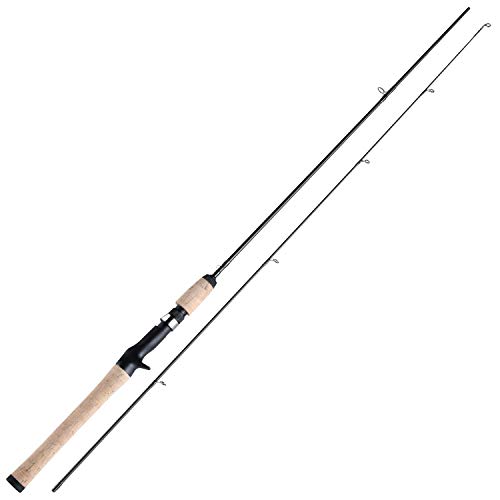
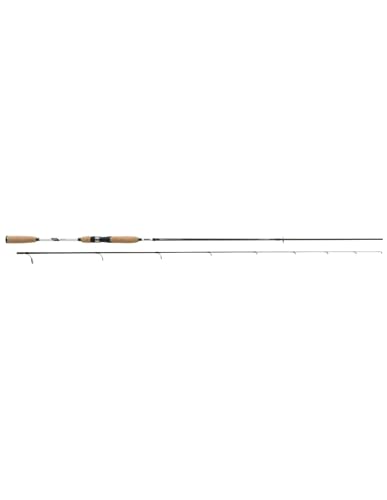
Spinning Rods

Spinning rods are designed for use with fixed spool spinning reels, making them a practical choice for casting and retrieving lures, light rigs and suitable bait presentations. They are suitable for beginners, regular anglers and experienced fishers who want a versatile rod for freshwater or suitable saltwater fishing where listed.

The right spinning rod depends on the species you are targeting, lure weight, rod length, action, power, line choice, reel compatibility, casting distance, venue rules and whether the rod is intended for perch, pike, trout, bass, zander or general lure fishing.

Showing 1–24 of 158 resultsSorted by popularity

What Are Spinning Rods?

Spinning rods are fishing rods designed to work with fixed spool reels that sit underneath the rod. They are commonly used for lure fishing, where the angler repeatedly casts and retrieves artificial lures.

They can be used with spinners, spoons, soft plastics, plugs, crankbaits, jigs and other suitable lures depending on the rod rating. Some spinning rods can also be used for light bait fishing or general angling where the product is suitable.

A spinning rod should be matched carefully with the reel, line and lure weight. A balanced setup makes casting easier, improves lure control and helps the angler play fish more confidently.

What Are Spinning Rods Used For?

Spinning rods are mainly used for active fishing with artificial lures. The angler casts, retrieves, pauses, twitches or works the lure to attract fish.

They are commonly used for predator species such as perch, pike, zander, trout and bass where lure fishing is allowed. The exact rod choice depends on lure size, fish size, water depth, current, cover and venue rules.

Spinning rods can be used on rivers, canals, lakes, reservoirs, harbours, beaches and suitable coastal marks where the rod is designed for the conditions. Always check freshwater or saltwater suitability before use.

How To Choose The Right Spinning Rod

Start with the lure weights you plan to use. Every spinning rod should have a suitable casting or lure weight range where listed. Light lures need a lighter rod that can load properly, while heavier lures need a stronger rod built to cast and control them safely.

Next, think about the fish you are targeting. Perch and small trout may suit lighter spinning rods, while pike, zander, bass or heavier predator fishing may need more power, stronger line and suitable leaders.

Rod length also matters. Shorter spinning rods can be useful in tight swims, boats or small rivers. Longer rods may help with casting distance, line control and keeping line clear of bankside obstacles.

Key Features To Compare

When comparing spinning rods, look at rod length, lure rating, casting weight, action, power, line rating where listed, number of sections, handle style, reel seat, guide quality, transport length and freshwater or saltwater suitability where listed.

Action affects how the rod bends. A faster action rod can feel crisp and responsive for jigging and lure control, while a more moderate action can feel more forgiving with moving lures.

Power describes the strength of the rod. Light power rods suit small lures and smaller fish, while heavier power rods are better for larger lures, stronger fish or more demanding water.

Spinning Rods Compared With Casting Rods

Spinning rods are designed for fixed spool reels that sit underneath the rod. Casting rods are designed for baitcasting reels or suitable overhead reels that sit on top of the rod.

Spinning setups are often easier for beginners because fixed spool reels are generally simple to cast and manage. Casting setups can offer excellent control, but they usually require more practice with spool control.

The trade off is ease of use versus specialist control. A spinning rod is often the more versatile starting point, while a casting rod may suit experienced lure anglers who prefer baitcasting reels.

Spinning Rods Compared With Feeder And Float Rods

Spinning rods are mainly designed for casting and working lures. They are usually shorter and more responsive than many feeder or float rods.

Feeder rods are designed for bottom fishing with feeders and bite detection through the rod tip. Float rods are designed for fishing with floats and controlling bait at different depths.

The best choice depends on the method. If you want to fish lures actively, choose a spinning rod. If you want to fish bait on the bottom or under a float, a feeder or float rod may be more suitable.

Beginner, Regular Angler And Experienced Angler Guidance

Beginners should choose a spinning rod that is manageable, not too heavy and matched to simple lure weights. A light or medium spinning setup can be a good starting point for perch, trout or general lure fishing where suitable.

Regular anglers may want different spinning rods for different methods. A light rod for small lures, a stronger rod for pike and a saltwater suitable rod where listed for coastal lure fishing can all serve different purposes.

Experienced anglers often compare sensitivity, blank recovery, casting accuracy, handle length, lure control, line rating and how the rod performs with specific lure types.

Spinning Rods For Perch Fishing

Perch fishing often uses lighter spinning rods with small soft plastics, spinners, crankbaits, jigs and other compact lures. Sensitivity can be important because perch bites may be quick or subtle.

A lighter rod can make small lures easier to cast and work properly. It can also make smaller fish more enjoyable to play.

Line, leader and hook size should still match the venue. If fishing near snags, weed or stronger fish, tackle may need to be adjusted responsibly.

Spinning Rods For Pike Fishing

Pike fishing usually needs stronger spinning rods, larger lures and suitable bite resistant traces. Pike have sharp teeth, so ordinary line should not usually be the final connection to the lure.

A pike spinning rod should match the lure weight and have enough power to cast safely and control the fish. Large lures can overload rods that are not designed for them.

Proper unhooking tools, long forceps, pliers, landing nets and fish care equipment are important when targeting pike.

Spinning Rods For Zander Fishing

Zander fishing often involves soft lures, jigheads and bottom contact presentations where allowed. Sensitivity can be useful because anglers may need to feel taps, drops, bottom changes and subtle takes.

A spinning rod for zander should suit the jig weight, water depth, line type and venue. Too soft a rod may reduce control, while too heavy a rod may make delicate lure work harder.

Always check local rules before targeting zander, as permissions, seasons and methods can vary.

Spinning Rods For Trout And Light Lure Fishing

Light spinning rods can be useful for trout fishing where lure fishing is permitted. Small spinners, spoons and plugs need a rod that can cast light lures properly.

A forgiving action can help protect lighter line and smaller hooks. This can be useful when playing fish that fight quickly or change direction.

Always check fishery rules before lure fishing for trout. Some waters may be fly only or may restrict lure types, hooks or seasons.

Spinning Rods For Bass And Sea Lure Fishing

Some spinning rods are designed for sea lure fishing where listed. They may be used for bass, pollack, mackerel and other suitable coastal species depending on the venue, rod rating and local rules.

Saltwater, wind, surf, rocks and weed can all place extra demands on tackle. Choose a rod that suits the lure weight, line, leader and coastal conditions.

After sea fishing, clean and dry the rod carefully according to product guidance. Salt and sand can affect guides, reel seats and fittings.

Rod Length, Casting Weight And Lure Rating

Rod length affects casting and handling. Short spinning rods can be easier around trees, canals, boats and tight river swims. Longer rods can help with distance, line control and working lures over weed or waves.

Casting weight or lure rating is one of the most important details. It tells you the lure weight range the rod is designed to cast. Using lures outside that range can make the rod feel poor and may risk damage.

A well matched lure should load the rod smoothly during the cast and feel controlled during the retrieve.

Rod Action, Power And Sensitivity

Rod action affects how the rod feels when casting, working lures and playing fish. Fast action rods can help with jigging, bite detection and quick hook sets. Moderate action rods can feel smoother with crankbaits, spinners and other moving lures.

Rod power should match the target species and lure size. A light rod may be enjoyable for small fish, but unsuitable for large pike or heavy lures. A heavy rod may control big lures, but it can feel lifeless with small lures.

Sensitivity helps anglers feel lure movement, bottom contact and bites. This can be especially useful when fishing soft plastics or jigs.

Matching Spinning Rods With Reels And Line

Spinning rods should be paired with suitable fixed spool spinning reels. The reel should balance the rod and hold enough line for the method and species.

Line choice depends on the fishing style. Monofilament can be forgiving and simple, braid can offer sensitivity and low stretch, and fluorocarbon is often used as leader material.

The rod, reel, line and lure should all match. A strong rod with a tiny reel or very light line may feel unbalanced, while a light rod with heavy line and oversized lures may not work properly.

Leaders, Traces And Lure Connections

Leader choice depends on the fish and water. Fluorocarbon leaders may be used for abrasion resistance or lower visibility in some setups.

For pike and other toothy predators, a suitable bite resistant trace is normally important. This helps reduce the risk of fish biting through the line.

Snaps, swivels and clips should suit the lure size and fish being targeted. Oversized connectors can affect lure action, while weak connectors can fail under pressure.

Spinning Rods For Rivers, Canals, Lakes And Reservoirs

Rivers may need rods that offer line control, casting accuracy and enough power for flow and snags. Shorter rods can be useful on tight banks, while longer rods may help control line.

Canals often suit lighter spinning rods, especially for perch and small predators. Accuracy and subtle presentation can be more important than power.

Lakes and reservoirs may need longer casting and the ability to work lures at different depths. Wind, depth and fish location can all affect rod choice.

Spinning Rods For Travel And Compact Storage

Travel spinning rods and multi section rods can be useful for holidays, walking sessions, car storage and anglers with limited space. They can be easier to carry than longer two piece rods.

Telescopic spinning rods may also be useful for casual fishing or compact transport, depending on the product. Always check the intended use and lure rating before buying.

The trade off is convenience versus feel. Compact rods are practical, but they should still match the reel, line, lures and fish you plan to target.

Venue Rules And Responsible Lure Fishing

Always check venue rules before using spinning rods and lures. Some waters restrict lure fishing, hook types, treble hooks, wire traces, seasons, species or fishing areas.

Use tackle that suits the fish and conditions. Fishing too light near weed, snags or strong fish can lead to lost tackle and poor fish care.

Take old line, damaged lures, hooks and packaging home with you. Responsible lure fishing helps protect wildlife and keeps venues safe for other anglers.

Safety When Using Spinning Rods

Spinning rods are often used with lures that have sharp hooks. Always check behind and around you before casting, especially near people, dogs, trees, boats, cars and other anglers.

Carbon rods can conduct electricity, so keep rods and line well away from overhead power lines and never fish during thunderstorms.

When walking between swims, secure lures safely. A loose lure swinging from the rod tip can catch clothing, bags, nets, pets or skin.

Care, Cleaning And Storage

Spinning rods should be wiped clean and dried after use. Mud, weed, rain, bait, salt and sand can affect guides, handles and reel seats.

Check rod guides regularly for cracks, rough edges or damage. Damaged guides can quickly weaken braid, monofilament or fluorocarbon.

Store rods in sleeves, tubes or holdalls where suitable. Avoid trapping tips, crushing guides or leaving rods damp in storage for long periods.

Useful Accessories To Consider

Useful accessories for spinning rods include fixed spool reels, braided line, monofilament, fluorocarbon leaders, bite resistant traces, snaps, swivels, lure boxes, soft lures, spinners, spoons, plugs, jigheads, forceps, pliers and line cutters.

For predator fishing, landing nets, unhooking mats, long forceps and suitable fish care tools are important. For sea lure fishing where suitable, cleaning cloths and reel maintenance products may also be useful.

The best spinning setup is one where the rod, reel, line, leader, lure and fish handling equipment all match the same fishing method.

Why Buy Spinning Rods From YPC?

At YPC, we understand active lifestyles and the need for practical products that work in real use. Spinning rods should be chosen carefully because length, lure rating, action, power and reel compatibility all affect how well the setup performs.

Browse the Spinning Rods category at YPC to compare available options, check the details that suit your lure fishing style and choose rods that match the waters and species you plan to target.

Spinning Rods FAQs

What is a spinning rod?

A spinning rod is a fishing rod designed for use with a fixed spool spinning reel. The reel sits underneath the rod, and the rod is commonly used for lure fishing and general angling.

It should be matched with suitable line, lures and target species.

Are spinning rods suitable for beginners?

Yes, spinning rods are often suitable for beginners because they work with fixed spool reels, which are usually easier to cast than baitcasting reels.

Beginners should choose a manageable rod with a lure rating that matches the lures they plan to use.

What are spinning rods used for?

Spinning rods are mainly used for casting and retrieving lures. They can be used with spinners, spoons, soft plastics, plugs, crankbaits and jigs depending on the rod rating.

Some spinning rods may also suit light bait fishing where the product is suitable.

What is the difference between a spinning rod and a casting rod?

A spinning rod is designed for a fixed spool reel that sits underneath the rod. A casting rod is designed for a baitcasting reel or overhead reel that sits on top of the rod.

The rod and reel types should be matched correctly.

Can I use a baitcasting reel on a spinning rod?

No, a baitcasting reel should be used with a casting rod, not a spinning rod. The reel position, guide layout and casting style are different.

Use a fixed spool reel with a spinning rod.

Can I use a spinning reel on a casting rod?

It is not recommended. A spinning reel is designed for use with a spinning rod, where the reel sits underneath and line runs through guides arranged for that setup.

Matching the correct rod and reel type makes casting easier and safer.

What length spinning rod should I choose?

The right length depends on the venue and fishing style. Shorter rods can suit tight swims, boats and small rivers, while longer rods can help with casting distance and line control.

Choose a length that suits where you fish most often.

What lure weight spinning rod do I need?

Choose a spinning rod with a lure rating that matches the lures you plan to use. Light lures need a lighter rod, while heavier lures need a stronger rod.

Avoid casting lures outside the rod’s stated range.

What does action mean on a spinning rod?

Action describes where the rod bends. Fast action rods usually bend more near the tip, while moderate action rods bend deeper.

Action affects casting feel, lure control, bite detection and fish playing.

What does power mean on a spinning rod?

Power describes the strength of the rod. Light power rods suit small lures and smaller fish, while heavier power rods suit larger lures and stronger fish.

Power should match the species, lure size and venue.

Are spinning rods good for perch fishing?

Yes, light spinning rods are often useful for perch fishing. They can cast small lures and give good sensitivity for bites and bottom contact.

Choose a rod that matches small soft plastics, spinners or crankbaits where suitable.

Are spinning rods good for pike fishing?

Yes, stronger spinning rods can be used for pike fishing when matched with suitable lures, line and traces. Pike have sharp teeth, so a bite resistant trace is normally important.

Use proper landing and unhooking tools.

Are spinning rods good for zander fishing?

Yes, spinning rods can be useful for zander fishing, especially with soft plastics and jigheads where allowed. Sensitivity and lure control can be important.

Choose a rod that matches jig weight, water depth and venue rules.

Are spinning rods good for bass fishing?

Some spinning rods are suitable for bass fishing where listed. Coastal lure fishing can involve wind, saltwater and longer casting, so rod suitability matters.

Check saltwater suitability and clean the rod after use near the sea.

Can spinning rods be used for trout?

Yes, spinning rods can be used for trout where lure fishing is permitted. Light lures need a rod with a suitable casting rating and a forgiving action.

Some waters may be fly only, so always check rules before fishing.

Can spinning rods be used for coarse fishing?

Some spinning rods can be used for light general coarse fishing, but they are mainly designed for lure fishing. For float or feeder fishing, a float rod or feeder rod may be more suitable.

Choose the rod based on the method you use most.

What reel should I use with a spinning rod?

Use a fixed spool spinning reel that balances with the rod and holds suitable line. Smaller reels suit light rods, while larger reels may suit heavier lure or predator fishing.

The reel should not make the rod feel too heavy or unbalanced.

What line should I use with a spinning rod?

Line choice depends on the method and species. Braid is popular for lure fishing because it is sensitive, while monofilament can be more forgiving.

Fluorocarbon is often used as leader material. Always check venue rules before choosing line.

Do I need a leader with a spinning rod?

A leader may be useful or necessary depending on the fish and water. Fluorocarbon leaders can help in some situations, while pike and other toothy fish normally need a bite resistant trace.

Leader choice should match the target species and lure setup.

How do I care for a spinning rod?

Wipe the rod clean after use, dry it properly and check guides, reel seat, handle and joints. After saltwater use where suitable, clean carefully according to product guidance.

Store it in a sleeve, tube or holdall to help protect the tip and guides.

What should I check before buying spinning rods?

Check rod length, lure rating, action, power, line rating where listed, reel compatibility, number of sections, handle style, transport length and freshwater or saltwater suitability where listed.

The right spinning rod should match your reel, line, lures, target species and fishing venue.

Home and Garden ProductsGetting ready for Summer? View our Home and Garden Products

Outdoor Clothing

Heading outdoors this winter? Take a look at our Outdoor Clothing.

Scroll to Top