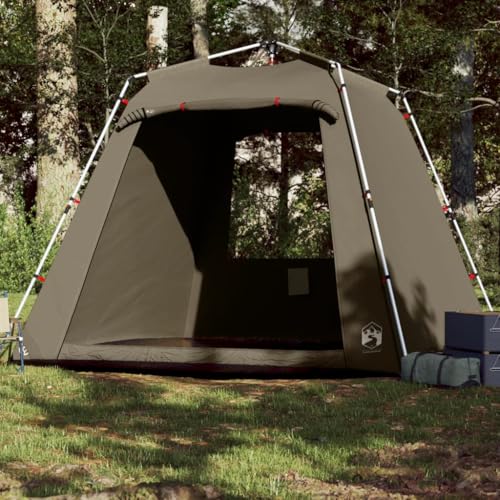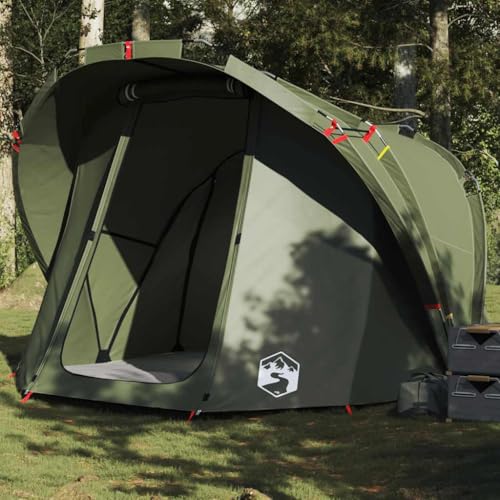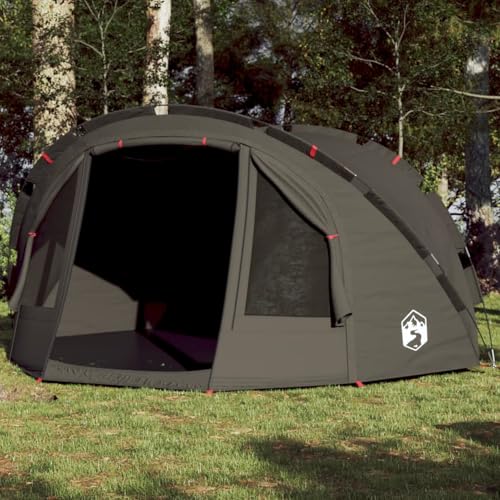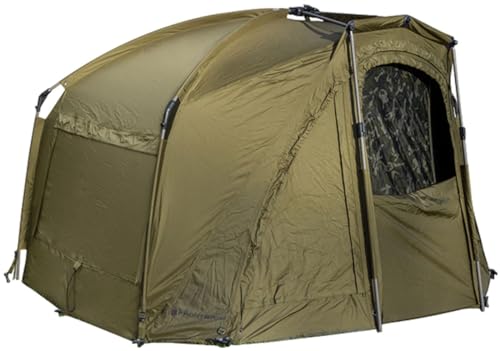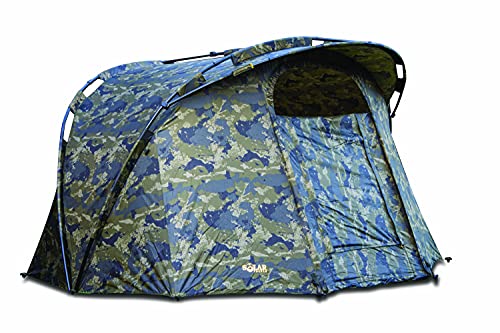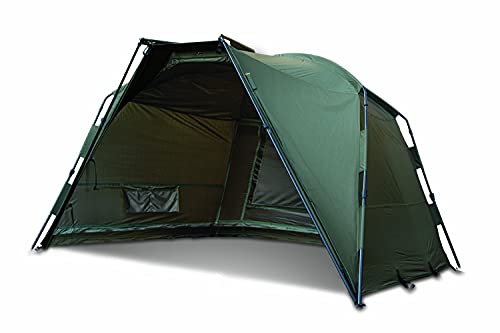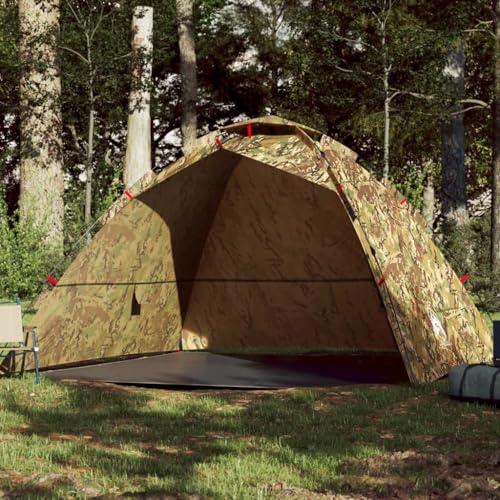
Fishing Shelters and Bivvies
Fishing shelters and bivvies are designed to give anglers protection, storage space and comfort during fishing sessions. They are suitable for carp anglers, coarse anglers, specimen anglers, overnight anglers and anyone who needs a more practical bankside setup in changing weather.
The right fishing shelter or bivvy depends on your session length, fishing style, venue rules, swim space, weather conditions, setup time, packed size, weight, internal space, ventilation, groundsheet use and how much tackle you need to keep protected.
What Are Fishing Shelters And Bivvies?
Fishing shelters and bivvies are bankside structures used to protect anglers and tackle from rain, wind, sun and changing conditions where suitable. They can range from compact day shelters to larger bivvies designed for longer sessions.
A fishing shelter is often used for daytime cover, short sessions or general weather protection. A bivvy is usually a more enclosed shelter style, commonly used by carp anglers and longer session anglers who need space for a chair, bedchair and tackle.
Shelters and bivvies should be chosen carefully because size, stability, access, ventilation and venue rules all affect how practical they are on the bank.
What Are Fishing Shelters And Bivvies Used For?
Fishing shelters and bivvies are used to keep anglers more comfortable during longer sessions or poor weather. They can provide cover while watching rods, preparing rigs, storing tackle, changing clothing or resting between bites.
They also help protect gear. Bait, tackle bags, clothing, reels, bedding and personal items are easier to manage when they are kept out of rain, mud or strong sun where possible.
For overnight fishing where permitted, bivvies can provide a more organised place to rest and keep equipment close to hand. They should always be used responsibly and within venue rules.
How To Choose The Right Fishing Shelter Or Bivvy
Start by thinking about session length. A short day session may only need a simple shelter or brolly style cover, while a longer session may call for a bivvy with more internal space.
Next, consider the venue. Some fisheries have large swims with flat ground, while others have tight pegs, sloping banks, wooden platforms or uneven margins. The shelter should fit the swim safely without blocking paths or neighbouring anglers.
Transport is also important. A large bivvy may be comfortable, but it needs to fit in your car, barrow, tackle system or storage space. Check packed size and weight where listed before buying.
Key Features To Compare
When comparing fishing shelters and bivvies, look at size, weight, packed length, setup time, frame design, fabric type, weather suitability where listed, ventilation, door options, groundsheet options, pegging points and storage space.
Internal space matters because your chair, bedchair, tackle bags and personal kit need to fit without making the shelter cramped. A shelter that is too small may feel awkward during poor weather.
Stability matters too. Wind, soft ground, uneven banks and exposed swims can all affect how secure a shelter feels. Choose a shelter that suits the conditions you fish in most often.
Fishing Shelters Compared With Bivvies
Fishing shelters are often chosen for shorter sessions, daytime use and quick weather protection. They may be simpler to set up and easier to carry than larger bivvies.
Bivvies are usually more enclosed and are often chosen for longer sessions, carp fishing and overnight use where permitted. They may offer more internal space and better protection for resting and storing kit.
The trade off is speed versus comfort. A shelter can be practical for quick cover, while a bivvy is usually better for longer bankside stays.
Bivvies Compared With Brollies And Umbrellas
Brollies and umbrellas are useful for quick cover from rain or sun where suitable. They are often quicker to position than a full bivvy and can be useful for mobile anglers.
Bivvies usually offer more enclosed protection and more space for longer sessions. They are generally more suitable when you need room for a bedchair, tackle bags and clothing.
The best choice depends on how long you fish, how much gear you carry and whether you need simple cover or a more complete bankside shelter.
Day Shelters And Session Shelters
Day shelters are useful when you need cover for shorter sessions. They can help protect the angler, bait and tackle from changing weather without requiring a full overnight setup.
Session shelters are often larger or more structured, depending on the product. They may suit longer days, poor weather or anglers who carry more tackle.
Choose based on actual use. A compact shelter may be enough for short feeder or coarse sessions, while a larger shelter may be more practical for carp fishing and extended stays.
Beginner, Regular Angler And Experienced Angler Guidance
Beginners should choose a shelter that is easy to set up, not too heavy and suitable for the venues they fish most often. Simple protection can be more useful than a large setup that is difficult to manage.
Regular anglers may want a shelter that balances comfort with portability. A reliable day shelter, brolly or bivvy can make fishing more comfortable across different seasons.
Experienced anglers often compare frame strength, setup speed, footprint, door layout, ventilation, condensation management, fabric performance, pegging options, carry weight and how the shelter fits with their bedchair and tackle layout.
Fishing Shelters And Bivvies For Carp Fishing
Carp fishing often involves longer sessions, static rods, bite alarms, tackle bags and fish care equipment. A bivvy or shelter can help keep the swim organised and make waiting more comfortable.
A carp bivvy should usually have enough room for a chair or bedchair, plus space for essential tackle and clothing. It should also allow the angler to respond quickly when a bite occurs.
Position the shelter so that rods, alarms, landing net and fish care equipment remain easy to reach. Comfort should never make the swim cluttered or unsafe.
Fishing Shelters For Coarse And Feeder Fishing
Coarse and feeder anglers may use shelters for rain cover, bait protection and comfort during full day sessions. A compact shelter or umbrella may be enough for many pleasure fishing sessions.
For feeder fishing, the shelter should not block the view of rod tips or make striking and landing fish awkward. The angler still needs a clear line of sight and easy movement.
For float fishing, make sure the shelter is positioned so casting, feeding and watching the float remain practical.
Fishing Shelters For Predator And Specimen Fishing
Predator and specimen anglers may use shelters when fishing static methods, longer sessions or colder conditions. Comfort and weather protection can help during long waits.
The shelter should be placed so that bite indicators, floats, alarms and rods remain easy to monitor. Quick access to landing equipment and unhooking tools is important.
Predator and specimen fishing also requires suitable fish care equipment. Shelter choice should support a safe and organised swim rather than create obstacles.
Overnight Fishing And Venue Rules
Bivvies are often associated with overnight fishing, but overnight use is not allowed everywhere. Always check venue rules before setting up for the night.
Rules may cover night fishing permits, shelter size, bivvy colour, peg boundaries, fires, cooking equipment, lights, noise, guest access and leaving times.
A bivvy should only be used where it is permitted and safe. Respect other anglers, venue staff, wildlife and nearby residents.
Weather Protection And Seasonal Use
Fishing shelters and bivvies can help protect against rain, wind and sun where suitable. Product details should be checked carefully because levels of weather protection vary.
In colder months, shelter can help reduce exposure, but warm clothing, dry footwear and safe session planning still matter. In warmer months, shade and ventilation can be important.
Do not use shelters in unsafe weather. Strong wind, storms, lightning, flooding or unstable banks can make fishing dangerous, even with good equipment.
Size, Footprint And Swim Space
Shelter size affects comfort, but it also affects where you can set up. A large bivvy may be comfortable on spacious swims but awkward on small pegs or narrow riverbanks.
Footprint is important because the shelter needs to fit safely without blocking paths, platforms, neighbouring anglers or landing areas.
Before buying, think about the venues you fish most often. A shelter that is too large for your usual swims may stay at home, even if it looks comfortable.
Frame Design, Fabric And Doors
Frame design affects setup time, stability and packed size. Some shelters are designed for quick setup, while others may prioritise space or strength.
Fabric type and weather suitability should be checked in the product details. Look for information about rain protection, fabric weight, seams and general construction where listed.
Door design affects access, airflow and visibility. Some anglers prefer wide access for quick movement, while others value more enclosed protection during longer sessions.
Ventilation, Condensation And Airflow
Ventilation is important inside fishing shelters and bivvies. Good airflow can make the shelter more comfortable, especially during wet, cold or warm conditions.
Condensation can occur when warm air meets cooler shelter fabric. Ventilation points, careful door use and sensible storage of wet kit can help reduce discomfort.
Never block airflow fully when using a shelter for longer periods. Comfort and safety both depend on sensible ventilation.
Groundsheets, Pegging And Stability
Some shelters and bivvies may include groundsheets or groundsheet options where listed. A groundsheet can help keep the inside cleaner and drier, but it may not be allowed at every venue.
Pegging points and guy lines help secure the shelter where suitable. Use them responsibly and make sure they do not create trip hazards.
Stability depends on the shelter, ground and weather. Soft mud, gravel, wooden platforms and exposed banks can all need different setup decisions.
Portability, Weight And Packed Size
Portability matters because fishing shelters and bivvies can be bulky. If you walk long distances to swims, weight and packed size may be just as important as internal space.
A compact shelter may suit roving or short session anglers, while a larger bivvy may suit car based or barrow based sessions.
Check carry bags, straps and packed length where listed. A shelter that is hard to carry may not be practical for your normal fishing routine.
Shelter Layout And Bankside Organisation
A good shelter layout helps keep the swim tidy. Chair, bedchair, tackle bags, bait, clothing and personal items should all have a sensible place.
Keep essential tools close to hand. Landing nets, forceps, line cutters, baiting tools and fish care items should be easy to reach when needed.
Avoid filling the shelter with unnecessary kit. Clutter can slow you down, create trip hazards and make it harder to respond when a fish is hooked.
Safety When Using Fishing Shelters And Bivvies
Always set up shelters and bivvies on stable ground away from dangerous edges. Avoid steep banks, crumbling margins, flood risk areas, unstable platforms and places where the shelter may slide or collapse.
Take care with guy ropes, pegs and poles. These can create trip hazards, especially in low light or on busy fisheries.
Carbon rods and fishing line can conduct electricity. Keep rods and shelters well away from overhead power lines, and never fish during thunderstorms.
Responsible Use On The Bank
Responsible shelter use means respecting the venue, other anglers and wildlife. Keep your setup within your swim and avoid blocking access routes.
Do not damage banks, grass, platforms or vegetation when pitching. Remove pegs carefully and leave the swim tidy.
Take litter, old line, bait packaging, food waste and broken tackle home. A shelter can make a session more comfortable, but it should not leave a larger footprint on the venue.
Care, Cleaning And Storage
Fishing shelters and bivvies should be cleaned and dried after use. Mud, rain, bait, fish slime, sand and grit can affect fabric, poles, zips, pegs and carry bags.
Drying the shelter before longer storage is important where possible. Storing wet fabric can lead to unpleasant smells and may reduce usability over time.
Check poles, frame joints, pegs, guy lines, zips, seams, clips and bags regularly. Small issues are easier to manage before they affect a session.
Useful Accessories To Consider
Useful accessories for fishing shelters and bivvies include pegs, groundsheet options where suitable, storm poles, carry bags, bivvy mats, lighting, waterproof storage, rod rests, tackle boxes, towels and warm clothing.
For longer sessions, bedchairs, sleeping bags where suitable, pillows, food storage, water bottles and spare clothing may also be useful.
The best shelter setup is one where the shelter, seating, rods, tackle, bedding, clothing and fish care equipment all work together safely and practically.
Why Buy Fishing Shelters And Bivvies From YPC?
At YPC, we understand active lifestyles and the need for practical products that work in real use. Fishing shelters and bivvies should be chosen carefully because size, weight, setup time, stability, ventilation and venue suitability all affect how useful they are.
Browse the Fishing Shelters and Bivvies category at YPC to compare available options, check the details that suit your fishing style and choose shelter equipment that helps make time on the bank more comfortable and organised.
Fishing Shelters And Bivvies FAQs
What is a fishing shelter?
A fishing shelter is a bankside cover used to protect anglers and tackle from changing weather where suitable. It may be used for day sessions, short sessions or general comfort.
Shelter size, setup style and protection levels vary by product.
What is a fishing bivvy?
A fishing bivvy is a more enclosed shelter often used for longer sessions, carp fishing and overnight fishing where permitted. It can provide space for a chair, bedchair and tackle.
Always check venue rules before using a bivvy.
What is the difference between a shelter and a bivvy?
A shelter is often used for daytime cover and quicker weather protection. A bivvy is usually more enclosed and more suited to longer sessions.
The best choice depends on session length, weather and how much equipment you carry.
Are fishing shelters suitable for beginners?
Yes, fishing shelters can be suitable for beginners if they are easy to set up, manageable to carry and suitable for the venue.
A simple shelter may be enough for early day sessions.
Are bivvies suitable for beginners?
Bivvies can be suitable for beginners who plan longer or overnight sessions where allowed. However, they can be larger and more involved to set up than smaller shelters.
Beginners should choose a practical size and check venue rules carefully.
Do I need a bivvy for carp fishing?
You do not always need a bivvy for carp fishing. Short day sessions may only need a chair and simple cover.
For longer sessions or overnight fishing where permitted, a bivvy can make the setup more comfortable and organised.
Do I need a fishing shelter for day fishing?
Not always, but a shelter can be useful in rain, wind or strong sun. It can also help protect bait, tackle and clothing.
For short fair weather sessions, a chair or umbrella may be enough.
Are bivvies allowed at all fisheries?
No, bivvies are not allowed at all fisheries. Some venues restrict shelter size, overnight fishing, groundsheet use, bivvy colour or where shelters can be placed.
Always check venue rules before travelling.
What size fishing shelter should I choose?
Choose a size that fits your chair, tackle and session style without taking up too much swim space. A compact shelter may suit short sessions, while a larger bivvy may suit longer stays.
Check both internal space and footprint.
What size bivvy do I need?
The right bivvy size depends on whether you need room for a bedchair, tackle bags, clothing and other session kit. It should be comfortable without being too large for your usual swims.
Packed size and transport weight also matter.
Are larger bivvies always better?
No, larger bivvies offer more space but can be heavier, slower to set up and harder to use on tight swims.
Choose the smallest practical size that still gives enough room for your session needs.
What should I look for in a fishing shelter?
Look at setup time, size, packed size, weight, frame design, fabric details, ventilation, access, pegging options and weather suitability where listed.
The shelter should match your venue and session length.
What should I look for in a fishing bivvy?
Look at internal space, footprint, frame design, door layout, ventilation, groundsheet options, packed size, weight, setup time and stability.
Make sure it suits your bedchair, tackle and venue rules.
Do fishing bivvies need groundsheets?
Some bivvies may include or accept groundsheets where listed. A groundsheet can help keep the inside cleaner and more comfortable.
Some venues restrict groundsheets, so always check rules before use.
How do I keep a fishing shelter stable?
Set it up on suitable ground, peg it correctly where applicable and use guy lines or supports according to product guidance. Avoid exposed swims in unsafe wind.
Do not use shelters in conditions that feel dangerous.
How do I reduce condensation in a bivvy?
Ventilation helps reduce condensation. Use vents and doors sensibly, avoid storing wet kit carelessly inside and allow airflow where possible.
Condensation can still happen in some conditions, especially in cold or damp weather.
Can I cook inside a fishing bivvy?
Only follow the product guidance and venue rules. Cooking inside enclosed shelters can be dangerous due to fire risk, fumes and poor ventilation.
Safety should always come first.
Can fishing shelters be used for camping?
Fishing shelters and bivvies should be used for their intended purpose unless the product details clearly support other use. They may not be suitable for general camping.
Check the product information before using equipment outside fishing.
How do I care for fishing shelters and bivvies?
Clean off mud, bait, sand and grit after use, then dry the shelter before longer storage where possible. Check poles, fabric, seams, zips, pegs and carry bags regularly.
Store in a dry place where it will not be crushed or left damp.
What should I check before buying fishing shelters and bivvies?
Check size, footprint, packed size, weight, setup time, frame design, fabric details, ventilation, door layout, groundsheet options, stability and venue suitability.
The right shelter or bivvy should protect your setup while remaining practical to carry, pitch and use on your usual waters.
Getting ready for Summer? View our Home and Garden Products
Heading outdoors this winter? Take a look at our Outdoor Clothing.