
Fishing Umbrellas
Fishing umbrellas are designed to give anglers quick bankside cover from rain, sun and changing weather where suitable. They are useful for coarse anglers, carp anglers, match anglers, feeder anglers, pleasure anglers and anyone who wants simple protection without carrying a full shelter or bivvy.
The right fishing umbrella depends on your session length, fishing style, venue, bank conditions, umbrella size, frame strength, tilt options, ground spike design, packed size, weight, fabric details and how much protection you need while still keeping your setup easy to carry.
- Fishing Umbrellas
VIFERR Head Umbrella Hat 65cm Royal Blue
Original price was: £12.59.£9.29Current price is: £9.29. *View On Amazon* - Fishing Umbrellas
Sport Brella Umbrella Portable Sun and Weather Shelter
Original price was: £79.99.£77.70Current price is: £77.70. *View On Amazon* - Fishing Umbrellas
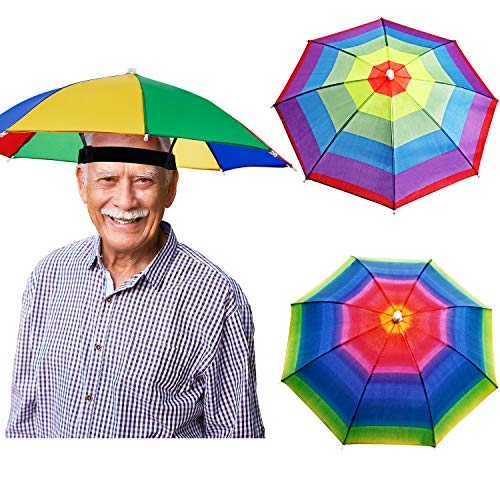
PATIKIL Umbrella Hat 27 Inch Hands Free Fishing Umbrella Hat Rose Red
£10.79 *View On Amazon* - Fishing Umbrellas
Fulton Storm Umbrella Black
Original price was: £32.00.£23.55Current price is: £23.55. *View On Amazon* - Fishing Umbrellas
NGT 2 Storm Poles Telescopic 95 to 180cm Clamp Lock Fishing Bivvy Shelter Umbrella
£22.99 *View On Amazon* - Fishing Umbrellas
Preston Innovations OffBox 36 Mega Brolly Arm Long (p0110014)
£32.99 *View On Amazon* - Fishing Umbrellas
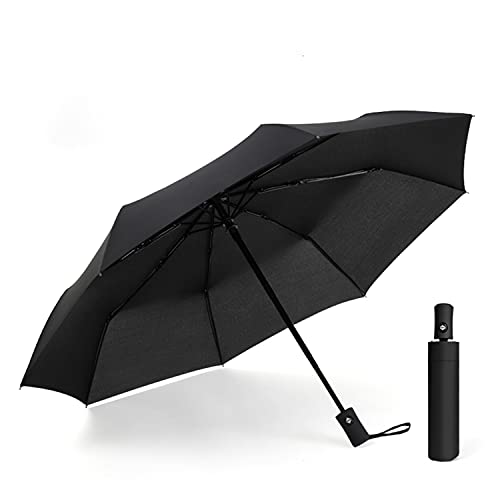
Chakipee Compact Travel Umbrella Windproof Automatic Folding Umbrella Black
£11.99 *View On Amazon* - Fishing Umbrellas
G4Free UV Protection Golf Umbrella Auto Open Vented Double Canopy Oversize Sun Umbrella
£39.99 *View On Amazon* - Fishing Umbrellas
LFS 2 Fishing Umbrella Brolly Brass Storm Caps for Storm Poles Carp Fishing
£8.95 *View On Amazon* - Fishing Umbrellas
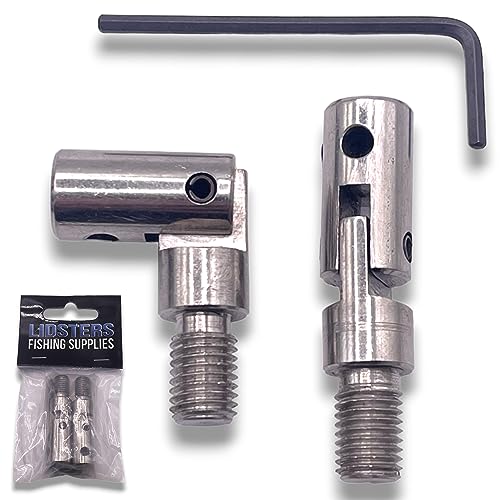
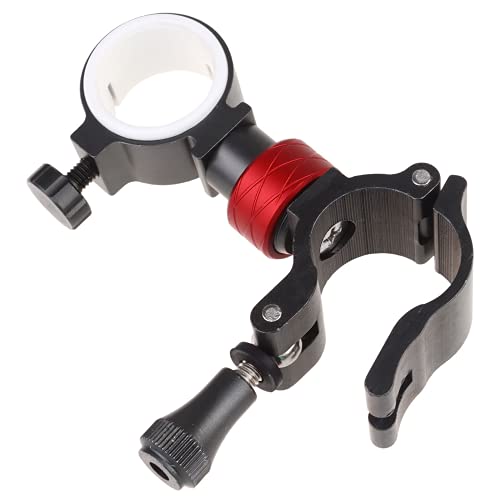
NC Shade Parasol Stand Fishing Chair Clamp Umbrella Mount Clip Beach Outdoor Fishing Chair Umbrella Holder
Original price was: £9.99.£8.99Current price is: £8.99. *View On Amazon* - Fishing Umbrellas
Victoper Golf Umbrella Folding Windproof Large 54 62 68 Inch
Original price was: £20.99.£16.79Current price is: £16.79. *View On Amazon* - Fishing Umbrellas
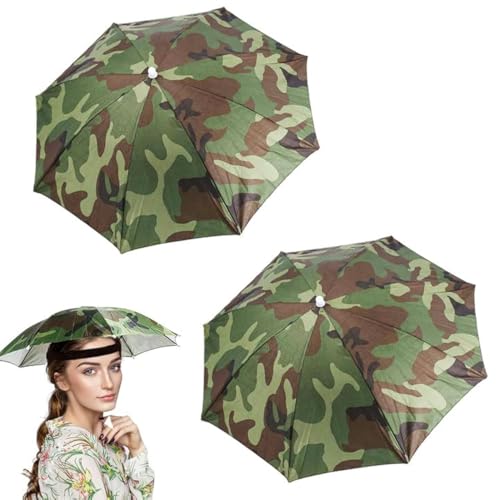
2 Pcs Camouflage Umbrella Hat with Elastic Band for Adults and Kids for Outdoor Use
£7.99 *View On Amazon* - Fishing Umbrellas
Repel Umbrella Windproof Travel Umbrellas for Rain – Easy Auto Open Close, Durable & Compact Umbrella, Strong Fiberglass Frame, Waterproof Canopy – Backpack, Purse, Portable Umbrella for Travel
Original price was: £19.99.£16.14Current price is: £16.14. *View On Amazon* - Fishing Umbrellas
LFS Umbrella Brolly Holder for Carp Coarse Fishing Chairs Pole Seat Boxes Double
£22.95 *View On Amazon* - Fishing Umbrellas
Royal Walk Windproof Folding Travel Umbrella Black
Original price was: £39.99.£26.59Current price is: £26.59. *View On Amazon*


![FLADEN Anodized Brolly Spike Compact 33 x 13 x 3.5cm for Garden and Camping Umbrellas [25-3941]](https://m.media-amazon.com/images/I/31Y1fKxRVIL._SL500_.jpg)





What Are Fishing Umbrellas?
Fishing umbrellas are outdoor umbrellas designed for use while fishing. They are usually larger and more practical for bankside use than a standard everyday umbrella, with designs intended to cover the angler, chair, bait or tackle area.
Some fishing umbrellas are simple covers for short sessions. Others may include tilt mechanisms, storm pole compatibility, side panels or brolly style shelter features where listed.
A fishing umbrella is not the same as a full bivvy, but it can be a very useful part of a comfortable fishing setup. It gives quick cover while keeping the swim open and easy to manage.
What Are Fishing Umbrellas Used For?
Fishing umbrellas are used to provide cover during fishing sessions. They can help keep rain off the angler, reduce exposure to sun, protect bait and tackle, and make the swim more comfortable.
They are especially useful for day fishing, feeder fishing, float fishing, match fishing and pleasure fishing where a full shelter may be too bulky. They can also be used by carp anglers for shorter sessions or as extra cover around a bivvy setup where suitable.
A fishing umbrella can make a session easier to manage by keeping essential items drier and more organised. This can help you stay focused on bites rather than constantly moving tackle around the bank.
How To Choose The Right Fishing Umbrella
Start by thinking about how you fish. If you fish short sessions on commercial fisheries, a simple umbrella may be enough. If you fish longer sessions or exposed swims, you may need a larger and more stable design.
Next, consider the ground. Some umbrellas are pushed into soft ground using a spike, while others may need compatible supports, storm poles or additional fixing options where listed. Hard platforms, concrete, gravel and wooden stages may need different support choices.
Size also matters. A larger umbrella gives more coverage, but it can be heavier, harder to carry and more awkward on tight swims. Choose a size that protects what you need without taking over the peg.
Key Features To Compare
When comparing fishing umbrellas, look at canopy size, packed length, weight, frame strength, fabric details, tilt adjustment, pole design, ground spike style, pegging options where listed, carry bag, setup time and compatibility with storm poles or side panels.
Canopy size affects coverage. A wider umbrella may cover a chair, bait and tackle more effectively, while a smaller umbrella may be easier to carry and position.
Tilt adjustment can be useful when wind or rain comes from an angle. A tilting umbrella can help you direct cover where it is needed, but it still needs to remain stable and safe.
Fishing Umbrellas Compared With Bivvies
Fishing umbrellas are usually quicker, lighter and more open than bivvies. They are useful for day sessions, short trips and anglers who want simple weather protection.
Bivvies are more enclosed and are usually better for longer sessions, overnight fishing where allowed and situations where you need room for a bedchair and more tackle.
The trade off is speed versus full cover. A fishing umbrella is practical for quick protection, while a bivvy gives more complete shelter for longer stays.
Fishing Umbrellas Compared With Day Shelters
Day shelters usually provide more structured cover than a basic umbrella. They may offer more space and stability depending on the design.
Fishing umbrellas are often simpler to carry and faster to set up. They can be ideal when you need cover but do not want a larger shelter taking up swim space.
The best choice depends on session length and conditions. For quick weather protection, a fishing umbrella can be enough. For more space and organisation, a day shelter may be more suitable.
Fishing Umbrellas Compared With Standard Umbrellas
Standard umbrellas are designed for walking or everyday rain protection. They are not usually designed to stay fixed in a fishing swim for long periods.
Fishing umbrellas are usually chosen for wider coverage, bankside use and compatibility with fishing chairs, rod rests, bait stations and tackle areas.
A fishing umbrella should feel like part of the fishing setup. It needs to be stable, practical and suitable for the ground and weather conditions you expect.
Beginner, Regular Angler And Experienced Angler Guidance
Beginners may find a fishing umbrella useful because it adds comfort without making the setup too complicated. A simple, manageable umbrella can make short sessions more pleasant in light rain or sun.
Regular anglers may want a stronger umbrella with better coverage, tilt options and a carry bag. This can make it more useful across different venues and seasons.
Experienced anglers often compare pole strength, canopy shape, fabric performance, wind handling, packed size, storm pole options, tilt mechanism and how well the umbrella fits with their chair, seat box or rod layout.
Fishing Umbrellas For Coarse Fishing
Coarse fishing often involves sitting and watching floats, feeder tips or rod rests for long periods. A fishing umbrella can help keep the angler and tackle more comfortable during these sessions.
For float fishing, position the umbrella so it does not block casting, feeding or visibility of the float. For feeder fishing, make sure the rod tip remains easy to watch.
A fishing umbrella can also help protect bait, ground bait, spare rigs and small tackle from rain or strong sun where suitable.
Fishing Umbrellas For Match Fishing
Match anglers often need an organised and efficient peg. A fishing umbrella can provide cover without taking up too much space if positioned carefully.
The umbrella should allow easy access to bait, rigs, keepnet position where allowed, landing net and tackle trays. It should not block neighbouring anglers or shared paths.
Quick setup and stable positioning can matter in match fishing because time and peg layout are important. Choose an umbrella that suits the rules and space of the venues you fish.
Fishing Umbrellas For Feeder Fishing
Feeder anglers often sit in one position while watching the rod tip. A fishing umbrella can help make this position more comfortable during rain, wind or sun.
The umbrella should be placed so the angler can still cast safely, watch the tip clearly and strike without obstruction. The canopy should not interfere with the rod angle or line path.
A stable umbrella can also help keep bait, feeder mixes, towels and tackle boxes drier during longer feeder sessions.
Fishing Umbrellas For Carp Fishing
Carp anglers may use fishing umbrellas for short sessions, day sessions or extra cover near a bivvy setup where suitable. They can help protect chairs, bait, tackle or a work area.
For longer carp sessions, a full bivvy or shelter may be more appropriate, but a fishing umbrella can still be useful when you want quick cover and an open swim.
Rod pods, bite alarms, landing nets and fish care equipment should remain easy to access. The umbrella should support an organised swim rather than create clutter.
Fishing Umbrellas For Rivers And Canals
Rivers and canals often have narrow banks, towpaths, uneven ground and limited space. A fishing umbrella should be positioned carefully so it does not block access or create trip hazards.
On canals, boat wash and towpath users may affect where you can safely set up. On rivers, changing water levels, soft banks and wind can make umbrella placement more difficult.
Choose a compact and stable setup for these venues. Make sure the umbrella can be removed or repositioned quickly if conditions change.
Fishing Umbrellas For Commercial Fisheries
Commercial fisheries often have pegs, platforms, grass banks or gravel areas. A fishing umbrella can be very useful for comfort on these waters.
Some pegs may have limited space, so check the umbrella footprint before setting up. The canopy should not intrude into neighbouring swims or walkways.
Always follow fishery rules. Some venues may restrict umbrellas, shelters, banksticks, pegs, platform fixing or equipment placement.
Rain Protection, Shade And Seasonal Use
Fishing umbrellas can provide quick cover during rain where suitable. They can help keep the angler and nearby tackle drier, although protection depends on the design and weather conditions.
They can also provide shade in warmer weather. This can help reduce direct sun exposure and keep bait or tackle more manageable during summer sessions.
In colder months, an umbrella can reduce rain exposure, but warm clothing and sensible session planning still matter. In windy or stormy weather, safety should come before comfort.
Wind, Stability And Safe Positioning
Wind is one of the most important considerations with fishing umbrellas. A large canopy can catch wind, so the umbrella must be positioned and secured carefully.
Use the ground spike, pole, pegs, storm poles or other support options according to product guidance where listed. Do not rely on a loose umbrella in exposed conditions.
If the wind becomes unsafe, take the umbrella down. A moving or lifted umbrella can damage tackle, injure people or end up in the water.
Umbrella Size, Coverage And Swim Space
Umbrella size affects how much cover you get. A larger canopy can protect more kit, but it also needs more space and can be harder to manage in wind.
A smaller umbrella may be easier to carry and position, especially on canals, rivers and tight commercial pegs. It may not cover as much tackle, but it can be more practical for short sessions.
The best size depends on your chair, tackle layout, casting space and how much of the swim you need to cover.
Tilt Mechanisms And Adjustable Positions
Some fishing umbrellas include tilt mechanisms where listed. These allow the canopy to be angled towards rain, wind or sun.
Tilt can be useful when the weather comes from the side rather than directly above. It can also help improve coverage while keeping the pole positioned safely.
Check that any tilt mechanism feels secure and practical. An umbrella that tilts easily but does not lock firmly may be frustrating in changing conditions.
Ground Spikes, Poles And Support Options
Many fishing umbrellas use a central pole with a spike or pointed end for soft ground. This can work well on grass, earth or banks where insertion is allowed.
Hard ground, wooden platforms and gravel may require different support options. Some anglers may use compatible umbrella arms, pole supports, storm poles or platform friendly systems where suitable.
Do not force spikes into platforms or areas where they may cause damage. Always follow venue rules and product guidance.
Portability, Weight And Packed Size
Fishing umbrellas should be practical to carry. A large umbrella may offer good cover, but it can become inconvenient if you walk long distances to your swim.
Packed length and weight matter for car boots, tackle trolleys, seat box systems and rod holdalls. Check these details where listed before buying.
A carry bag can make transport easier and help protect the umbrella when not in use. Make sure the umbrella is dry before longer storage where possible.
Fishing Umbrellas And Chair Compatibility
A fishing umbrella should work with your chair, stool or seat box. It should cover the seating area without making it difficult to stand, cast or reach tackle.
Chair height and umbrella pole position can affect coverage. A tall chair may need a different angle or higher canopy position than a low chair.
Think about the whole swim layout. Rods, landing net, bait, tackle box and personal items should all remain easy to reach.
Fishing Umbrellas And Tackle Organisation
A fishing umbrella can help keep tackle organised by giving you a drier or shaded area for bait and tools. This can be useful when tying rigs, changing hooks or preparing ground bait.
Keep essential items close to hand but not in the way. Tackle boxes, bait tubs, line cutters, forceps and spare rigs should be placed where they are easy to reach safely.
Avoid creating clutter under the umbrella. Too much kit in a small covered area can make it harder to move quickly when a fish is hooked.
Safety When Using Fishing Umbrellas
Always set up fishing umbrellas on stable ground and away from dangerous edges. Avoid steep banks, crumbling margins, slippery mud and areas where the umbrella may slide or tip.
Keep the umbrella away from overhead power lines. Metal and carbon equipment, wet line and long poles can create serious risks near electricity.
Take care with pegs, guy lines and support poles. These can create trip hazards, especially in low light, busy fisheries or public towpaths.
Venue Rules And Responsible Use
Always check venue rules before using fishing umbrellas, banksticks, poles or pegging systems. Some fisheries may restrict where umbrellas can be placed or how they can be secured.
Do not damage banks, platforms, grass or pegs when setting up. Use suitable supports for the ground and remove everything carefully when leaving.
Take litter, old line, bait packaging and broken tackle home. A comfortable umbrella setup should still leave the swim clean and safe.
Care, Cleaning And Storage
Fishing umbrellas should be cleaned and dried after use. Mud, bait, rain, fish slime, sand and grit can affect fabric, frames, poles, joints and carry bags.
Let the umbrella dry fully before longer storage where possible. Storing wet fabric can lead to unpleasant smells and may reduce usability over time.
Check the frame, ribs, pole, spike, tilt mechanism, stitching, seams and carry bag regularly. Small issues are easier to manage before they affect a session.
Useful Accessories To Consider
Useful accessories for fishing umbrellas include ground pegs where suitable, storm poles, umbrella supports, carry bags, chair attachments where compatible, side panels where listed, towels, waterproof storage, bait tubs and tackle boxes.
For comfort, fishing chairs, stools, seat boxes, waterproof clothing and warm layers can also help. For organisation, rod rests, side trays and compact tackle storage may be useful.
The best umbrella setup is one where the umbrella, chair, rods, tackle, bait and venue rules all work together safely and practically.
Why Buy Fishing Umbrellas From YPC?
At YPC, we understand active lifestyles and the need for practical products that work in real use. Fishing umbrellas should be chosen carefully because coverage, stability, packed size, support options and venue suitability all affect how useful they are.
Browse the Fishing Umbrellas category at YPC to compare available options, check the details that suit your fishing style and choose umbrella equipment that helps make time on the bank more comfortable and organised.
Fishing Umbrellas FAQs
What is a fishing umbrella?
A fishing umbrella is a bankside umbrella designed to provide cover while fishing. It can help protect the angler, bait and nearby tackle from rain or sun where suitable.
Fishing umbrellas are usually larger and more practical for fishing than standard everyday umbrellas.
Are fishing umbrellas suitable for beginners?
Yes, fishing umbrellas can be suitable for beginners. They add comfort and weather protection without needing a full shelter or bivvy.
A simple, manageable umbrella is often enough for short day sessions.
What are fishing umbrellas used for?
Fishing umbrellas are used to provide bankside cover from rain, sun and changing weather where suitable. They can also help protect bait, tackle and seating areas.
They are commonly used for coarse fishing, feeder fishing, match fishing and pleasure fishing.
What is the difference between a fishing umbrella and a bivvy?
A fishing umbrella is usually quicker, lighter and more open. A bivvy is usually more enclosed and better suited to longer or overnight sessions where allowed.
Choose an umbrella for simple cover and a bivvy for more complete shelter.
What is the difference between a fishing umbrella and a day shelter?
A day shelter usually provides more structured cover and internal space. A fishing umbrella is often simpler, lighter and quicker to set up.
The best choice depends on session length, swim space and weather.
Are fishing umbrellas good for coarse fishing?
Yes, fishing umbrellas are useful for coarse fishing because they can cover the angler, bait and tackle during longer periods of float or feeder fishing.
Position the umbrella so it does not block casting or bite detection.
Are fishing umbrellas good for match fishing?
Yes, fishing umbrellas can be useful in match fishing when venue rules allow them. They can help keep bait and tackle protected while keeping the peg organised.
Make sure the umbrella does not block neighbouring anglers or walkways.
Are fishing umbrellas good for carp fishing?
Fishing umbrellas can be useful for short carp sessions or extra cover around a carp setup. For longer or overnight sessions, a bivvy may be more suitable.
Always keep rods, alarms and fish care equipment easy to access.
Can fishing umbrellas be used on rivers?
Yes, fishing umbrellas can be used on rivers where the bank is safe and the umbrella can be positioned securely. Take extra care with wind, soft banks and changing water levels.
Do not set up close to unstable edges.
Can fishing umbrellas be used on canals?
Yes, fishing umbrellas can be useful on canals, but space can be limited. Keep towpaths clear and avoid blocking walkers, cyclists or other anglers.
Choose a compact setup for narrow banks.
Can fishing umbrellas be used on platforms?
Fishing umbrellas may be used on platforms if the venue allows them and you have a suitable support method. Do not force spikes into wooden platforms or damage the peg.
A platform friendly support may be needed.
What size fishing umbrella should I choose?
Choose a size that covers your chair and essential tackle without taking up too much swim space. Larger umbrellas give more cover but can be harder to manage in wind.
Check the canopy size and packed size before buying.
Are larger fishing umbrellas better?
Not always. Larger umbrellas provide more cover, but they can be heavier, bulkier and less practical on tight swims.
Choose the size that suits your venue, transport and weather needs.
What does a tilt feature do on a fishing umbrella?
A tilt feature allows the canopy to be angled towards rain, wind or sun. This can improve coverage when weather comes from the side.
Check that the tilt mechanism locks securely where listed.
How do I keep a fishing umbrella stable?
Set it up on suitable ground, push or secure the pole properly where allowed and use additional support options according to product guidance where listed.
If wind becomes unsafe, take the umbrella down.
Can fishing umbrellas handle strong wind?
Fishing umbrellas can be affected by strong wind because the canopy catches air. Stability depends on the product, ground, support method and conditions.
Do not use an umbrella in unsafe wind or storms.
Are fishing umbrellas allowed at all fisheries?
Not always. Some fisheries may restrict umbrellas, shelters, pegging, banksticks or how equipment can be placed around the swim.
Check venue rules before travelling if you are unsure.
Do fishing umbrellas need pegs?
Some fishing umbrellas may use pegs or guy lines where listed, while others rely on a pole or support system. The right setup depends on the product and ground conditions.
Use all fixing options according to product guidance.
How do I care for a fishing umbrella?
Clean off mud, bait, sand and grit after use, then let the umbrella dry before longer storage where possible. Check the frame, ribs, pole, spike, tilt mechanism and fabric regularly.
Store it in a dry place where it will not be crushed.
What should I check before buying fishing umbrellas?
Check canopy size, packed size, weight, pole design, tilt options, support method, frame strength, fabric details, carry bag, venue suitability and how it fits with your chair and tackle setup.
The right fishing umbrella should give useful cover while remaining stable, portable and practical for your usual fishing sessions.
 Getting ready for Summer? View our Home and Garden Products

Heading outdoors this winter? Take a look at our Outdoor Clothing.