Fishing Bite Alarms
Fishing bite alarms are designed to help anglers detect line movement when fishing with static rods, rod pods, banksticks and bite indication systems. They are suitable for carp anglers, specimen anglers, predator anglers and anyone who needs clear bite awareness while waiting for fish to pick up a bait.
The right fishing bite alarm depends on your fishing method, rod setup, venue rules, session length, volume needs, sensitivity options, tone settings, battery type, receiver compatibility, weather suitability where listed and how you plan to combine the alarm with indicators, bobbins, swingers or hangers.
What Are Fishing Bite Alarms?
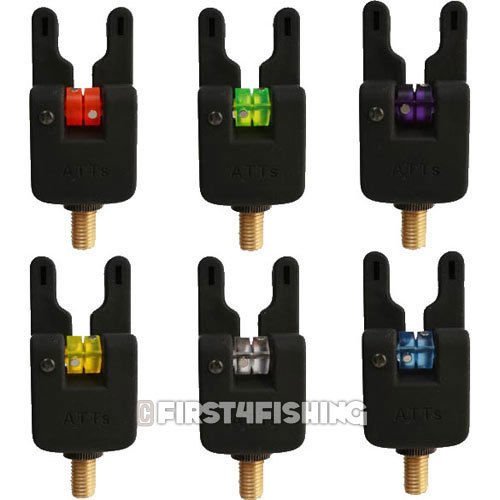
Fishing bite alarms are electronic bite indication devices used to alert anglers when line moves through or across the alarm. They are commonly fitted to banksticks, rod pods or buzzer bars, usually at the front rod support position.
When a fish moves the bait and pulls line, the alarm can give an audible, visual or receiver based indication depending on the product. Some alarms may also help show smaller movements, drop backs or line activity where suitable and correctly set.
Bite alarms are widely used in carp fishing, but they can also be useful for specimen fishing and some predator methods where static rods are used and venue rules allow them.
What Are Fishing Bite Alarms Used For?
Fishing bite alarms are used to help anglers notice bites when rods are resting on supports. They are especially useful when fishing with bite indicators, rod pods, banksticks and static bait presentations.
They can help during longer sessions, low light conditions and night fishing where permitted. They also allow the angler to sit back from the rod while still remaining alert to line movement.
A bite alarm does not replace attention, sensible rod positioning or good angling practice. It is part of a full bite indication system that should be set up carefully and used responsibly.
How To Choose The Right Fishing Bite Alarm
Start by thinking about how you fish. A short day session may only need a simple alarm, while longer carp sessions may benefit from adjustable tone, volume, sensitivity and receiver options where listed.
Next, consider your rod support system. The alarm should fit your banksticks, rod pod or buzzer bars securely and should work with your chosen bobbins, swingers, hangers or rear rests.
Also think about where you fish. Busy fisheries, night sessions, exposed banks and wet weather can all affect the features you may need. Always choose an alarm that suits the conditions and rules of your usual venues.
Key Features To Compare
When comparing fishing bite alarms, look at volume control, tone settings, sensitivity settings, visual indicators, receiver compatibility, battery type, power use, thread compatibility, weather suitability where listed, build quality, size and ease of use.
Volume control is important because alarms should be loud enough for the angler to hear, but not so loud that they disturb other people. This is especially important at night or on busy waters.
Sensitivity settings can help adjust the alarm to wind, undertow, line movement and fish behaviour. Too sensitive a setting may cause false indications, while too low a setting may miss subtle movement.
Bite Alarms Compared With Traditional Bite Indication
Traditional bite indication can include watching rod tips, floats, line movement or simple indicators. These methods are quiet, simple and do not need batteries.
Bite alarms add audible and visual notification when line movement occurs. This can be useful for carp fishing, specimen fishing and sessions where rods are set on supports for long periods.
The best choice depends on the method. Float fishing and feeder fishing often rely on direct visual indication, while carp and specimen fishing often benefit from electronic alarms with indicators.
Bite Alarms Compared With Bobbins And Swingers
Bite alarms detect or signal line movement electronically. Bobbins and swingers are visual indicators that move when line is pulled or slackens.
Many anglers use both together. The alarm gives sound and light, while the bobbin or swinger shows the direction and style of movement.
A complete bite indication setup can help show runs, drop backs, liners and small movements more clearly than an alarm used on its own.
Beginner, Regular Angler And Experienced Angler Guidance
Beginners should choose bite alarms that are simple to fit, easy to switch on and straightforward to adjust. A clear sound and visible light can make learning static rod fishing easier.
Regular anglers may want alarms with better adjustment, receiver options and more control over tone and sensitivity. This can help when fishing different venues and conditions.
Experienced anglers often compare alarm response, roller or sensor design where listed, receiver range where listed, battery use, weather protection, night visibility, locking nuts, thread quality and compatibility with their full rod support setup.
Bite Alarms For Carp Fishing
Bite alarms are commonly used in carp fishing because carp anglers often fish static baited rigs with rods resting on pods or banksticks. The alarm helps the angler respond when a carp moves the line.
A carp fishing bite alarm should work with secure rod rests, rear grips, indicators and suitable rod positioning. Carp can pull strongly, so rods should not be left loose or poorly supported.
The alarm is only one part of the setup. Safe rigs, suitable line, landing nets, unhooking mats and fish care equipment are also important.
Bite Alarms For Specimen Fishing
Specimen fishing can involve long waits and careful bite detection. Bite alarms may be useful when targeting larger tench, bream, barbel, carp or other specimen fish where the method and venue allow.
Sensitivity and indicator choice can matter because some bites may be slow, cautious or affected by water movement. A balanced setup helps separate real takes from false line movement.
Specimen fishing should always use tackle suitable for the fish and venue. Bite alarms should support responsible angling, not encourage leaving rods unattended.
Bite Alarms For Predator Fishing
Bite alarms can be used for some predator fishing methods where static baits are allowed. They may help show line movement when fishing for pike or other predators with suitable rigs and bite indication.
Predator fishing requires careful fish care. Suitable traces, strong line, landing equipment and long unhooking tools are important for pike and other toothy species.
Always check venue rules before using alarms or deadbait methods. Some waters restrict predator fishing, bait types, rigs, seasons or bite indication systems.
Bite Alarms For Night Fishing
Bite alarms are often useful during night fishing where night fishing is permitted. Audible and visual indication can help anglers respond quickly when visibility is reduced.
Receiver systems where listed can allow alerts to be heard close to the angler while keeping alarm volume lower on the bank. This can be more considerate on quiet waters.
Night fishing should be organised carefully. Landing nets, head torches, unhooking mats, forceps and fish care equipment should be placed where they can be reached quickly.
Bite Alarms For Day Sessions
Bite alarms are not only for overnight fishing. They can also be useful during day sessions, especially when fishing static rods while preparing bait, organising tackle or watching more than one rod.
For short sessions, simple controls and quick setup can be more important than advanced features. The alarm should be easy to fit and reliable enough for the conditions.
Keep volume at a sensible level. Even during the day, loud alarms can disturb other anglers and reduce the enjoyment of a fishery.
Single Alarm, Multi Alarm And Receiver Sets
A single bite alarm may be enough for anglers who fish one rod or want a simple setup. It can be useful for beginners or short sessions.
Multi alarm sets are useful for anglers who fish two or more rods where venue rules allow. Matching alarms can make sound, tone and visual identification easier.
Receiver sets can be useful for longer sessions, bivvy fishing or low volume fishing. Always check whether a receiver is included, compatible or available separately.
Volume, Tone And Sensitivity Settings
Volume settings allow the angler to control how loud the alarm is. This should be adjusted to suit distance, wind, background noise and other anglers nearby.
Tone settings can help identify different rods or make the alarm sound easier to recognise. This can be useful when fishing multiple rods.
Sensitivity settings affect how much line movement is needed before the alarm responds. Adjust sensitivity carefully to reduce false indications from wind, waves, weed or line movement.
Visual Indicators And Lights
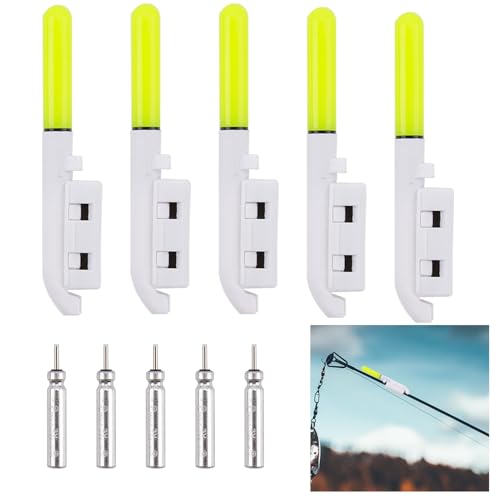
Many bite alarms include lights or visual indicators where listed. These can help show which rod has moved, especially in low light or when fishing multiple rods.
Light brightness and visibility can matter at night, but lights should not be unnecessarily bright or intrusive. Considerate use helps reduce disturbance.
Visual indication works best when combined with good rod layout. Rods should be positioned so the angler can clearly identify and reach the right rod quickly.
Wireless Receivers And Remote Alerts
Some bite alarm systems may include or support wireless receivers where listed. A receiver can alert the angler from a shelter, chair or nearby position.
Receiver use can be helpful during longer sessions, but the angler should still stay close enough to respond quickly and responsibly.
Check compatibility, battery type, range where listed, signal reliability and whether the receiver matches the alarms before buying.
Batteries, Power And Session Length
Fishing bite alarms need power. Some use replaceable batteries, while others may use rechargeable systems depending on the product.
Battery life where listed can be important for longer sessions, night fishing and cold weather. Always check power before travelling and carry suitable spares where appropriate.
Keep battery compartments clean and dry. Remove or manage batteries according to product guidance when storing alarms for longer periods.
Weather Suitability And Outdoor Use
Bite alarms are used outdoors, so they may be exposed to rain, damp air, mud, cold, sun and changing temperatures. Weather suitability should be checked in the product details.
Water resistance should not be assumed unless stated. Even outdoor alarms should be cared for properly and not left soaked, dirty or stored damp.
After wet sessions, dry alarms carefully before packing them away. This helps protect switches, threads, speakers, lights and battery areas.
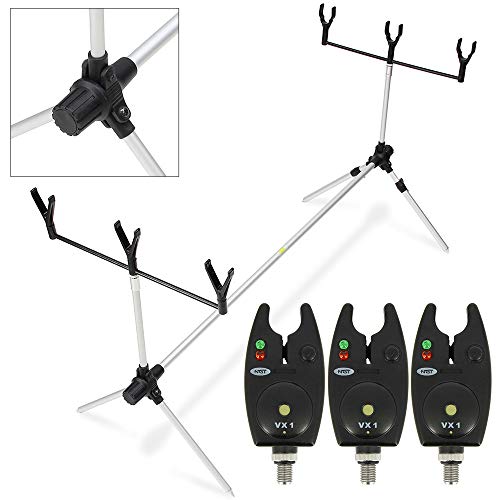
Rod Pods, Banksticks And Buzzer Bars
Bite alarms are usually fitted to rod pods, banksticks or buzzer bars. The thread and fitting should be compatible with the support system.
A stable support setup is important. If the pod or bankstick moves, the alarm may give poor indication or the rod may become unsafe.
Rear rests and butt grips can also help keep rods secure. This is especially important when fishing for strong fish or with tight lines.
Bobbins, Swingers And Hangers
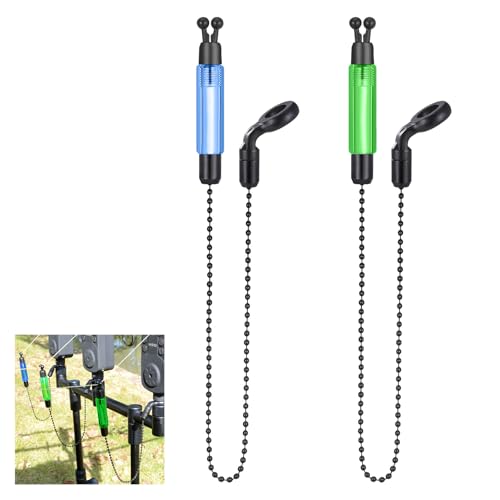
Bobbins, swingers and hangers work with bite alarms to show line movement visually. They can help show whether line is being pulled forward or slackening back.
A light indicator may suit slack line or delicate fishing, while a heavier indicator may suit wind, distance or stronger line tension where appropriate.
The indicator should match the line angle, rod position and fishing method. Too much or too little weight can make bite indication less clear.
Line Lay, Rod Position And False Indications
Good line lay and rod positioning help bite alarms work properly. The line should pass through or across the alarm correctly according to product guidance.
Wind, undertow, weed, floating debris and line bites can all cause alarm activity. Sensitivity and indicator weight should be adjusted to reduce false indications.
False beeps are not always a problem with the alarm. They often come from conditions, line angle, rod movement or an unbalanced setup.
Responsible Volume And Fishery Etiquette
Bite alarm volume should always be set considerately. It should be loud enough for you to hear, but not so loud that it disturbs other anglers, nearby residents or wildlife.
At night, lower volume and receiver use where suitable can help reduce noise. Repeated false alarms can be frustrating for everyone on the water.
Good etiquette means responding quickly, setting alarms carefully and respecting fishery rules on noise, night fishing and rod positioning.
Venue Rules And Bite Alarm Restrictions
Always check venue rules before using bite alarms. Some waters may restrict alarms, night fishing, multiple rods, rod pods, bite indication systems or receiver use.
Match rules and some coarse fishing venues may not allow certain types of electronic bite indication. Rules can vary between fisheries, clubs and waters.
Following the rules helps protect access and keeps fishing fair and enjoyable for everyone.
Safety When Using Bite Alarms
Bite alarms should be set up so rods, lines, banksticks and pods do not create trip hazards. This is especially important in low light, on platforms and around shared paths.
Keep alarms and receivers away from water unless product details support wet use. Batteries and electronics should be handled carefully around rain, mud and damp hands.
Rods should never be left unattended. Bite alarms help with indication, but the angler remains responsible for the rods and fish welfare.
Care, Cleaning And Storage
Fishing bite alarms should be wiped clean and dried after use. Mud, rain, bait, grit and damp air can affect buttons, speakers, rollers, sensors, lights, threads and battery compartments.
Check threads, switches, volume controls, battery contacts and receiver pairing where listed before each session. Small faults are easier to solve at home than on the bank.
Store alarms in a protective case or tackle bag where suitable. Keep them separate from wet bait, damp clothing and loose metal tackle that could damage them.
Useful Accessories To Consider
Useful accessories for fishing bite alarms include banksticks, rod pods, buzzer bars, bobbins, swingers, hangers, butt rests, rear grips, receiver units where compatible, spare batteries, protective cases and storm caps where suitable.
For carp and specimen fishing, landing nets, unhooking mats, weigh slings, head torches, forceps and fish care equipment are also important.
The best bite alarm setup is one where alarms, indicators, rods, supports, line and fish care equipment all work together responsibly.
Why Buy Fishing Bite Alarms From YPC?
At YPC, we understand active lifestyles and the need for practical products that work in real use. Fishing bite alarms should be chosen carefully because sensitivity, volume, receiver compatibility, battery use, weather suitability and support setup all affect how useful they are.
Browse the Fishing Bite Alarms category at YPC to compare available options, check the details that suit your fishing style and choose bite indication equipment that helps keep your rods organised, monitored and ready.
Fishing Bite Alarms FAQs
What is a fishing bite alarm?
A fishing bite alarm is an electronic device that helps indicate line movement when a rod is resting on a support. It usually gives a sound, light or receiver alert when line moves.
It is commonly used in carp fishing and specimen fishing.
What are fishing bite alarms used for?
Fishing bite alarms are used to help anglers detect bites when fishing with static rods. They are often used with rod pods, banksticks, indicators and bite alarm receivers.
They are useful for longer sessions, carp fishing and night fishing where allowed.
Are bite alarms suitable for beginners?
Yes, bite alarms can be suitable for beginners if they are simple to use and fitted correctly. A basic alarm can help new anglers understand bite indication on static rods.
Beginners should also learn how to position rods and use indicators properly.
Do bite alarms catch fish for you?
No, bite alarms do not catch fish. They only help show line movement so the angler can respond.
Good tackle, rigs, bait placement, fish care and attention are still essential.
Are bite alarms only for carp fishing?
No, bite alarms are not only for carp fishing. They can also be used for specimen fishing and some predator methods where suitable and allowed.
However, they are most commonly associated with carp angling.
Can I use bite alarms for feeder fishing?
Bite alarms are not normally the main method for feeder fishing because feeder anglers usually watch the rod tip. However, some anglers may use alarms for certain static methods where suitable.
For standard feeder fishing, a feeder rod tip is usually the key bite indicator.
Can I use bite alarms for pike fishing?
Bite alarms can be used for some pike fishing methods where static bait fishing is allowed. They should be used with suitable indicators, traces and predator fish care equipment.
Always check venue rules before using them.
Can I use bite alarms at night?
Yes, bite alarms can be useful at night where night fishing is permitted. Lights, sound and receiver alerts can help the angler respond in low light.
Use volume responsibly so other anglers are not disturbed.
Are bite alarms allowed at all fisheries?
No, bite alarms are not allowed everywhere. Some venues restrict alarms, night fishing, multiple rods or electronic bite indication.
Always check fishery rules before use.
Do I need a receiver with bite alarms?
A receiver is not always needed, but it can be useful for longer sessions or when sitting in a shelter. It can allow lower alarm volume on the bank while still alerting the angler nearby.
Check whether the receiver is included or compatible before buying.
What is bite alarm sensitivity?
Sensitivity controls how much line movement is needed before the alarm responds. Higher sensitivity can show smaller movements, while lower sensitivity can reduce false indications.
Adjust sensitivity to suit wind, water movement and fishing method.
Why does my bite alarm keep beeping?
Repeated beeping may be caused by wind, line movement, weed, undertow, rain, rod movement, loose indicators or sensitivity being set too high.
Check line lay, indicator weight, rod position and alarm settings.
What volume should I use on a bite alarm?
Use the lowest volume that still lets you hear the alarm properly. On quiet waters or at night, lower volume and receiver use where suitable can be more considerate.
Avoid loud alarms that disturb other anglers.
What tone should I use on a bite alarm?
Tone is a personal choice, but different tones can help identify different rods when fishing multiple alarms.
Choose a tone that is easy for you to recognise without being unnecessarily intrusive.
What are bobbins used for with bite alarms?
Bobbins are visual indicators used with bite alarms. They move when line pulls forward or slackens, helping show the style of bite.
They can make bite indication clearer than sound alone.
What are swingers and hangers?
Swingers and hangers are types of bite indicators used with bite alarms. They attach to the line and show movement visually.
Different styles suit different line angles, conditions and fishing methods.
What batteries do bite alarms use?
Battery type depends on the product. Some alarms use replaceable batteries, while others may use rechargeable systems.
Check the product details before buying and before travelling.
Are bite alarms waterproof?
Some bite alarms may have water resistant features where listed, but waterproof performance should not be assumed. Always check product details.
Dry alarms after wet sessions and store them carefully.
How do I care for fishing bite alarms?
Wipe alarms clean after use, dry them properly and check switches, speakers, threads, rollers or sensors, battery contacts and receiver connection where listed.
Store them in a protective case or dry tackle bag.
What should I check before buying fishing bite alarms?
Check volume control, tone settings, sensitivity, receiver compatibility, battery type, thread compatibility, weather suitability where listed, ease of use and compatibility with your rod pod, banksticks and indicators.
The right bite alarms should suit your fishing method, venue rules and session length.
Getting ready for Summer? View our Home and Garden Products
Heading outdoors this winter? Take a look at our Outdoor Clothing.