Fishing Traps
Fishing traps are specialist products used to catch or hold fish, crabs, bait species or other aquatic creatures only where the method is legal, permitted and suitable. They are used by anglers, sea fishers, bait collectors and outdoor users who need controlled trap style equipment for specific waters, species and local rules.
The right fishing trap depends on the intended use, target species, water type, trap size, mesh design, entry style, bait access, retrieval method, visibility, durability, storage size, freshwater or saltwater suitability where listed, and the legal rules for the location where it will be used.
What Are Fishing Traps?
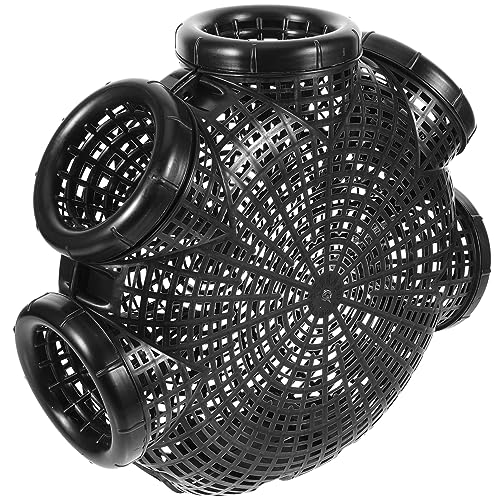
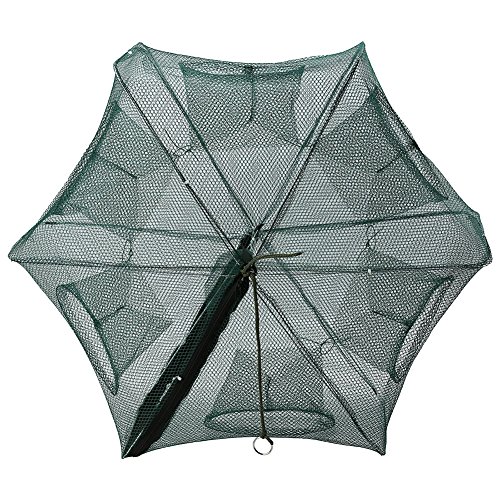
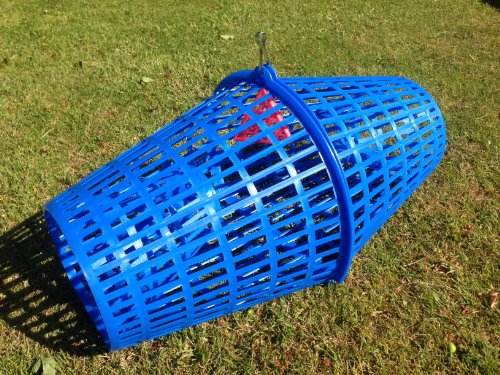
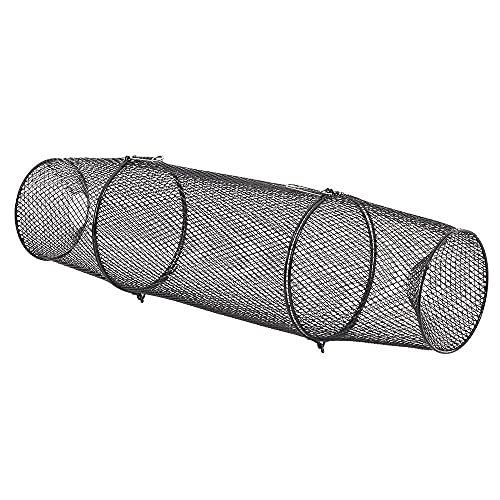
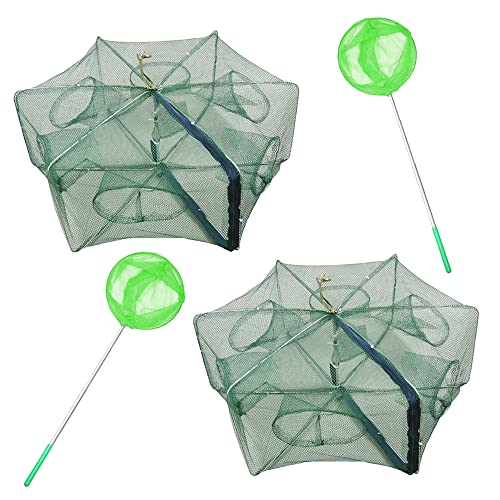
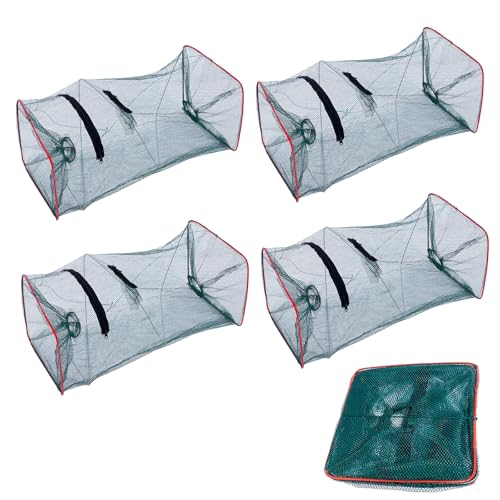
Fishing traps are devices designed to allow fish, crabs or bait species to enter a contained area so they can be checked and removed where permitted. Designs can vary widely depending on whether the product is intended for bait collection, crab fishing, shellfish use, small fish holding or another approved method.
Fishing traps are not general purpose fishing tackle. Their use is often controlled by law, local byelaws, venue permissions, species rules and environmental regulations.
A fishing trap should only be used when the user is certain that the method, location, species and trap design are allowed. If the rules are unclear, do not use the trap until permission has been confirmed.
What Are Fishing Traps Used For?
Fishing traps may be used for bait collection, crab fishing, shellfish related methods, small fish capture where permitted or controlled holding of aquatic species depending on the product and local rules.
They can help keep bait or catches contained while the user checks the trap, but they must be used responsibly. A trap should not be left where it can harm fish, birds, mammals, pets, swimmers or other water users.
Some traps are intended for sea use, while others may be suitable for freshwater where allowed. Product details and local rules should always be checked before use.
How To Choose The Right Fishing Trap
Start by confirming that trap use is legal and permitted at the water you plan to fish. This is more important than trap size, price or design.
Next, choose the trap type based on the intended method. A crab trap, bait trap, small fish trap or shellfish style product may all have different uses and restrictions.
Then consider the water conditions. Tide, current, depth, weed, rocks, mud, sand, boat traffic, bank access and retrieval points can all affect whether a trap can be used safely and responsibly.
Key Features To Compare
When comparing fishing traps, look at intended use, trap size, mesh size, frame strength, entry design, door or opening style, bait compartment where listed, rope attachment, retrieval method, weight, packed size, visibility and freshwater or saltwater suitability where listed.
Mesh design matters because it affects what can enter the trap, how water flows through it and how safely creatures can be contained. The mesh should suit the intended species and comply with local rules.
Retrieval points and rope attachment should be secure. A trap that cannot be recovered safely should not be used.
Fishing Traps Compared With Landing Nets
Landing nets are used to land fish that have already been hooked or brought close to the angler. They are part of fish handling and landing equipment.
Fishing traps are used differently. They are placed in water to contain creatures where the method is allowed, and they may be subject to stricter rules.
The trade off is active landing versus passive capture. A landing net is used under direct angler control, while a trap needs extra care because it can continue catching if misused or abandoned.
Fishing Traps Compared With Drop Nets
Drop nets are usually lowered from height to land fish or catch crabs where permitted. They are normally managed directly by the user.
Fishing traps may be left in position for a period where rules allow, but this can make responsible use even more important.
If you need to land a fish from a pier or wall, a drop net may be more appropriate. If you need a trap style product, confirm that the method is allowed before use.
Fishing Traps Compared With Keepnets
Keepnets are used in some coarse and match fishing situations to hold fish temporarily after they have been caught by rod and line where allowed.
Fishing traps are used to capture or contain creatures by trap design. This is a different method and may have different legal restrictions.
Do not use a trap as a keepnet unless the product and local rules clearly allow that use. Fish care and legal compliance should always come first.
Beginner, Regular Angler And Experienced Angler Guidance
Beginners should be especially cautious with fishing traps. Trap use can be more regulated than normal rod and line fishing, so permissions and local rules should be checked before buying or using one.
Regular anglers may use traps only for specific permitted purposes, such as crab fishing or bait collection where allowed. The trap should match the species, water and retrieval method.
Experienced users often compare mesh design, frame durability, entrance layout, bait access, rope attachment, corrosion resistance where listed, packed size, recovery safety and how the trap complies with local rules.
Fishing Traps For Sea Fishing
Fishing traps are often associated with sea fishing, crabbing, shellfish methods and bait collection where permitted. Coastal use can involve salt, sand, rocks, tide, swell and strong water movement.
Saltwater suitability is important because salt can affect frames, mesh, clips, ropes and metal fittings. Check product details before using a trap by the coast.
Sea fishing rules can vary by location, species and local authority. Some areas may restrict traps, crab pots, shellfish collection, bait collection, catch limits or minimum sizes.
Fishing Traps For Crab Fishing
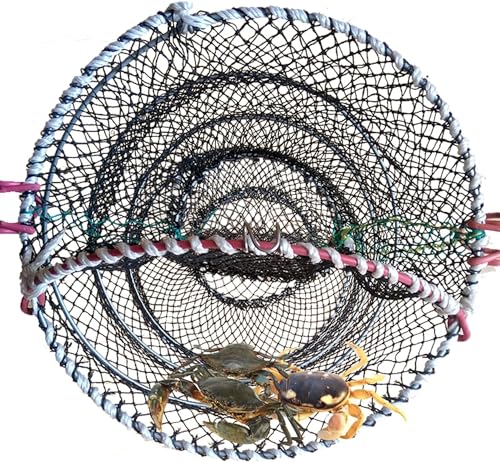
Some fishing traps are designed for crab fishing where legal and permitted. These may use bait to attract crabs into a net, pot or trap style container depending on the product.
Crab fishing should be done responsibly. Follow local rules on size, species, season, limits and whether unwanted catches must be returned.
Never leave crab traps where they can be lost, abandoned or continue catching. Lost traps can harm wildlife and create hazards.
Fishing Traps For Bait Collection
Some traps may be used for bait collection where allowed. This might include small bait species or other permitted bait sources depending on the location and rules.
Bait collection is often controlled. Some waters, beaches, estuaries, rivers and fisheries may restrict collecting, trap use, species, quantities or access.
Only take what is allowed and needed. Responsible bait collection helps protect the environment and future fishing access.
Fishing Traps For Freshwater Use
Freshwater trap use can be heavily restricted depending on the water, species and location. Rivers, lakes, canals, ponds, fisheries and club waters may all have different rules.
Some freshwater traps may be intended for bait, research, pest control or specialist permitted use, but ordinary anglers should never assume they can be used freely.
Before using any trap in freshwater, confirm permission, licences, species rules and method restrictions. If there is any doubt, choose normal rod and line methods instead.
Fishing Traps For Shellfish And Coastal Methods
Trap style products may be used for shellfish or coastal methods only where local rules allow. Different areas may have rules on species, size, seasons, quantities and collection methods.
The trap should be suitable for the species and location. A product intended for one method should not be used for another without checking rules and suitability.
Coastal habitats can be sensitive. Avoid damaging rocks, weed beds, mudflats, salt marshes, harbours and wildlife areas.
Trap Size, Mesh Size And Species Suitability
Trap size should match the intended species and the rules of the water. A trap that is too small may be ineffective or unsuitable, while a trap that is too large may be awkward or irresponsible.
Mesh size can affect what enters or remains inside the trap. Local rules may control mesh size, escape gaps or allowed designs.
Species suitability matters. A trap that is suitable for crabs may not be suitable for fish, and a bait trap may not be suitable for larger species.
Frame Strength, Doors And Entry Design
Frame strength affects how the trap holds its shape in water. A stronger frame may be useful in tide, current or rocky areas where suitable.
Entry design affects how creatures enter and how easily they can be released if needed. The design should suit the intended use and local rules.
Doors, clips and access points should be easy to operate without causing unnecessary stress to the catch or risk to the user.
Rope, Markers And Retrieval
A fishing trap should be recoverable. Rope, cord, clips and attachment points should be strong enough for the trap, water conditions and expected load.
Some locations may require markers, tags or identification where traps are allowed. Always check local requirements before use.
A trap that may be lost should not be set. Lost traps can continue catching, harm wildlife and create hazards for boats, swimmers and other anglers.
Bait Use In Fishing Traps
Some fishing traps use bait to attract the target species where permitted. The bait should be suitable, legal and used responsibly.
Do not use bait that is banned, unsafe, invasive or likely to harm wildlife. Venue and local rules may restrict bait types.
Bait should be secured so it does not simply wash away or create unnecessary waste. Remove old bait and dispose of it responsibly after use.
Checking Traps And Avoiding Abandoned Gear
Fishing traps should be checked according to local rules and used under responsible supervision. They should not be left forgotten or abandoned.
Abandoned traps can trap fish, crabs, birds, mammals and other wildlife. They can also create litter and hazards in the water.
If a trap cannot be checked and recovered properly, it should not be used. Responsible use means staying in control of the equipment.
Fish Care, Crab Care And Safe Release
Any creature caught in a trap should be handled carefully and according to the rules for that species. Unwanted catches should be released safely where required.
Avoid leaving catches exposed to heat, dry surfaces or rough handling. Keep handling time sensible and return unsuitable catches promptly.
For fish, wet hands or suitable handling equipment may be needed. For crabs or shellfish, take care around claws, spines and sharp shells.
Avoiding Harm To Wildlife
Fishing traps can affect more than the target species. Birds, mammals, small fish, crabs and other aquatic life may interact with traps.
Choose trap designs responsibly and use them only where allowed. Do not place traps where they may catch protected species, block movement or create danger.
Never leave rope, mesh, bait bags or broken trap parts behind. Lost or discarded trap materials can harm wildlife long after the session ends.
Venue Rules, Licences And Legal Permission
Always check current rules before using fishing traps. You may need permission, a licence, a permit or authorisation depending on the species, method and location.
Rules may cover trap design, mesh size, labels, rope, markers, soak time, catch limits, minimum sizes, seasons, protected species and where traps can be placed.
Because rules vary, product suitability alone does not mean use is allowed. The user is responsible for checking before setting any trap.
Safety When Using Fishing Traps
Fishing traps should be used safely around water, tides, rocks, piers, banks, boats and other people. Do not lean dangerously over edges or enter unsafe water to set or recover a trap.
Ropes can create trip hazards or entanglement risks. Keep them tidy and out of walkways, towpaths, steps, piers and boat access areas.
Wear suitable footwear and clothing for the location. Slippery rocks, mud, weed, harbour walls and changing tides can all make trap use risky.
Freshwater And Saltwater Suitability
Freshwater use can expose traps to mud, weed, silt and organic debris. Cleaning after use helps prevent smells and keeps the trap practical.
Saltwater use adds salt, sand and corrosion risk. Check saltwater suitability where listed and rinse or clean equipment after coastal use according to product guidance.
Do not store traps wet in closed bags for long periods. Damp mesh, rope and bait residue can create odours and reduce usability.
Portability, Folding Design And Storage
Fishing traps should be practical to carry to the water and back again. Size, folded shape, weight and rope length all affect transport.
Folding traps can be useful where storage space is limited, depending on the product. Rigid traps may hold shape well but can be harder to transport.
Store traps clean, dry and away from clean clothing, food or indoor living areas. Bait residue and water can make traps unpleasant if they are packed away carelessly.
Cleaning And Maintenance
Fishing traps should be cleaned after use. Remove bait, weed, mud, sand, salt and debris from mesh, doors, frames, ropes and clips.
Check mesh for holes or tears, and check rope for fraying. Damaged traps should not be used because they may fail or harm wildlife.
If the trap includes metal parts, look for rust or sticking points. Moving parts should work properly before the trap is used again.
Responsible Storage And Disposal
Store fishing traps securely so they cannot be accessed by children, pets or wildlife. Sharp edges, wire, mesh, hooks and bait residue can create risks.
If a trap is damaged beyond use, dispose of it responsibly. Do not leave broken traps near water, on beaches, at fisheries or in hedgerows.
Cut or disable damaged trap materials where appropriate before disposal so they cannot continue catching wildlife.
Useful Accessories To Consider
Useful accessories for fishing traps include suitable rope, markers where required, bait containers, gloves, cleaning brushes, carry bags, bait knives, buckets, landing tools, waterproof clothing and safe footwear.
For coastal use, saltwater aware storage, towels and rinse water may be helpful. For crab fishing, a bucket and careful handling tools may be useful where suitable.
The best trap setup is one where the trap, rope, bait, retrieval method, safety equipment and legal rules all work together responsibly.
Why Buy Fishing Traps From YPC?
At YPC, we understand active lifestyles and the need for practical products that work in real use. Fishing traps should be chosen carefully because intended use, legal permission, trap size, mesh design, retrieval method and water suitability all affect how appropriate they are.
Browse the Fishing Traps category at YPC to compare available options, check the details that suit your intended legal use and choose trap equipment that supports responsible, controlled and permitted fishing activity.
Fishing Traps FAQs
What are fishing traps?
Fishing traps are devices used to catch or hold fish, crabs, bait species or other aquatic creatures where the method is legal and permitted.
They vary by design, species and intended use.
Are fishing traps legal to use?
Fishing trap rules vary by location, species, water type and method. Some uses may require permission, licences, permits or specific trap designs.
Always check current local rules before using any fishing trap.
Are fishing traps suitable for beginners?
Fishing traps can be suitable only when beginners fully understand the rules and use them responsibly. They are not as simple as ordinary rod and line fishing because legal restrictions can be stricter.
Beginners should confirm permission before use.
What are fishing traps used for?
Fishing traps may be used for crab fishing, bait collection, shellfish methods or other permitted uses depending on the product and local rules.
They should only be used for their intended legal purpose.
Can I use fishing traps in freshwater?
Freshwater trap use can be restricted and may require permission or authorisation. Do not assume traps can be used in rivers, lakes, canals or ponds.
Check the rules for the exact water before using any trap.
Can I use fishing traps in the sea?
Some traps may be used in coastal areas where local rules allow. Sea use can involve regulations on species, sizes, catch limits, trap design and access.
Check local coastal rules before setting any trap.
Can I use fishing traps for crabs?
Some traps are designed for crab fishing where legal and permitted. Rules may cover location, species, size limits, catch quantities and whether traps can be left unattended.
Always check local guidance before crabbing.
Can I use fishing traps for bait collection?
Some traps may be used for bait collection where allowed. Bait collection rules can vary by venue, species, method and region.
Only collect permitted bait and avoid taking more than needed.
What size fishing trap do I need?
The right size depends on the intended species, water conditions and local rules. A trap should be large enough for its purpose but still manageable to carry and recover.
Check product details and legal requirements before buying.
What mesh size should a fishing trap have?
Mesh size should suit the intended species and comply with local rules. Some areas may control mesh size or require escape features.
Do not use a mesh size that could trap unwanted wildlife or break local regulations.
Do fishing traps need rope?
Many fishing traps need rope or cord for safe retrieval. The rope should be strong enough and long enough for the water depth and conditions.
Keep rope tidy to avoid trip hazards and entanglement.
Do fishing traps need markers?
Some locations may require visible markers, labels or identification where traps are allowed. Requirements vary by area and method.
Check local rules before use.
Can I leave fishing traps unattended?
Only leave traps unattended if the method and local rules clearly allow it. Unattended traps can harm wildlife, become lost or create hazards.
Responsible users keep control of their equipment and recover it properly.
How often should fishing traps be checked?
Check traps according to local rules and responsible practice. Do not leave traps for long periods or in a way that may harm catches or wildlife.
If you cannot check and recover a trap properly, do not set it.
Can fishing traps harm wildlife?
Yes, traps can harm wildlife if used incorrectly, abandoned, lost or placed in unsuitable areas. Birds, mammals, fish and other aquatic life may be affected.
Use traps only where allowed and recover all equipment.
What bait can I use in fishing traps?
Bait depends on the trap type, target species and local rules. Some baits may be restricted or unsuitable.
Use only permitted bait and dispose of old bait responsibly.
Can I use fishing traps at commercial fisheries?
Only use fishing traps at commercial fisheries if the venue specifically allows them. Many fisheries restrict trap use, bait collection or non rod methods.
Ask the venue before use.
How do I clean fishing traps?
Remove bait, weed, mud, sand and debris after use. Rinse or wipe the trap according to product guidance and let it dry before storage.
After saltwater use, clean away salt carefully.
How should I store fishing traps?
Store traps clean and dry, with rope coiled neatly and mesh protected from crushing or tangling. Keep them away from food, clean clothing and children.
Check for damage before the next use.
What should I check before buying fishing traps?
Check intended use, trap size, mesh design, entry style, frame strength, rope attachment, packed size, freshwater or saltwater suitability where listed and the legal rules for your planned location.
The right fishing trap should suit a permitted use, be recoverable, and support responsible treatment of fish, crabs, bait species and wildlife.
Getting ready for Summer? View our Home and Garden Products
Heading outdoors this winter? Take a look at our Outdoor Clothing.