
Tennis Balls
Tennis Balls are essential for rallies, serves, drills, coaching sessions and match play. Whether you are learning the game, buying for a junior player, stocking up for club practice or replacing worn balls for regular court time, choosing the right tennis balls helps make play feel more consistent and enjoyable.
This category includes tennis balls for different playing levels, training needs and court sessions. Depending on the product, you may find balls for general play, practice, coaching, junior development, casual use, club sessions or match style tennis where listed.
- Tennis Balls
Slazenger 12 Pack Tennis Balls, One Size, Green/Black
Original price was: £18.89.£18.15Current price is: £18.15. *View On Amazon* - Tennis Balls
HOS SPORTS 24 Tennis Balls Super Bounce Balls With Bag
Original price was: £22.99.£19.99Current price is: £19.99. *View On Amazon* - Tennis Balls
Wilson US Open Tennis Balls, 2 Cans of 4 Balls, Yellow WRT11752P
£19.95 *View On Amazon* - Tennis Balls
HEAD Tour XT Tennis Balls
Original price was: £26.74.£25.00Current price is: £25.00. *View On Amazon* - Tennis Balls
DUNLOP Tennis Ball ATP Championship 2 x 4 Balls
Original price was: £10.35.£9.49Current price is: £9.49. *View On Amazon* - Tennis Balls
Wilson US Open Extra Duty Official Tennis Balls, 6 Sealed Tubes of 4
£50.99 *View On Amazon* - Tennis Balls
Wilson Triniti Tennis Balls, 72 Balls, Yellow, WR8201501
Original price was: £120.00.£93.60Current price is: £93.60. *View On Amazon* - Tennis Balls
DUNLOP Tennis Ball ATP Championship 3 Ball Pack, Yellow
Original price was: £7.14.£6.35Current price is: £6.35. *View On Amazon* - Tennis Balls
DUNLOP Tennis Ball Fort All Court TS, Yellow, 2 x 4 Tin Cartonette
£18.97 *View On Amazon* - Tennis Balls
Raquex Elite Tennis Balls, 4-Pack Tube, ITF Specification
Original price was: £7.99.£6.99Current price is: £6.99. *View On Amazon*


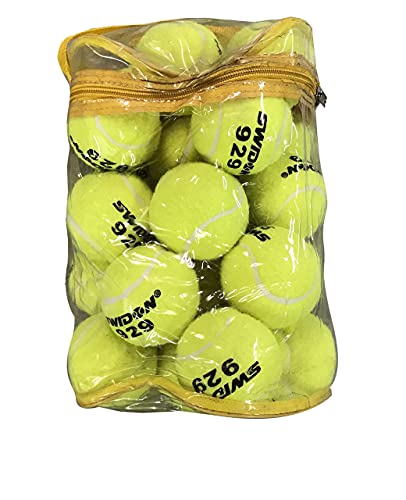


What Are Tennis Balls?
Tennis balls are the felt covered balls used for playing tennis. They are designed to bounce, travel through the air and respond to racket contact in a way that suits the game.
Not all tennis balls feel the same. Some are made for regular practice, some for match play, some for coaching and some for younger or developing players where listed. The right choice depends on the player, the surface, the level of play and how often the balls will be used.
What Tennis Balls Are Used For
Tennis balls are used for serving, rallying, returning, volleying, footwork drills, coaching exercises and general practice. They can be used by beginners, juniors, club players, coaches and casual players.
For beginners, a suitable ball can make rallies easier to control. For regular players, consistency and durability become more important. For coaches, larger quantities or training focused balls may help keep lessons moving with fewer interruptions.
Tennis balls can also be useful for warm ups, hand eye coordination drills and home practice where there is enough safe space.
How To Choose The Right Tennis Balls
Start with the player’s level. Beginners and junior players may benefit from slower or training focused balls where listed, while adult players and regular club players may prefer standard tennis balls for familiar bounce and feel.
Next, think about the purpose. If the balls are for casual rallies, simple general use balls may be suitable. If they are for match play, check whether the product is intended for that type of use. If they are for coaching, packs or larger quantities may be more practical where available.
Finally, consider how often you play. Occasional players may only need a small number of balls, while regular players, clubs and coaches may need spare balls ready for practice, serving drills and replacements.
Key Features To Compare
Ball type is one of the main things to compare. Some tennis balls are pressurised, while others may be pressureless or designed for training where listed. Each type can feel different during play.
Bounce and feel are important. A ball should suit the player’s ability and the pace of the session. Slower training balls may help developing players build confidence where listed, while regular tennis balls may be better for standard rallies and matches.
Durability matters if the balls will be used often. Balls used for coaching, group sessions or repeated practice may need to cope with more wear than balls used occasionally.
Pack size is also worth checking. A small pack may suit casual players, while larger packs, buckets or bags may be more useful for coaches, schools or clubs where listed.
Tennis Balls Compared With Training Balls
Standard tennis balls are usually chosen for regular play, practice and match style sessions. They offer a more familiar tennis feel for players who are comfortable rallying and serving.
Training balls may be designed to make the game easier to learn where listed. Some may bounce more slowly or feel more manageable for juniors and beginners. The trade off is that training balls may not feel the same as standard tennis balls, so progressing players may eventually need to move towards regular balls.
The right choice depends on whether the goal is learning control, running a lesson or playing a more typical game of tennis.
Pressurised Balls Compared With Pressureless Balls
Pressurised tennis balls are commonly used for standard play and may feel lively when new, depending on the product. They are often chosen for matches, rallies and regular court sessions.
Pressureless tennis balls may be used for practice, coaching or longer term training where listed. They can feel different from pressurised balls, so some players prefer one type over the other.
If you are buying for a specific event, club session or competition, always check the product details and any relevant playing requirements before choosing.
Beginner, Regular Player And Experienced Player Guidance
Beginners should focus on tennis balls that suit their control and confidence. Slower or training focused balls may be helpful where listed, especially for younger players or those still learning timing.
Regular players may want tennis balls that feel consistent across rallies, serves and practice drills. Having spare balls ready can make sessions smoother and reduce time spent chasing tired or lost balls.
Experienced players often compare feel, bounce, durability and suitability for the court surface more closely. They may prefer different balls for training, match practice or casual hitting depending on the session.
Use Cases By Player Type And Activity
For junior players, choose balls that match age, ability and coaching guidance where listed. Slower balls can help children develop better technique and longer rallies.
For adult beginners, easy to control balls can make early practice less frustrating. The aim is to build timing, confidence and simple rally skills.
For club players, standard tennis balls are often useful for practice, doubles, singles and match preparation. Consistency across sessions can matter more when playing regularly.
For coaches, larger quantities, training balls and easy storage can be useful where available. Having enough balls helps keep serving drills, group lessons and feeding exercises moving.
For casual family play, simple tennis balls suitable for the space and players involved are usually enough. Choose based on comfort, control and how often the balls will be used.
Court Surface And Playing Conditions
Tennis balls can feel different depending on the court surface, weather and level of use. Outdoor courts, indoor courts, hard courts, grass courts and artificial surfaces may affect bounce, wear and feel.
Always check the product details for any surface guidance where listed. If no specific surface is stated, choose based on player level, intended use and whether the balls are for casual practice, coaching or match style play.
In damp or wet conditions, tennis balls can become heavier and less pleasant to use. Let balls dry properly after outdoor play before storing them.
Safety And Suitability Considerations
Choose tennis balls that suit the player and the playing space. Younger players should use balls appropriate to their size, confidence and ability where listed.
Avoid using badly worn, damaged or waterlogged balls for serious practice, as they may bounce unpredictably or feel uncomfortable to hit. For coaching and group sessions, check balls regularly and remove any that are no longer suitable.
When practising at home, make sure there is enough safe space and avoid hitting balls towards windows, roads, vehicles, pets or people nearby.
Care, Maintenance And Storage
Tennis balls last better when they are kept clean, dry and stored properly. After outdoor use, allow damp balls to dry before putting them back into a bag, bucket or storage container.
Keep tennis balls away from heavy pressure, sharp objects and damp storage areas. Balls that become flat, soft, dirty or damaged may not feel suitable for normal play.
For regular players and coaches, keeping newer balls separate from older practice balls can be useful. Older balls may still be suitable for warm ups or simple drills, while fresher balls can be kept for better rallies or match style sessions.
Useful Accessories To Consider
Tennis balls work best as part of a complete tennis setup. Useful accessories may include tennis rackets, racket bags, overgrips, tennis shoes, tennis clothing, water bottles, towels, ball baskets, portable nets and training markers.
For coaches and regular players, a bag or basket can make it easier to carry and organise multiple balls. For casual players, a simple racket bag with space for balls and accessories may be enough.
Choosing tennis balls alongside the rest of your kit helps make sure you are ready for practice, coaching or match play.
Why Buy From YPC?
At YPC, we understand active lifestyles and the need for practical products that work in real use. Tennis balls should be chosen for the player, the session and the way they will actually be used, whether that means learning, coaching, rallying or preparing for matches.
YPC brings together a wide range of sports and activity products so you can compare available tennis balls by use, quantity, player level and suitability. Browse the Tennis Balls category to compare the range and choose the right balls for practice, coaching or court time.
FAQs
What tennis balls should beginners use?
Beginners may benefit from training focused or slower tennis balls where listed, especially if they are still learning control and timing. Adult beginners may also use standard tennis balls once they feel comfortable rallying.
Are all tennis balls the same?
No, tennis balls can vary by type, feel, bounce, durability, pack size and intended use. Some are made for general play, while others may be designed for training, coaching, juniors or match style play where listed.
What is the difference between pressurised and pressureless tennis balls?
Pressurised balls are commonly used for standard play and may feel livelier when new. Pressureless balls may be used for practice or coaching where listed and can feel different during rallies.
Can tennis balls be used on any court surface?
Some tennis balls may be suitable for general use, while others may include surface guidance where listed. Check the product details if you play mainly on indoor courts, outdoor courts, hard courts, grass courts or artificial surfaces.
How many tennis balls do I need?
Casual players may only need a small pack. Regular players, families, coaches and clubs may benefit from larger quantities so there are enough balls for drills, serving practice and replacements.
When should tennis balls be replaced?
Replace tennis balls when they lose bounce, become soft, feel heavy, show damage or no longer perform well during rallies. Older balls may still be useful for simple drills if they remain safe and suitable.
Are junior tennis balls different from adult tennis balls?
Junior tennis balls may be designed to feel slower or easier to control where listed. This can help younger players build technique and confidence before moving to standard tennis balls.
How should tennis balls be stored?
Store tennis balls in a dry place away from damp, heavy pressure and sharp objects. Let wet balls dry fully before putting them back into a bag, bucket or container.