

Underwater Drones
Underwater drones are remote controlled underwater cameras used for exploring, filming and inspecting beneath the water. This category is ideal if you want to view underwater areas, record footage, inspect ponds, lakes, boats, moorings, structures or simply enjoy a different kind of drone experience.
Unlike flying drones, underwater drones are usually tethered ROV style devices. The tether keeps the drone connected to the controller and helps transmit video, commands and data through water, where normal wireless signals do not work in the same way.
Drones Buyers Guide
This Buyers Guide explains key differences across the drone category and outlines the main factors commonly considered when comparing drone options.
- Underwater Drones
ROV Underwater Drone for Photography, Fishing, Research and Exploration
£4.93 *View On Amazon* - Underwater Drones
HOVERAir AQUA Waterproof Flying Camera with Follow Me Tracking
£1,299.00 *View On Amazon* - Underwater Drones
Acoustic Modems for Autonomous Underwater Drone Communication
£4.49 *View On Amazon* - Underwater Drones
Waterproof Underwater Drone with Camera and Wireless App Control
£11.11 *View On Amazon* - Underwater Drones
Military Drone: The Rise of the Manta Ray Book 1
Original price was: £11.32.£4.30Current price is: £4.30. *View On Amazon* - Underwater Drones
Fish Finder Camera with 4.3-inch IPS Display and 30 m Cable
£31.99 *View On Amazon* - Underwater Drones
Underwater Fishing Camera Fish Finder with 4.3 Inch IPS Display
£33.99 *View On Amazon* - Underwater Drones
Underwater Drone Swarms: A Professional’s Guide to Future Applications
£3.76 *View On Amazon*


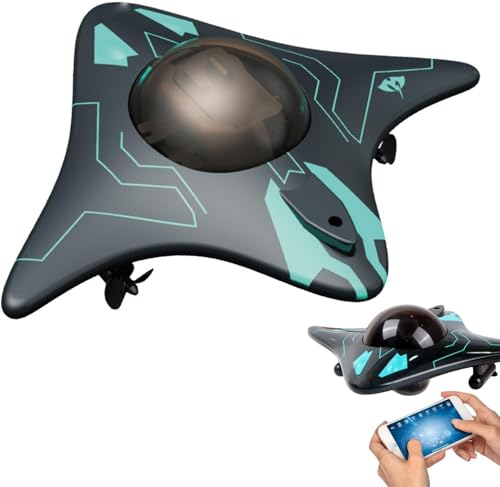


What Is An Underwater Drone?
An underwater drone is a remotely operated vehicle that moves through water while sending video back to the user. It is often used for underwater viewing, filming, inspection and exploration.
Underwater drones can suit hobby users, anglers, boat owners, outdoor enthusiasts, pond owners, marina users, researchers, content creators and anyone who wants to see below the surface without diving. Some models are simple viewing tools, while others are more advanced inspection devices with stronger cameras, lighting and control features.
How To Choose The Right Underwater Drone
Start with where you plan to use it. A small pond, lake edge or calm marina needs a different setup from deeper, darker or more open water. Depth rating, tether length, camera quality and lighting should all match the conditions you expect.
Camera quality matters because underwater visibility can be poor. Even a good camera can struggle if the water is cloudy, dark or full of movement. Built in lights can help in low light, but they may also reflect back in murky water, so realistic expectations are important.
Control is another major factor. Some underwater drones are designed for simple forward movement and basic viewing, while others offer better manoeuvrability, depth holding, tilt control or more stable inspection. If you are new to underwater drones, ease of control may matter more than advanced features.
Depth, Tether Length And Visibility
Depth rating tells you how far below the surface the drone is designed to operate. Tether length decides how far the drone can travel from the controller or surface position. Both matter, but they are not the same thing.
A long tether is useful only if the drone can be controlled safely and the water conditions allow it. Currents, weeds, rocks, branches, fishing lines, boat traffic and poor visibility can all make underwater control more difficult.
Visibility is often the biggest real world limit. Clear water makes filming and inspection easier. Murky water reduces detail and can make navigation harder, even with lights. Choose an underwater drone around the conditions you are most likely to face, not just the deepest number on the specification list.
Camera Drone Or Inspection Drone?
A camera focused underwater drone is usually best if you want video, photos, social content, wildlife viewing or general exploration. Look at image quality, lighting, stabilisation, screen viewing and how easy it is to save footage.
An inspection focused underwater drone is better if you want to check boat hulls, moorings, pond structures, drains, underwater features or hard to reach areas. Control, tether management, lighting, durability and stable viewing may matter more than creative camera effects.
For many buyers, the best option is a balanced model that gives clear viewing, simple control and enough tether length for the places you actually plan to use it.
Key Features To Compare
When comparing underwater drones, look at depth rating, tether length, camera quality, lighting, battery life, manoeuvrability, controller type, screen or app support, storage, portability, weight and ease of maintenance.
Battery life affects how long you can explore before recharging. Lighting affects how much you can see in darker water. Tether management affects how easy the drone is to use without tangles or snagging.
Also consider cleaning and care. Fresh water, salt water, mud, sand and algae can all affect equipment. After use, it may be important to rinse, dry and store the drone properly according to the manufacturer’s guidance.
Underwater Drone Or Action Camera?
An underwater drone is better if you want live control, movement and viewing below the surface. It lets you explore without entering the water and can be useful for checking areas that are difficult to reach.
An action camera is better if you only need simple waterproof filming from a fixed position, handheld use or body mounted footage. It is usually smaller and simpler, but it cannot move around underwater by remote control.
If you want to explore below the surface, an underwater drone is the more flexible option. If you only want short clips in shallow water, an action camera may be enough.
Using Underwater Drones Responsibly
Underwater drones should be used safely and respectfully. Always check permission before using one in private lakes, fisheries, marinas, canals, harbours, reservoirs or managed waterways.
Avoid disturbing wildlife, plants, nesting areas, protected habitats, swimmers, divers, anglers and boat users. Do not use an underwater drone where it could create a hazard, snag lines, interfere with vessels or invade someone’s privacy.
If you plan to use an underwater drone in a sensitive coastal or protected area, check local rules and site guidance first. Responsible use protects the environment and helps avoid problems with other water users.
Beginner, Boat Owner Or Content Creator?
Beginners should look for an underwater drone that is easy to control, simple to set up and suitable for calm water. A clear live view, manageable tether and straightforward controls can matter more than advanced inspection features.
Boat owners may prefer a model that helps with hull checks, mooring inspections and underwater viewing around pontoons or berths. Content creators may want better camera quality, stronger lighting, stable footage and simple file transfer.
The best underwater drone is not always the deepest diving or most advanced model. It is the one that suits your water conditions, viewing needs, confidence level and budget.
Useful Underwater Drone Accessories To Consider
Useful accessories can include spare batteries, carry cases, tether reels, chargers, screen shades, memory cards, replacement parts and cleaning supplies.
A carry case helps protect the drone and controller when travelling. A tether reel can make setup and packing away easier. Spare batteries can extend viewing sessions, while memory cards may be needed for recording photos or video.
Choose accessories around how and where you plan to use the drone. Regular use around boats, lakes or outdoor sites may need a more organised kit than occasional garden pond viewing.
Why Buy Underwater Drones From YPC?
At YPC, we have used a lot of outdoor equipment ourselves in real activity settings, so we understand why practical kit matters. An underwater drone needs to be more than an interesting gadget. It needs to suit the water, the job and the way you actually plan to use it.
Browse the Underwater Drones range, compare the options and choose the underwater drone that fits your exploring, filming or inspection needs.
Underwater Drones FAQs
What is an underwater drone used for?
An underwater drone is used for viewing, filming and inspecting beneath the water. It can help explore ponds, lakes, marinas, boat hulls, moorings, underwater structures and wildlife areas.
Is an underwater drone the same as a flying drone?
No. An underwater drone moves through water and is usually tethered to a controller or surface unit. A flying drone moves through the air and follows a very different set of rules and practical limits.
Why do underwater drones have a tether?
Underwater drones usually have a tether because wireless signals do not travel through water in the same way as they do through air. The tether helps carry control signals, video and data.
What should I look for when buying an underwater drone?
Look at depth rating, tether length, camera quality, lighting, battery life, manoeuvrability, controller type, storage, portability and how easy the drone is to clean and maintain.
Can underwater drones be used in the sea?
Some underwater drones may be suitable for saltwater use, but you should always check the product details. Saltwater can be harsh on equipment, so cleaning and maintenance are especially important.
Are underwater drones good for fishing?
Underwater drones can help view underwater features, fish behaviour and lake or seabed structure, but they should be used responsibly and only where allowed. Always check fishery, club or local water rules first.
Can underwater drones record video?
Many underwater drones can record video or capture photos, but quality and storage options vary by model. Check camera resolution, lighting, memory support and file transfer options before buying.
How deep can underwater drones go?
Depth varies by model. Always check the stated depth rating and choose a drone that suits the water you plan to explore. Do not assume every underwater drone is suitable for deep water.
Are underwater drones hard to control?
Some are beginner friendly, while others need more practice. Water movement, poor visibility, tether handling and obstacles can make control harder than it looks, especially in open or moving water.
Can I use an underwater drone anywhere?
No. You should check permission and local rules before using one in private waters, fisheries, marinas, canals, harbours, reservoirs, protected sites or busy public areas.
 Getting ready for Summer? View our Home and Garden Products

Heading outdoors this winter? Take a look at our Outdoor Clothing.
