
Dog Toys
Dog Toys are the category for play and enrichment products used to encourage interaction, activity, and everyday engagement for dogs.
This page is for you if you are looking for toys that support play, stimulation, and general day to day interaction with a dog. It covers the main toy types people browse when they want something for fetching, carrying, chewing, tug style play, or simple indoor and outdoor activity. The sections below explain how Dog Toys is structured so you can compare the main forms and decide which kind of play product suits your routine.
- Dog Toys
Vivifying Dog Rope Toy for Large Dogs, 90cm Dog Toys Indestructible with Strong knotted, Dog Chews Long Lasting Natural for Boredom,Tug of War&Teeth Cleaning (Beige&White)
Original price was: £12.99.£7.59Current price is: £7.59. *View On Amazon* - Dog Toys
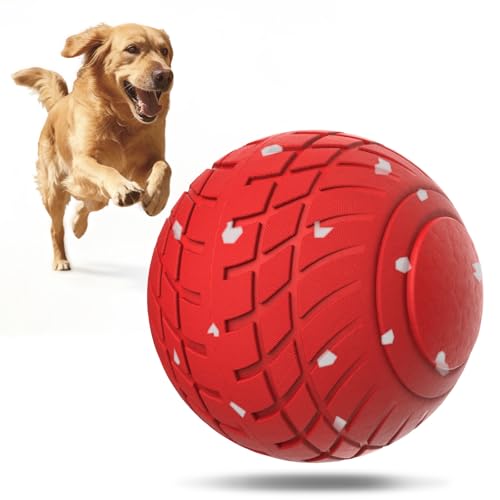
HETOO Interactive Dog Toy Ball: Automatic Moving Dog Ball, Bouncing and Rotating E-TPU Material, Interactive Dog Ball for Boredom, Smart Moving Dog Toy for Medium Large Dogs
Original price was: £15.99.£13.59Current price is: £13.59. *View On Amazon* - Dog Toys
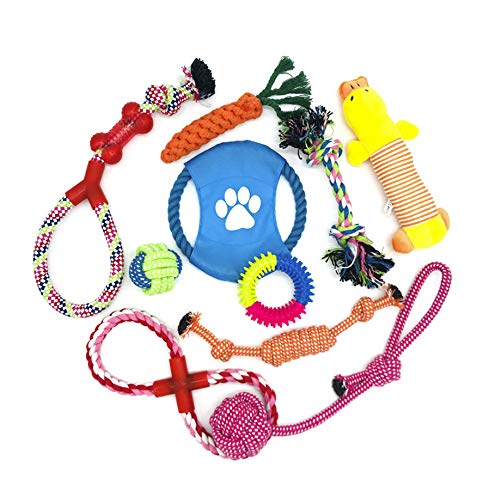
Wefine Puppy Chew Toys – 100% Natural Cotton Rope for Small & Medium Dogs (10 PCS)
Original price was: £12.99.£9.99Current price is: £9.99. *View On Amazon* - Dog Toys
Petface Planet George The Giraffe Plush Dog Toy
Original price was: £10.99.£9.34Current price is: £9.34. *View On Amazon* - Dog Toys
Petface Honking and Squeaky Duck Plush Dog Toy
Original price was: £5.99.£4.78Current price is: £4.78. *View On Amazon* - Dog Toys
Bamboodles T-Bone Dog Chew Toy – Medium | Peanut Butter Flavour | Long Lasting Natural Chew Stick for Medium Dogs | Durable and Safe Dog Chew for Daily Gnawing Fun
Original price was: £8.00.£6.80Current price is: £6.80. *View On Amazon* - Dog Toys
KONG Wild Knots Tiger Medium/Large Dog Toy
Original price was: £11.99.£11.65Current price is: £11.65. *View On Amazon* - Dog Toys
Toozey Dog Toys – 7 Pack Puppy Toys from 8 Weeks Small Dog – Interactive Chew Rope Toys, Non-Toxic Natural Cotton, Relieves Boredom
Original price was: £15.19.£12.35Current price is: £12.35. *View On Amazon* - Dog Toys
FLERDMAU Dog Toys Indestructible – Interactive Dog Toy for Boredom – Fun Indoor Dog Toys for Small and Medium Dog – Outdoor Fetch and Tug-of-War Game Entertainment – Perfect Dog Birthday Gift
Original price was: £9.99.£8.49Current price is: £8.49. *View On Amazon* - Dog Toys
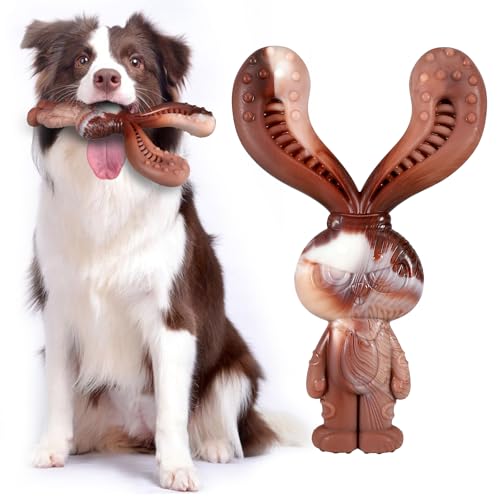
Mapneng Indestructible Dog Toys for Aggressive Chewers, Long Lasting Beef Flavour Nylon Chew Toys, Tough Dog Toys for Medium and Large Dogs, Teeth Brushing and Boredom Brearking (Rabbit)
Original price was: £9.99.£8.07Current price is: £8.07. *View On Amazon* - Dog Toys
LIFLIX Dog Rope Toy, Tug of War Dog Toy, Cute Carrot Dog Toy with Crinkle Paper Tags, Carrot
Original price was: £13.99.£11.68Current price is: £11.68. *View On Amazon* - Dog Toys
Ancol Heritage Collection Tweed Duck Dog Toy
Original price was: £10.49.£7.99Current price is: £7.99. *View On Amazon* - Dog Toys
Petface Latex Apple Soft Chew Dog Toy, Large
Original price was: £4.99.£3.47Current price is: £3.47. *View On Amazon* - Dog Toys
ChienBox Dog Toys for Aggressive Chewers: 2 Pack Dog Toys Indestructible for Medium Large Dogs, Dog Chew Toys for Boredom & Teeth Cleaning, Durable Tough Dog Toy to Keep Them Busy, Real Beef Flavour
Original price was: £17.99.£11.39Current price is: £11.39. *View On Amazon* - Dog Toys
LECHONG 5-PACK Squeaky Plush Dog Toys, Soft Chew Toys Bundle for Large Medium Small Dogs Puppy Boredom, Tough Dog Toys Woodland Series Stuffed Animals
Original price was: £20.99.£16.79Current price is: £16.79. *View On Amazon*




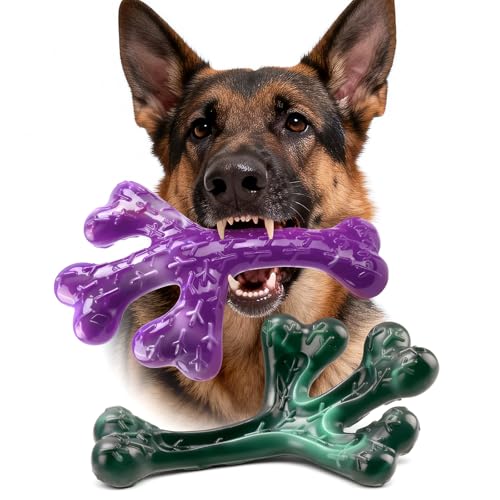
![[Ultimate Durability] 6 Pack Indestructible Dog Toys, Squeaky Chew Balls for Aggressive Chewers & Puppy Teething, Glow-in-Dark Training Balls for Small/Medium Dogs, Non-Toxic Rubber Dental Toys](https://m.media-amazon.com/images/I/51gOIRryJoL._SL500_.jpg)





What This Category Includes
Dog Toys includes a wide range of play products designed for different styles of interaction and enrichment. That can include throw and fetch toys, soft toys, rope style toys, chew toys made from non edible materials, and toys built around movement, noise, or simple problem solving.
The main differences usually come down to size, shape, material, texture, and the kind of play the toy is intended to support. Some toys are better suited to shared interaction, while others are chosen more for independent engagement or lighter everyday play. Specifications vary — see individual product listings for details.
Key Functional Roles
The main role of this category is to group together products used for play and general stimulation. Toys help give structure to activity time and can support a more varied routine at home, in the garden, or on walks.
This category also helps separate play products from other parts of dog care. That matters because toy shopping is usually based on play style and interaction rather than feeding, grooming, bedding, or travel needs.
Typical Use Scenarios
You might use this category when replacing old favourites, adding more variety to a dog’s routine, or looking for a different style of play product for home or outdoor use. It is also a useful place to browse when you know you want a toy but are still deciding what type of interaction matters most.
Some people come here looking for toys suited to active shared play such as throw and retrieve. Others want something softer, simpler, or more focused on keeping a dog engaged during quieter parts of the day.
Buyer Considerations
A good place to start is with the type of play you have in mind. Are you looking for toys mainly for fetching, carrying, tug style interaction, chewing on non edible materials, or lighter independent play? That usually narrows the category quickly and gives you a much clearer comparison path.
It is also worth checking size, material, texture, and how the toy fits your dog’s normal habits. Some households prioritise easy cleaning or indoor suitability, while others care more about durability, bounce, or visibility outdoors. Specifications vary — see individual product listings for details.
Safety, Suitability and Best Practices
Good practice starts with choosing a toy that matches the dog’s size, play style, and usual level of interaction. The individual listing is the right place to check the details that matter most, especially where material, dimensions, or intended use vary.
It also helps to keep toys in good condition and rotate them as part of a normal routine. Cleaning when appropriate, removing badly worn items, and reviewing whether a toy still suits current habits can all help keep the category easier to shop with confidence.
Category Boundaries
Dog Toys is the category for dog play and enrichment products. It is focused on toys used for interaction and activity rather than edible reward products, feeding items, or wider care accessories.
That means edible products belong in Dog Treats and Chews, while feeding accessories belong in Dog Bowls and Feeders. It also sits separately from Dog Training and Behaviour, Dog Beds and Bedding, and Dog Cleaning and Waste Disposal, even if some people browse across those areas as part of a broader dog care routine.
FAQs
What does the Dog Toys category include?
Dog Toys covers products designed for play, interaction, and general enrichment. It includes a range of toy styles rather than food, treats, or care products.
How is Dog Toys different from Dog Treats and Chews?
Dog Toys focuses on non edible play products. Dog Treats and Chews is the separate category for reward products and edible chew items.
How do I choose the right type of dog toy?
Start with the style of play you want to support. Fetch, tug style interaction, carrying, softer comfort play, and independent engagement often point to different toy types.
Are dog toys mainly for indoor use or outdoor use?
They can suit either setting depending on the design and material. The best way to narrow the range is to think about where the toy will be used most often and how your dog usually plays.
Should I look at size when choosing a dog toy?
Yes. Size is one of the simplest ways to narrow the category because it affects how a toy feels in play and how suitable it may be for different dogs. Check the individual listing for exact details.
Can Dog Toys help add variety to a routine?
Yes. Many people use toys to bring more variety into everyday activity and interaction. The category is useful when you want to compare different play styles rather than search for one exact item.
Practical Insights and Real World Context
Most people choose dog toys around behaviour they already see every day. A dog that loves chasing may lead you towards throw toys, while a dog that enjoys carrying or softer interaction may suit a different shape or material. That simple real world starting point is often more useful than trying to compare every toy on technical detail alone.
A strong category page should therefore help you think in terms of play patterns first. Once that is clear, the smaller differences in material, size, and design become much easier to judge without drifting into the wrong part of the dog range.
How This Category Fits Into Your Gear and Equipment
Within the wider Dog Supplies structure, this category sits as the branch for dog play, interaction, and enrichment products used as part of everyday canine routines.
 Getting ready for Summer? View our Home and Garden Products

Heading outdoors this winter? Take a look at our Outdoor Clothing.