
Dog Training and Behaviour
Dog Training and Behaviour is the category for products used to support structured learning, routine guidance, and everyday behaviour management for dogs.
This page is for you if you are looking for training and behaviour related products rather than toys, treats, or everyday walking equipment on their own. It brings together the kinds of items people compare when they want to add more structure, consistency, and guidance to daily routines at home or outdoors. The sections below explain how the category is organised so you can understand the main types of product and narrow the range with more confidence.
- Dog Training and Behaviour
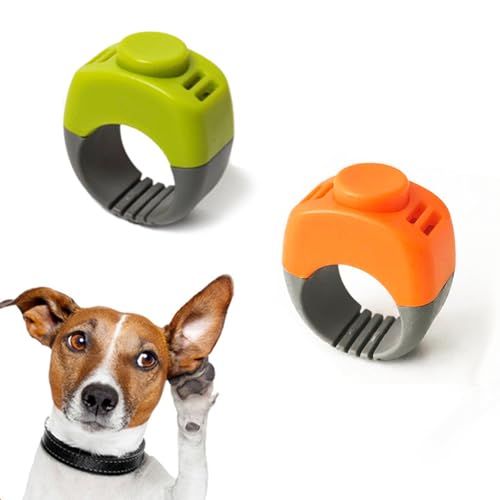
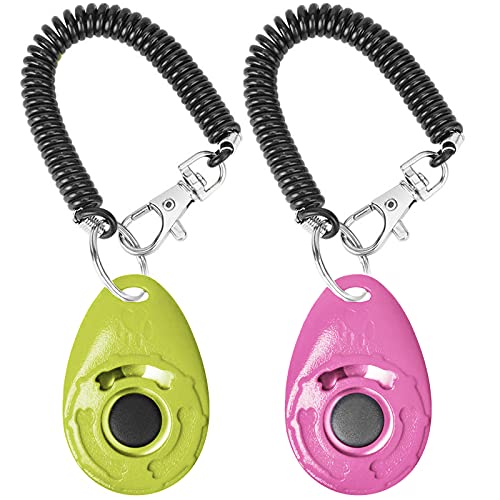
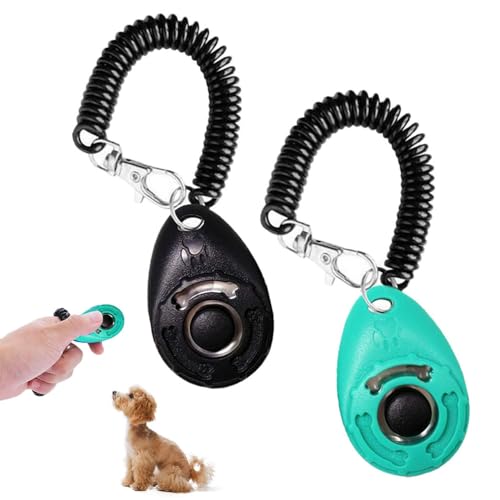
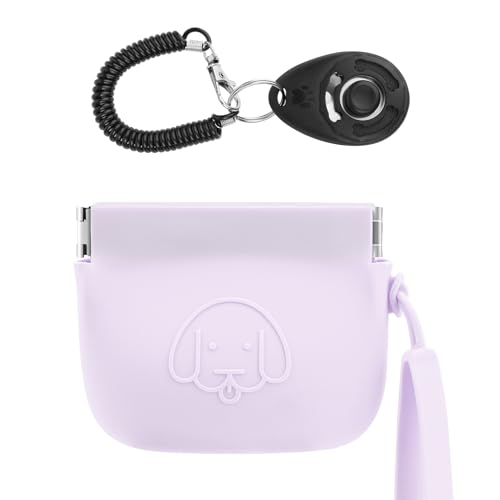
Pet Training Clicker with Wrist Strap – Dog Training Clickers (Red + Bluegreen)
£3.99 *View On Amazon* - Dog Training and Behaviour
Dog Behaviour, Evolution, and Cognition
Original price was: £62.00.£54.00Current price is: £54.00. *View On Amazon* - Dog Training and Behaviour
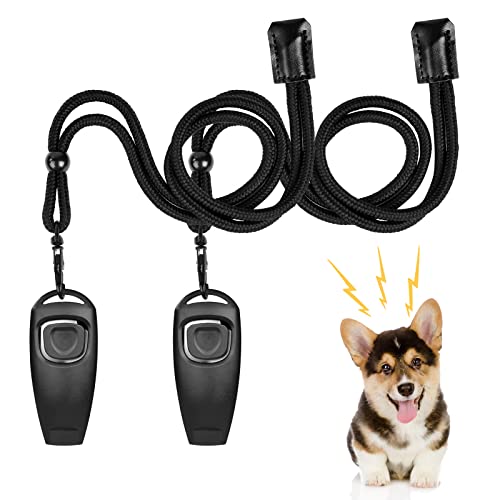
jiuhao Dog Training Whistles,Dog Training Clicker with Wrist Strap,High Pitch Plastic Training Whistles Professional Ultrasonic Dog Whistle with Lanyard Adjustable Frequencies,for Barking & Recall
Original price was: £6.99.£5.60Current price is: £5.60. *View On Amazon* - Dog Training and Behaviour
Mikki Dog and Puppy Clikka Clicker – for Dog Obedience and Recall Clicker Training
£7.00 *View On Amazon* - Dog Training and Behaviour
All Dogs Great and Small: What I’ve learned training dogs
Original price was: £14.99.£12.49Current price is: £12.49. *View On Amazon* - Dog Training and Behaviour
Total Recall: Perfect Response Training for Puppies and Adult Dogs
Original price was: £18.00.£11.31Current price is: £11.31. *View On Amazon* - Dog Training and Behaviour
Don't Shoot the Dog!: The New Art of Teaching and Training
£8.99 *View On Amazon* - Dog Training and Behaviour
Pet Munchies Liver and Chicken Dog Training Treats, Grain Free Tasty Bites with Natural Real Meat, Low in Fat and High in Protein 150g
Original price was: £4.70.£4.09Current price is: £4.09. *View On Amazon* - Dog Training and Behaviour
Antos Mini Mix Training Treat (Pack of 1)
Original price was: £5.94.£5.59Current price is: £5.59. *View On Amazon* - Dog Training and Behaviour
Bargain Factory – Pet Potty Training Pads Pack of 50 for Dogs Puppy Pads – Super-Absorbent 5 Layers Waterproof – 56 x 56 cm – Disposable Puppy Pee Pads
Original price was: £8.99.£7.64Current price is: £7.64. *View On Amazon* - Dog Training and Behaviour
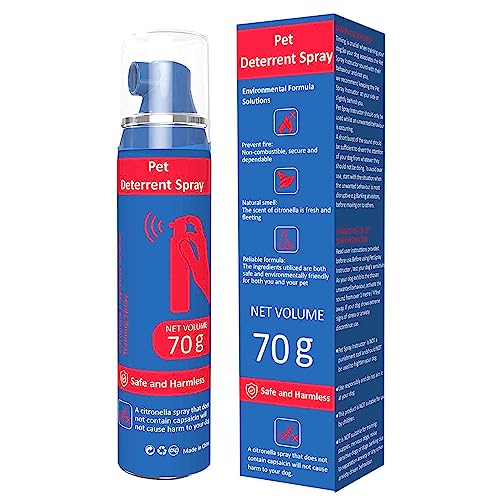
Dog Corrector Spray for Dogs, 70ml Pet Instructor Spray Dog Trainer, Safe Humane & Effective Stop Barking, Jumping Up, Food Stealing, Dog Fights & Attacks, Help Stop Unnecessary Dog Behaviour (1 Pack)
Original price was: £10.95.£9.30Current price is: £9.30. *View On Amazon*








What This Category Includes
Dog Training and Behaviour includes products linked to routine learning, structured interaction, and behaviour support. That can include training aids, guidance tools, and other products chosen to support consistency and focus as part of everyday dog care.
The main differences usually come down to purpose, product format, handling style, and the kind of routine the item is intended to support. Some products are used for short, regular sessions, while others are part of broader day to day guidance. Specifications vary — see individual product listings for details.
Key Functional Roles
The main role of this category is to group together products used to support learning and structured behaviour work. These items are usually chosen when the goal is to add more consistency to routine handling, encourage clearer responses, or make regular guidance easier to manage.
This category also helps separate training intent from other parts of dog care. That matters because training and behaviour products are usually chosen around routine goals and method of use rather than feeding, play, sleeping, or general grooming.
Typical Use Scenarios
You might use this category when building a more structured routine with a dog, replacing older training aids, or comparing product types that support different kinds of everyday guidance. It is also useful when you know the broad aim, such as focus, recall, boundaries, or routine interaction, but have not yet narrowed it down to one type of product.
Some people come here looking for simple support for regular home routines. Others are comparing options linked to outdoor structure, repeat practice, or products that help make short training sessions easier to fit into day to day life.
Buyer Considerations
A practical starting point is to think about the main routine or behaviour area you want to support. Are you focusing on general guidance, structured sessions, outdoor control support, or products that help make repetition and consistency easier? That usually narrows the category much faster than looking at every product at once.
It also helps to think about where the product will be used, how often it will be part of the routine, and whether you want something for short regular use or broader everyday support. Product format and handling style are often the most useful details to compare early on. Specifications vary — see individual product listings for details.
Safety, Suitability and Best Practices
Good practice starts with choosing products clearly intended for dogs and checking the individual listing for the details that matter to your routine. A product that suits the task, the setting, and your preferred approach to consistency is usually easier to use well over time.
It also helps to keep expectations realistic and routines manageable. Simple, repeatable use and a clear purpose are often more helpful than trying too many different products at once. Specifications vary — see individual product listings for details.
Category Boundaries
Dog Training and Behaviour is the category for products used to support learning, structure, and routine behaviour guidance. It is not the category for reward products, play items, or general walking equipment on their own.
That means reward products belong in Dog Treats and Chews, play products belong in Dog Toys, and everyday handling equipment belongs in Dog Collars Leads and Harnesses. It also sits separately from Dog Muzzles, which is a distinct category with a different purpose and selection path.
FAQs
What does Dog Training and Behaviour include?
This category covers products used to support routine learning, structured interaction, and everyday behaviour guidance for dogs. It is the main place for browsing training related items rather than toys or feeding products.
How is this different from Dog Toys?
Dog Toys is focused on play and enrichment products. Dog Training and Behaviour is focused on products chosen for structure, guidance, and routine learning support.
Are treats part of Dog Training and Behaviour?
No. Reward products sit in Dog Treats and Chews. This category is for training and behaviour related products rather than edible rewards themselves.
How do I narrow down the right type of training product?
Start with the routine or behaviour area you want to support first. That gives you a clearer path than comparing products without a specific goal in mind.
Is this category only for formal training sessions?
No. It can also include products used as part of everyday routine guidance at home or outdoors. Some items are used in short sessions, while others fit into broader daily structure.
Can I use this category if I am just trying to add more routine and consistency?
Yes. That is one of the most common reasons people browse this category. It is useful when you want products that support clearer routines without drifting into unrelated dog care areas.
Practical Insights and Real World Context
In real use, people often get better value from training and behaviour products when they match them to one clear routine goal rather than trying to solve everything at once. A category like this works best when it helps you think in terms of structure and consistency first, because that is usually what drives product choice in everyday life.
A strong category page should therefore help you separate training intent from play, rewards, and basic handling equipment. Once that distinction is clear, the smaller differences in format and use become easier to compare without confusion.
How This Category Fits Into Your Gear and Equipment
Within the wider Dog Supplies structure, this category sits as the branch for products that support structured learning, everyday guidance, and routine behaviour management for dogs.
 Getting ready for Summer? View our Home and Garden Products

Heading outdoors this winter? Take a look at our Outdoor Clothing.