

Guinea Pig Bedding and Litter
Guinea pig bedding and litter help create a cleaner, drier and more comfortable living space for your pet. These products are used in cages, hutches, indoor enclosures, litter trays, toilet corners and sleeping areas, depending on the product type and how your guinea pig’s home is set up.
The right bedding or litter should suit your guinea pig, enclosure size, cleaning routine and household needs. Comfort, absorbency where listed, dust level, odour control where stated, material type and safe use are all worth comparing carefully before choosing.
- Guinea Pig Bedding and Litter
Anibest Small Animal Pellets Natural Wood Litter 11 kg 20 L
£29.30 *View On Amazon* - Guinea Pig Bedding and Litter
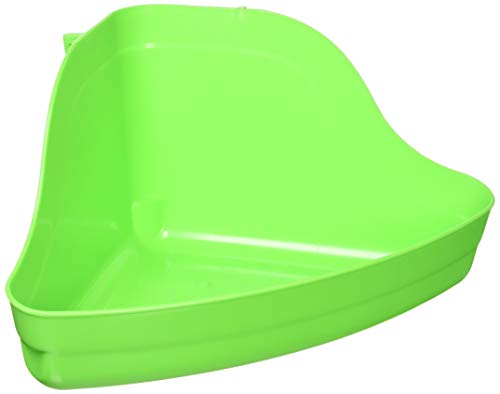
Kaytee High Corner Litter Pan for Ferrets, Rabbits and Guinea Pigs, Medium
£8.59 *View On Amazon* - Guinea Pig Bedding and Litter
KAKOLOPT Small Animal Litter Box Tray with Grate and Accessories, Yellow
£8.99 *View On Amazon* - Guinea Pig Bedding and Litter
Small Pet Select Pine Pellet Bedding 8 lb Non-Clumping Litter
£24.94 *View On Amazon* - Guinea Pig Bedding and Litter
SEESUNO 6-Piece Guinea Pig Fleece Cage Liners, 24 x 16 Inch
£15.99 *View On Amazon* - Guinea Pig Bedding and Litter
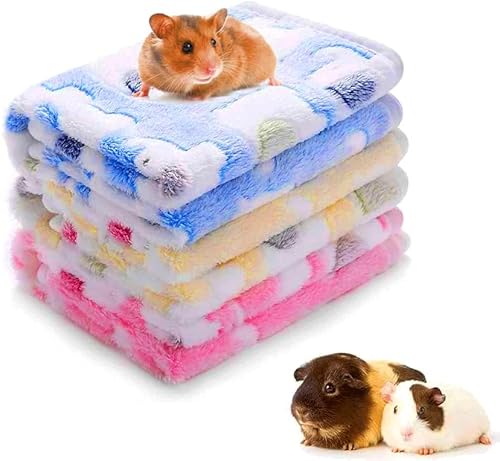
XMPEKO 3 Pack Small Animal Plush Bed, 50 x 40 x 3 cm
Original price was: £12.99.£11.99Current price is: £11.99. *View On Amazon* - Guinea Pig Bedding and Litter
4 Pack Guinea Pig Fleece Cage Liners, 24 x 16 Inch
Original price was: £7.99.£5.98Current price is: £5.98. *View On Amazon* - Guinea Pig Bedding and Litter
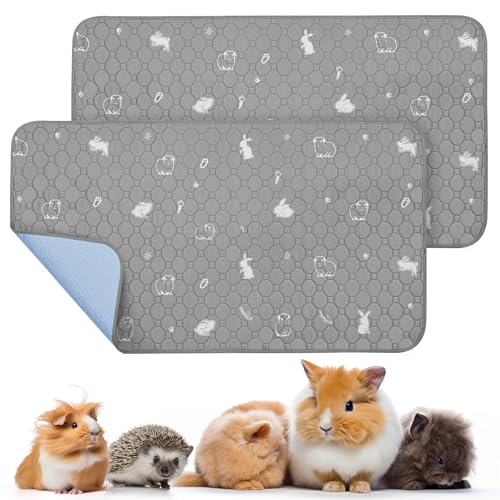
2 Pack Waterproof Guinea Pig Cage Liners 61 x 45 cm
£7.99 *View On Amazon* - Guinea Pig Bedding and Litter
Hojalis Waterproof Guinea Pig Cage Liner 47.64 x 24 Inch Washable Bedding
Original price was: £10.44.£9.99Current price is: £9.99. *View On Amazon* - Guinea Pig Bedding and Litter
Fadcaer 2-Pack Small Animal Plush Bed Mats, Polka Dot
£4.99 *View On Amazon* - Guinea Pig Bedding and Litter
ASOCEA 3 Pack Guinea Pig Fleece Blankets and Cage Liners
£8.99 *View On Amazon* - Guinea Pig Bedding and Litter
Fanshiontide 10-Piece Guinea Pig Blankets, 11.8 x 11.8 Inch
£5.39 *View On Amazon* - Guinea Pig Bedding and Litter
PICK FOR LIFE Guinea Pig Cage Liners, 2 Pack Washable Pee Pads 60 x 120 cm
£19.99 *View On Amazon* - Guinea Pig Bedding and Litter
NCOALE 12-Piece Guinea Pig Fleece Cage Liners, 35 x 75 cm
£10.99 *View On Amazon* - Guinea Pig Bedding and Litter
Scenereal 2 Pack Guinea Pig Cage Liner 60 x 119 cm
£22.99 *View On Amazon* - Guinea Pig Bedding and Litter
4 Pack Guinea Pig Fleece Blankets 40 x 60 cm Washable Bedding
£9.95 *View On Amazon* - Guinea Pig Bedding and Litter
Amakunft 2-Piece Guinea Pig Bed Mats, Blue Stars, 12.6 x 9.8 inch
£13.99 *View On Amazon* - Guinea Pig Bedding and Litter
4Pcs Guinea Pig Bedding Waterproof Reusable Absorbent Washable Pee Mat for Small Animals
£11.49 *View On Amazon* - Guinea Pig Bedding and Litter
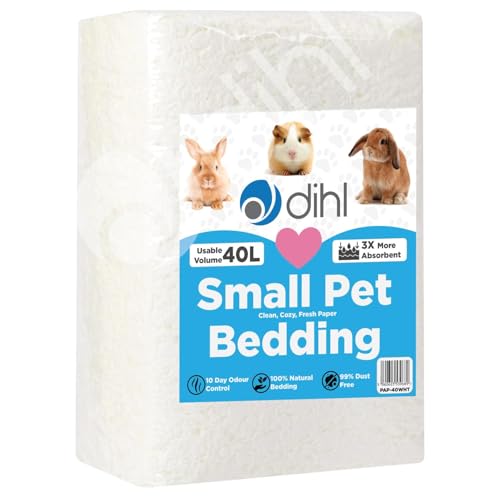
Dihl 40 Litre White Paper Bedding for Small Animals
Original price was: £15.99.£14.99Current price is: £14.99. *View On Amazon* - Guinea Pig Bedding and Litter
HOZKUY 2-Pack Guinea Pig Cage Liners 24 x 48 Inch Washable Mats
£22.99 *View On Amazon* - Guinea Pig Bedding and Litter
PAWCHIE 2 Pack Guinea Pig Cage Liners, Pink 24 x 47″
£23.75 *View On Amazon* - Guinea Pig Bedding and Litter
Namalu 8 Piece Reusable Guinea Pig Cage Liners, 12 x 12 Inch
£19.99 *View On Amazon*








What Is Guinea Pig Bedding and Litter?
Guinea pig bedding and litter are materials used to line or support parts of a guinea pig enclosure. Bedding is usually used across sleeping, resting or general floor areas, while litter is often used in toilet areas, corners or trays where suitable.
Products in this category may include paper bedding, wood based bedding, straw style bedding, hay bedding, pellets, absorbent liners, small animal litter and other enclosure materials depending on the products listed.
Not every small pet bedding product is suitable for guinea pigs, so always check the product description carefully. Guinea pigs have sensitive feet and can be affected by dusty or unsuitable materials, so comfort and suitability should come before price or appearance.
What Are Guinea Pig Bedding and Litter Products Used For?
Guinea pig bedding and litter are used to help manage moisture, droppings and everyday mess inside an enclosure. They can also provide a softer surface for resting, walking and nesting, depending on the material and product design.
For indoor cages, bedding can help make cleaning easier and reduce mess around the living area. For outdoor hutches, suitable bedding can support comfort and help keep sleeping areas more pleasant, especially when used with regular cleaning.
Litter products may be used in areas where guinea pigs tend to toilet most often. Some guinea pigs use certain corners more than others, but not all guinea pigs can be fully litter trained, so bedding and cleaning routines still matter.
How To Choose The Right Guinea Pig Bedding and Litter
Start with suitability for guinea pigs. Look for products described for small pets or guinea pigs where listed, and avoid assuming that bedding made for other animals is automatically suitable.
Next, think about the enclosure. A larger cage or hutch may need bedding that is easy to spread, replace and clean. A smaller indoor enclosure may need a lower mess option that is simple to manage day to day.
Comfort is very important. Guinea pigs spend a lot of time walking, resting and sleeping on their bedding. Choose a material that feels suitable for delicate feet and does not create sharp, rough or dusty surfaces.
Cleaning routine also matters. Some bedding may need changing more often, while more absorbent products where listed may help manage damp areas for longer. No bedding removes the need for regular spot cleaning and full enclosure cleaning.
Key Features To Compare
When comparing guinea pig bedding and litter, look at material, dust level, absorbency where listed, odour control where stated, softness, pack size, ease of disposal and storage needs.
Dust level is especially worth checking. Dusty bedding can be unpleasant for both pets and people, and may not be suitable for sensitive animals. Look for low dust wording where listed, but still monitor how the product behaves in real use.
Absorbency affects how well the bedding handles urine and damp patches. Some products may be designed to lock in moisture where stated, while others may be more basic and need more frequent changing.
Odour control can be useful, but it should not replace cleaning. Strong scents or perfumed products may not suit every guinea pig, so check suitability carefully before buying.
Pack size is practical too. Larger packs may suit multi guinea pig homes or frequent cleaning, while smaller packs can be useful for testing a new material before committing to more.
Guinea Pig Bedding Compared With Small Animal Litter and Cage Liners
Bedding and litter do different jobs. Bedding is usually used across larger areas of the enclosure to provide comfort and help manage mess. Litter is more often used in toilet corners, litter trays or high use areas where suitable.
Cage liners can be washable and reusable where listed, but they still need regular cleaning and may need an absorbent layer or spot cleaning routine. Disposable bedding can be easier for some owners, but it needs ongoing replacement.
Wood based bedding, paper bedding, pellets and hay based products can all feel different in use. Some may be softer, some may be more absorbent where listed, and some may create more mess. The right choice depends on your guinea pig, your cleaning habits and the type of enclosure.
Cat litter should not be used unless it is clearly listed as suitable for small pets and guinea pigs. Clumping, scented or sharp litters can be unsuitable, so always check the product carefully.
Guidance For New Regular And Experienced Guinea Pig Owners
New guinea pig owners should start with a safe, comfortable bedding option that is easy to clean and clearly suitable for small pets where listed. Simple, low dust and practical materials are often a sensible starting point.
Regular guinea pig owners may want to compare absorbency, cleaning time, pack value and how well the bedding works in specific areas of the enclosure. Bedding that works well in a sleeping area may not be the same as litter used in a toilet corner.
Experienced owners may use a mixed setup, such as soft bedding in sleeping areas, litter in high use corners and washable liners where suitable. The best setup is often the one that keeps the enclosure clean while staying comfortable for the guinea pigs.
Use Cases By Cage Hutch And Home Setup
For indoor cages, bedding that is low mess, easy to spot clean and suitable for daily maintenance can be helpful. Indoor setups often make odour control and dust level more noticeable.
For outdoor hutches, bedding should help support comfort and cleanliness while being suitable for the weather and hutch design. Sleeping areas may need more attention during colder or damp conditions, depending on the setup.
For litter trays, choose litter that is safe for guinea pigs and suitable for the tray size. Place trays in areas your guinea pigs already use most often rather than expecting them to change habits immediately.
For multi guinea pig homes, more bedding may be needed because shared enclosures can become messy faster. Larger pack sizes and easy cleaning routines can be useful.
For rescue guinea pigs or older guinea pigs, comfort underfoot is especially important. If a guinea pig seems uncomfortable, has sore feet or shows changes in behaviour, seek suitable advice from a vet or experienced small pet professional.
Fit Compatibility And Enclosure Practicality
Guinea pig bedding and litter should work with the enclosure floor, hideaways, tunnels, food areas, hay racks and litter trays. Some materials spread easily, while others stay more contained depending on texture and product type.
Think about depth. Bedding that is too shallow may not manage moisture well, while too much loose material can make cleaning harder or bury food and droppings. Follow the product guidance where available and adjust your setup based on how the enclosure is used.
If using washable liners, check whether they need absorbent layers underneath or frequent changing. If using loose bedding, check whether it gets caught in water bottles, food bowls or fleece hideaways.
Compatibility with disposal is also worth thinking about. Some bedding may be compostable where listed, while other products need normal household waste disposal. Follow local waste guidance and product instructions.
Safety Comfort And Health Considerations
Guinea pigs need bedding that is clean, dry and suitable for small pet use. Avoid products that are sharp, heavily scented, very dusty or not clearly suitable for guinea pigs.
Damp bedding should be removed promptly. Wet areas can become uncomfortable and may affect skin, feet and enclosure hygiene. Regular spot cleaning helps keep the living space more pleasant between full cleans.
Avoid placing food directly into soiled bedding. Hay, fresh food and water should be kept as clean as possible, although guinea pigs are naturally messy animals and some daily tidying is normal.
If your guinea pig develops sneezing, irritation, sore feet, hair loss, skin issues or changes in toileting habits, review the bedding and seek veterinary advice where needed.
Care Cleaning Maintenance And Storage
A good cleaning routine is just as important as the bedding itself. Spot clean wet patches and droppings regularly, and replace bedding as needed depending on the enclosure size, number of guinea pigs and product guidance.
Full cage or hutch cleaning should include removing old bedding, wiping or washing suitable surfaces and allowing areas to dry before adding fresh bedding. Always use cleaning products that are safe for small pet environments where suitable.
Store bedding and litter in a dry place away from damp, pests and strong smells. Keep opened packs sealed or contained where practical so the material stays clean and ready to use.
Do not store bedding next to chemicals, fuels, strong fragrances or damp garden items. Guinea pigs spend close contact time with bedding, so clean storage matters.
Useful Accessories To Consider
Useful accessories can include litter trays, hay racks, food bowls, water bottles, cage liners, hideaways, tunnels, scoops, small pet safe cleaning products, storage tubs and grooming items.
A litter tray can help manage mess in favourite toilet corners where suitable. A hay rack can help keep feeding hay cleaner, although guinea pigs should still have suitable access to hay as part of their routine.
For indoor homes, a small scoop, waste bags and a dedicated bedding storage box can make daily cleaning easier. For outdoor hutches, spare bedding and weather suitable hutch accessories may be useful.
Why Buy Guinea Pig Bedding and Litter From YPC?
At YPC, we understand active lifestyles and the need for practical products that work in real use. Guinea pig bedding and litter can vary by material, softness, absorbency, dust level, odour control, pack size and suitability, so comparing the details helps you choose with more confidence.
YPC helps you browse small pet care products with real home use in mind, whether you are buying for indoor cages, outdoor hutches, litter trays, multi guinea pig homes or everyday cleaning routines. Explore the Guinea Pig Bedding and Litter category to browse the available options and compare the features that matter most for your pets and setup.
FAQs
What is guinea pig bedding used for?
Guinea pig bedding is used to line the enclosure, support comfort, manage moisture and help keep the living area cleaner. It is commonly used in cages, hutches, sleeping areas and general floor spaces.
What is guinea pig litter used for?
Guinea pig litter is usually used in toilet corners, litter trays or high use areas where suitable. It can help make spot cleaning easier, but not all guinea pigs will use a litter tray consistently.
What bedding is suitable for guinea pigs?
Suitable bedding should be safe for small pets, comfortable underfoot, low dust where listed and easy to clean. Always check that the product is suitable for guinea pigs before using it.
Can I use cat litter for guinea pigs?
Cat litter should not be used unless it is clearly listed as suitable for guinea pigs or small pets. Clumping, scented or sharp litters can be unsuitable for guinea pig enclosures.
How often should guinea pig bedding be changed?
This depends on enclosure size, number of guinea pigs, bedding type and cleaning routine. Wet patches and droppings should be spot cleaned regularly, with full bedding changes carried out as needed.
Is paper bedding good for guinea pigs?
Paper bedding can be suitable for guinea pigs where the product is listed for small pet use. Check dust level, softness, absorbency and whether it suits your enclosure and cleaning routine.
Can guinea pigs be litter trained?
Some guinea pigs may use certain toilet areas more often, and a litter tray can help manage mess. However, guinea pigs may not become fully litter trained, so bedding and regular cleaning are still needed.
Should guinea pig bedding be scented?
Scented bedding may not suit every guinea pig and can be too strong in some enclosures. Choose carefully and check suitability for small pets before use.
How should I store guinea pig bedding?
Store bedding in a clean, dry place away from damp, pests and strong smells. Keep opened packs sealed or in a storage tub where practical.
What accessories are useful with guinea pig bedding and litter?
Useful accessories can include litter trays, scoops, cage liners, hay racks, hideaways, small pet safe cleaning products and storage tubs. The right accessories depend on your enclosure setup and cleaning routine.
 Getting ready for Summer? View our Home and Garden Products

Heading outdoors this winter? Take a look at our Outdoor Clothing.