
Guinea Pig Toys
Guinea Pig Toys are the category for play and enrichment products used to encourage interaction, exploration, and everyday activity for guinea pigs.
This page is for you if you are looking for toys that support play, stimulation, and general day to day interaction with guinea pigs. It covers the main toy types people browse when they want something for chewing, exploring, nudging, carrying, or simple enclosure activity. The sections below explain how Guinea Pig Toys is structured so you can compare the main forms and decide which kind of play product suits your routine.
- Guinea Pig Toys
Guinea Pig Tunnels & Tubes Collapsible, 3 Way Tunnels Hides Toys, Hanging Tunnel For Small Animals,Portable Small Animal Hideout Hideaway Pet Toys Tunnel for Hamster,Rat,guinea pig (Rainbow, 19*17*2)
Original price was: £7.99.£6.79Current price is: £6.79. *View On Amazon* - Guinea Pig Toys
Oxbow Enriched Life Crunchy Carrot – Rabbit Toys, Guinea Pig Toys, Hamster, Rabbit, Chinchilla, Rat, Chinchilla Cage Accessories, Guinea Pig Accessories for Cage
Original price was: £4.99.£3.20Current price is: £3.20. *View On Amazon* - Guinea Pig Toys
Avont Guinea Pig Hideout Tunnel, Small Animal Hideaway Play Tube Toys Mat, Soft Sleeping Bed House for Dwarf Rabbits Chinchillas Hamsters Hedgehogs Ferrets Bearded Dragons and Rats -Star
Original price was: £15.99.£13.59Current price is: £13.59. *View On Amazon* - Guinea Pig Toys
Hamster Toys Guinea Pig Wheel Hamster Cage Accessories Small Animal Molar Chew Toys for Chinchillas,Gerbils,Mice,Rats,Mouse,Rabbit,Bunny Hideout Seesaw
Original price was: £13.99.£11.89Current price is: £11.89. *View On Amazon* - Guinea Pig Toys
HOTUT Guinea Pig Bed,2pcs Cave Cozy Hamster Small Animal Beds Hideout,Warm Guinea Pig House,Washable Small Animal House Cage Accessories for Chinchillas,Hamsters,Dwarf Rabbits
Original price was: £7.49.£7.11Current price is: £7.11. *View On Amazon* - Guinea Pig Toys
ASOCEA Guinea Pig Forest Hideout Fleece Corner Hammock Small Animals Hideaway Pet Cage Habitat House Tent Nest Toy for Ferrets Chinchillas Hedgehogs Hamster Glider Rats
Original price was: £11.99.£10.19Current price is: £10.19. *View On Amazon* - Guinea Pig Toys
Rosewood Naturals Woven Stack-n-Hide Den, Small Animal Activity Toy, House and Hideout, for Guinea Pigs, Chinchillas, Degus and Rats
Original price was: £10.79.£10.09Current price is: £10.09. *View On Amazon* - Guinea Pig Toys
Hedgeink Guinea Pig Hideout Rabbit Bed Cubic Guinea Pig House Accessories Machine Washable Rabbit House Hideaway Hamster Bed for Bunny Chinchilla Ferret Small Pets
Original price was: £12.99.£10.26Current price is: £10.26. *View On Amazon* - Guinea Pig Toys
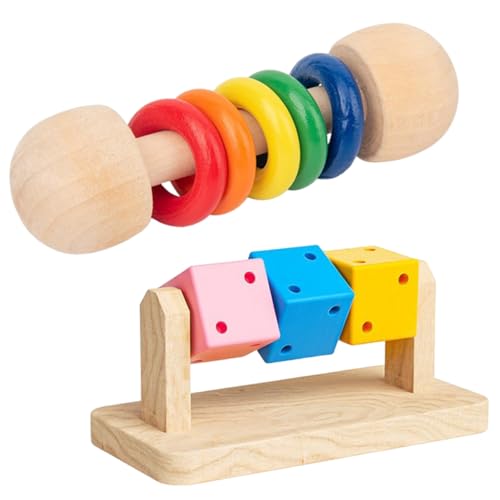
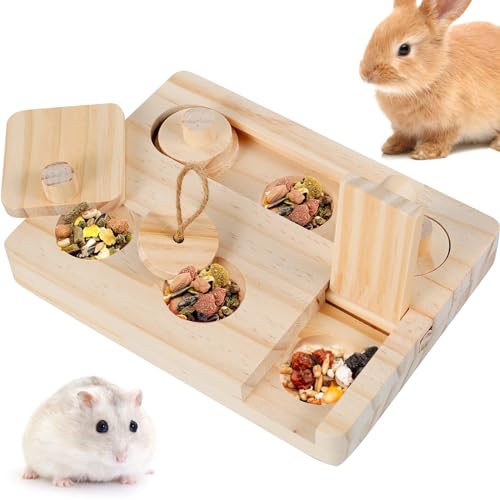
Guinea Pig Foraging Toys 6 in 1 Wooden Hamster Interactive Enrichment Toys Puzzle Treat Dispenser Toys Mental Stimulation Toy for Small Animals Hamsters Guinea Pigs Rabbits Chinchillas Gerbils
Original price was: £9.98.£9.69Current price is: £9.69. *View On Amazon* - Guinea Pig Toys
BeBeJoJo Guinea Pig Bed Rabbit Hideout, Soft Guinea Pig Tunnel with Curtains Washable Hamster Hideout Accessories for Small Pet
Original price was: £9.98.£8.39Current price is: £8.39. *View On Amazon*









What This Category Includes
Guinea Pig Toys includes a wide range of play products designed for different styles of interaction and enrichment. That can include chew toys made from non food materials, tunnels, balls, hanging toys, and other activity products built around texture, movement, or simple exploration.
The main differences usually come down to size, shape, material, texture, and the kind of play the toy is intended to support. Some toys are better suited to independent activity, while others are chosen more for variety within the enclosure or a broader guinea pig setup. Specifications vary — see individual product listings for details.
Key Functional Roles
The main role of this category is to group together products used for play and general stimulation. Toys help give structure to activity time and can support a more varied routine in cages, hutches, runs, playpens, or other guinea pig areas.
This category also helps separate play products from other parts of guinea pig care. That matters because toy shopping is usually based on interaction style and enrichment rather than feeding, bedding, housing, or grooming needs.
Typical Use Scenarios
You might use this category when replacing old favourites, adding more variety to a guinea pig’s routine, or looking for a different style of play product for enclosure use. It is also a useful place to browse when you know you want a toy but are still deciding what type of interaction matters most.
Some people come here looking for toys suited to chewing on non food materials or simple exploration. Others want something lighter, more textured, or more focused on giving guinea pigs an extra activity option during everyday routine time.
Buyer Considerations
A good place to start is with the type of play or activity you have in mind. Are you looking for toys mainly for chewing, nudging, exploring, carrying, or quieter independent activity? That usually narrows the category quickly and gives you a much clearer comparison path.
It is also worth checking size, material, texture, and how the toy fits your guinea pigs’ normal habits and living setup. Some people prioritise simple enrichment, while others care more about variety, movement, or how easily the toy fits into the enclosure. Specifications vary — see individual product listings for details.
Safety, Suitability and Best Practices
Good practice starts with choosing a toy that matches the guinea pig’s size, play style, and usual level of interaction. The individual listing is the right place to check the details that matter most, especially where material, dimensions, or intended use vary.
It also helps to keep toys in good condition and rotate them as part of a normal routine. Cleaning when appropriate, removing badly worn items, and reviewing whether a toy still suits current habits can all help keep the category easier to shop with confidence.
Category Boundaries
Guinea Pig Toys is the category for guinea pig play and enrichment products. It is focused on toys used for interaction and activity rather than food based rewards, housing structures, bedding products, or wider care accessories.
That means reward products belong in Guinea Pig Treats and Chews, while housing and space products belong in Guinea Pig Cages and Hutches and Guinea Pig Runs and Playpens. It also sits separately from Guinea Pig Bedding and Litter and Guinea Pig Health and Hygiene, even if some households browse across those areas as part of a broader guinea pig care routine.
FAQs
What does the Guinea Pig Toys category include?
Guinea Pig Toys covers products designed for play, interaction, and general enrichment. It includes a range of toy styles rather than food, treats, or care products.
How is Guinea Pig Toys different from Guinea Pig Treats and Chews?
Guinea Pig Toys focuses on non food play products. Guinea Pig Treats and Chews is the separate category for reward products and chew items intended as treats or routine extras.
How do I choose the right type of guinea pig toy?
Start with the style of activity you want to support. Chewing, exploring, nudging, carrying, and independent engagement often point to different toy types.
Are guinea pig toys mainly for enclosure use?
Many are chosen for cages, hutches, runs, and playpens, but the exact setting can vary by product design and routine. The best way to narrow the range is to think about where the toy will be used most often and how your guinea pigs usually interact.
Should I look at size when choosing a guinea pig toy?
Yes. Size is one of the simplest ways to narrow the category because it affects how a toy feels in use and how suitable it may be for different guinea pigs. Check the individual listing for exact details.
Can Guinea Pig Toys help add variety to a routine?
Yes. Many people use toys to bring more variety into everyday activity and interaction. The category is useful when you want to compare different play styles rather than search for one exact item.
Practical Insights and Real World Context
Most people choose guinea pig toys around behaviour they already see every day. A guinea pig that likes chewing on non food materials may lead you towards one type of toy, while guinea pigs that prefer nudging, exploring, or moving objects around may suit a different shape or texture. That simple real world starting point is often more useful than trying to compare every toy on technical detail alone.
A strong category page should therefore help you think in terms of activity patterns first. Once that is clear, the smaller differences in material, size, and design become easier to compare without drifting into the wrong part of the guinea pig range.
How This Category Fits Into Your Gear and Equipment
Within the wider Guinea Pig Supplies structure, this category sits as the branch for guinea pig play, interaction, and enrichment products used as part of everyday guinea pig routines.
 Getting ready for Summer? View our Home and Garden Products

Heading outdoors this winter? Take a look at our Outdoor Clothing.