
Hamster Bedding and Litter
Hamster Bedding and Litter are the category for the materials used inside hamster living areas to add comfort, support absorbency, and help manage everyday enclosure upkeep.
This page is for you if you are looking for the layers and materials used inside a hamster setup rather than the housing structure, feeding products, or exercise items. It brings together the main bedding and litter options people compare when they want to make an enclosure more comfortable, easier to maintain, and better suited to routine day to day care. The sections below explain how the category is structured so you can understand the main differences before comparing individual products.
- Hamster Bedding and Litter
Hamster Sand Bath Syrian, Sand Bath for Syrian Hamster with Staircase Transparent Hamster Bathtub Bathroom Toilet Easy to Clean Hamster Litter Box for Dwarf Hamster(17.5cm x 11cm x 10.5cm)
Original price was: £8.59.£6.99Current price is: £6.99. *View On Amazon* - Hamster Bedding and Litter
SIPW – 100% Soft Natural Kapok Wool Bedding Hamsters, Guinea Pigs, Gerbils, Mice, Rats (Kapok Wool)
£5.89 *View On Amazon* - Hamster Bedding and Litter
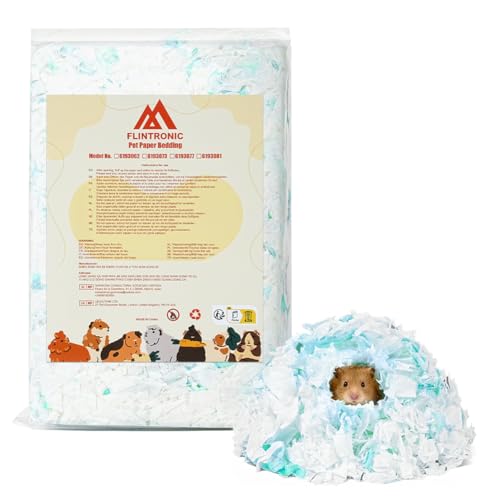
Petlife Safebed paper Shavings Small Animal Bedding Carry Home for Small Pet
£6.99 *View On Amazon* - Hamster Bedding and Litter
AB Tools 2PK Small Animal Hamster Gerbils Safe Bed Fluff Nesting Bedding – (Colour Varies)
£8.93 *View On Amazon* - Hamster Bedding and Litter
Kaytee Clean & Cozy Extreme Odour Control Super Absorbent Paper Bedding for Small Animal Cages, Hamster, Gerbil, Mice, Guinea, 24.6 Litres
Original price was: £15.95.£12.98Current price is: £12.98. *View On Amazon* - Hamster Bedding and Litter
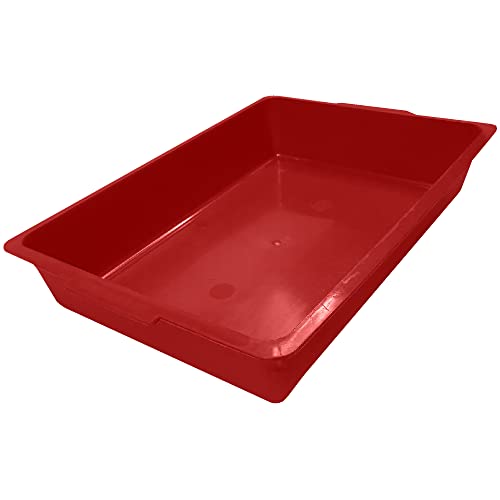
Kaytee Hamster Potty with Sample of Potty Litter Suitable for Hamsters, Mice and Gerbils
£7.95 *View On Amazon* - Hamster Bedding and Litter
TRIXIE litter scoop for silicate litter – sieve hole size: 6 mm – recycled plastic – 40471
Original price was: £5.88.£4.14Current price is: £4.14. *View On Amazon* - Hamster Bedding and Litter
Riare 600g Habitat Moss Natural Hamster Moss-Soft Forest Moss Hamster Habitat for Dwarf Syrian Hamsters, Mices, Gerbils, Reptiles, Small Pets
Original price was: £16.99.£16.14Current price is: £16.14. *View On Amazon*







What This Category Includes
Hamster Bedding and Litter includes the materials used inside cages, litter areas, nesting spaces, and resting zones as part of a hamster’s everyday setup. That can include softer bedding layers, absorbent litter materials, and other enclosure based products chosen for comfort, cleanliness, and routine upkeep.
The main differences usually come down to material, texture, absorbency, coverage, and where the product is intended to be placed within the setup. Some options are chosen more for nesting and resting areas, while others are selected for litter spots or more general enclosure coverage. Specifications vary — see individual product listings for details.
Key Functional Roles
The main role of this category is to group together the materials that shape the inside of a hamster’s living area. These products help define how the enclosure feels underfoot, how comfortable the resting and nesting areas are, and how practical the setup is to maintain from day to day.
This category also helps separate enclosure layers from other parts of hamster care. That matters because bedding and litter choices are usually based on texture, absorbency, placement, and cleaning routine rather than feeding, housing structure, or exercise products.
Typical Use Scenarios
You might use this category when setting up a new hamster enclosure, replacing used materials, or changing the way the nesting and toilet areas are arranged. It is also useful when you know you need an internal enclosure material but have not yet narrowed the choice to one exact type.
Some people come here looking for a simple bedding layer to refresh the living area. Others are comparing litter materials, softer nesting options, or products that better suit the way their enclosure is organised each day.
Buyer Considerations
A practical starting point is to decide whether you are choosing for a nesting area, a litter area, or more general enclosure coverage. That simple first step usually narrows the category quickly and makes the rest of the comparison much easier.
It also helps to think about texture, absorbency, ease of replacement, material type, and how often the product will need refreshing as part of your normal routine. Some people prioritise softness and comfort, while others focus more on tidy upkeep and how the material behaves in the enclosure day to day. Specifications vary — see individual product listings for details.
Safety, Suitability and Best Practices
Good practice starts with choosing products clearly intended for hamsters and checking the individual listing for the details that matter to your setup. Material type, intended use, and product format can all affect how suitable an option feels for the area you want to cover.
It also helps to keep enclosure materials clean, fresh, and easy to manage. Replacing used bedding or litter regularly, reviewing how well the setup still suits your hamster, and keeping the living area organised can make the category easier to shop with confidence.
Category Boundaries
Hamster Bedding and Litter is the category for the materials placed inside a hamster setup for comfort, absorbency, and everyday enclosure upkeep. It is focused on internal enclosure layers rather than the housing structure itself, feeding accessories, exercise products, or routine care items used on the hamster.
That means related products belong elsewhere in named categories such as Hamster Cages, Hamster Bowls and Feeders, Hamster Food, Hamster Toys and Exercise, and Hamster Health and Hygiene. It also sits separately from Hamster Treats and Chews, which serves a different routine purpose.
FAQs
What does Hamster Bedding and Litter include?
This category covers the materials used inside a hamster setup for comfort, absorbency, and routine upkeep. It includes bedding and litter products rather than cages, feeders, or food.
How do I choose between bedding and litter?
Start with the area you are setting up. If you are focusing on a nesting or comfort area, bedding is usually the clearer route. If you are focusing on a toilet area or absorbent spot, litter is usually the better starting point.
Can bedding and litter be used in the same setup?
Yes. Many hamster setups use different materials in different areas depending on the role of that part of the enclosure. The individual listing is the best place to check intended use and product details.
What should I compare first when browsing hamster bedding?
Texture, material, coverage, and how often you expect to replace it are usually the most useful starting points. Those details often narrow the range faster than appearance alone.
Does this category include hamster cages?
No. Housing structures belong in Hamster Cages. This category is focused on the internal materials used inside the setup.
Is Hamster Bedding and Litter only for one type of enclosure?
Not necessarily. The intended setting can vary by product and enclosure style. The individual listing is the best place to confirm exact intended use and material details.
Practical Insights and Real World Context
In real use, people usually choose bedding and litter by routine and enclosure layout rather than by product appearance. What matters most is often where the material will go, how it feels in use, and how practical it is to refresh as part of normal care. That simple starting point usually makes comparison much easier.
A strong category page should therefore help you think in terms of enclosure zones first. Once you know whether you are choosing for comfort, absorbency, or general coverage, the smaller differences in material and texture become easier to compare without drifting into housing, feeding, or exercise categories.
How This Category Fits Into Your Gear and Equipment
Within the wider Hamster Supplies structure, this category sits as the branch for the internal enclosure materials used alongside housing, feeding, and broader everyday hamster care.
 Getting ready for Summer? View our Home and Garden Products

Heading outdoors this winter? Take a look at our Outdoor Clothing.