
Hamster Cages
Hamster cages provide a secure home where hamsters can sleep, burrow, exercise, eat and explore. They are suitable for different hamster species and home setups, but the right enclosure should always provide enough usable floor space, suitable ventilation and room for deep bedding, hides, a wheel and other essential accessories.
The best hamster cage for your pet depends on the hamster’s species, size, behaviour and activity level. It is worth comparing the enclosure dimensions, bar spacing, base depth, ventilation, access points and ease of cleaning before buying.
-
Hamster Cages
Wsetyy Wooden Double-Decker Hamster House with 7 Entrances and Ramp
Original price was: £9.60.£8.99Current price is: £8.99. *View On Amazon* -
Hamster Cages
JWShang Large Wooden Guinea Pig House with Detachable Ramp and 4 Entrances
Original price was: £26.99.£24.99Current price is: £24.99. *View On Amazon* -
Hamster Cages
Beavorty Wooden Hamster Hideout House 14 x 9.5 x 8 cm
Original price was: £8.09.£4.92Current price is: £4.92. *View On Amazon* -
Hamster Cages
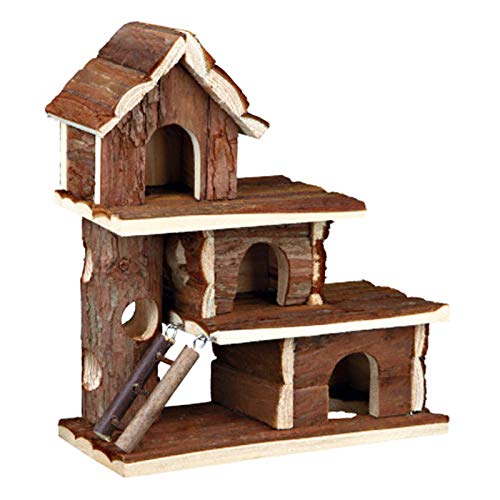
SPORWAY Wooden Corner Hamster House with Ladder and Two-Room Platform
Original price was: £9.99.£8.49Current price is: £8.49. *View On Amazon* -
Hamster Cages
lrgnixs Wooden Hamster Corner House with 3 Chamber Hideout
Original price was: £9.99.£9.59Current price is: £9.59. *View On Amazon* -
Hamster Cages
Marchul Wooden Hamster House Hideout, 28 x 28 x 11.5 cm, 3 Room
£15.99 *View On Amazon* -
Hamster Cages
Vegena Wooden Hamster Corner House with Steps, 27 x 15 x 10.5 cm
£9.99 *View On Amazon* -
Hamster Cages
RARITYLL 3-Chamber Wooden Hamster Hideout and Cage Platform
Original price was: £6.39.£3.98Current price is: £3.98. *View On Amazon* -
Hamster Cages
Savic Playhouse for Small Pets Plastic Sputnik, M, Assorted Colour
£6.48 *View On Amazon* -
Hamster Cages
Trixie Natural Living Bridge, 22 x 10 cm
Original price was: £5.73.£3.48Current price is: £3.48. *View On Amazon* -
Hamster Cages
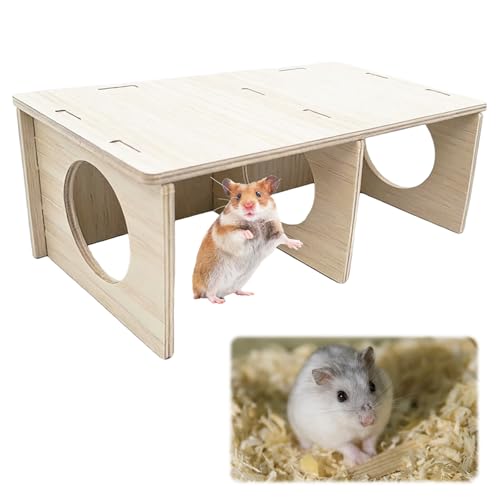
Multi-Chamber Hamster Hide House for Small Rodents
Original price was: £8.49.£7.99Current price is: £7.99. *View On Amazon* -
Hamster Cages
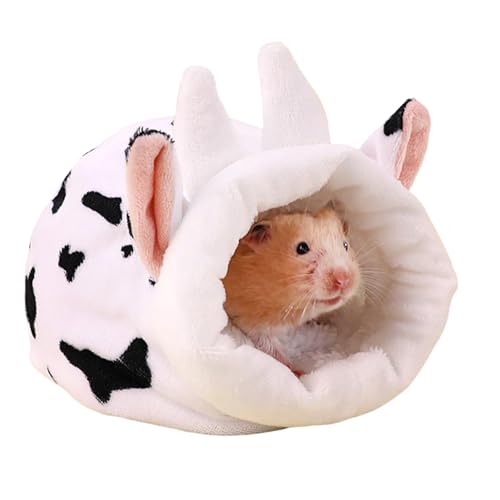
Embhlitfe Large Plush Hamster Bed House, Black and White
Original price was: £5.99.£5.79Current price is: £5.79. *View On Amazon*







What Are Hamster Cages?
Hamster cages are enclosed habitats designed for keeping pet hamsters safely indoors. They usually include a secure base and a lid, wire top or ventilated panels, depending on the design.
Products in this category may include wire hamster cages, tank style enclosures, plastic habitats, modular cages, glass terrariums, cages with deep bases and larger small animal enclosures where listed.
A suitable hamster cage should provide more than a place to contain the animal. It should support natural behaviours such as burrowing, nesting, foraging, running and hiding.
What Are Hamster Cages Used For?
Hamster cages are used to create a safe and manageable living environment for pet hamsters. They provide space for bedding, food, water, nesting materials, exercise equipment, hides and enrichment.
A well planned cage can help keep daily care more organised while giving the hamster opportunities to stay active. Deep bedding allows digging and burrowing, a correctly sized wheel supports running, and hides provide somewhere quiet to rest.
The enclosure also helps protect the hamster from household hazards, other pets, unsafe plants, electrical cables and accidental escape.
How To Choose The Right Hamster Cage
Start by checking the internal floor space rather than relying only on labels such as small, medium or large. Hamsters benefit from generous, uninterrupted space that allows them to move and explore naturally.
Next, think about the hamster species. Syrian hamsters are larger and usually need more space, larger accessories and wider openings than dwarf hamsters. Smaller dwarf species may need closer bar spacing to reduce the risk of escape.
Base depth is another important factor. Hamsters are natural burrowers, so a deep base or enclosure that can hold a substantial layer of bedding is useful. Shallow bases can make it difficult to provide enough digging material.
Also consider ventilation and security. Wire cages often offer good airflow, while tank style habitats may help contain bedding. Both can work where suitable, provided the enclosure is secure, well ventilated and correctly set up.
Key Features To Compare
When comparing hamster cages, look at usable floor space, base depth, bar spacing, ventilation, access doors, lid security, material, assembly and cleaning access.
Floor space is one of the most important considerations. Tall cages with many levels may look large but can provide less useful ground space than a wider enclosure. Platforms can add variety, but they should not replace adequate floor area.
Bar spacing matters for security. Gaps that are too wide may allow smaller hamsters to escape. Check the listed spacing and species suitability before buying.
A deep base helps hold bedding and reduce scatter. It can also support more natural burrowing behaviour.
Access doors should be large enough for feeding, cleaning and safely handling the hamster. Small openings can make cage maintenance awkward and may make it harder to reach the animal calmly.
Wire Cages Compared With Tank Style And Plastic Habitats
Wire cages usually provide strong ventilation and make it easy to attach water bottles, platforms and some accessories. However, shallow bases can allow bedding to spill out, and bar spacing must suit the hamster.
Tank style enclosures can provide a deep bedding area and clear viewing. They need a secure, well ventilated lid and can be heavier to move and clean.
Plastic habitats may be lightweight and easy to assemble, depending on the design. Some include tunnels and modular sections, but they should still provide enough continuous floor space and ventilation.
Modular cages can add variety, but narrow tubes, small compartments and complex connections may be difficult to clean or unsuitable for larger hamsters. The main living area should always be spacious enough on its own.
Guidance For Syrian And Dwarf Hamsters
Syrian hamsters are larger and need an enclosure that can comfortably hold appropriately sized hides, tunnels, bedding areas and exercise equipment. Cage openings and accessories should also suit their body size.
Dwarf hamsters are smaller, but they still need generous floor space and deep bedding. Closer bar spacing may be especially important because they can squeeze through small gaps.
Roborovski hamsters are very active and may benefit from plenty of open running and foraging space. Their small size means enclosure security needs careful attention.
Different hamster species should generally be housed according to suitable welfare guidance. Syrian hamsters are solitary, and many pet hamsters can become territorial. Do not assume that a larger cage makes shared housing safe.
Setting Up A Hamster Cage
A hamster cage should include deep suitable bedding, a secure hide, nesting material, food, fresh water and a correctly sized exercise wheel. Additional enrichment can include tunnels, chew items, sand baths where appropriate and foraging activities.
Place the wheel where it can turn freely without hitting bedding, bars or accessories. The hamster should be able to run without bending its back awkwardly.
Provide more than one sheltered area where space allows. Hamsters often like to create nests, food stores and separate toilet areas.
Avoid overcrowding the enclosure. Accessories should add interest without taking away too much floor space or blocking movement.
Practical Placement In The Home
Place the hamster cage in a quiet indoor area away from direct sunlight, draughts, radiators, loud televisions and regular disturbance.
The enclosure should sit on a stable surface where it cannot be knocked, tipped or reached by other pets. Keep it away from kitchens, strong smells, smoke and areas where cleaning chemicals are used.
Hamsters are often active during the evening and night, so consider wheel noise and digging sounds when choosing a room.
The cage should also be easy for you to access. Feeding, water checks and spot cleaning are more likely to be done consistently when the enclosure is positioned conveniently.
Security Ventilation And Escape Prevention
Check every door, clip, lid and connector before using a hamster cage. Hamsters can push, climb and chew, so weak fittings or small gaps can lead to escapes.
Wire cages should have suitable bar spacing and secure doors. Tank style enclosures need a firmly fitted ventilated lid. Modular setups should have tight connections that cannot be pushed apart.
Avoid leaving heavy accessories where they could fall or collapse into burrows. Platforms and climbing items should be stable and positioned to reduce the risk of falls.
Inspect the cage regularly for chewing damage, cracked plastic, bent bars, loose clips or worn corners.
Cleaning Care And Maintenance
Hamster cages need regular spot cleaning, with deeper cleaning carried out when necessary. Remove soiled bedding, old food and waste while preserving clean nesting material where appropriate to reduce unnecessary stress.
Avoid replacing all bedding too frequently unless it is heavily soiled or there is a hygiene concern. Hamsters rely on familiar scents, and a complete reset can sometimes be unsettling.
Clean food bowls, water bottles, wheels and toilet areas regularly according to the product instructions. Use suitable pet safe cleaning methods and allow surfaces to dry before resetting the enclosure.
Check hidden food stores during cleaning. Remove spoiled fresh food, but avoid disturbing dry stores unnecessarily where they remain clean and safe.
Useful Accessories To Consider
Useful accessories can include hamster wheels, water bottles, food bowls, hides, tunnels, deep bedding, nesting material, chew toys, sand baths, bridges and foraging accessories.
A suitable wheel and deep bedding are especially important. Decorative accessories should not take priority over space, comfort and natural behaviour.
For cleaning and organisation, spare bowls, small scoops, storage tubs and pet safe cleaning products can make routine care easier.
Why Buy Hamster Cages From YPC?
At YPC, we understand active lifestyles and the need for practical products that work in real use. Hamster cages can vary by size, base depth, bar spacing, ventilation, access, material and cleaning requirements, so comparing the details helps you choose with more confidence.
YPC helps you browse hamster housing with real pet care needs in mind, whether you are preparing for a new hamster, replacing a smaller enclosure or creating a more practical habitat. Explore the Hamster Cages category to browse the available options and compare the features that matter most for your hamster and home.
FAQs
What size cage does a hamster need?
A hamster cage should provide generous, uninterrupted floor space with room for deep bedding, a suitable wheel, hides, food, water and enrichment. Check the full internal dimensions rather than relying only on product size labels.
Are wire cages suitable for hamsters?
Wire cages can be suitable where they provide enough floor space, a deep enough base and correctly spaced bars. Smaller hamsters may escape if the gaps are too wide.
Are glass tanks suitable for hamsters?
Glass or tank style enclosures can be suitable where they have a secure, well ventilated lid and enough space. They can hold deep bedding well but may be heavy to move.
Do hamsters need deep bedding?
Yes, hamsters naturally burrow and benefit from a deep layer of suitable bedding. Check that the cage base can hold enough material without excessive spilling.
Is a tall hamster cage better than a wide cage?
Not necessarily. Hamsters generally benefit more from generous floor space than height alone. Levels can add interest but should not replace a spacious main area.
Can two hamsters live in the same cage?
Shared housing can lead to fighting and injury, and Syrian hamsters are solitary. Follow suitable species specific welfare guidance rather than assuming that hamsters need a companion.
Where should I put a hamster cage?
Place it indoors on a stable surface away from direct sunlight, draughts, radiators, loud noise, smoke and other pets. Choose a location that allows easy daily checks.
How often should I clean a hamster cage?
Spot clean regularly and carry out deeper cleaning when needed. Avoid unnecessary complete bedding changes, and preserve clean familiar nesting material where appropriate.
 Getting ready for Summer? View our Home and Garden Products

Heading outdoors this winter? Take a look at our Outdoor Clothing.