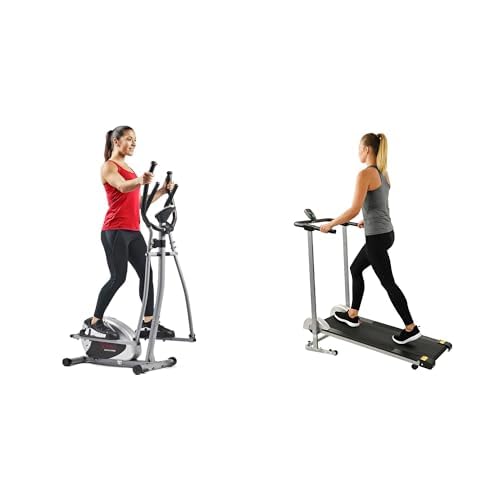
Elliptical Trainers

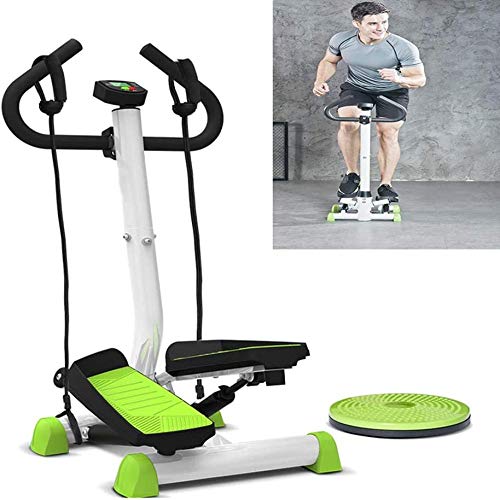
Elliptical trainers, also called cross trainers, are cardio machines designed to help you exercise indoors with a smooth stepping and gliding motion. This category is ideal if you want home fitness equipment for cardio workouts, general activity, weight management support, endurance training or lower impact exercise.

The right elliptical trainer depends on your space, fitness level, stride comfort and how often you plan to use it. A compact cross trainer may suit occasional home workouts, while a larger model with stronger resistance and a smoother stride may be better for regular training.

For guidance on comparing elliptical trainer designs, motion feel and suitability for different home spaces, see our Elliptical Trainers Buyers Guide.

Showing 1–24 of 185 resultsSorted by popularity

What Is An Elliptical Trainer?

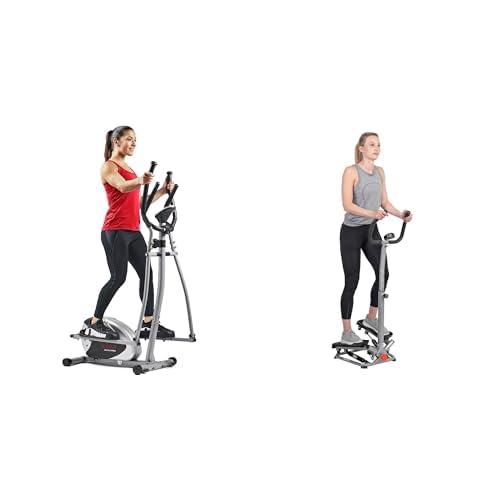
An elliptical trainer is a stationary exercise machine with pedals that move in an oval style motion. Many models also include moving handles so you can involve the upper body as well as the legs.

Elliptical trainers are used for indoor cardio workouts, warm ups, steady fitness sessions and longer endurance style training. They can be a practical choice for people who want an alternative to running, cycling or rowing at home.

How To Choose The Right Elliptical Trainer

Start with how you plan to train. If you want light activity, gentle cardio and occasional use, a simple model may be enough. If you plan to train several times a week, look for a stronger frame, smoother resistance, better stride length and a more comfortable movement.

Stride length is one of the most important buying factors. A stride that is too short can feel cramped, especially for taller users. A longer stride can feel more natural, but the machine may take up more space.

Resistance levels also matter. Adjustable resistance lets you make workouts easier or harder as your fitness improves. A machine with too little resistance may feel limiting once you get used to it.

Elliptical Trainer Or Treadmill?

An elliptical trainer is usually better if you want a smoother, lower impact cardio option because your feet stay on the pedals rather than landing repeatedly on a running belt.

A treadmill is better if you specifically want walking, jogging or running movement. It can feel more natural for runners, but it usually creates more impact than an elliptical trainer.

The better choice depends on comfort and goals. Choose an elliptical trainer if you want steady indoor cardio with less pounding. Choose a treadmill if walking or running is your main activity.

Elliptical Trainer Or Exercise Bike?

An elliptical trainer uses a standing movement and can involve the arms, legs and core. It may feel more like a full body cardio session, especially when the moving handles are used properly.

An exercise bike is seated, which can feel more comfortable for some users and may suit people who prefer cycling style workouts. It usually takes less balance and may feel easier for beginners.

The trade off is movement style. Elliptical trainers feel more active and upright. Exercise bikes feel more supported and seated.

Key Features To Compare

When comparing elliptical trainers, look at stride length, resistance levels, flywheel feel, maximum user weight, machine size, handle design, display features, programme options, noise level, stability and storage requirements.

A stable frame is important because the machine should not rock or wobble during workouts. Pedal comfort matters because your feet stay on the pedals throughout the session. Moving handles can be useful, but they should feel natural rather than awkward.

Display features can help with motivation. Time, distance, speed, calories, resistance and heart rate style readings may be useful, depending on the model. Treat calorie readings as estimates rather than exact figures.

Front Drive, Rear Drive Or Compact Cross Trainer?

Front drive elliptical trainers often have the flywheel at the front. They can feel slightly different from rear drive models and may suit some compact home designs.

Rear drive elliptical trainers often provide a longer, smoother stride, although this depends on the model. They may need more floor space.

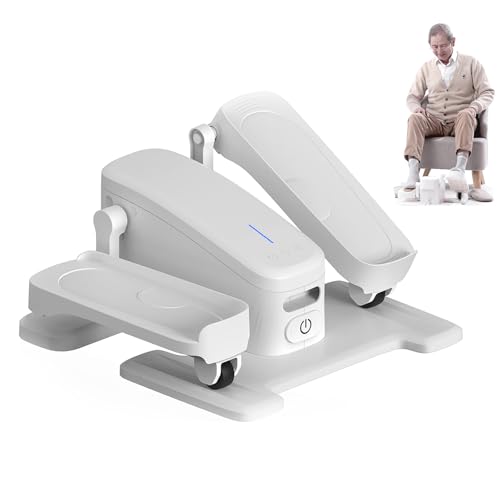
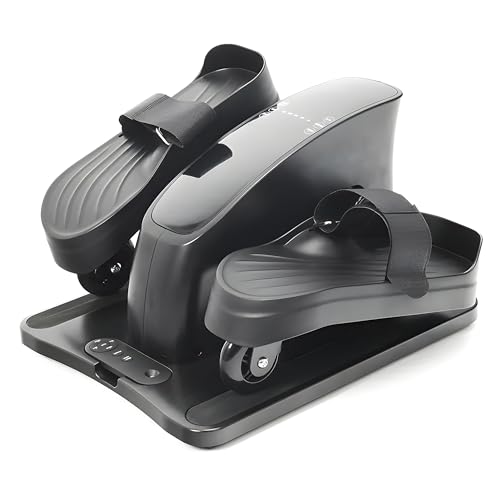
Compact cross trainers are useful for smaller homes, bedrooms, offices or shared spaces. The trade off is that smaller machines may have a shorter stride, lighter frame or fewer features.

Best For Beginners, Home Gyms Or Regular Cardio?

Beginners should look for an elliptical trainer that feels stable, simple to use and easy to adjust. Clear controls and comfortable movement are more useful than lots of programmes at the start.

Home gym users may want a stronger machine that fits well alongside weights, mats or other cardio equipment. Size, floor protection and noise level matter if the machine will be used regularly.

Regular cardio users should prioritise smooth movement, good resistance range, comfortable stride length and build quality. A better feeling machine is more likely to be used consistently.

Using Elliptical Trainers Safely

Start at a comfortable pace and build up gradually. Keep your posture upright, hold the handles lightly and avoid leaning heavily on the machine.

Make sure the elliptical trainer is placed on a flat, stable surface with enough space around it. Keep children and pets away from moving pedals and handles during use.

If you feel chest pain, dizziness, sharp joint pain, severe breathlessness or unusual discomfort, stop exercising and seek suitable medical advice. If you have medical concerns or have not exercised for a long time, get appropriate advice before starting a demanding routine.

Useful Accessories To Consider

Useful accessories can include floor protection mats, fitness trackers, heart rate monitors, water bottles, gym towels, cleaning sprays, sports shoes and exercise clothing.

A floor mat can help protect flooring and may reduce movement on some surfaces. A water bottle and towel make longer sessions more comfortable. Suitable footwear can help you feel more secure on the pedals.

Choose accessories that make your workouts easier, safer and more consistent.

Why Buy Elliptical Trainers From YPC?

At YPC, we understand active lifestyles and the need for practical equipment that fits real routines. Elliptical trainers should feel comfortable, stable and suitable for the way you actually want to train.

Browse the Elliptical Trainers range, compare the options and choose the cross trainer that fits your space, fitness goals and home workout routine.

Elliptical Trainers FAQs

What is an elliptical trainer used for?

An elliptical trainer is used for indoor cardio exercise. It can support fitness, endurance, warm ups, steady workouts and general activity at home.

Is an elliptical trainer the same as a cross trainer?

Yes, the terms are often used in a similar way. In the UK, many people call elliptical trainers cross trainers.

Are elliptical trainers good for beginners?

Yes, elliptical trainers can suit beginners because the movement is controlled and adjustable. Start with low resistance and short sessions, then build up gradually.

Is an elliptical trainer low impact?

An elliptical trainer is usually lower impact than running because your feet stay on the pedals. It can still provide a challenging cardio workout when resistance and pace are increased.

Is an elliptical trainer better than a treadmill?

An elliptical trainer may be better if you want lower impact cardio. A treadmill may be better if you specifically want walking, jogging or running movement.

Is an elliptical trainer better than an exercise bike?

An elliptical trainer gives a standing movement and can involve the arms and legs. An exercise bike is seated and may feel more supported. The better choice depends on comfort and preference.

What should I look for in an elliptical trainer?

Look at stride length, resistance levels, stability, maximum user weight, size, display features, handle design, noise level and how much space you have.

What stride length do I need on an elliptical trainer?

The right stride length depends on your height and comfort. Taller users often need a longer stride, while shorter users may feel comfortable on a more compact machine.

Do elliptical trainers help with weight loss?

Elliptical trainers can support exercise and calorie expenditure, but they do not cause weight loss on their own. Diet, consistency, activity level and lifestyle all matter.

Are compact elliptical trainers worth buying?

Compact elliptical trainers can be useful for small spaces and occasional home workouts. Check stride length, stability and user weight guidance before buying.

Are elliptical trainers noisy at home?

Some elliptical trainers are quieter than others. Noise depends on build quality, resistance system, floor surface, user weight and maintenance.

Do I need a mat under an elliptical trainer?

A mat can help protect flooring, reduce movement and make the workout area easier to clean. It is especially useful on hard floors or shared living spaces.

Can an elliptical trainer work the upper body?

Many elliptical trainers have moving handles that can involve the arms, shoulders and upper body. The main workout is still usually cardio focused.

How often should I use an elliptical trainer?

Frequency depends on your fitness level, goals and recovery. Regular moderate sessions are usually more useful than occasional very hard workouts.

How do I maintain an elliptical trainer?

Follow the product instructions, keep the machine clean, check bolts and moving parts, protect it from damp and stop using it if anything feels loose, noisy or unsafe.

Home and Garden ProductsGetting ready for Summer? View our Home and Garden Products

Outdoor Clothing

Heading outdoors this winter? Take a look at our Outdoor Clothing.

Scroll to Top