
Yoga Mats
Yoga Mats are cushioned practice surfaces designed to provide grip, comfort, and stability during home or studio yoga sessions.
A good yoga mat supports steady movement by offering grip and cushioning throughout your practice. It creates a defined personal space where you can focus on alignment, balance, and breath. Mats vary in thickness, texture, and feel, allowing you to choose a surface that matches your preferred yoga style. Specifications vary — see individual product listings for details.
- Yoga Mats
Gaiam Yoga Mat Premium Print Reversible Extra Thick Non Slip Exercise & Fitness Mat for All Types of Yoga, Pilates & Floor Workouts, Peaceful Waters, 6mm
Original price was: £35.04.£33.96Current price is: £33.96. *View On Amazon* - Yoga Mats
ROMIX Pro Yoga Mat with Alignment Lines 6mm, Non-Slip Ultra Lightweight Sweat Resistant Eco-Friendly Gym Workout Mat with Carry Bag and Strap for Women Men for Pilates Gymnastics
Original price was: £24.99.£19.99Current price is: £19.99. *View On Amazon* - Yoga Mats
PROIRON Yoga Exercise Mat with Alignment & Carry Bag, Large Non-Slip Comfortable Training & Workout Mat for Home or Outdoor, Gym, Pilates, HiiT, Stretching & Meditation 173 x 61 x 0.4 cm – Turquoise
Original price was: £8.99.£7.64Current price is: £7.64. *View On Amazon* - Yoga Mats
Good Nite Yoga Mat Exercise Mats Workout Pilates Fitness Mat for Women Men Non-Slip Thick 6mm High Density Gymnastics Mats with Carry Strap Tpe (Turquoise)
Original price was: £14.89.£14.00Current price is: £14.00. *View On Amazon* - Yoga Mats
ROMIX Pro Yoga Mat with Alignment Lines 6mm, Non-Slip Ultra Lightweight Sweat Resistant Eco-Friendly Gym Workout Mat with Carry Bag and Strap for Women Men for Pilates Gymnastics
Original price was: £29.99.£18.99Current price is: £18.99. *View On Amazon* - Yoga Mats
DSL 15mm Extra Thick Large 61 x 185cm Yoga Mat with Carry Handle Non Slip Gym Exercise Fitness Pilates Workout Mat Black/Blue/Purple/Pink/Green/Red (Purple)
Original price was: £18.99.£17.99Current price is: £17.99. *View On Amazon* - Yoga Mats
Fitness Mad Club Aerobic Exercise Mat with Eyelets | Studio Quality Vinyl Ant-Slip Fitness Mat | Multipurpose for All Sports | 2 Colours, 100cm x 50cm x 9.5mm
Original price was: £31.99.£24.98Current price is: £24.98. *View On Amazon* - Yoga Mats
FK Sports Yoga Mat 20MM Extra Thick 183 x 61 cm NBR Fitness Foam, Pilates Mats With Mesh Bag & Carry Strip, Non-Slip Exercise Mat for Women & Men Ideal for Planks & Stretching, Home Gym Mat (Pink)
Original price was: £29.99.£26.99Current price is: £26.99. *View On Amazon*


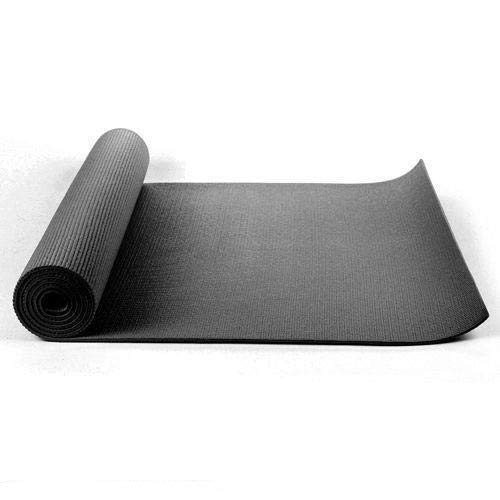

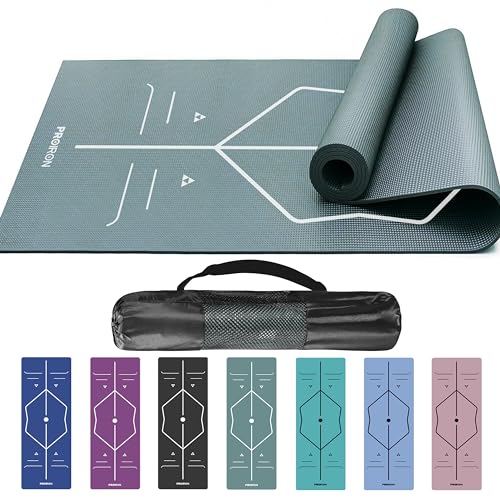


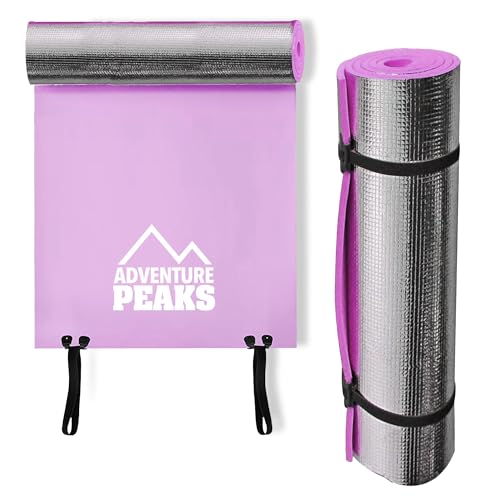


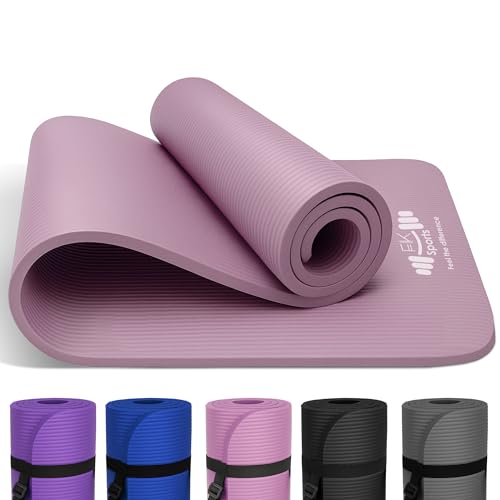
What This Category Includes
This category includes Yoga Mats designed for a wide range of yoga styles, from slow-flow sessions to more dynamic practices. Mats differ in thickness, texture, and material, which affect comfort and grip. Some designs prioritise cushioning, while others emphasise a firmer, grounded feel. Specifications vary — see individual product listings for details.
Key Functional Roles
Yoga Mats provide a stable, non-slip surface that supports alignment and controlled movement. They help cushion hands, knees, and feet during transitions and maintain traction through poses. The mat also defines a personal practice area, helping you maintain focus and consistent positioning.
Typical Use Scenarios
You might use a yoga mat at home for morning routines, gentle stretching, or meditation. In studio settings, mats are essential for group classes, offering a clean and consistent surface for practice. Some people keep multiple mats to accommodate different styles or to maintain a dedicated space for regular sessions.
Buyer Considerations
When choosing a yoga mat, consider thickness for comfort, texture for grip, and length for your height and movement style. Material can influence feel and durability. Some mats provide a firmer connection to the floor, while others offer more cushioning. Individual product listings outline dimensions, material details, and recommended uses.
Safety, Suitability & Best Practices
Use yoga mats on stable, clean surfaces to ensure secure footing. Regular cleaning helps maintain grip and hygiene. Store mats rolled or laid flat depending on the material, and avoid prolonged exposure to heat or moisture. Begin movements slowly to feel how the mat responds under different poses.
Category Boundaries
Yoga Mats form the foundation of Yoga Essentials. Blocks and Bricks offer height and support, Straps and Bands assist with reach and stretching, and Towels provide grip or absorbency. Pilates Equipment, including rings and bands, belongs in a separate branch, and Balance and Stability Equipment focuses on instability rather than yoga-based grounding.
FAQs
**Q: What thickness of yoga mat should I choose?**
A: Thicker mats offer more cushioning, while thinner mats create a firmer, grounded feel. Consider the style of yoga you practise and whether you prefer more support or closer contact with the floor.
Q: Are textured mats better for grip?
A: Textured mats can enhance grip, especially during poses involving weight shifts. Smooth mats may also offer strong traction depending on material. Product listings provide details on surface feel.
Q: Do yoga mats wear out quickly?
A: Wear depends on frequency of practice and material. Keeping mats clean and stored carefully helps maintain their condition. Check product listings for care suggestions.
Q: Can I use the same mat for yoga and Pilates?
A: Some people use one mat for both, though Pilates often involves movements where a slightly firmer or smoother surface may feel different. Comfort preference varies between individuals and practice styles.
Practical Insights & Real-World Context
Practitioners often choose mats based on how they support alignment and comfort across repeated sessions. Texture and thickness influence how secure you feel during transitions, particularly in standing poses. In studios, mats help standardise the practice environment, while at home they create a familiar anchor point for regular routines.
How This Category Fits Into Your Gear and Equipment
Within the wider Yoga Essentials structure, this category sits as one of the foundational areas, providing the supportive surface that underpins stable, aligned yoga practice.
 Getting ready for Summer? View our Home and Garden Products

Heading outdoors this winter? Take a look at our Outdoor Clothing.